Diving Theory
All about the theory and science of diving
All about the theory and science of diving
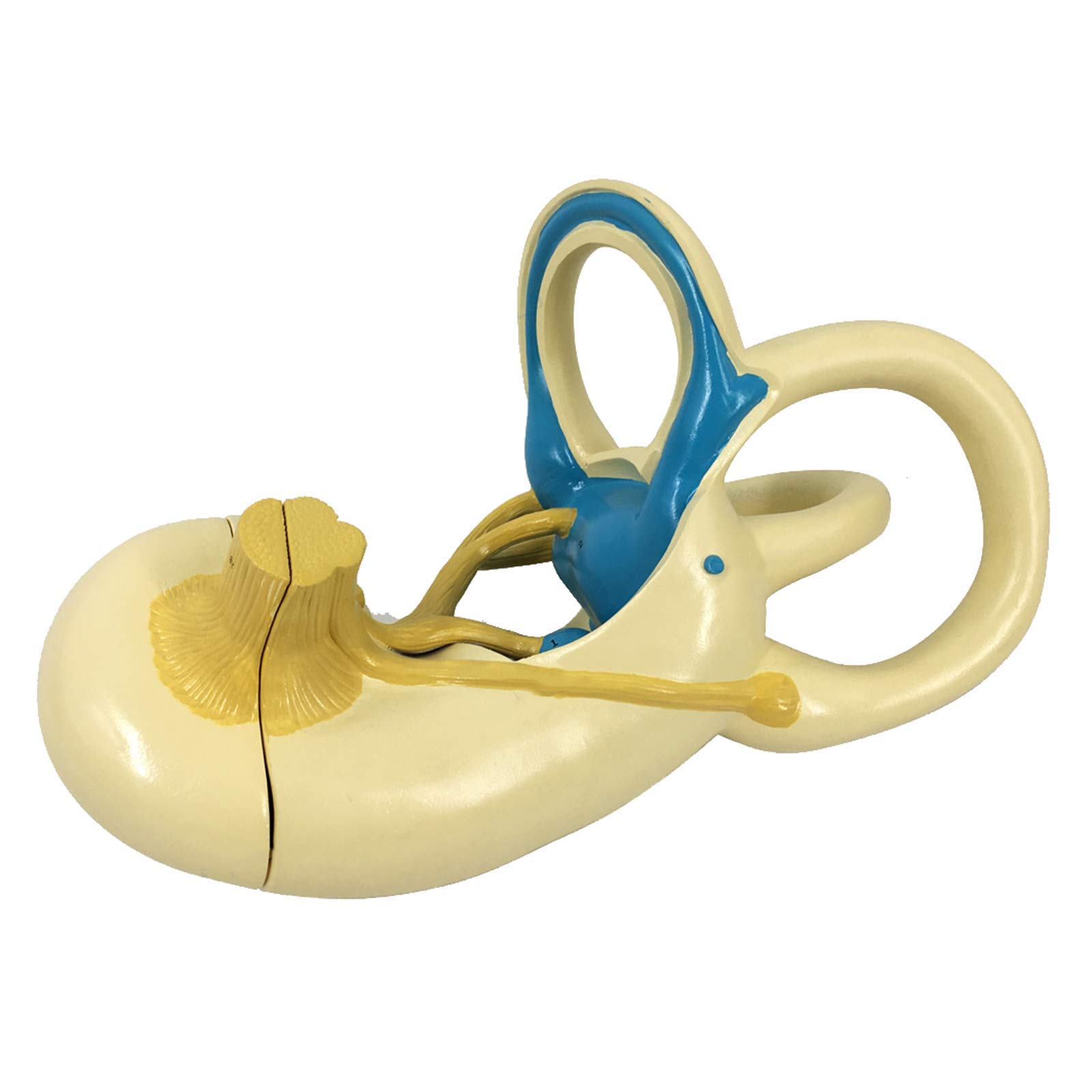
Learn to differentiate between Inner Ear Barotrauma (IEBT) and Inner Ear DCS (IEDCS)—two critical vestibular emergencies with vastly different treatment paths.
Discover how inhaling micro-droplets of saltwater disrupts lung surfactants, increases airway resistance, and triggers silent hypoxia during a dive.
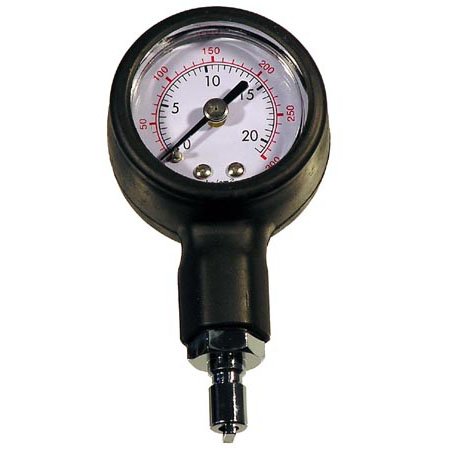
Explore how Dalton’s Law magnifies trace contaminants, turning legal gas limits into lethal concentrations as you descend. Essential for advanced dive safety.
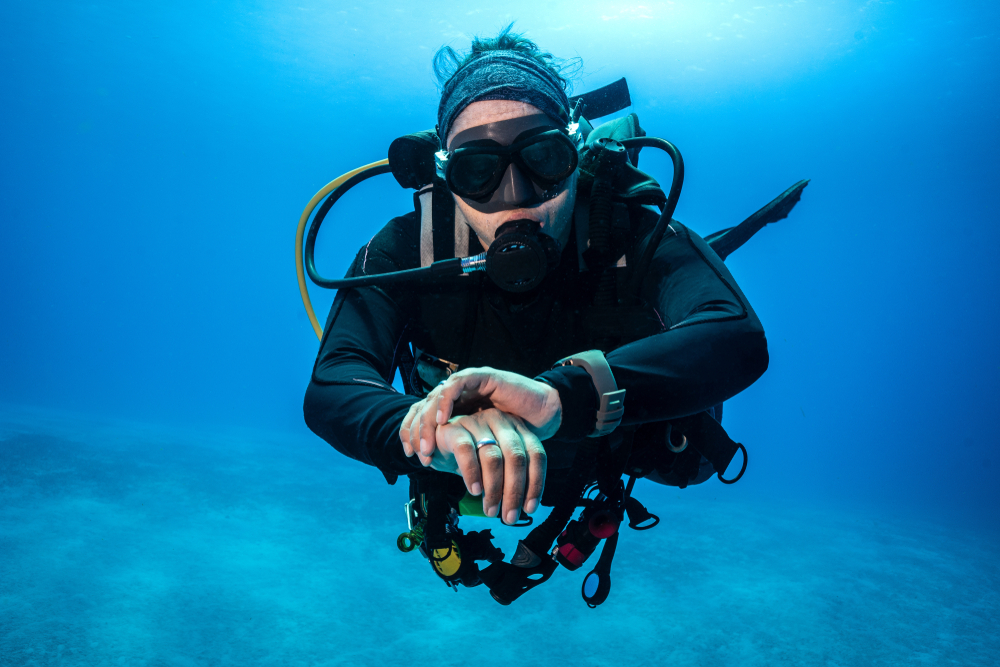
Is decompression a hard limit or a game of odds? Explore the mathematical shift from binary M-values to statistical risk models in modern diving science.
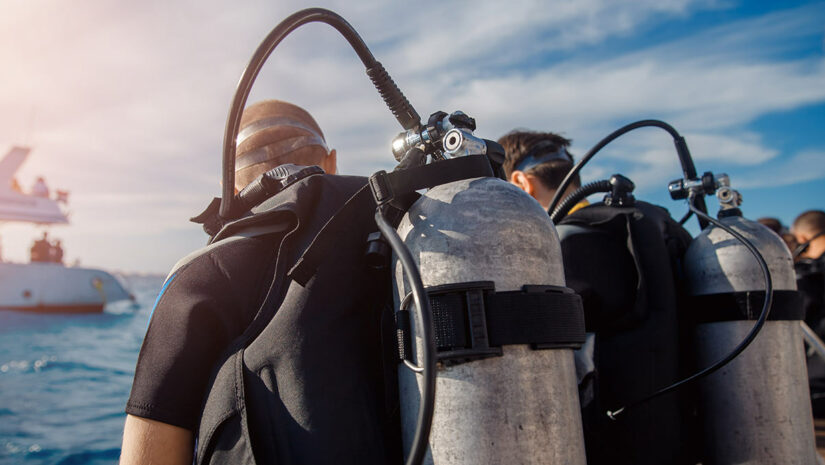
Dive deep into the calculus of off-gassing. Learn how the logarithmic decay curve dictates your surface interval and impacts your next descent.

Explore how hydrostatic pressure reshapes the cellular cytoskeleton, disrupting signal transduction and influencing the physiological limits of deep diving.

Master the science of thermal stress. Discover how temperature-driven changes in gas solubility and perfusion can compromise your decompression safety.
Master the science of the caloric reflex. Learn how temperature gradients trigger underwater vertigo and how to manage vestibular disorientation in cold water.

Dive deep into the cellular mechanisms of CNS oxygen toxicity. Explore how mitochondrial failure and ROS trigger hyperoxic seizures in advanced diving.

Discover why the marbled rash of Cutis Marmorata is more than a 'skin bend.' Learn the scientific link between skin mottling, PFOs, and neurological DCS.
Explore how caffeine, nicotine, and other stimulants trigger peripheral vasoconstriction, creating a dangerous mismatch between your dive computer and your body.
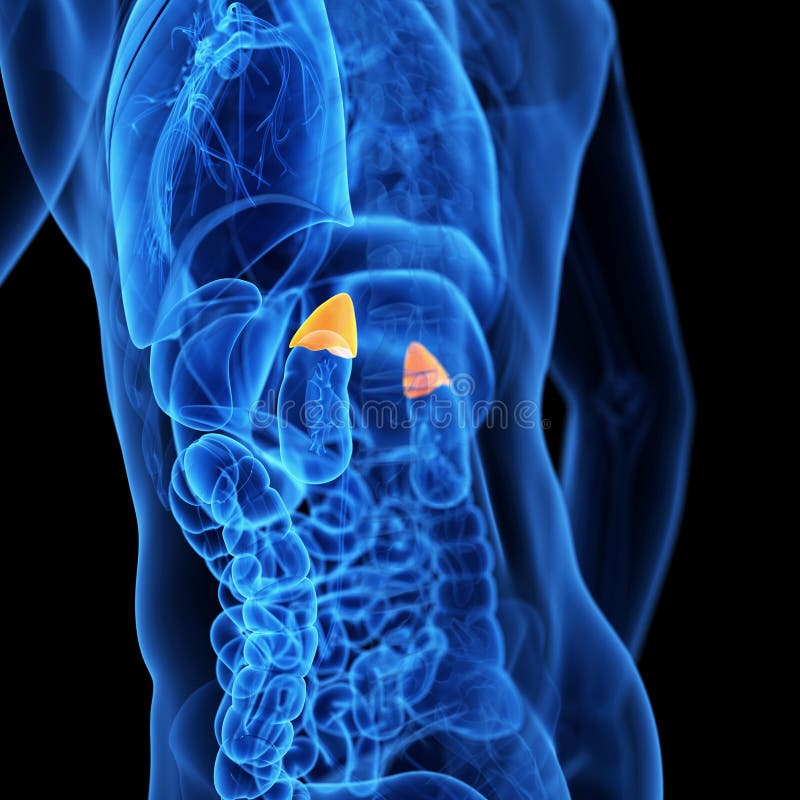
Explore how high-pressure environments trigger a complex hormonal cascade. Learn how cortisol and adrenaline impact your performance and decompression safety.
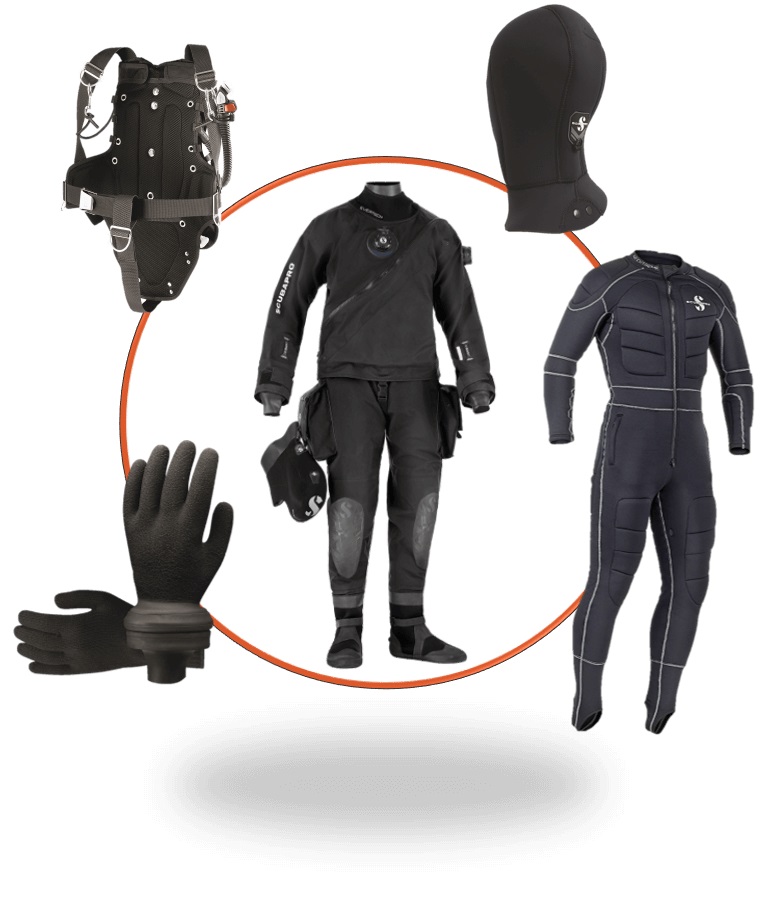
Discover the science behind helium speech. Learn how sound velocity and gas density transform vocal resonance, creating the 'Donald Duck' effect in deep diving.
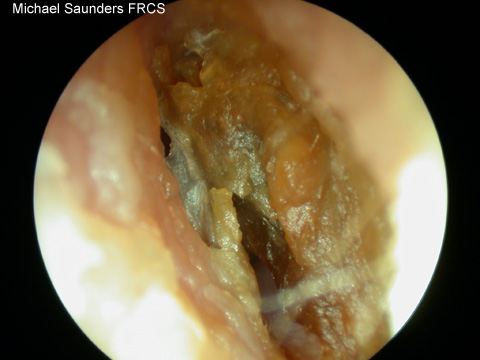
Master the science of the middle ear. Explore the biomechanics of the Eustachian tube, the role of surfactants, and the physics of advanced equalization.
Master the science of clarity. Explore how molecular surface tension, surfactants, and hydrogen bonding dictate why your mask fogs and how to stop it.
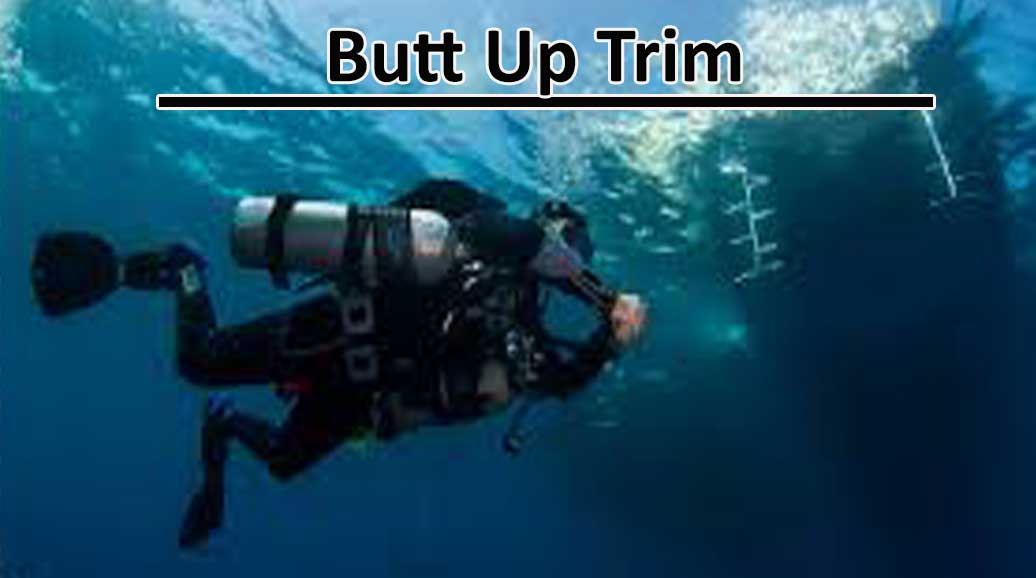
Master the fluid dynamics of diving. Learn how the drag equation dictates your gas consumption and why streamlining is the key to reducing RMV.

Discover why the Critical Volume Hypothesis is essential for advanced divers. Learn how bubble size, not just quantity, dictates decompression safety and DCS risk.

Explore the frontier of diving physiology: how high partial pressures of oxygen impact gut bacteria, systemic inflammation, and decompression recovery.

Explore the science of gauge hysteresis. Understand why your depth readings lag, the mechanical limits of pressure sensors, and how it impacts decompression safety.

Discover the physiological and mathematical reasons why the 5m/3min safety stop is the ultimate buffer against subclinical DCS and bubble formation.
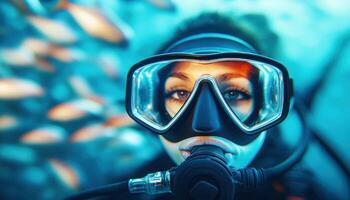
Master the physics of underwater refraction. Learn to calculate true distance and size for precision survey, photography, and technical diving tasks.

Explore the science of Magnetic Local Anomalies (MLAs), how geological and man-made factors disrupt compass accuracy, and how to navigate when the needle lies.
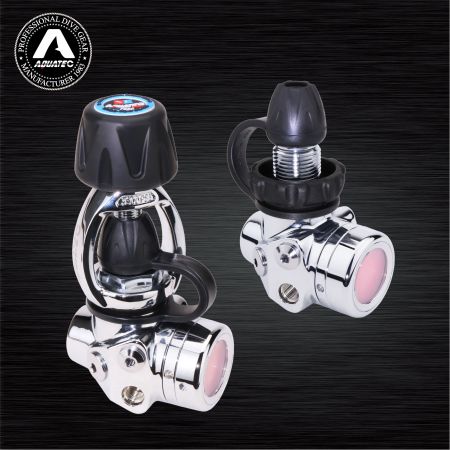
Master the thermodynamics of gas expansion. Discover how the Joule-Thomson effect causes regulator icing and learn expert strategies to prevent cold-water free-flow.

Explore the science of oxidative stress in diving. Learn how vitamin supplementation may protect the endothelium and reduce decompression-induced physiological strain.
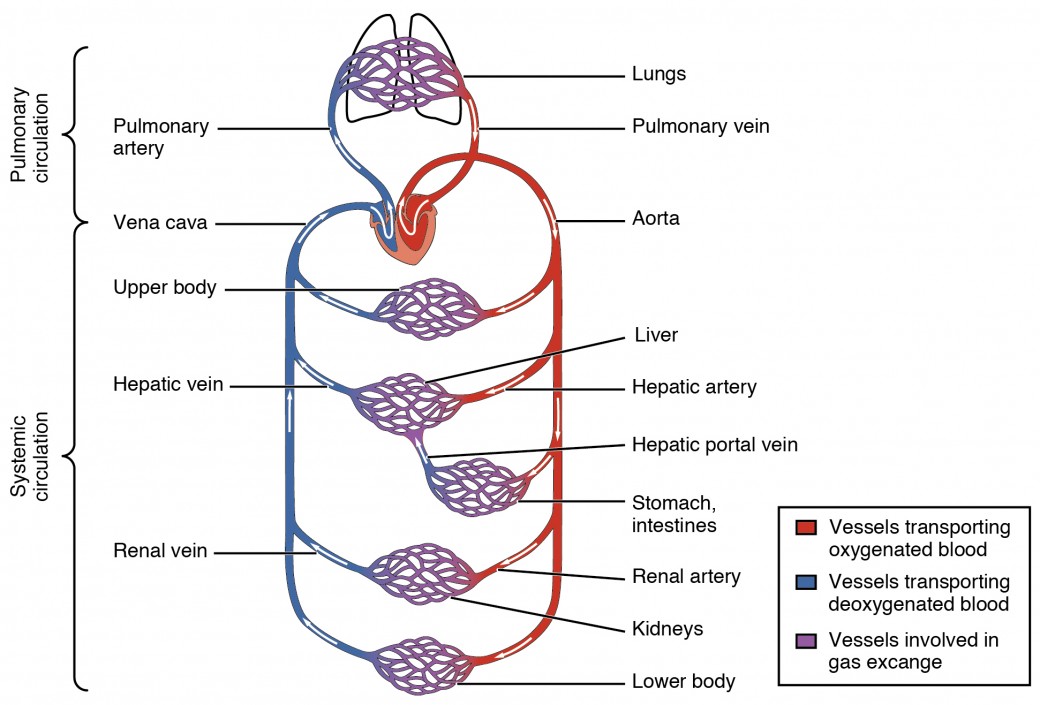
Explore the science of blood rheology in diving. Learn how hemoconcentration slows nitrogen transport and why blood viscosity is the hidden variable in DCS risk.
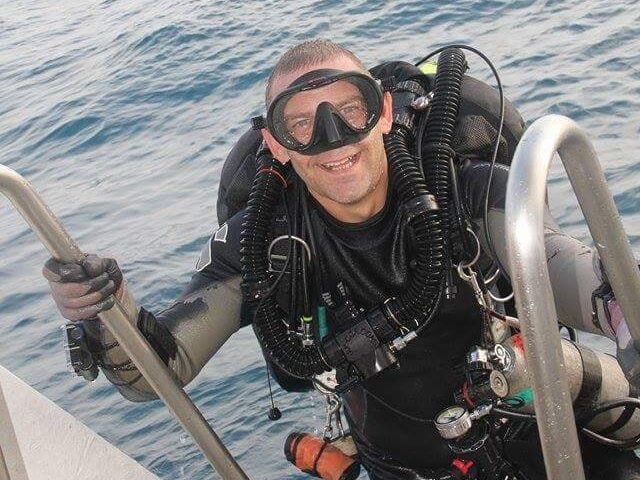
Explore the counterintuitive 'Off-Effect' where CNS oxygen toxicity risks spike during ascent. Master the physiology of vasodilation and CO2 management.

Beyond bubbles: discover how platelet activation and micro-clotting drive decompression stress and why hematology is the next frontier in diver safety.

Discover why the Ideal Gas Law fails at high pressures and how the Van der Waals equation impacts gas blending, cylinder capacity, and deep dive safety.

Explore the science of how bubbles trigger a systemic inflammatory response, turning the immune system against the body during decompression sickness.
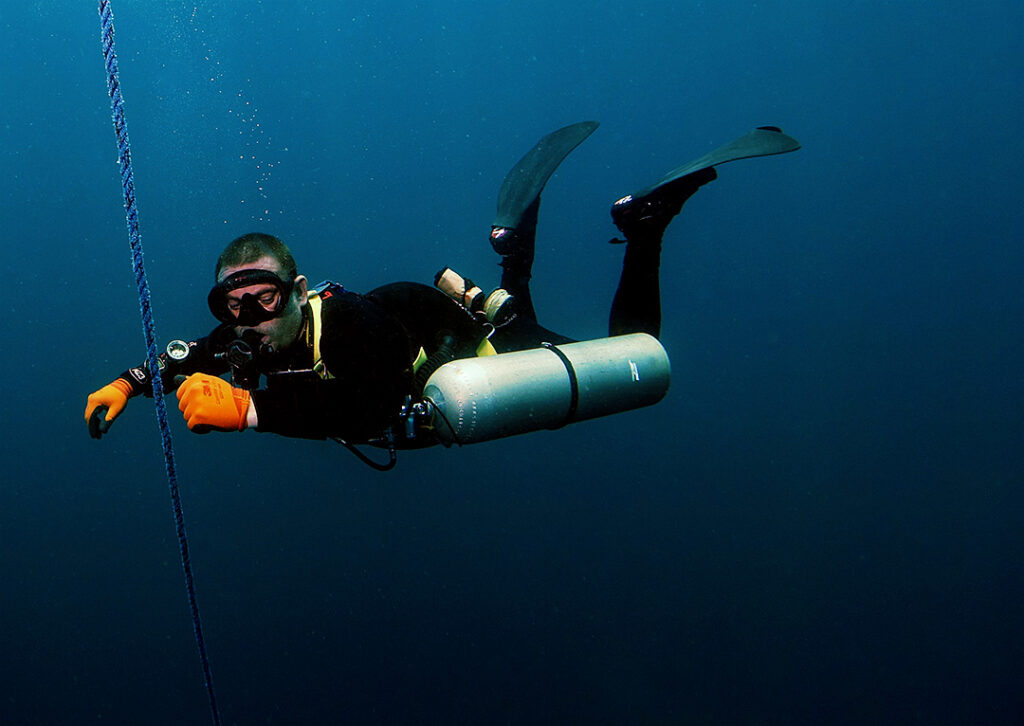
Master the physics of buoyancy. Learn how specific gravity and salinity variations dictate precise lead requirements for advanced and technical diving.
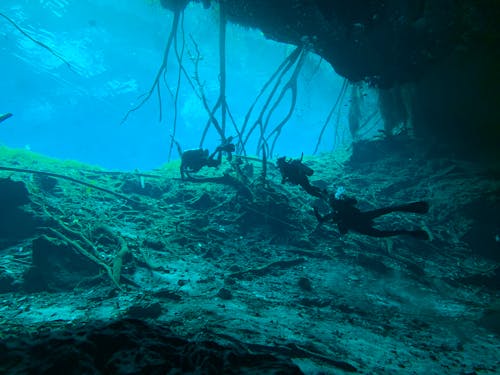
Master the physics of visibility. Learn how Stokes' Law dictates silt suspension and why particle dynamics are critical for safe cave diving operations.
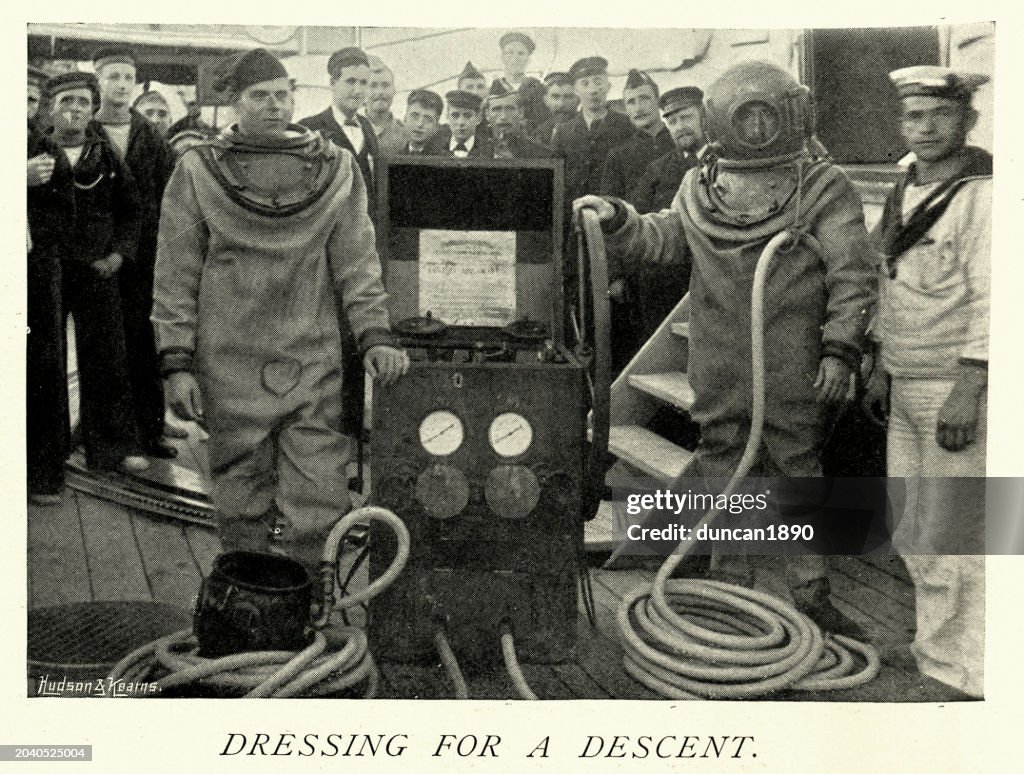
Discover how John Scott Haldane’s 1908 goat experiments created the foundation for modern decompression theory and the algorithms inside your dive computer.
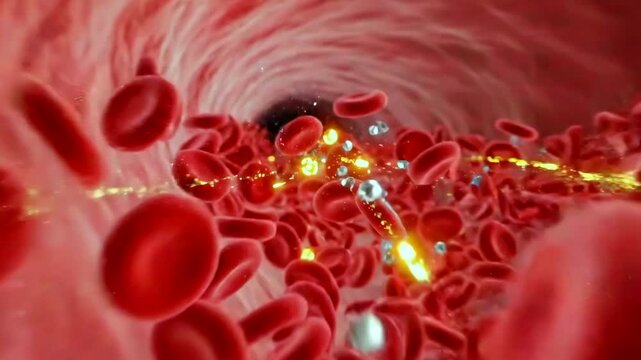
Explore the science of decompression genomics. Learn how your DNA influences bubble formation, inflammatory response, and your risk of 'undeserved' DCS.

Explore the neural pathways of hypercapnia. Understand how CO2 triggers the amygdala's suffocation alarm and how to override the primal panic response.
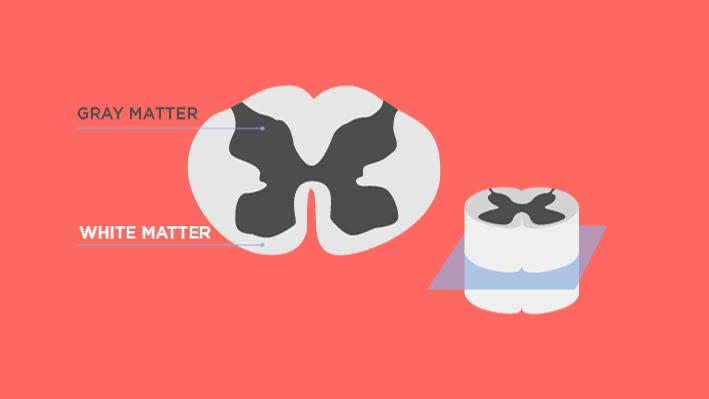
Explore the complex pathophysiology of spinal cord DCS. Learn why myelin lipids and the Batson plexus make the CNS a high-risk zone for decompression stress.

Master the physics of propulsion. Explore how blade geometry, thrust vectors, and bio-mechanical leverage dictate your efficiency and trim underwater.
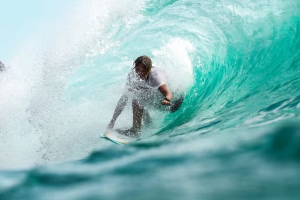
Explore the complex chemistry of CO2 scrubbers. Learn how ambient pressure and cold water temperatures dictate absorbent life and rebreather safety.
Explore the science of barodontalgia. Learn how Boyle’s Law and trapped gas in dental work can turn a routine dive into a painful pressure-induced emergency.
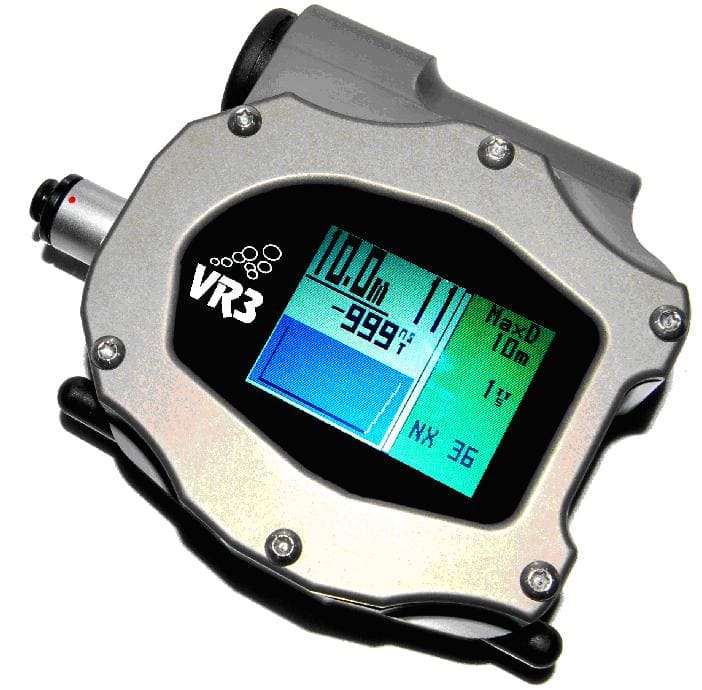
Is your dive computer oversimplifying your body? Discover the limits of 16-compartment models and the complex biology that mathematical half-times can't capture.

Explore how physiological aging and fitness impact decompression. Learn why standard models may need adjustment for the maturing diver to ensure safety.

Explore how the brain processes spatial awareness underwater and why neutral buoyancy triggers proprioceptive distortion in advanced diving environments.
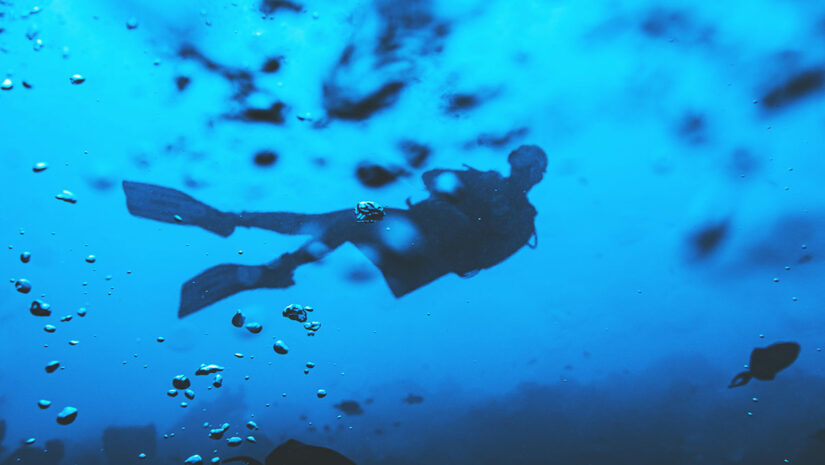
Discover how shivering spikes your metabolic rate and gas consumption. Master the science of thermoregulation to protect your gas reserves and deco schedule.
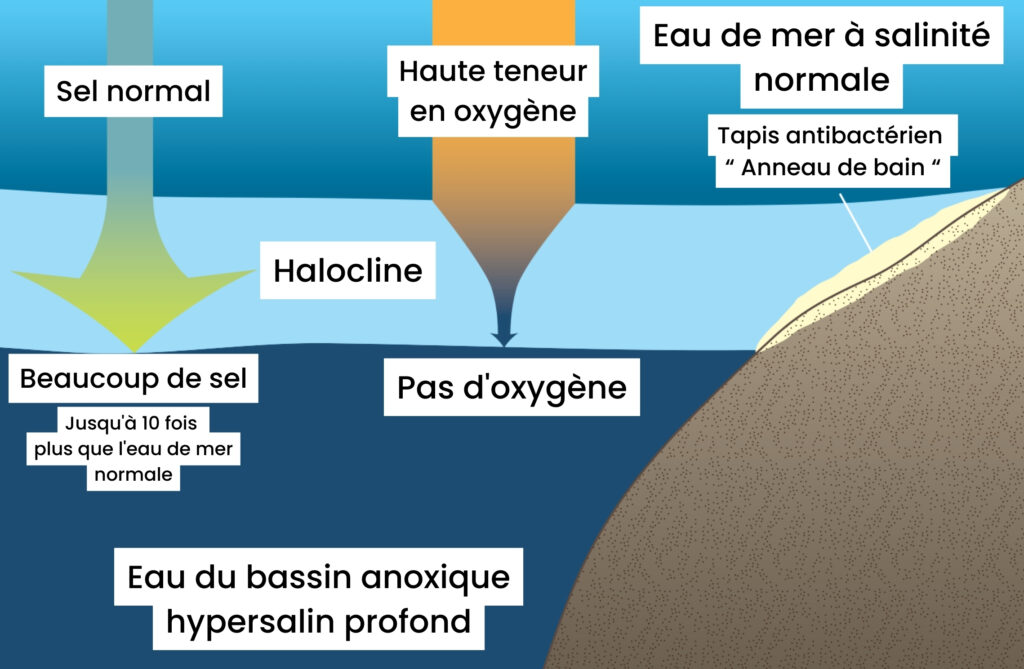
Explore the physics of haloclines. Understand how light refraction, salinity gradients, and density layers create the surreal visual effects in Mexico’s cenotes.

Explore how pre-existing gas micronuclei challenge traditional dissolved gas models and dictate the physics of bubble formation in every diver.

Discover how Heart Rate Variability (HRV) serves as a window into decompression stress, autonomic recovery, and the physiological cost of repetitive diving.

Explore the science of tribonucleation and how sudden joint movements create bubble nuclei that can lead to decompression sickness in scuba diving.
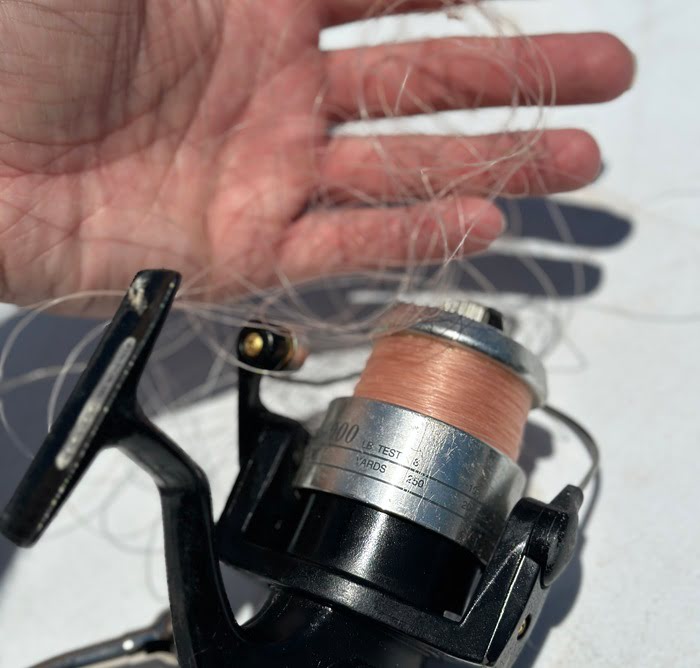
Master the science of underwater entrapment. Learn how force vectors, friction coefficients, and mechanical advantage turn lines into lethal traps.
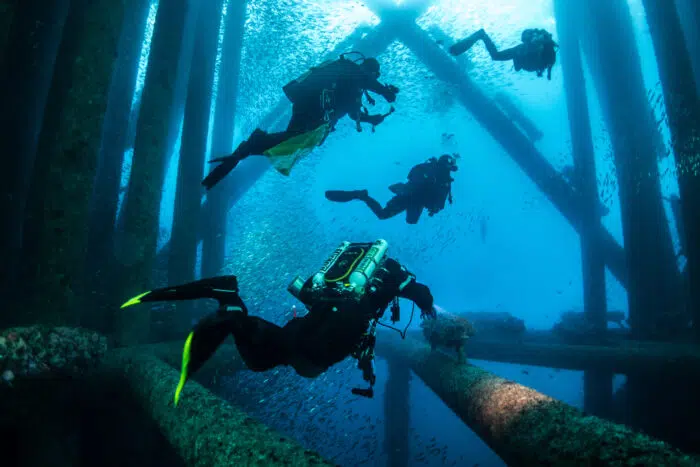
Master the neuropsychology of underwater stress. Learn how task loading and cognitive narrowing impair decision-making and how to prevent the 'survival spiral.'

Discover how pulmonary surfactants regulate breathing effort and stabilize the micro-bubbles that dictate your decompression safety.
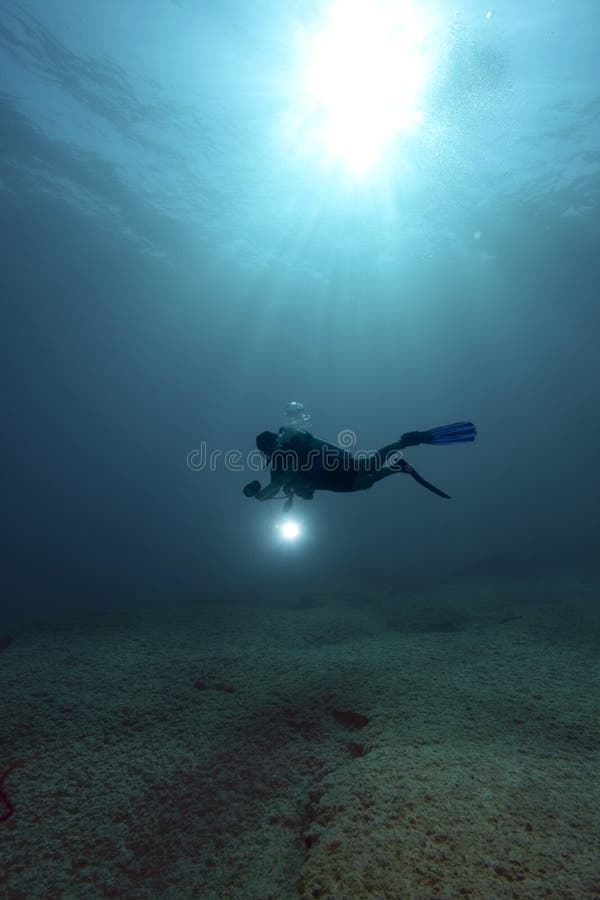
Master the physiology of CO2 retention. Understand how dead space and skip breathing trigger hypercapnia, narcosis synergy, and oxygen toxicity risks.