Decoding the NOAA Oxygen Tables: A Master Guide to CNS and Pulmonary Limits
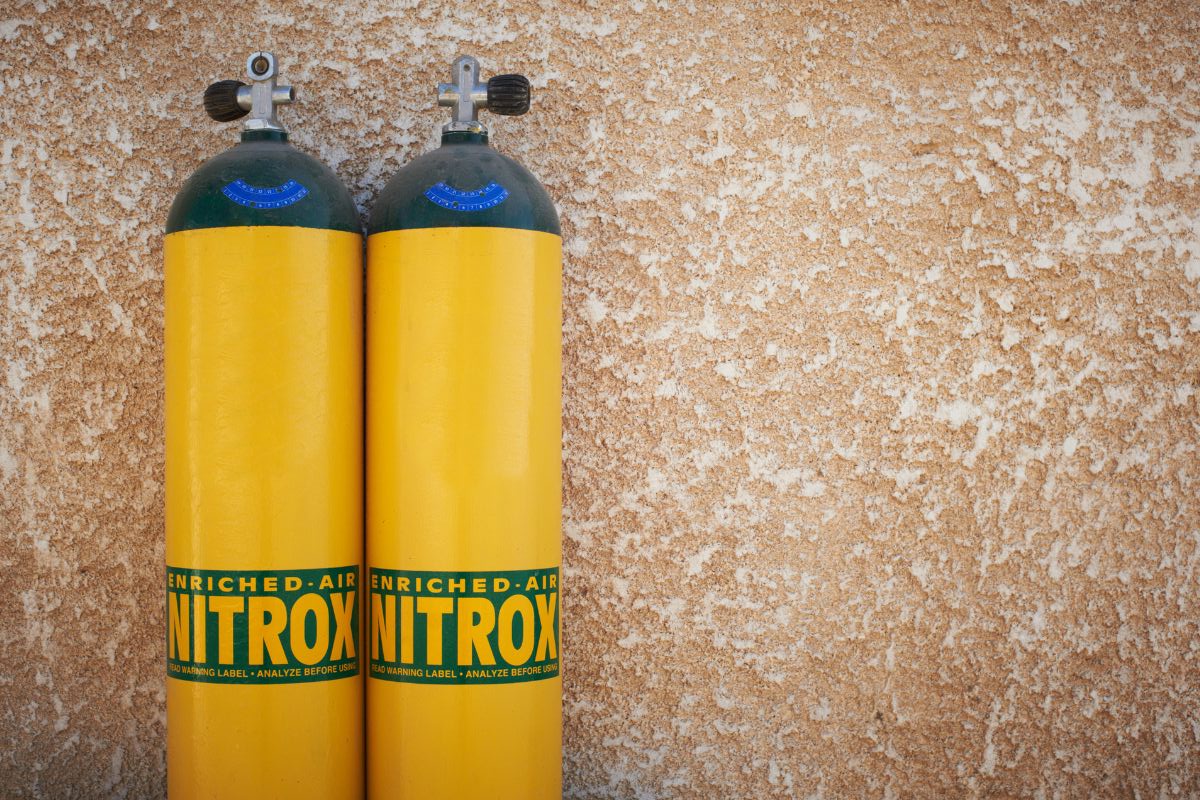
For many divers, the transition to enriched air nitrox is a simple matter of learning a new Maximum Operating Depth (MOD) and analyzing a cylinder. However, as you progress into the realm of technical diving, extended range profiles, and multi-day expeditions, the "Nitrox label" on your tank becomes only the first step in a much more complex physiological calculation. Understanding the National Oceanic and Atmospheric Administration (NOAA) oxygen tables isn't just a hurdle for a certification exam; it is a foundational skill for managing the "Oxygen Clock" and ensuring that your central nervous system (CNS) and lungs can handle the oxidative stress of the deep.
Beyond the Nitrox Label: Why NOAA Tables Still Matter
In the modern era of diving, we are often tempted to treat our dive computers as infallible oracles. While these devices are incredible tools for real-time monitoring, they can occasionally lead to "black box" diving—a state where the diver follows instructions without understanding the underlying math 2. The NOAA oxygen exposure limits were established through decades of scientific research and empirical experience in the scientific diving community 4. These tables remain the gold standard because they provide a clear, conservative framework for preventing oxygen toxicity, a risk that becomes exponentially more significant as we increase the partial pressure of oxygen (PO2) in our breathing gas.
The shift from basic nitrox to advanced oxygen management involves moving beyond simple MODs and into the territory of cumulative exposure. While a recreational diver might never approach their CNS limits on a single 80-cubic-foot cylinder, a technical diver using high-capacity doubles or surface-supplied equipment can easily reach these physiological ceilings 1. Understanding the history and application of these tables allows an elite diver to plan for contingencies, such as computer failure, and to verify that their equipment’s programmed conservatism matches the reality of their physiological load.
The Two Faces of Oxygen: A Brief Theoretical Recap
To master the NOAA tables, one must first understand what they are designed to prevent. Oxygen is a metabolic necessity, but at high partial pressures, it becomes a multi-system toxin. We generally categorize these risks into two distinct physiological impacts:
- The Paul Bert Effect (CNS Toxicity): This is the acute onset of toxicity affecting the central nervous system. It typically occurs at high PO2 levels (usually above 1.4 or 1.6 ATA) and can result in symptoms ranging from visual disturbances and ear ringing to life-threatening grand mal seizures.
- The Lorrain Smith Effect (Pulmonary Toxicity): This is a chronic, slow-burning toxicity that affects the lung tissue. It is usually the result of long-duration exposures to lower levels of elevated PO2, common in multi-day diving missions or long decompression stays.
For a deeper dive into these physiological mechanisms, refer to our guide on The Paul Bert vs. Lorrain Smith Effect. While nitrogen management is governed by No-Decompression Limits (NDLs) and tissue compartment loading, oxygen management is governed by the "Oxygen Clock"—a cumulative measurement of how much oxidative stress your body has absorbed over a 24-hour period.
Navigating the CNS Oxygen Exposure Limits Table
The NOAA CNS limits are divided into two categories: the Single Exposure Limit and the 24-Hour Cumulative Limit. These limits are based on the PO2 of the gas you are breathing at a specific depth.
In technical and scientific diving, 1.4 ATA is the standard benchmark for the "active" or "working" portion of a dive, while 1.6 ATA is generally reserved as the maximum limit for stationary decompression stops 1. As the PO2 increases, the allowable time drops at a non-linear rate.
| PO2 (ATA) | Single Exposure Limit (Min) | 24-Hour Limit (Min) |
|---|---|---|
| 1.6 | 45 | 150 |
| 1.5 | 120 | 180 |
| 1.4 | 150 | 180 |
| 1.3 | 180 | 210 |
| 1.2 | 210 | 240 |
| 1.1 | 240 | 270 |
| 1.0 | 300 | 300 |
Expert Tip: Notice the massive jump between 1.6 and 1.5 ATA. Dropping your PO2 by just 0.1 ATA nearly triples your allowable single-exposure time. This is why many technical divers prefer a conservative 1.3 or 1.4 ATA for their bottom gas.
The Math of the Clock: Calculating CNS Percentage Manually
Tracking your CNS "loading" is essential when performing multi-level dives where the PO2 changes as you ascend or switch gases. The goal is to ensure your total percentage of the "Oxygen Clock" stays well below 100%.
The Formula
To find your CNS percentage for a specific segment of the dive, use this formula:
CNS % = (Time spent at PO2 / NOAA Table Limit for that PO2) x 100
Practical Example: The Deco Dive
Imagine a diver performing a multi-level dive with a high-O2 decompression switch:
- Bottom Phase: 30 minutes at a PO2 of 1.3 ATA.
- Table Limit for 1.3 ATA = 180 minutes.
- (30 / 180) x 100 = 16.6%
- Deco Phase: 20 minutes at a PO2 of 1.6 ATA (using 100% O2 at 6m/20ft).
- Table Limit for 1.6 ATA = 45 minutes.
- (20 / 45) x 100 = 44.4%
- Total CNS Loading: 16.6% + 44.4% = 61%
Even though the diver only spent 50 minutes underwater, they have consumed over 60% of their daily CNS allowance. If they plan a second dive, they must account for the fact that CNS loading "decays" with a half-life of approximately 90 minutes, though most conservative agencies recommend treating the 24-hour limit as a hard ceiling.
Pulmonary Toxicity and the OTU: Managing Long-Term Exposure
While CNS toxicity is the immediate threat, pulmonary toxicity becomes the limiting factor during long-duration missions or multi-day technical workshops. This is measured in Oxygen Tolerance Units (OTUs) or Unit Pulmonary Toxicity Dose (UPTD).
One OTU is defined as the oxidative damage caused by breathing 100% oxygen at 1 ATA for one minute. Unlike the CNS clock, which is highly volatile and can result in sudden seizures, pulmonary toxicity manifests as chest tightness, a dry cough, and a reduction in vital capacity.
Managing pulmonary limits is closely tied to the "Oxygen Window" theory. By understanding how the body metabolizes oxygen, we can create a "pressure vacancy" in the blood that assists in more efficient off-gassing of inert gases like nitrogen or helium. For more on this, see The Oxygen Window: Mastering Inherent Unsaturation.
Integrating NOAA Tables with Modern Dive Computers
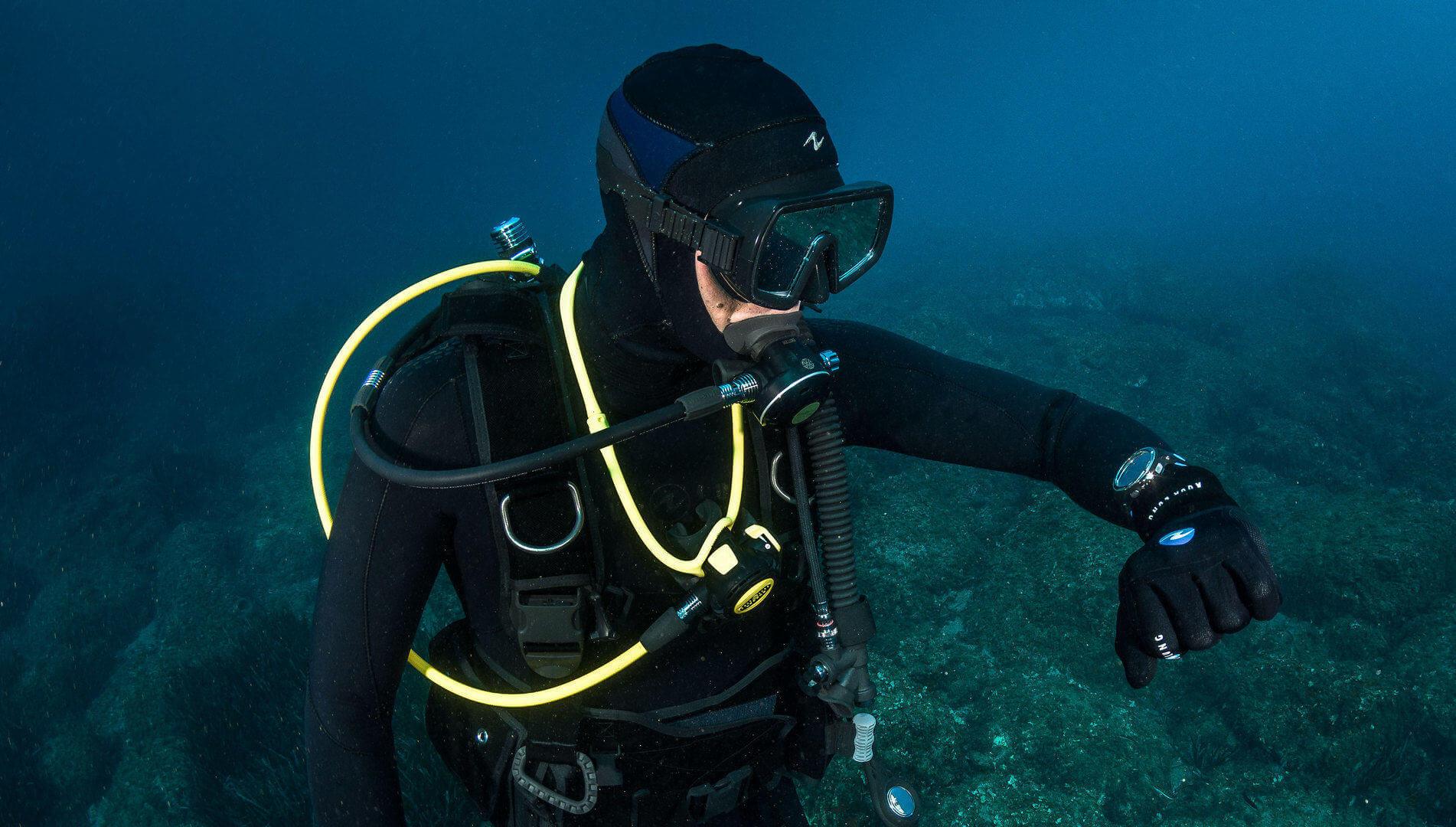
Modern dive computers are marvels of engineering, often running complex Buhlmann ZHL-16C algorithms with Gradient Factors (GF) to track nitrogen loading and oxygen toxicity simultaneously 2. However, the O2 tracking on a computer is often a "black box" display—a single percentage or bar graph.
It is vital to understand how your computer calculates these metrics. Most computers use the NOAA tables as their baseline for O2 tracking. When you see your "O2 Green/Yellow/Red" bar, the computer is performing the manual math we discussed above in real-time. To avoid "black box" syndrome, you should always:
- Verify that your computer's PO2 max settings (e.g., 1.4 for dive, 1.6 for deco) match your plan.
- Cross-reference your planned bottom time against the NOAA single-exposure limits during pre-dive planning.
- Check your cumulative CNS % after every dive in a repetitive series.
- Understand that
computers can't feel your physical state—they only calculate based on the programmed math.
For more on how computers handle these variables, check out Dive Computer Demystified.
The Invisible Ceiling: Oxygen Limits and Decompression Theory
Oxygen management is inextricably linked to decompression theory. When we ascend, we are managing an "Invisible Ceiling"—the point at which the ambient pressure is low enough that the dissolved gas in our tissues might form bubbles. This is governed by M-values, as explained in The Mystery of M-Values.
High PO2 levels are beneficial for decompression because they accelerate the elimination of inert gas by widening the oxygen window. However, this creates a conflict: you want a high PO2 for efficient off-gassing, but you must stay within NOAA limits to avoid CNS toxicity. Elite divers use Gradient Factors to balance this risk, creating a personalized safety buffer that ensures they don't hit their physiological "ceiling" while staying within the "floor" of oxygen safety. You can learn more about this balance in our guide to Mastering Your Ascent.

Physiological Variables: Why Tables are a Guide, Not a Guarantee
It is crucial to remember that the NOAA tables are based on statistical averages and controlled environments. Your personal susceptibility to oxygen toxicity can fluctuate based on several physiological factors:
- CO2 Retention: Carbon dioxide is a potent vasodilator. If you are overexerting yourself or "skip-breathing," increased CO2 levels in the brain will increase the delivery of oxygen, significantly raising the risk of a CNS hit even if you are within the 1.4 ATA limit.
- Thermal Budget: Cold water diving increases metabolic stress. Furthermore, using helium in your mix can accelerate heat loss, which indirectly impacts how your body metabolizes gases 2. For a breakdown of this, see Thermodynamics of the Deep.
- Physical Exertion: A high-workload dive (e.g., swimming against a current) reduces your tolerance compared to a relaxed drift dive.
Warning: Never push the NOAA limits to 100% in high-stress conditions. Most technical divers apply a 20% safety buffer, aiming to surface with a CNS clock no higher than 80%.
Conclusion: Mastery Through Theoretical Competence
The NOAA oxygen tables are more than just a relic of the pre-computer era; they are the architectural blueprints of modern oxygen management. By understanding the manual math of the CNS clock and the long-term implications of pulmonary toxicity, you move from being a passenger on your dive computer to being the pilot of your own physiology.
In the technical diving community, mastery is defined by the ability to integrate theoretical knowledge with practical skill. As you plan your next deep or multi-level dive, take a moment to look at the NOAA tables. Verify the numbers, understand the risks of the Paul Bert and Lorrain Smith effects, and ensure that you are diving well within the margins of safety. Theoretical competence is the hallmark of an elite diver—and it is the best tool you have for a lifetime of safe exploration.
Ready to sharpen your technical knowledge? Join our community at Pro Dive Vibes for more deep-dives into the science of the underwater world. Safe diving!