Antioxidant Theory in Diving: Mitigating Oxidative Stress and Decompression Risk

Introduction: The Hidden Chemistry of the Depth
For decades, decompression theory has been dominated by the mechanical bubble theory. We visualized inert gas as tiny spheres growing or shrinking within our tissues, and our primary goal was to manage their ascent-related expansion via depth and time. However, modern hyperbaric medicine is shifting its focus toward a much more complex, microscopic landscape: the biochemical physiological response.
When we descend, we aren't just changing the physical state of the gas in our lungs; we are altering our internal chemistry. In high-pressure environments, the increased partial pressure of oxygen (PO2) accelerates the production of Reactive Oxygen Species (ROS), also known as free radicals 2. This phenomenon creates a state of oxidative stress, where the body's natural defenses are outnumbered by these volatile molecules. This isn't just a matter of "oxygen toxicity" in the traditional sense; it is a systemic challenge that affects how our blood vessels function and how our blood reacts to the presence of bubbles. Understanding this "hidden chemistry" is the next step for advanced divers looking to bridge the gap between standard dive tables and personalized safety.
The Hyperbaric Paradox: Oxygen as Fuel and Toxin
Oxygen is the fundamental fuel of human life, yet in the diving environment, it exhibits a dual nature. This is often referred to as the Hyperbaric Paradox. While we use high-concentration oxygen to accelerate decompression and maximize the "Oxygen Window"—the physiological gap between the total pressure of gases in the blood and the ambient pressure—this same oxygen acts as a precursor to cellular damage.
Elevated PO2 leads to an overproduction of free radicals, which are molecules with unpaired electrons that "steal" electrons from stable cellular structures. While the U.S. Navy Diving Manual notes that CNS oxygen toxicity is generally not a concern until PO2 approaches 1.6 ata, the biochemical reality is that oxidative stress begins much earlier 2. Even at a working limit of 1.4 ata, the metabolic cost of breathing compressed gas includes a measurable spike in ROS 3.
The threshold between therapeutic oxygen use and cellular oxidative damage is a moving target, influenced by depth, duration, and the diver's own internal environment. When the production of ROS exceeds the body's ability to neutralize them, we enter a state of oxidative stress that can impair the very systems we rely on to stay safe during decompression.
Endothelial Dysfunction: The Silent Marker of Decompression Stress
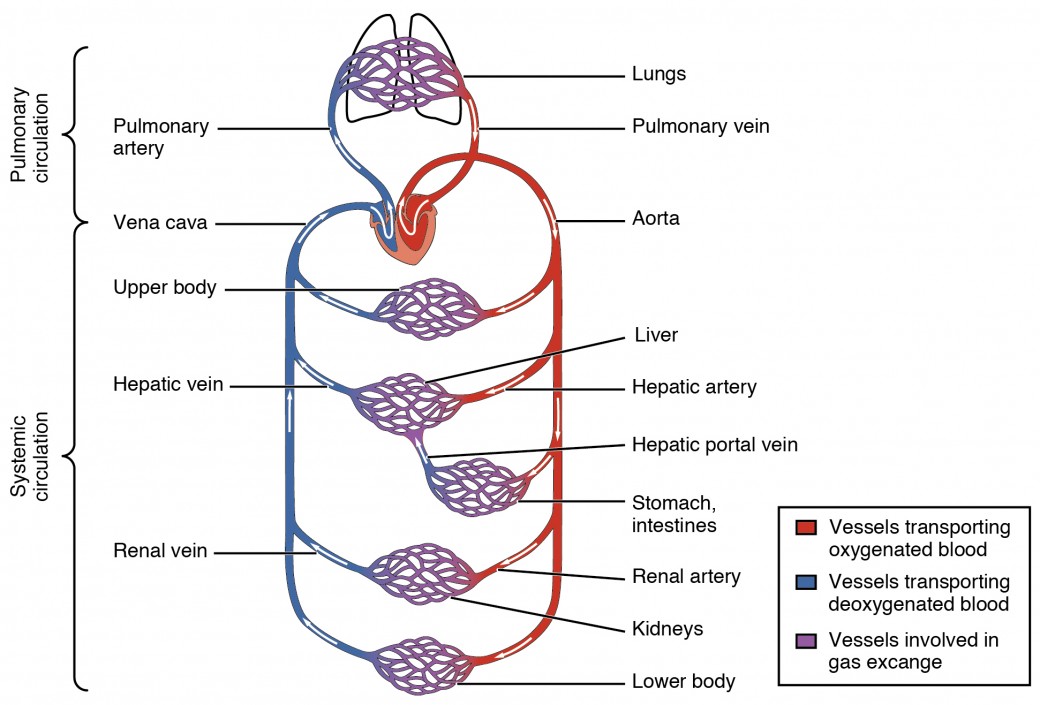
The endothelium—the thin layer of cells lining our blood vessels—is the primary interface between our tissues and the circulating gas. It is not merely a passive barrier; it is a dynamic organ responsible for regulating vascular tone, blood pressure, and gas exchange.
Oxidative stress is a direct threat to endothelial health. Specifically, ROS impair the bioavailability of Nitric Oxide (NO), a critical signaling molecule that keeps blood vessels dilated and prevents blood components from sticking together. When NO levels drop, the result is vasoconstriction and a pro-thrombotic state.
This biochemical shift connects directly to the findings discussed in Blood Platelet Aggregation: The Hematological Frontier of Decompression Stress. When the endothelium is "stressed" by oxidative damage, it becomes more likely to trigger platelet activation. This means that even if you follow your dive computer perfectly, your blood may be more prone to micro-clotting and inflammatory responses due to the biochemical state of your vascular walls.
The Antioxidant Defense System: Natural vs. Supplemental
The human body is equipped with a sophisticated endogenous defense system designed to neutralize free radicals before they can cause damage. Key players include:
- Superoxide dismutase (SOD): An enzyme that breaks down potentially harmful oxygen molecules.
- Glutathione: Often called the "master antioxidant," it protects mitochondria and cellular integrity.
However, the hyperbaric environment is an artificial stressor that our evolutionary biology didn't necessarily account for. During repetitive or high-intensity technical dives, the sheer volume of ROS produced can overwhelm these natural defenses. This has led to the Antioxidant Theory in Diving: the idea that we can "pre-load" our systems with exogenous (supplemental) antioxidants to bolster our internal defenses before we even hit the water.
Vitamin C and E: The Frontline of Prophylactic Research
Among the most studied interventions in diving physiology are Vitamins C and E. A landmark study by Obad et al. investigated whether pre-dive intake of these antioxidants could mitigate post-dive endothelial dysfunction.
The researchers found that divers who took high doses of Vitamin C and Vitamin E before a dive showed significantly less impairment in Flow-Mediated Dilation (FMD)—a key measure of how well blood vessels can expand.
| Nutrient | Type | Synergistic Role |
|---|---|---|
| Vitamin C | Water-soluble | Scavenges radicals in the blood and regenerates spent Vitamin E |
| Vitamin E | Fat-soluble | Protects cell membranes (lipids) from oxidative "rancidity" |
The synergy between these two is vital. Vitamin E sits in the fatty membrane of the cell to stop damage, while Vitamin C stays in the surrounding fluid, "recharging" the Vitamin E so it can continue its protective work. While the dosage protocols in clinical trials (often 2g of Vitamin C and 400 IU of Vitamin E) are much higher than standard daily requirements, they provide a compelling look at how nutritional strategy can influence decompression safety.

Polyphenols and Dark Chocolate: A Diver’s Best Friend?
It sounds like a myth, but science suggests that dark chocolate might actually be a functional "pre-dive" food. Dark chocolate is rich in flavonoids, a type of polyphenol that has been shown to enhance the production of Nitric Oxide in the endothelium.
Research has indicated that consuming flavonoid-rich dark chocolate a few hours before a dive can help maintain vascular flexibility and mitigate the "stiffening" of arteries typically seen after hyperbaric exposure.
Expert Tip: When choosing dark chocolate for its vascular benefits, aim for at least
70%cocoa solids. The sugar and milk in lower-grade chocolate can actually trigger inflammatory responses that counteract the benefits of the polyphenols.
Compared to concentrated supplements, dietary sources like dark chocolate, berries, and green tea offer a complex matrix of phytonutrients that may be more bioavailable and effective at maintaining the "inner environment" of the diver.
The Impact of Aging and Baseline Fitness on Oxidative Load
Not every diver processes oxidative stress in the same way. As we age, our natural production of endogenous antioxidants like glutathione tends to decline. This makes the maturing diver more vulnerable to the biochemical "hit" of a dive, even if their gas management is flawless. This is a crucial consideration discussed in Beyond the Table: How Aging and Fitness Redefine Decompression Theory.
Furthermore, baseline physical fitness plays a massive role in how we handle ROS. Fit divers often have higher levels of baseline antioxidant enzymes and better Heart Rate Variability (HRV). As explored in Heart Rate Variability and Decompression Stress: A New Frontier in Diver Safety, a high HRV indicates a robust autonomic nervous system that can pivot quickly between stress and recovery, potentially processing the oxidative load of a dive more efficiently.
Potential Risks: When Antioxidants Become Pro-oxidants
In the world of biochemistry, more is always better—actually, the "Goldilocks Zone" is real. There is a phenomenon where high doses of antioxidants can flip and become pro-oxidants, actually increasing the amount of damage in the body.
Over-supplementation can also disrupt the body's natural signaling pathways. Our cells use small amounts of ROS as signals to adapt and grow stronger (a process called mitohormesis). If we completely "mop up" every free radical with high-dose supplements, we might prevent our bodies from making their own long-term adaptations to the diving environment.
Furthermore, divers must be cautious with high-dose regimens in the context of CNS oxygen toxicity. While antioxidants are meant to protect cells, they are not a "shield" against the electrical storms in the brain that cause convulsions at high PO2 1. Always consult with a diving physician before starting high-dose protocols, especially if you have underlying health conditions.
Practical Application for the Advanced Diver
How do we translate this complex chemistry into a safer dive day? It starts with a holistic approach to vascular health.
The "Dive-Ready" Vascular Checklist
- Timing: If using antioxidants, consume them
2-3 hourspre-dive to ensure peak plasma levels. - Hydration: Focus on water and electrolyte-rich fluids; avoid excessive caffeine which can cause vasoconstriction 4.
- Diet: Incorporate "Nitric Oxide boosters" like leafy greens, beets, or dark chocolate into your pre-dive meals.
- Conservatism: Use antioxidant theory as an addition to, not a replacement for, conservative gradient factors and slow ascent rates.
Dietary Recommendations
Focus on a "rainbow" diet in the days leading up to a dive trip. The goal is to build a reservoir of various phytonutrients—carotenoids from carrots, anthocyanins from blueberries, and lycopene from tomatoes—to provide a multi-layered defense against the ROS generated by high-pressure oxygen.
Conclusion: The Next Frontier in Diver Safety
The scientific consensus is clear: diving is as much a biochemical event as it is a physical one. While we are not yet at the stage where "antioxidant pills" are a standard part of every diver's kit, the evidence for mitigating oxidative stress is promising.
We are moving toward a future of personalized diving medicine, where safety isn't just about the depth on your computer, but the biochemical markers in your blood. By maintaining our "inner environment" through proper nutrition, fitness, and an understanding of oxidative stress, we can ensure that our bodies are as prepared for the depths as our gear is.
Safe diving isn't just about managing the bubbles you can see on a monitor; it's about managing the chemistry you can't. Stay informed, stay fit, and keep your endothelium happy for a lifetime of exploration.
Further Reading
- Recreational scuba diving: negative or positive effects of oxidative and cardiovascular stress? - PMC
- Supplementation of antioxidants prevents oxidative stress during a deep saturation dive - PubMed
- Frontiers | Nitric Oxide and Oxidative Stress Changes at Depth in Breath-Hold Diving
- Ask DAN: What Is Oxygen Toxicity, and How Can Divers Avoid It? | Scuba Diving