The SS Yongala: Why This Australian Shipwreck Is a Masterclass in Marine Biodiversity

The Ghost of the Great Barrier Reef: An Introduction to the SS Yongala
As you roll off the side of the dive boat into the choppy waters off the coast of Ayr, Queensland, there’s a moment of sensory suspension. The descent begins along a fixed line, a necessary precaution in the pumping currents of the Central Section of the Great Barrier Reef Marine Park. For the first few meters, it’s just endless blue. Then, a massive, dark silhouette begins to materialize from the sandy floor 28 meters below. This is the SS Yongala, a 109-meter steel-hulled steamship that has rested here for over a century.
The Yongala is frequently cited by diving professionals and publications as one of the top 10 dive sites on the planet. But why? While sites like the SS Thistlegorm are famous for their "time capsule" feel—offering glimpses of WWII motorbikes and locomotives—the Yongala offers something entirely different. It is not a museum of human artifacts; it is a biological powerhouse. It is arguably the most concentrated explosion of marine life you will ever witness in a single 40-minute bottom time.
A Tragic History Turned Biological Treasure
The story of the Yongala begins with a tragedy that shook Australia. In March 1911, the luxury passenger ship was en route from Melbourne to Cairns when she steamed directly into a late-season cyclone. All 122 souls on board were lost, and the ship vanished without a trace. For nearly 50 years, the "Ghost of the Great Barrier Reef" remained a mystery, until it was finally identified in 1958.
The wreck sits in a unique geographical position. It lies in the middle of a vast, flat, sandy expanse, miles away from any other reef structure. In the ocean, "nothingness" is a desert, and the Yongala is the only watering hole for miles. This isolation has turned the ship into a biological magnet.
Expert Note: Because the SS Yongala is a grave site and a highly sensitive ecosystem, diving inside the wreck is strictly prohibited. While you might be used to the penetration dives of Chuuk Lagoon, here you stay on the outside, which actually allows you to better appreciate the sheer scale of the life coating every inch of the hull.
The 'Oasis Effect': Why Biodiversity Thrives Here
In marine biology, we often talk about the "wreck effect." Artificial structures provide the three things marine life craves most: surface area for attachment, shelter from predators, and a disruption of currents that creates localized nutrient upwellings.
The Yongala is a masterclass in this phenomenon. The hull is no longer just steel; it is a living tapestry. This foundation is built by marine algae, which provides the primary productivity that fuels the entire food web. Without these "unsung heroes," the soft corals and sea fans wouldn't have the energy to colonize the wreck so aggressively.
| Feature | SS Yongala Specification |
|---|---|
| Ship Length | 109 meters / 358 feet |
| Max Depth | 28 meters / 92 feet |
| Min Depth | 14 meters / 46 feet |
| Current | Moderate to Very Strong |
| Protection | Historic Shipwrecks Act |
The biomass here is staggering. While sites like Cape Kri in Raja Ampat hold world records for the number of species spotted in a single dive, the Yongala rivals them in sheer fish density. Because the ship is a lone structure, the fish don't spread out; they stack up in layers.

The Giants of the Yongala: Megafauna Encounters
If you like "big stuff," the Yongala will ruin you for other dive sites. The most iconic residents are the Queensland Groupers. These aren't your average reef fish; they are the size of a classic Volkswagen Beetle. They are curious, ancient-looking, and often hover near the stern, watching divers with unblinking eyes.
But the giants don't stop there. The Yongala is a highway for apex predators.
- Predator Alley: It is common to see Bull sharks and occasionally Tiger sharks patrolling the perimeter.
- The Hunting Frenzy: Schools of Giant Trevally (GTs) and Spanish Mackerel use the wreck to corner baitfish, creating a chaotic, high-energy environment.
- Seasonal Magic: If you dive between June and August, you might hear the haunting songs of migrating Humpback whales vibrating through your chest. Manta rays and Eagle rays are also frequent fly-bys.

Don't forget to look for the "under-the-ledge" residents. You’ll find Olive Sea Snakes—which are highly venomous but generally docile—spiraling up to the surface for air. You will also see Green and Loggerhead turtles tucked into the hull for a nap. As we’ve discussed in our guide on sleeping sea turtles, it’s vital to give these resting reptiles space so they don't bolt and drown.
A Symphony of Scale: From Bait Balls to Macro Life
Diving the Yongala is often described as swimming through "fish soup." At times, the schools of Fusiliers and Jacks are so thick they block out the sun. You find yourself navigating through impenetrable clouds of silver, only to have them part and reveal the encrusted machinery of the ship.
The Reef Architects
While the big predators get the glory, the health of this ecosystem depends on the grazers. You’ll see various species of Parrotfish scraping away at the wreck. These sand makers keep the algae in check, ensuring that the soft corals have space to grow.
Macro Treasures
Wrecks are only for big fish enthusiasts — actually, the Yongala is a macro photographer's dream if you can look past the sharks.
- Nudibranchs: Dozens of species, including the vibrant Nembrotha, crawl along the coral-encrusted railings.
- Pipefish: Often found hiding in the more protected crevices of the deck.
- Soft Corals: The hull is draped in pink, purple, and orange Dendronephthya corals that pulse with the current.
The Practicalities: Diving a High-Energy Site
The Yongala is not a "beginner" site. Due to its depth and the frequently intense currents, most operators require an Advanced Open Water certification or a minimum of 20 logged dives.
Mastering the Current
The current is what brings the life, but it also makes the dive challenging.
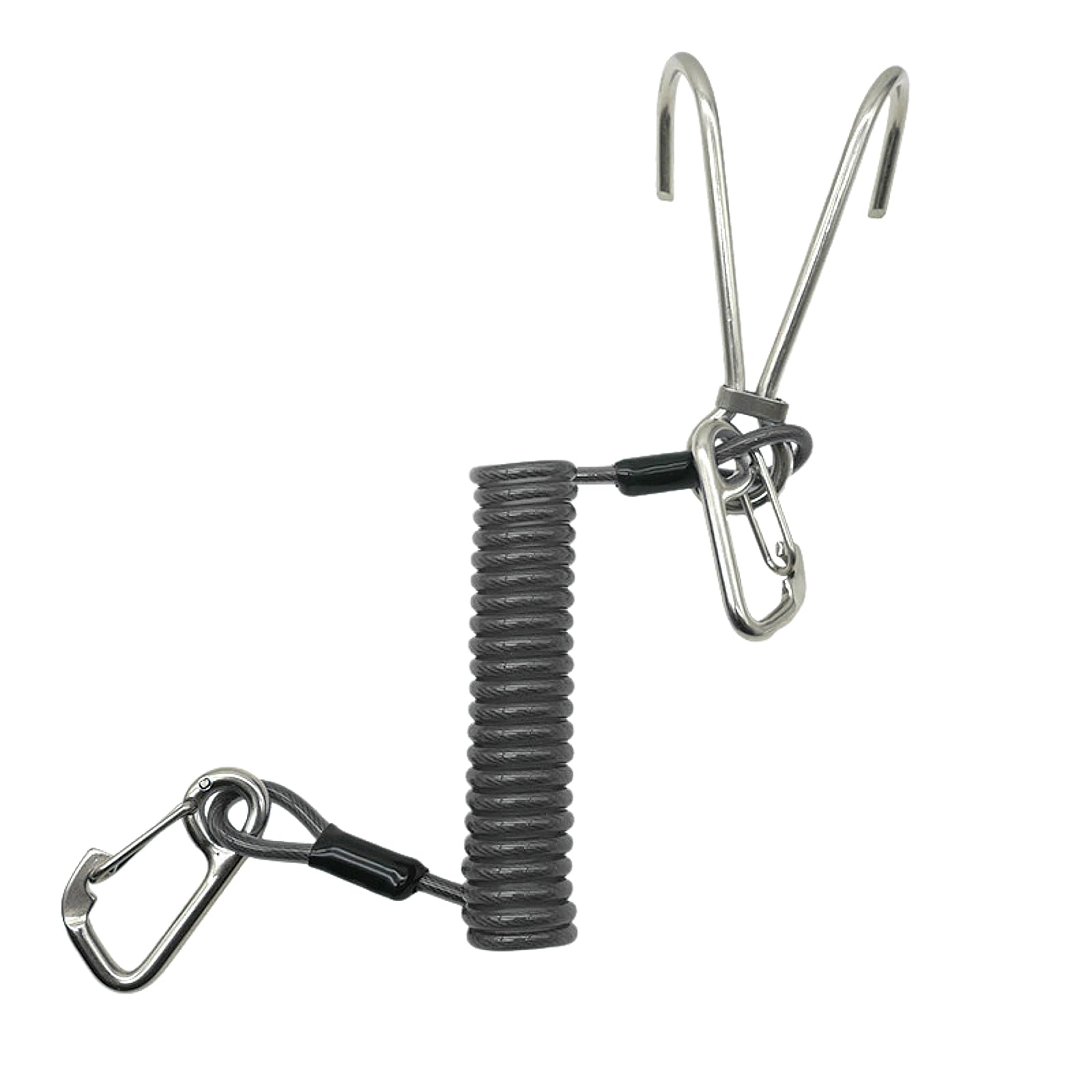
- Negative Entry: You may need to perform a "negative entry" (exhaling and dropping immediately) to avoid being swept off the wreck.
- Use the Shield: The wreck acts as a massive windbreak. If the current is hitting the bow, the stern will be relatively calm.
- Stay Low: Stay close to the hull to minimize drag.
Visibility and Conditions
Unlike the crystal-clear 40m visibility you might find in the Red Sea, the Yongala’s water is "nutrient-rich." This means visibility usually fluctuates between 10m and 25m.
- Stinger Season: Between November and May, you must wear a full-body lycra or wetsuit to protect against Irukandji and Box Jellyfish.
- Cyclone Window: Avoid planning trips in the peak of summer (January–March) when tropical storms are most likely to cause cancellations.
Diver Checklist:
- Advanced Open Water certification card
- Surface Marker Buoy (SMB) - Essential for drifting off the wreck
- Dive computer (Nitrox is highly recommended to extend bottom time)
- Motion sickness medication (the boat ride from Ayr or Townsville can be rough)
Conclusion: The Yongala as a Living Masterclass
The SS Yongala is more than just a shipwreck; it is a testament to the resilience of the ocean. It represents a rare intersection where human tragedy has been reclaimed by nature to create something of staggering beauty. It reminds us that when we leave the ocean alone—protected by law and isolated by geography—it flourishes beyond our wildest imagination.
Whether you are there for the "Volkswagen" groupers, the swirling "fish soup," or the haunting history of the 1911 storm, the Yongala offers a perspective on marine biodiversity that you simply won't find anywhere else. No Australian dive trip is truly complete without this underwater pilgrimage.
Ready to drop in? Make sure your buoyancy is dialed and your camera is charged—the Yongala is waiting.