Diving Chuuk Lagoon: Exploring the World's Greatest WWII Ghost Fleet
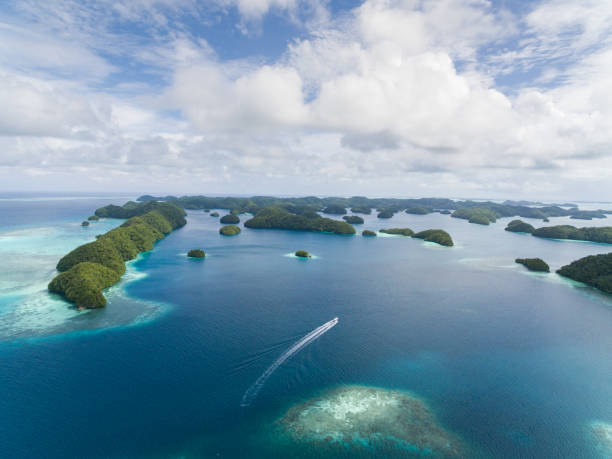
There are places on this planet where time doesn’t just slow down; it stops. Deep in the heart of the Central Pacific, within the sheltered waters of the Federated States of Micronesia, lies a submerged graveyard that serves as the ultimate testament to the scale of World War II. Chuuk Lagoon (formerly Truk Lagoon) is not just a dive destination; it is a haunting, beautiful, and profoundly moving underwater museum.
The Ghost Fleet of Micronesia: An Introduction to Chuuk Lagoon
To dive Chuuk is to descend into the aftermath of Operation Hailstone. In February 1944, the United States launched a massive carrier-based air strike against the Japanese Imperial Fourth Fleet. Over two days, the lagoon was transformed from a strategic stronghold into a scene of absolute devastation. When the smoke cleared, dozens of ships and hundreds of aircraft lay on the seabed.
Today, those vessels have transitioned from instruments of war into the world’s most famous "Ghost Fleet." The eerie, still waters of the lagoon have preserved these wrecks with startling clarity. Unlike the high-energy currents often found in our guide to Diving the SS Thistlegorm, the conditions in Chuuk are often lake-like, allowing for an intimate, somber exploration of history.
Why Chuuk is the Ultimate Wreck Diving Pilgrimage
While we often praise the Red Sea for its accessibility, Chuuk Lagoon operates on a completely different scale. If the Thistlegorm is a single time capsule, Chuuk is an entire submerged city.
- The Density: There are over 50 major shipwrecks and 250 aircraft concentrated within a single lagoon.
- The Diversity: You aren’t just looking at cargo ships. You’ll find destroyers, submarines, tugboats, and even "Emily" flying boats.
- The Preservation: Because the lagoon is protected from heavy ocean swells, the artifacts—from telegraphs to medicine bottles—remain exactly where they fell eight decades ago.
| Feature | Chuuk Lagoon | SS Thistlegorm |
|---|---|---|
| Number of Wrecks | 50+ Ships / 250+ Planes | 1 Major Wreck |
| Primary Depth | 15m to 60m |
18m to 30m |
| Water Temp | 28°C - 30°C |
22°C - 28°C |
| Key Artifacts | Tanks, Zeros, Human remains | Motorcycles, Locomotives |
Descending into History: The Fujikawa Maru
If you only have time for one dive (though you’ll want fifty), the Fujikawa Maru is the undisputed crown jewel. Often referred to as the "Kimigayo Maru" in older logs, this 132-meter armed aircraft transport sits upright in about 30 meters of water, making it accessible to most recreational divers.
The bow gun, encrusted in vibrant sponges and soft corals, is the most photographed spot in the lagoon. However, the real magic lies in Hold 2. As your eyes adjust to the dim light, you’ll see the skeletal remains of several Mitsubishi A6M Zero fighter planes. The wings are still intact, and you can peer into the cockpits where pilots once sat.
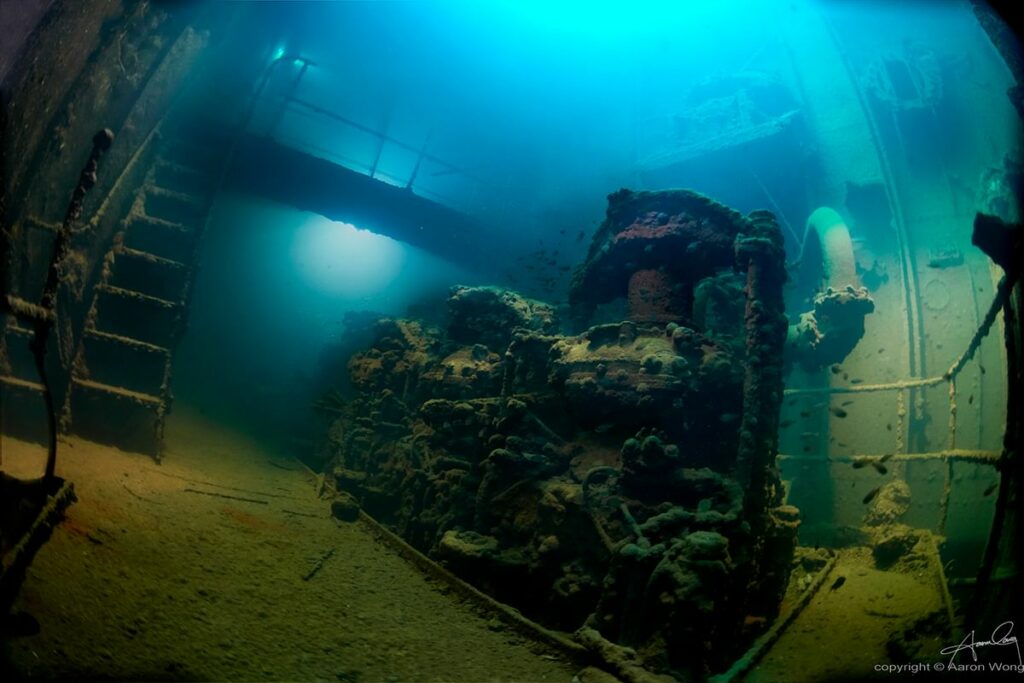
What makes the Fujikawa so special is the contrast. The cold, hard steel of the ship has been completely overtaken by a riot of life. Massive sea fans stretch out from the masts, and schools of glassfish shimmer in the engine room like living sparks.

The Deep Challenge: Exploring the San Francisco Maru
For those with the training and the nerves, the San Francisco Maru—known as the "Million Dollar Wreck"—is the ultimate objective. This wreck sits much deeper, with the deck at 45 meters and the hold floor reaching 60 meters.
Expert Advice: This is not a dive for the casual enthusiast. At these depths, narcosis is a real factor, and your bottom time is extremely limited. Always ensure you are monitoring your
NDL(No-Decompression Limit) and gas consumption closely. If you’re fuzzy on these terms, check out our Dive Computer Demystified guide.
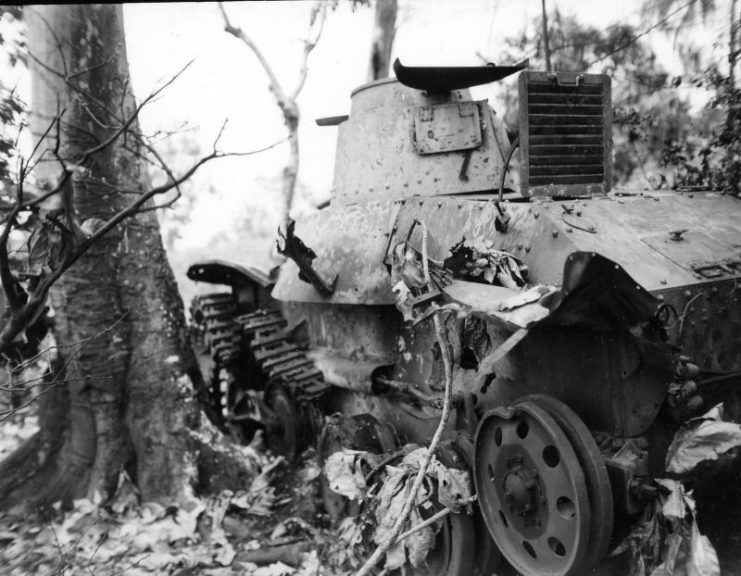
The highlight here is the cargo. Perched on the deck are three Type-95 Ha-Go light tanks. Seeing these armored vehicles, still positioned as if ready for deployment, is a surreal experience. Deep in the holds, you’ll find stacks of hemispherical mines and crates of cordite. It is a reminder that these ships were floating powder kegs.
Haunting Artifacts: The Human Element of the Ghost Fleet
What separates Chuuk from other wreck sites is the presence of the "Human Element." These are not just ships; they are war graves.
- The Bone Room: In certain wrecks, such as the Yamagiri Maru, the remains of crew members are still visible. It is a sobering experience that demands a high level of respect and silence.
- Everyday Life: You will see stacks of porcelain "rising sun" dishes, sake bottles, gas masks, and even leather shoes.
- The Ethical Code: It is strictly forbidden to remove any artifact from the lagoon.
"Take only pictures"is not just a suggestion here—it is the law. The preservation of these sites depends entirely on the integrity of the diving community.
Mastering the Wreck: Skills and Gear for Chuuk
Diving inside a shipwreck is a specialized skill. The interiors of the Chuuk wrecks are filled with "silt"—fine particulate matter that, if disturbed, can reduce visibility to zero in seconds.
- Buoyancy Control: You must be able to hover effortlessly. Avoid "bicycle kicking" at all costs. For a refresher on the gear that helps you stay level, see our BCD Basics guide.
- Lighting: A primary light and a backup are mandatory. The engine rooms are pitch black, and you’ll need a high-lumen beam to see the true colors of the artifacts.
- Frog Kicking: Practice this technique to keep your fins away from the floor and ceiling.
- Certifications: While Open Water divers can see the tops of some wrecks, an Advanced Open Water and Wreck Specialty certification are highly recommended to truly explore the holds.
Beyond the Metal: Marine Life in the Lagoon
While the wrecks are the main draw, the lagoon's ecosystem is a testament to nature's resilience. The ships have become artificial reefs that support a staggering amount of biodiversity.
- The Big Stuff: Resident grey reef sharks and blacktips often patrol the outer hulls of the wrecks, especially near the channel entrances.
- The Small Stuff: For macro lovers, the rusted rivets and coral-encrusted railings are home to nudibranchs, pipefish, and the occasional flamboyant cuttlefish.
- Vertical Migration: If you find yourself on a night dive, you might witness the "daily commute" of deep-sea life moving toward the surface, a phenomenon we’ve covered in The Deep Sea's Daily Commute.
Planning Your Expedition to Chuuk
Chuuk is remote, and planning is essential. You have two primary options for your base of operations:
Liveaboard vs. Land-based
| Base Type | Pros | Cons |
|---|---|---|
| Liveaboard | More dives per day, access to outer wrecks, "all-inclusive" feel | More expensive, less interaction with local culture |
| Land-based | Cheaper, supporting local economy, explore the islands | Longer boat rides to sites, limited to 2-3 dives/day |
When to Go
The best time to visit is during the "dry" season from December to April. During this window, visibility is at its peak (often 30m+), and the lagoon surface is calm. However, Chuuk is a year-round destination; just be prepared for tropical rain squalls in the summer months.
Getting There
Most divers fly into Weno (TKK) via United Airlines’ "Island Hopper" service from Guam or Honolulu. It is a long journey, but the moment you submerge and see the silhouette of a massive Japanese freighter rising from the blue, every mile traveled becomes worth it.
Chuuk Lagoon is a place that changes you. It is a reminder of the fragility of human constructs and the enduring power of the ocean. Whether you are a history buff, a tech diver, or a photographer, the Ghost Fleet of Micronesia belongs at the very top of your bucket list.
Ready to gear up for your next big expedition? Check out our latest reviews on Budget-Friendly BCDs to ensure you have the right kit without breaking the bank!