Diving the SS Thistlegorm: A WWII Time Capsule Beneath the Red Sea

A Descent Into History: Why the SS Thistlegorm is the Holy Grail of Wreck Diving
There are wrecks, and then there is the SS Thistlegorm. In the world of scuba diving, few names carry as much weight or evoke as much awe. Resting at the bottom of the Red Sea near the Straits of Gubal, this 128-meter British freighter isn't just a dive site; it is a submerged museum, a frozen moment in time from the height of World War II.
What sets the Thistlegorm apart is the "Time Capsule" effect. Unlike many wrecks that are stripped of their contents or sunk intentionally as artificial reefs, the Thistlegorm went down fully loaded. She was carrying the lifeblood of the Allied North African campaign: trucks, motorcycles, rifles, and even locomotives. When you descend through the blue and the massive silhouette of the bow comes into view, you aren't just looking at rusted steel—you are witnessing a piece of history that was never meant to be seen again.
I still remember my first descent onto her decks. Even for a seasoned diver, the sheer scale is overwhelming. At 128m long, the ship seems to stretch endlessly into the gloom. Standing—or rather, hovering—on the deck, you realize that you are a tiny visitor in a massive, tragic theater of war. It’s a humbling experience that stays with you long after you’ve off-gassed your nitrogen.
The Night the Lights Went Out: The Tragic History of October 6, 1941
To truly appreciate the Thistlegorm, you have to understand why she was there. In 1941, the British freighter was part of a convoy destined for Alexandria, Egypt. Her mission was critical: deliver supplies to the 8th Army, which was struggling against the Axis forces in North Africa. Due to a collision blocking the Suez Canal, the Thistlegorm was ordered to "Safe Anchorage F" near Sha'ab Ali.
She sat there for two weeks, a sitting duck. On the night of October 6, 1941, two German Heinkel He 111 bombers, flying out of Crete, spotted the shadow of the massive vessel in the moonlight. They dropped two armor-piercing bombs that struck Hold 4, which was packed with ammunition. The resulting explosion was so violent it literally ripped the stern off and tossed two massive steam locomotives into the air like toys.
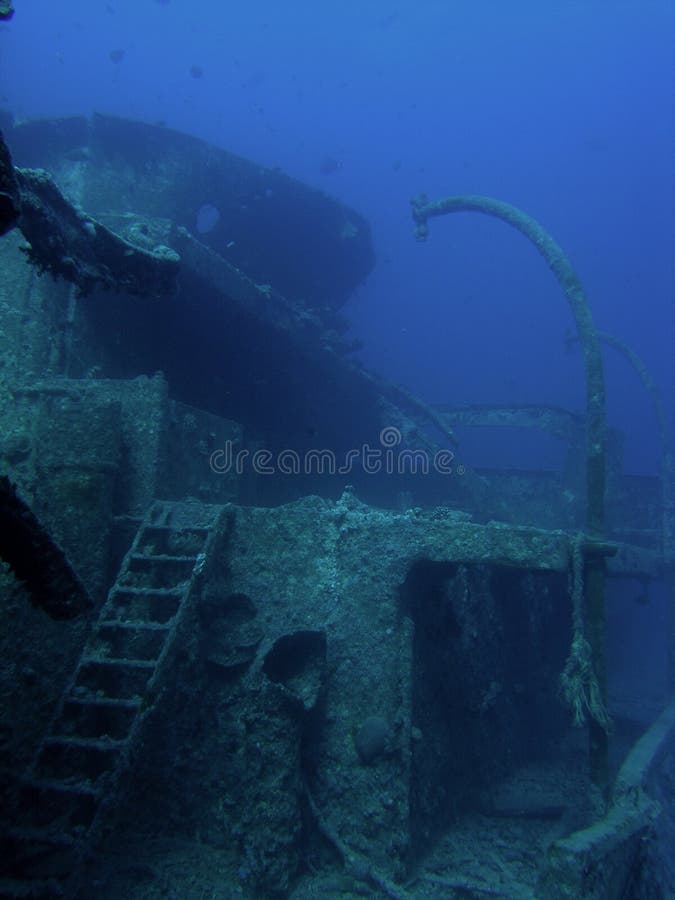
The ship sank in minutes, taking nine brave crew members with her. She remained hidden until the legendary Jacques Cousteau discovered her in the 1950s. Interestingly, he kept the location a secret, and it wasn't until the early 1990s that she was "rediscovered" by recreational divers. Today, she is widely considered the best wreck dive in the world.
Exploring the Cargo: Motorbikes, Trucks, and Steam Locomotives
The real magic of the Thistlegorm lies within her holds. Swimming through the interior of the ship feels like a slow-motion tour of a 1940s military depot.
Holds 1 and 2: The Automotive Graveyard
As you penetrate Hold 1 and 2, your dive light will reveal rows of Bedford trucks and Morris automobiles. But the real stars are the BSA M20 motorcycles. They are stacked in the back of the trucks, their tires still recognizable, their frames encrusted with a light layer of silt and marine growth. It is an eerie, beautiful sight that requires excellent buoyancy to navigate without disturbing the "dust" of history.
The Small Details
It’s not just the big machinery that fascinates. If you look closely, you’ll see:
- Lee-Enfield rifles stacked in crates.
- Spare aircraft parts (wings and engines).
- Piles of rubber Wellington boots—a surreal reminder of the men who once walked these decks.
The Blast Site and the Locomotives
The area near the stern is a testament to the violence of the explosion. The wreckage here is twisted and mangled. On the seabed nearby lie the two Stanier Class 8F steam locomotives. Despite being thrown clear of the ship, they remain upright, looking like they are waiting for tracks that will never come.
| Feature | Description | Depth |
|---|---|---|
| Bow Section | Intact and upright, home to the anchor winch | 16m |
| Hold 2 | Contains the famous BSA motorbikes | 24m |
| Blast Site | Mangled steel and ammunition crates | 28m |
| Locomotives | Steam engines resting on the sand | 30m |
| Stern / Propeller | Tilted at an angle, massive bronze prop | 32m |
The Resident Guardians: Marine Life on the Wreck
While the history is the draw, the biology is the bonus. Over the decades, the SS Thistlegorm has become a thriving artificial reef. The structure provides a massive surface area for coral growth, which in turn attracts a dizzying array of life.
You will likely encounter "The Residents":
- Giant Moray Eels: Often found tucked into the pipes and crevices of the deck.
- Schools of Batfish: They tend to hang out in the current near the masts, following divers like curious puppies.
- Crocodilefish: Perfectly camouflaged against the rusted metal of the deck.
The location of the wreck at Sha'ab Ali is no accident. It sits in a high-energy area where deep-sea currents bring nutrient-rich waters to the surface. This is a prime example of how local geography influences marine behavior, much like the vertical migration we see in the open ocean. The currents here act as a conveyor belt of food, supporting massive schools of trevally and barracuda that hunt around the wreck.
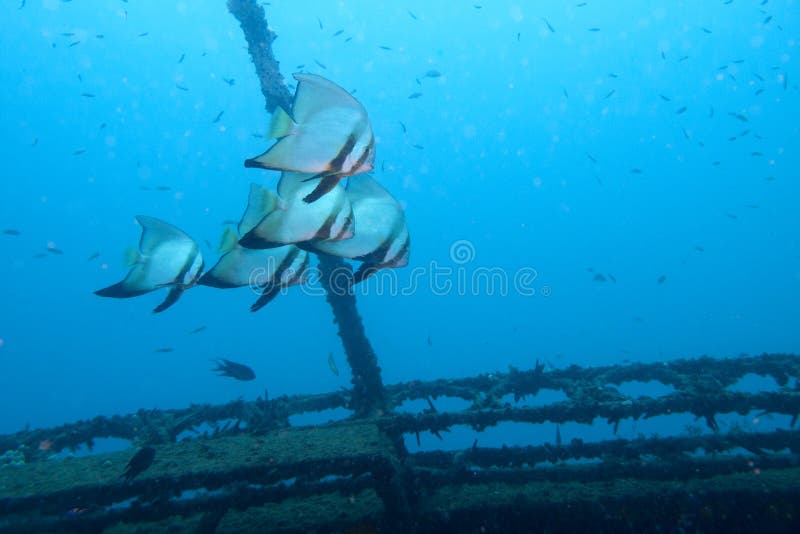
Pro Tip: Keep an eye out for the resident Hawksbill turtle. She is often seen munching on soft corals near the bow. Remember, while she might seem friendly, reef fish use their teeth for specific purposes, and it’s best to observe her from a distance to avoid disrupting her meal.
Navigating the Depths: Conditions and Dive Logistics
Diving the Thistlegorm is not a "walk in the park." It is a challenging dive that requires respect and preparation.
- The Currents: The Straits of Gubal are notorious for ripping currents. Often, you will have to use the mooring lines to pull yourself down to the wreck (a "negative entry" is common here).
- Buoyancy is King: Inside the holds, the space is tight. If you kick up the silt, you’ll ruin the visibility for yourself and everyone behind you.
- Depth Profile: The wreck sits between
16mand32m. This puts you right at the edge of recreational limits.
You can see the whole wreck in one dive — False. Because of the size and the depth, you need at least two dives (often three) to truly see the Thistlegorm. Usually, the first dive focuses on the exterior and the bow, while the second dive is dedicated to penetrating the cargo holds.
Nitrox (EANx) is highly recommended. Using Enriched Air will significantly increase your allowable bottom time, which is precious when you are trying to photograph the motorbikes at 24m.
Essential Gear for the Red Sea
To get the most out of this WWII time capsule, you need the right kit.
Thermal Protection
Don't let the Egyptian sun fool you. While the surface is hot, doing 3 or 4 dives a day in the Red Sea can lead to significant heat loss. Since the Thistlegorm involves long periods of limited movement while exploring holds, you’ll want a suit that keeps your core warm. Check out our guide on decoding wetsuit thickness to see how infrared technology proves where you lose heat most.
Lighting the Darkness
The cargo holds are dark. To see the details of the Bedford trucks or the Lee-Enfield rifles, a powerful primary dive light is essential. I recommend a light with a wide beam for the holds and a tighter spot for looking into crevices.
Your Personal Basics
For a dive this technical, you want gear you trust. Having your own mask and computer is non-negotiable for me. If you’re just starting to build your kit, look at our 5 essential gear must-haves to ensure you aren't relying on rental gear that might fail when the current picks up.
- Dive Computer: Set for Nitrox if applicable.
- High-Lumen Torch: With a lanyard to prevent loss.
- DSMB (Delayed Surface Marker Buoy): Mandatory for the currents at Sha'ab Ali.
- Compass: The wreck is huge; knowing your orientation is key.
Responsible Wreck Diving: Preservation and Safety
The SS Thistlegorm is a grave site and a historical monument. It is our responsibility as divers to ensure she remains intact for the next generation.
- Look, Don't Touch: The salt water is already doing enough damage; the oils from human skin can accelerate the degradation of the artifacts.
- Manage Your Bubbles: When penetrating the holds, try to avoid exhaling directly into "pockets" in the ceiling, as trapped air can cause rapid corrosion of the steel.
- Silt Management: Use the "frog kick" to keep your fins away from the floor. A "silt-out" inside a wreck is a serious safety hazard that can lead to disorientation.
:max_bytes(150000):strip_icc():format(webp)/1.StartFinal-56a8460c5f9b58b7d0f1e98e.jpg)
The Thistlegorm is more than just a checkmark on a bucket list. It is a haunting, beautiful, and exhilarating journey into the past. It challenges your skills as a diver and rewards you with a connection to history that no book or movie can replicate. If you have the chance to visit the Red Sea, don't miss the opportunity to pay your respects to this grand lady of the deep.
Ready to gear up for your next adventure? Whether you're hunting for elusive cephalopods or exploring the crabs of the Caribbean, Pro Dive Vibes has the gear guides and site reviews to get you there safely. Dive in!