Surviving the Chaos: My Honest Review of South Africa's Intense Sardine Run

The Ultimate Marine Mayhem: Why I Had to Experience the Sardine Run
The air on South Africa's Wild Coast doesn't just feel cold; it tastes like salt, adrenaline, and pure, unfiltered ocean energy. Standing on the black-sand shore of Port St. Johns, watching 8-foot gray swells smash against the towering cliffs, I realized this was miles away from the gentle, sun-drenched reef dives of the Caribbean. The Indian Ocean here is a living, breathing beast, characterized by wild currents, temperate waters ranging from 15°C to 19°C, and a sense of scale that makes you feel incredibly small.
As a diver who has traveled the globe in search of high-octane underwater thrills, I thought I had seen it all. I had wrestled with the ripping, washing-machine currents while Surviving the Current at Komodo’s Crystal Rock and hooked into the deep walls of Blue Corner Palau. Those are legendary drift dives, but they are structured, predictable affairs compared to the absolute anarchy of the Sardine Run.
This isn't a dive where you follow a divemaster's neon fins along a static reef. It is a full-scale, blue-water marine safari. You are tracking a moving target—billions of South American pilchards (Sardinops sagax) migrating northward along the coast—and the predators that follow them. It is chaotic, exhausting, and entirely unscripted.
Beyond the Hype: What the Sardine Run is Really Like Day-to-Day
If you have watched nature documentaries, you probably think the Sardine Run is an endless loop of massive bait balls, swirling sharks, and breaching whales. In our comprehensive guide, The Sardine Run Chronicles, we dove deep into the biological marvel of this migration. But let’s bust a major myth right now: the action is constant and effortless. The reality of the daily grind is a test of physical and mental endurance.
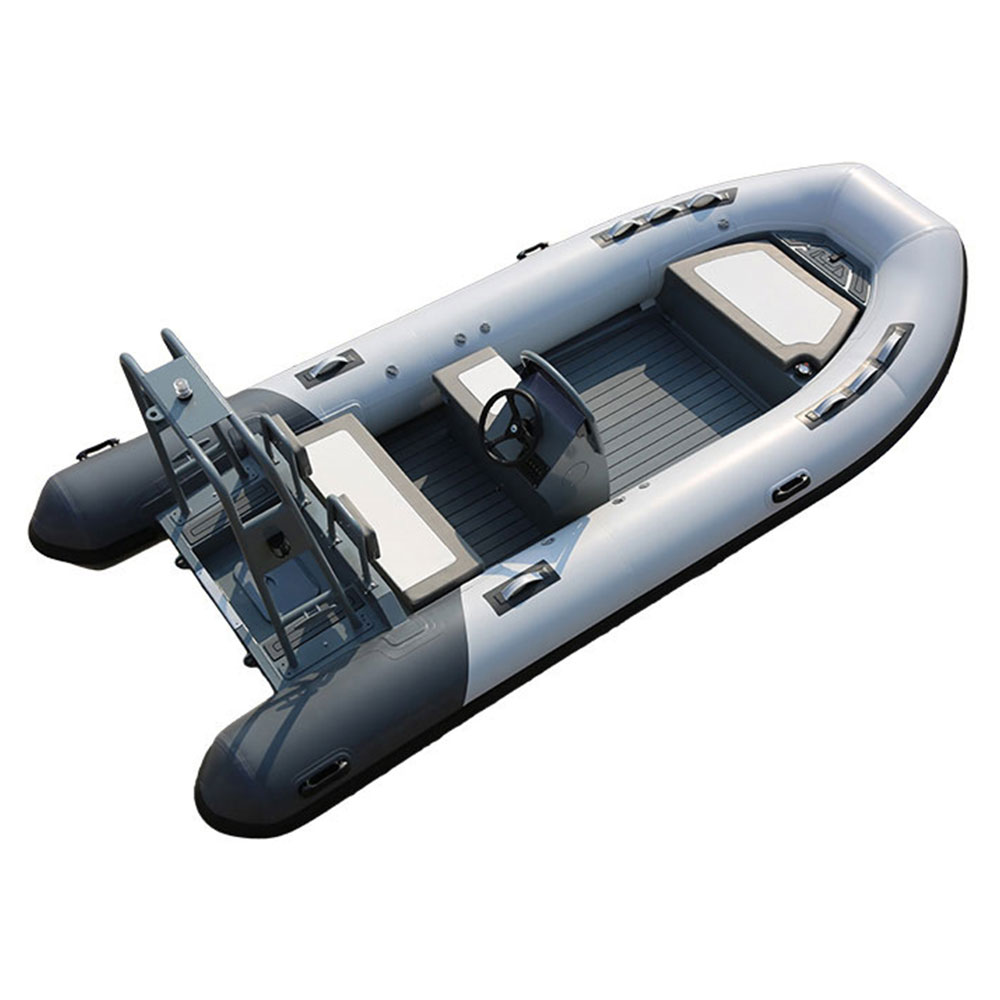
Your day starts at dawn. The most physically demanding part of the expedition happens before you even put a regulator in your mouth: the surf launch. To get out into the open ocean, you must board a 8-meter Rigid Inflatable Boat (RIB), strap your feet into the floor webbing, hold onto the safety ropes with a white-knuckled grip, and crash directly through breaking head-high surf. It is a roller-coaster ride that will leave you soaked and bruised before breakfast.
Once you clear the breakers, the real work begins. You will spend anywhere from 6 to 8 hours a day sitting on the hard rubber pontoons of the RIB. Your eyes will scan the horizon, looking for telltale signs of activity: a sudden flurry of white water, a pod of common dolphins leaping in unison, or Cape gannets raining down from the sky.
| Feature | Standard Reef Dive | Sardine Run Expedition |
|---|---|---|
| Daily Boat Time | 1 to 2 hours |
6 to 8 hours |
| Water Entry | Controlled giant stride | Rapid negative backward roll |
| Primary Depth | 18 to 30 meters |
Snorkel or shallow 5 to 10 meters |
| Predictability | High (static reef) | Extremely low (nomadic wildlife) |
| Physical Demand | Low to moderate | Extremely high |
You will put your gear on and take it off multiple times a day. You will get cold, you will get seasick, and you will ask yourself why you paid thousands of dollars to sit in the freezing wind. But when the skipper finally yells those magic words, all the discomfort vanishes in an instant.
Further Reading
- Chasing the Greatest Shoal on Earth: The Sardine Run, Through My Eyes and the Science
- Photographing the Sardine Run in South Africa Changed My Life | PetaPixel
- Sardine Run Chaos | Massive Sardine Shoal Under Attack | Sharks and Game Fish Feeding Frenzy - YouTube
- This brutal “feeding frenzy” is more than 7km long and only lasts 20 minutes – and scientists aren’t sure why it happens | Discover Wildlife