Loading...
marine-life#sea turtle sleep behavior#turtle sleeping in crevices#marine reptile biology
Under the Ledge: The Fascinating Biology of Sleeping Sea Turtles and How to Respect Their Rest
Pro Dive Vibes
March 25, 202610 min read
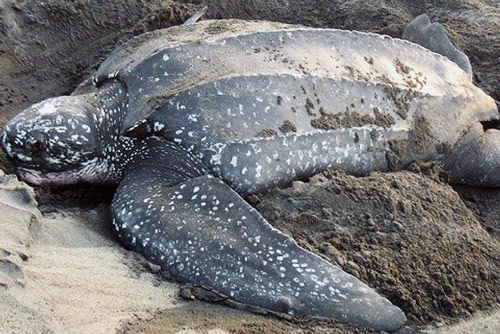
There is a specific kind of magic that happens during a reef dive when the frantic movement of the day begins to settle. You’re gliding along a limestone wall, your buoyancy dialed in, when you spot a familiar silhouette tucked deep into a rocky overhang. At first, it looks like a mossy boulder, but then you see the rhythmic, slow pulse of a flipper and the unmistakable pattern of a scute. You’ve found a sea turtle "tucked in" for the night.
Spotting a sleeping turtle is one of the most serene experiences a diver can have. Unlike the active, foraging individuals we see mid-water, a sleeping turtle is a study in stillness. But have you ever wondered why they don't just rest on the soft sand? Or how a creature that breathes air can stay submerged for hours without drowning?
In this guide, we’re going deep into the biology of the "ultimate reef nap." We’ll explore the metabolic magic that allows turtles to hold their breath for half a workday, the tactical reasons they choose specific crevices, and the critical etiquette every diver must follow to ensure these ancient mariners get the rest they need to survive.
The Science of the Slow-Down: How Turtles Breathe While Dreaming
To understand how a turtle sleeps, we have to look at their incredible reptilian physiology. Unlike humans, who are "obligate breathers" (we breathe without thinking), turtles are voluntary breathers. They have to make a conscious decision to surface for air. When it’s time to sleep, their body undergoes a transformation that would be a medical emergency for a human.
Metabolic Magic and Bradycardia
When a sea turtle settles down for a long rest, it triggers a physiological state known as bradycardia. This is the significant slowing of the heart rate to conserve oxygen. While an active turtle’s heart might beat 20-30 times per minute, a sleeping turtle can drop that rate to a single beat every few minutes.
By lowering their metabolic rate, they reduce their body's demand for oxygen to a fraction of its normal level. This allows them to stay submerged for anywhere from 4 to 7 hours in ideal conditions.
Aerobic vs. Anaerobic Rest
In the beginning of their sleep cycle, turtles utilize the oxygen stored in their blood and lungs (aerobic respiration). However, as the nap progresses, they can shift into anaerobic metabolism. This means their tissues continue to function even as oxygen levels drop, producing lactic acid as a byproduct. Turtles have a high tolerance for this acidity, but it comes at a cost: after a long anaerobic stint, they need a significant period of basking or active breathing to "repay" their oxygen debt.
Buoyancy and Lung Mechanics
One of the most fascinating aspects of turtle sleep is how they manage their buoyancy. A turtle with full lungs is naturally buoyant. To keep from floating out of their crevice like a rogue balloon, they must carefully regulate the volume of air in their lungs. This relates closely to the concepts we explored in Surfactants and the Scuba Diver, where we discussed how surface tension and lung stability are vital for gas exchange. For the turtle, their lungs act as both a scuba tank and a BCD; they must find the "goldilocks" amount of air that provides enough oxygen but doesn't make them too light to stay tucked under their ledge.
Crevices as Fortresses: Avoiding the Midnight Shift
You’ll rarely find a sea turtle sleeping in the middle of a flat sandy patch. Instead, they seek out "bunkers"—deep crevices, ledges, and caves within the reef structure. This isn't just for comfort; it’s a high-stakes survival strategy.
Defense Against Apex Predators
The primary reason for "tucking in" is protection from predators, specifically large sharks. As we discussed in our guide to Shark Body Language, species like Tiger Sharks are formidable hunters with powerful jaws. However, a shark's size and lack of a reverse gear make it nearly impossible for them to reach a turtle wedged deep into a coral head. By placing their vulnerable soft parts (neck and flippers) deep into the rock and leaving only their hard shell exposed, turtles become virtually untouchable.
Navigating the Midnight Shift
The reef changes character at night. In The Midnight Shift, we detailed how nocturnal hunters use the cover of darkness to find prey. Turtles, being primarily diurnal or crepuscular (active during the day or twilight), are at a disadvantage in the dark. Their crevices act as a physical shield against the chaotic hunting energy of the night reef.
Anchoring Against the Current
The ocean is rarely still. Without a physical anchor, a sleeping turtle could easily be swept away by a tidal current or surge, waking up miles from their home territory. By wedging their carapaces (top shells) against the roof of a ledge, they use friction to "lock" themselves in place.

Home Sweet Hole: Do Turtles Have Favorite Bedrooms?
Marine biologists have observed a fascinating behavior in sea turtles known as site fidelity. It turns out that turtles aren't just looking for any hole; they often have a "favorite" bedroom they return to night after night, sometimes for years.
| Feature | Green Turtle | Hawksbill Turtle | Loggerhead Turtle |
|---|---|---|---|
| Sleep Location | Deep reef ledges | Tight coral crevices | Shipwrecks/Caves |
| Depth Preference | 10m - 25m |
5m - 20m |
15m - 40m |
| Social Behavior | Occasionally group | Usually solitary | Highly solitary |
| Site Fidelity | Very High | High | Moderate |
The Social Hierarchy of Sleep
Is there a "best" bed on the reef? Observations suggest there might be. Prime real estate—spots that are deep enough to hide in but close enough to the surface for a quick ascent—are highly coveted. Larger, older turtles often claim the best spots, leaving smaller juveniles to find less-protected "overflow" housing.
The Spa Before Bed: Cleaning Stations and Pre-Sleep Rituals
Before a turtle settles in for its long winter's... well, night's... nap, it often undergoes a rigorous cleaning ritual. Just as we might brush our teeth before bed, turtles visit the reef's local service providers.
As detailed in The Reef’s Spa Day, cleaning stations are neutral zones where predators and prey coexist for the sake of hygiene. Turtles will hover at these stations, allowing Tangs and Wrasses to pick off algae, parasites, and loose skin.
Expert Tip: If you see a turtle hovering near a specific coral head with several small fish darting around its shell, it’s at a cleaning station. This is a great time to observe from a distance, as the turtle is often very relaxed during this "spa treatment."
Removing these hitchhikers isn't just about comfort; it's about hydrodynamics. A clean shell reduces drag, which is vital if the turtle needs to make a high-speed escape from a predator upon waking.
The High Cost of a Wake-Up Call: Why Disturbance is Dangerous
This is the most critical part of understanding turtle sleep. To a diver, a sleeping turtle looks peaceful. To the turtle, being woken up by a diver is a life-threatening emergency.
The 'Fight or Flight' Metabolic Spike
When a turtle is startled awake, its heart rate doesn't just return to normal—it skyrockets. This sudden surge of cortisol and adrenaline forces the body back into high-gear metabolism instantly. Because the turtle has been in a low-oxygen state, this "panic mode" rapidly consumes whatever oxygen is left in its blood and tissues.
The Danger of Emergency Surfacing
A startled turtle's first instinct is to flee toward the surface for air. This presents two major risks:
- Exhaustion: If the turtle has been sleeping for hours, its blood may be high in lactic acid. A frantic swim to the surface can cause muscle failure or extreme exhaustion.
- Lung Overexpansion: Just like a diver, a turtle must manage the air in its lungs. While they are naturally adapted to pressure changes, an uncontrolled, panicked ascent can lead to physical trauma.
"It’s just one photo, I’m not hurting him." — This is a dangerous myth. Even if the turtle doesn't swim away, the internal stress of being "cornered" by a diver can disrupt its metabolic recovery and force it to surface prematurely, leaving it vulnerable to surface predators like boats or sharks.

Diver Etiquette: How to Observe Without Disturbing
We want you to enjoy the sight of a sleeping turtle, but we want the turtle to survive the encounter. Follow this checklist to be a responsible reef visitor:
- Maintain a
3-meter (10-foot)minimum distance. Never get close enough that the turtle feels the need to track your movement. - Keep your lights off the face. If you are on a night dive, never shine your primary beam directly into a turtle's eyes. Use the "halo" or edge of your light to see, or use a red filter.
- Do not block the exit. Always ensure the turtle has a clear, unobstructed path to the open water and the surface. Never "box" a turtle into its crevice.
- Check your bubbles. Try not to exhale directly under a ledge where a turtle is sleeping. The noise and sensation of bubbles hitting their shell can be very startling.
- Limit your time. Observe for a few minutes and then move on. Your presence, even if quiet, is a potential stressor.
Reading the Signs of Stress
How do you know if you're too close? Watch for these "pre-wake" signs:
- The "Eye-Roll": The turtle opens one eye and begins tracking you.
- Flipper Shuffling: The turtle begins to shift its weight or un-wedge its flippers.
- Head Lifting: If the turtle lifts its head from the rock, you have already disturbed its rest. Back away immediately.
Protecting the Reef's Sleepers for Future Generations
As divers, we are more than just tourists; we are citizen scientists and guardians of the blue. Every time you choose to respect a sleeping turtle's space, you are contributing to the health of the reef. Sea turtles play a vital role in the ecosystem, from maintaining seagrass beds to controlling sponge populations—tasks they can't perform if they are too exhausted or stressed to function.
The next time you find a turtle "tucked in" under a ledge, take a moment to appreciate the incredible biological feat happening right in front of you. Witness the slow-motion heartbeat, the perfect buoyancy, and the ancient wisdom of a creature that has been napping on reefs since the time of the dinosaurs.
Enjoy the wonder, take nothing but pictures (from a distance!), and leave nothing but bubbles. The reef's sleepers thank you.
Ready to see more reef residents in action? Check out our guide to Parrotfish: The Reef's Most Important Architects to see who's busy making sand while the turtles sleep!