Budget-Friendly Buoyancy: Choosing Your First BCD on a Tight Budget

Introduction: Diving In Without Draining Your Wallet
A Buoyancy Compensator Device (BCD) is arguably one of the most essential pieces of scuba diving equipment. It provides buoyancy control, allowing you to ascend, descend, and maintain neutral buoyancy with ease. Crucially, it also provides a stable platform for your tank and a comfortable fit while underwater.
The cost of scuba diving gear can be a significant barrier for beginners. Between masks, fins, regulators, and dive computers, the expenses can quickly add up. A BCD is a non-negotiable piece of equipment, but finding one that's both reliable and affordable can feel like a daunting task.
This blog post aims to guide you through the process of choosing a budget-friendly BCD without compromising on safety or performance. We'll explore the different types of BCDs, key features to consider, and some top recommendations for divers on a tight budget.
Understanding the Basics: What is a BCD and Why Do You Need One?
A BCD serves several critical functions. First and foremost, it provides buoyancy control. By inflating or deflating the air bladder, you can adjust your buoyancy to compensate for changes in depth, suit compression, and the weight of your tank as it empties.
Secondly, the BCD stabilizes your tank, preventing it from shifting and making your dive more comfortable. It also acts as a comfortable platform, distributing the weight of the tank across your back and shoulders.
Key features of a BCD include:
- Inflator/Deflator Mechanism: This allows you to add or release air from the bladder.
- Dump Valves: These valves allow you to quickly release air from the bladder in various positions.
- Straps and Buckles: These ensure a secure and comfortable fit.
- Tank Band: This secures the tank to the BCD.
There are three main types of BCDs: jacket-style, back-inflate, and hybrid. Each has its own advantages and disadvantages, which we'll explore in more detail below.
Proper fit and comfort are paramount for safety and enjoyment. A poorly fitting BCD can be uncomfortable, restrict movement, and even compromise your ability to control your buoyancy effectively.
Types of BCDs: Pros and Cons for Budget Divers
Jacket-Style BCDs
-
Description: In a jacket-style BCD, the air bladder surrounds the diver, similar to a life jacket.
-
Pros: Jacket-style BCDs are generally the most affordable option. They are also familiar to beginners due to their intuitive design and provide excellent stability on the surface.
-
Cons: Some divers find jacket-style BCDs bulky underwater, which can create more drag. The air bladder surrounding the body can also feel constricting.
-
Target price range for a good budget option: $200 - $400

Back-Inflate BCDs
-
Description: In a back-inflate BCD, the air bladder is primarily located on the diver's back.
-
Pros: Back-inflate BCDs offer less bulk around the chest, resulting in improved streamlining underwater. Many divers find they provide better trim, allowing for a more horizontal body position.
-
Cons: Back-inflate BCDs can be more expensive than jacket-style BCDs. Some users may find them less stable on the surface, especially with a full tank.
-
Target price range for a good budget option: $300 - $500

Weight-Integrated BCDs
-
Description: Weight-integrated BCDs include pockets for integrated weights, eliminating the need for a separate weight belt.
-
Pros: Weight integration offers increased comfort, better weight distribution, and a more streamlined profile.
-
Cons: Weight-integrated BCDs are generally more expensive than non-weight-integrated models. They also require practice for quick weight release in emergency situations.
While weight integration offers certain advantages, it's not a primary focus for budget-conscious beginners due to the higher cost. If you're on a tight budget, it's best to stick with a BCD that uses a traditional weight belt.

Key Features to Consider (Without Breaking the Bank)
Material
Even in budget models, prioritize durable and reliable materials like Cordura nylon. The denier rating indicates the fabric's thickness and tear resistance. A higher denier rating generally means greater durability. Look for a BCD with a denier rating of at least 420D.
Inflator/Deflator Mechanism
Ensure the inflator/deflator mechanism is easy to use and responsive, even when wearing gloves. Look for brands known for quality inflators, such as those made by Aqua Lung or Scubapro, as these are often found on various BCD brands.
Dump Valves
Check the location and ease of use of the dump valves. Efficient buoyancy adjustments depend on easily accessible dump valves. Ideally, your BCD should have at least three dump valves: one on the right shoulder, one on the left shoulder, and one on the lower back.
Straps and Buckles
Prioritize durable and adjustable straps for a secure and comfortable fit. Look for stainless steel or corrosion-resistant buckles to prevent rust and ensure longevity.
Tank Band
A secure tank attachment system is essential to prevent slippage. Consider cam bands with metal buckles for added security. Ensure the tank band is easy to adjust and tighten.
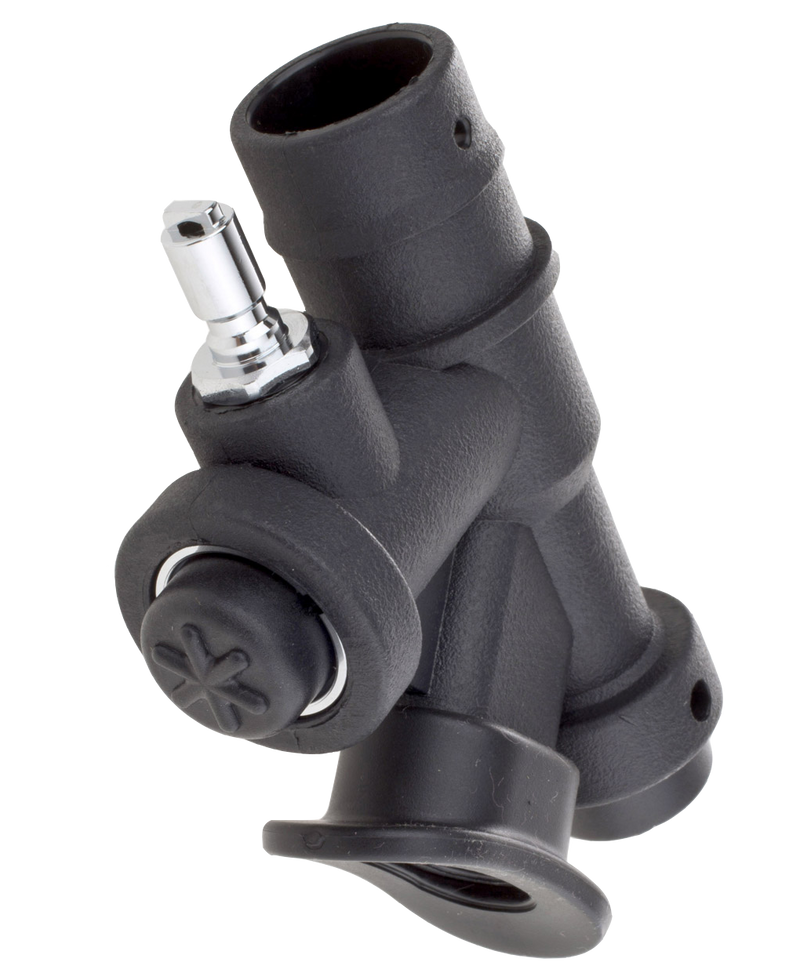
Top Budget-Friendly BCD Recommendations
Note: Prices may vary depending on retailer and availability.
Option 1: (Jacket Style) Cressi Start Pro 2.0
-
Description: A durable and reliable jacket-style BCD ideal for beginners.
-
Key features and benefits for beginners: Simple design, easy to use inflator, comfortable fit, good stability on the surface.
-
Price range: $250 - $350
Option 2: (Back Inflate) Aqua Lung i300C BCD
-
Description: A streamlined back-inflate BCD offering excellent comfort and buoyancy control.
-
Key features and benefits for beginners: Integrated weights, comfortable back pad, easy-to-use inflator, good trim underwater.
-
Price range: $400-$500
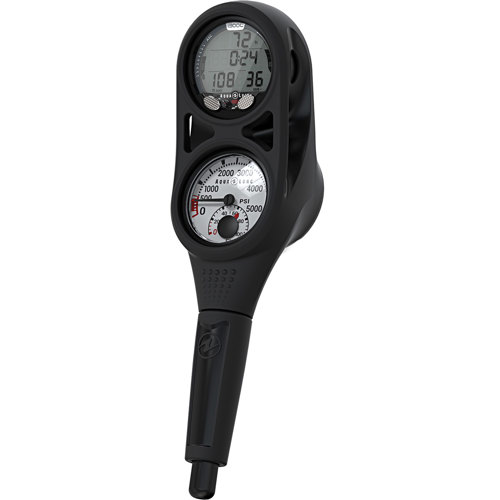
Option 3: (Entry Level Weight Integrated) Scubapro GO BCD
-
Description: A lightweight and compact travel BCD with integrated weights.
-
Key features and benefits for beginners: Streamlined design, comfortable fit, easy to pack, integrated weight pockets, good for warm-water diving.
-
Price range: $450 - $550

Where to Buy: Finding the Best Deals
-
Online retailers:
- Pros: Convenience, wider selection, often competitive prices.
- Cons: Cannot try on the BCD before buying.
-
Local dive shops:
- Pros: Expert advice, opportunity to try on the BCD, support local businesses.
- Cons: Potentially higher prices than online retailers.
-
Used gear marketplaces:
- Pros: Significant savings.
- Cons: Risk of wear and tear, potential safety concerns. Thoroughly inspect the BCD before buying used.
Tips for checking a used BCD before buying:
- Inspect the inflator for leaks and proper function.
- Check the bladder for punctures or damage. Inflate it fully and leave it for a few hours to check for leaks.
- Examine the straps and buckles for wear and tear.
- Ensure the tank band is in good condition and securely holds the tank.

Maintenance and Care: Extending the Life of Your BCD
Proper maintenance and care will significantly extend the life of your BCD.
- Rinse thoroughly with fresh water after each dive to remove salt and debris.
- Use a BCD cleaner to remove salt buildup and prevent corrosion.
- Store in a cool, dry place away from direct sunlight to prevent UV damage.
- Inspect regularly for signs of wear and tear, such as frayed straps, cracked buckles, or leaks.
- Get your BCD serviced annually by a qualified technician to ensure proper function and safety.

Conclusion: Diving In Affordably and Safely
Choosing the right BCD is a crucial step in becoming a comfortable and confident scuba diver. While the cost of diving gear can be a concern, it's possible to find a reliable and affordable BCD that meets your needs without breaking the bank.
Remember to consider the type of BCD, key features, and your budget when making your decision. Prioritize safety and comfort above all else.
Now it's your turn! Share your experiences with budget-friendly BCDs in the comments section below. Do you have any recommendations or tips for fellow divers on a tight budget? Ask any questions you may have, and let's help each other dive in affordably and safely!