BCD Basics: Choosing the Right Buoyancy Compensator for Your First Dive (with Visual Guide)
Introduction: What is a BCD and Why is it Important?
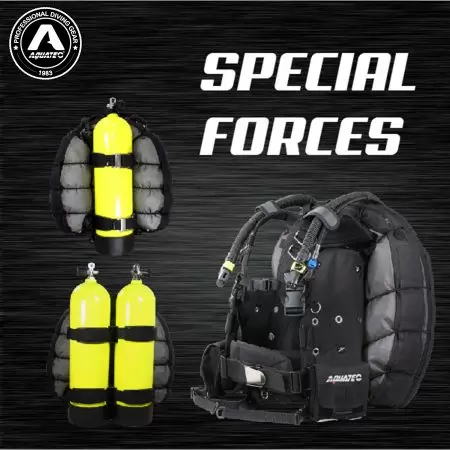
A BCD, or Buoyancy Compensator Device, is an essential piece of scuba diving equipment. It's essentially an inflatable jacket or vest worn by divers to control their buoyancy underwater.
The primary function of a BCD is to allow divers to achieve neutral buoyancy. This means that you're neither sinking nor floating, but rather suspended comfortably in the water column. By adding or releasing air from the BCD, you can easily adjust your buoyancy to maintain your desired depth.
A properly fitted and functioning BCD is crucial for both safety and comfort while diving. It allows you to conserve energy, navigate effortlessly, and avoid damaging delicate marine environments. An ill-fitting BCD can lead to discomfort, poor buoyancy control, and even potentially dangerous situations.
This guide will help you, as a beginner diver, understand the different types of BCDs, key features to consider, and how to choose the right one for your first diving experiences.
Understanding the Different Types of BCDs
There are two main types of BCDs: Jacket Style and Back Inflate. A third type, Hybrid, combines features of both.
Jacket Style BCDs
Design: Jacket style BCDs feature an air bladder that wraps around the diver's torso, similar to a life jacket.
Pros:
- Familiar and comfortable for many beginners.
- Provide good stability on the surface.
- Offer numerous pockets for storing accessories.
Cons:
- Can feel bulky underwater.
- Potential for squeeze (when the BCD constricts the diver's chest when fully inflated).
- Can restrict movement slightly.

Back Inflate BCDs
Design: Back inflate BCDs have the air bladder located primarily on the diver's back, leaving the front of the torso relatively uncluttered.
Pros:
- More streamlined underwater, reducing drag.
- Better freedom of movement for arms and legs.
- Often preferred by experienced divers.
Cons:
- Can be less stable on the surface, especially with a heavy tank.
- Requires more buoyancy control experience.
- Some divers find the initial feeling of being pushed forward uncomfortable.
Hybrid BCDs
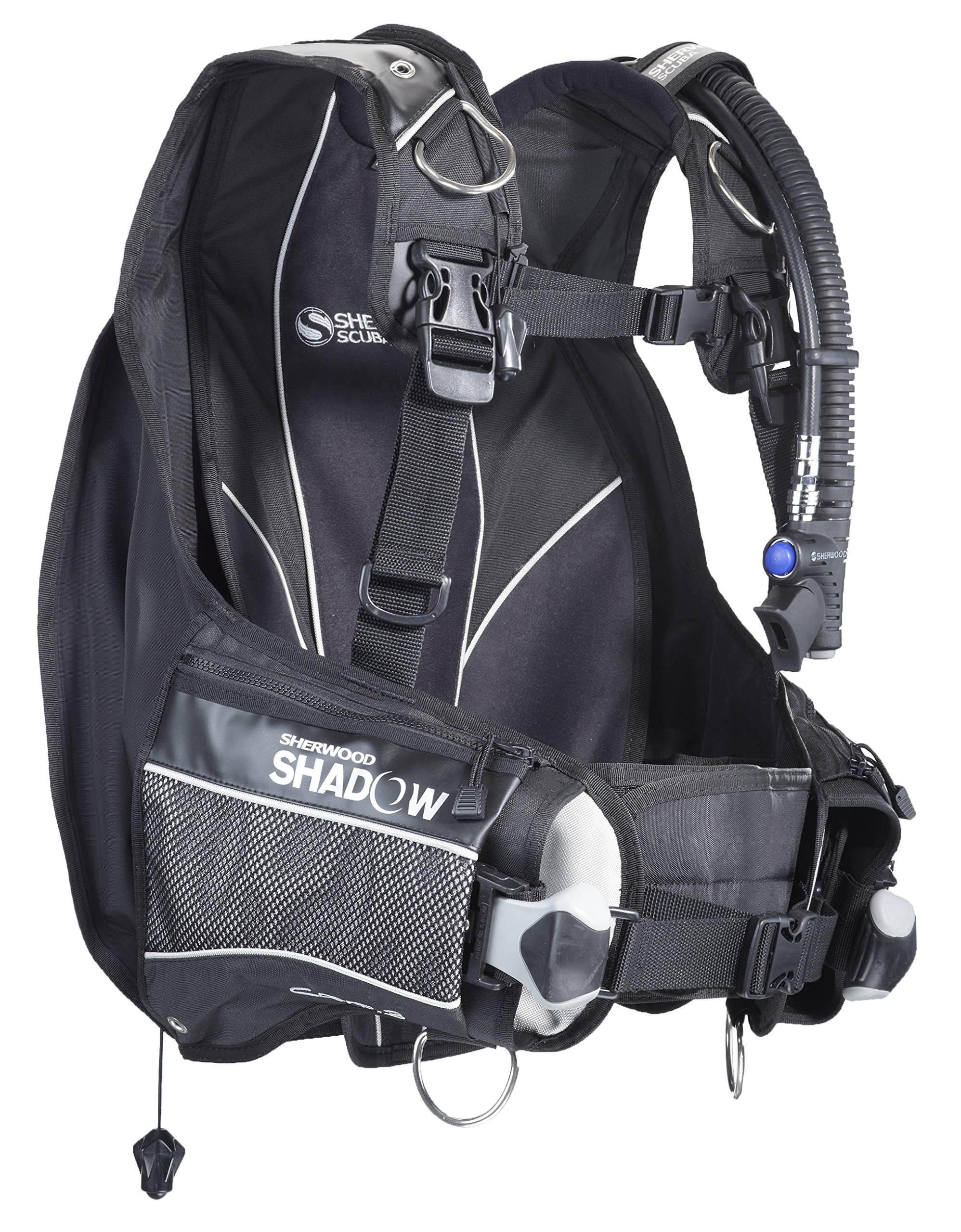
Design: Hybrid BCDs combine features of both jacket and back inflate styles, offering a blend of comfort, stability, and streamlining.
Pros:
- Attempts to combine the best of both worlds.
- Can offer better weight distribution.
Cons:
- Can be more expensive than traditional jacket or back inflate BCDs.
- May not fully satisfy divers who strongly prefer one style over the other.

Key Features to Consider When Choosing a BCD
Size and Fit
The size and fit of your BCD are paramount for comfort and buoyancy control. A BCD that is too large will shift around and be difficult to control, while one that is too small will restrict your movement and breathing.
Tip: Always try on a BCD with the exposure suit you plan to wear while diving. The added thickness of the wetsuit or drysuit will affect the fit.
To determine the correct BCD size, you'll need to measure your:
- Chest: Measure around the fullest part of your chest.
- Waist: Measure around your natural waistline.
- Torso Length: Measure from your shoulder to your hip.
Important: BCD sizing charts vary significantly by manufacturer. Always consult the manufacturer's sizing chart for the specific BCD model you're considering. Don't assume that the same size will fit you across different brands.

Buoyancy Capacity
Buoyancy capacity refers to the amount of lift the BCD provides, typically measured in pounds (lbs) or kilograms (kg). The appropriate buoyancy capacity depends on several factors:
- Body weight: Larger individuals generally require BCDs with higher buoyancy capacity.
- Dive environment: Saltwater is denser than freshwater, so you'll need more lift in saltwater.
- Gear weight: The weight of your scuba tank, weights, and other gear contributes to your overall negative buoyancy.
Tip: As a general rule, choose a BCD with a buoyancy capacity that is slightly greater than the total weight you need to offset. This provides a safety margin and allows for variations in gear weight.

Weight Integration
Weight integration refers to the BCD's ability to hold weights directly within its pockets, eliminating the need for a separate weight belt.
Benefits of integrated weights:
- Increased comfort and reduced strain on the lower back.
- More streamlined profile underwater.
- Improved weight distribution.
Different weight pocket systems exist:
- Ditchable weight pockets: These pockets can be quickly released in an emergency.
- Non-ditchable weight pockets: These pockets are designed for trim weights and are not intended for quick release.
Warning: Always familiarize yourself with the location and operation of your weight release mechanisms before each dive. Practice releasing your weights in a controlled environment.

Inflation/Deflation Valves
BCDs have several inflation/deflation valves that allow you to control your buoyancy:
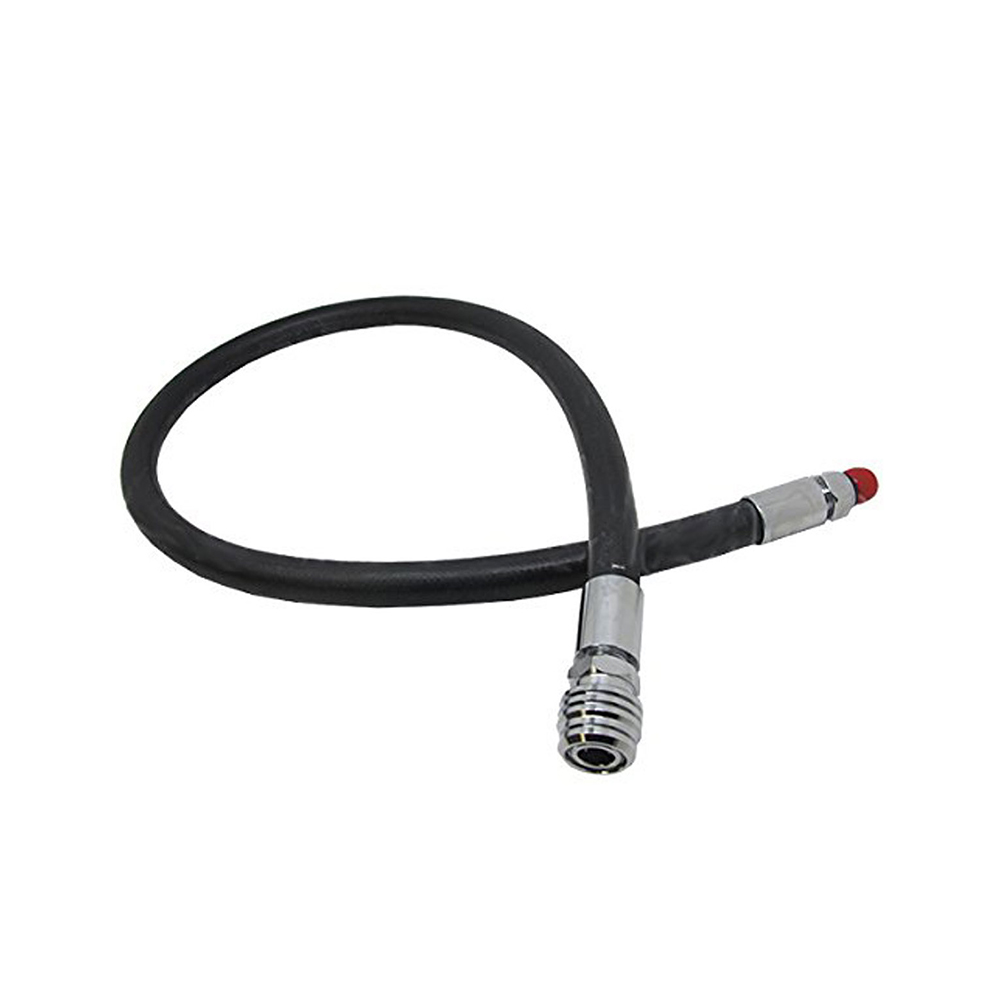
- Inflator hose: This hose connects to your regulator and allows you to add air to the BCD. It usually has inflation and deflation buttons.
- Overpressure valves: These valves automatically release air if the BCD becomes over-inflated, preventing it from bursting. They can also be used to manually deflate the BCD.
Tip: Practice using the inflation and deflation valves in a pool or shallow water before your first open water dive.
Materials and Durability
BCDs are typically constructed from durable materials such as:
- Nylon: A common and affordable material.
- Cordura: A more robust and abrasion-resistant nylon fabric.
The material used in a BCD's construction directly impacts its durability and longevity. Higher-denier materials (e.g., 1000D Cordura) are more resistant to wear and tear.
D-Rings and Attachment Points
D-rings are metal or plastic rings attached to the BCD that allow you to clip on accessories such as:
- Dive lights
- Cameras
- Reels
- Slates
The number and placement of D-rings can vary between BCD models. Consider the types of accessories you plan to carry and choose a BCD with sufficient attachment points.
Trying on a BCD: Ensuring a Proper Fit
Follow these steps to ensure a BCD fits correctly:
- Loosen all straps before putting on the BCD.
- Put the BCD on like a jacket, ensuring the shoulder straps are properly positioned.
- Adjust the shoulder straps so that the BCD sits comfortably on your torso, without being too tight or too loose.
- Fasten the waist strap and adjust it so that it is snug but not restrictive. The waistband should sit just above your hips.
- If the BCD has a crotch strap, adjust it so that it fits comfortably between your legs, preventing the BCD from riding up.
- Inflate the BCD fully. The BCD should not constrict your chest or restrict your breathing.
- Deflate the BCD fully. The BCD should not feel too loose or shift around excessively.
Expert Advice: If possible, try on the BCD in the water (pool or confined water environment). This will allow you to assess its buoyancy characteristics and ensure that it fits properly under realistic diving conditions.

BCD Maintenance and Care
Proper BCD maintenance is essential for prolonging its lifespan and ensuring its reliable performance.
- Rinsing: Rinse the BCD thoroughly with fresh water after each dive to remove salt, sand, and other debris. Pay particular attention to the inflator mechanism and valves.
- Storage: Store the BCD in a cool, dry place away from direct sunlight. Avoid storing it in a damp or humid environment, as this can promote mildew growth.
- Inspection: Regularly inspect the BCD for signs of wear and tear, such as cracks, leaks, or frayed straps.
- Professional Servicing: Have your BCD professionally serviced at least once a year, or more frequently if you dive regularly. A qualified technician can inspect the BCD's internal components, replace worn parts, and ensure that it is functioning properly.

Conclusion: Choosing the Right BCD for Your Diving Adventures
Choosing the right BCD is a crucial step in becoming a comfortable and confident scuba diver. Remember to consider the different types of BCDs (jacket style, back inflate, hybrid), key features (size and fit, buoyancy capacity, weight integration), and the importance of proper maintenance.
Tip: Don't hesitate to visit your local dive shop and try on different BCD models. Consult with experienced divers or dive professionals for personalized recommendations.
Investing in a quality BCD that fits your needs and diving style is an investment in your safety and enjoyment. Take the time to research your options, try on different models, and choose a BCD that will serve you well on your diving adventures.