Loading...
marine-life#damselfish behavior#territorial reef fish#underwater gardening
Small Fish, Big Attitude: Why Damselfish are the Reef’s Feistiest Residents
Pro Dive Vibes
April 10, 20269 min read

You are hovering at 5 meters, performing your safety stop after a breathtaking dive. Your buoyancy is neutral, your breathing is rhythmic, and the world is peaceful—until it happens. A tiny, three-inch blur of scales launches itself from the coral head, charging directly at your mask. It nips at your fins, circles your computer, and retreats only to charge again with the ferocity of a Great White.
Welcome to the world of the Damselfish.
Belonging to the family Pomacentridae, these small, often vibrantly colored fish are the undisputed heavyweights of reef attitude. With over 300 species distributed across every tropical and temperate sea, they are a staple of the underwater landscape. But don’t let their diminutive size or neon hues fool you; in the underwater world, size doesn’t equal submissiveness. While we often focus on the "Big Five" of the ocean, it is these tiny residents that truly run the neighborhood.
The Secret Life of Underwater Gardeners
To understand why a damselfish is willing to fight a creature 500 times its size, you have to understand its profession. Many damselfish are not just residents of the reef; they are sophisticated underwater farmers.
They cultivate what biologists call "algal lawns." These are specific patches of turf algae that the damselfish claims as its own. This isn't just a random patch of greenery; it is a carefully managed monoculture.
Selective Weeding and Fertilization
Damselfish are surprisingly meticulous. They engage in selective weeding, where they physically pluck out "unpalatable" or "bad" algae species and spit them out beyond the borders of their territory. This allows their preferred "good" algae—the nutritious stuff—to thrive without competition.
They even provide their own fertilizer. By staying within their small territory, their waste products provide a steady stream of nitrogen and phosphorus to the lawn. This level of investment makes the territory their most valuable asset. If they lose the lawn, they lose their food security.
The Architect vs. The Gardener
It is interesting to contrast this behavior with other reef residents. In our guide to The Sand Makers, we discussed how parrotfish act as the reef’s architects, grazing indiscriminately and keeping coral healthy by preventing algae overgrowth. The damselfish, however, is the antithesis of the parrotfish. They want the algae to grow, often at the expense of the coral underneath. This creates a fascinating tension on the reef: the parrotfish tries to clean the "garden," and the damselfish fights to protect it.
The Science of the Snapping Jaw
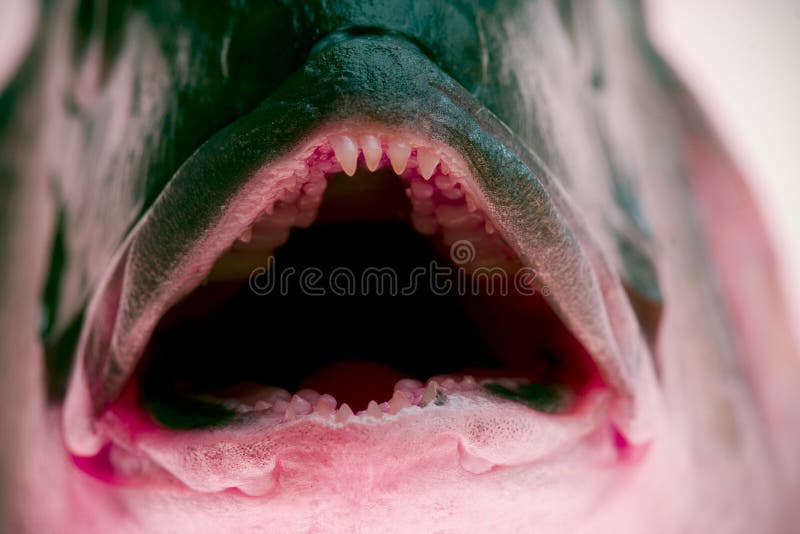
If you’ve ever felt a damselfish "bite," you know it feels like a sharp, mechanical pinch. It’s rarely enough to draw blood through a wetsuit, but on bare skin, it can be a genuine surprise. This "nip" is the result of a highly specialized jaw structure.
As we explored in Beyond the Bite, the teeth of reef fish are evolved for specific ecological niches. Damselfish possess small, comb-like teeth designed for scraping algae, but their jaw muscles are incredibly fast. The aggression of the Stegastes genus, in particular, is backed by a mechanical "snap" that is among the fastest movements in the animal kingdom.
When a damselfish charges, it isn't just swimming; it is using a "ballistic" strike. They accelerate with incredible speed, close their jaws with a distinct click, and retreat before the intruder (usually you) can even react.
The Sound of Defiance: Auditory Warnings
One of the most overlooked aspects of damselfish behavior is their voice. Yes, these fish talk—and usually, they are yelling at you.
If you follow our advice in Beyond the Bubbles, you’ll know that the reef is a noisy place. Damselfish contribute to this cacophony with a repertoire of chirps, pops, and clicks. These sounds are produced by the rapid gnashing of their pharyngeal teeth (teeth in the throat) and are amplified by their swim bladder.
Why the Noise?
- Territorial Warning: Before they bite, they usually "bark." If you hear a series of rapid clicks while looking at a coral head, you are being told to back off.
- Deterring Predators: Sound travels faster and further underwater than visual cues. By making noise, a damselfish can signal its presence to a predator even in murky water.
- Mating Rituals: During spawning, males use specific acoustic patterns to attract females to their nesting sites.
Expert Tip: Next time you are on a safety stop, hold your breath for a few seconds (while maintaining your depth!) and listen. If there is a damselfish nearby, you will likely hear their staccato "clicks" as they patrol their borders.
Parental Protection: Guarding the Next Generation
While their "farming" duties provide a baseline of aggression, their behavior reaches a fever pitch during the spawning cycle. This is when the gardener transitions into a fiercely protective parent.
The 'Purple Patch'
Many species of damselfish, such as the Sergeant Major, lay their eggs on flat rock surfaces or dead coral. These egg masses often appear as a vibrant purple or red patch. If you see a damselfish hovering frantically over a colorful smudge on the reef, you are looking at a father guarding his future offspring.
During this time, the male will not leave the nest. He will fan the eggs with his fins to ensure they receive oxygenated water and will attack anything—including divers, cameras, or even passing sharks—that gets too close. This is similar to the high-stakes drama we see in The Ultimate Guide to Mandarin Fish Mating, though damselfish are far less shy than the elusive Mandarin fish.
Species Spotlight: The Most Aggressive Offenders
Not all damselfish are created equal. Some are shy, while others are essentially the "neighborhood watch" on caffeine.
| Common Name | Scientific Name | Location | Aggression Level | Key Feature |
|---|---|---|---|---|
| Garibaldi | Hypsypops rubicundus | California/Mexico | High | Bright neon orange color |
| Threespot Damselfish | Stegastes planifrons | Caribbean | Extreme | Will bite camera lenses |
| Sergeant Major | Abudefduf saxatilis | Atlantic/Indo-Pacific | Seasonal | Five vertical black bars |
| Jewel Damselfish | Plectroglyphidodon lacrymatus | Indo-Pacific | Moderate | Electric blue spots on dark body |
The Garibaldi: The Orange Giant
The Garibaldi is the state fish of California and the giant of the family, reaching up to 30 centimeters. They are notoriously territorial. If you move a rock in their territory, they will often pick it up and move it back. They have been known to "thump" divers who linger too long near their nests.
The Threespot: The Undisputed Champ
If you’ve been nipped in the Caribbean, it was likely a Threespot. These fish are the "angry farmers" of the reef. They are so protective of their algal lawns that they will chase away much larger grazing fish, effectively dictating which parts of the reef remain covered in algae and which are kept clean by other grazers.

The Ecological Impact: How Aggression Shapes the Reef
It is easy to dismiss damselfish aggression as a quirk, but it actually has a profound impact on the health and diversity of the coral reef. This is known as the "Damselfish Effect."
Biodiversity Hotspots
Because damselfish exclude large grazers from their territories, their algal lawns become micro-habitats. Small invertebrates, such as tiny crustaceans and worms, find refuge in the thick algae where they aren't eaten by larger fish. This increases the localized biodiversity of the reef.
The 'Spa Day' Conflict
In our post about The Reef’s Spa Day, we discussed how cleaning stations are neutral zones. However, damselfish often ignore these social contracts. They have been known to chase cleaner wrasses away if the cleaning station is too close to their algal lawn, proving that for a damselfish, property rights trump personal hygiene.
Diver Etiquette: Navigating the 'Danger' Zone
Interacting with damselfish is one of the joys of diving, provided you know how to read their signals. Much like Shark Body Language, damselfish have a specific set of cues that indicate they are about to strike.
Reading the Signs
- The Hover and Dart: If a damselfish is hovering mid-water and making short, jerky darts toward you, it is "measuring" the distance for an attack.
- The Color Shift: Some species, like the Sergeant Major, will actually change color (turning darker or more intense) when they are guarding eggs.
- The Lateral Display: Turning sideways to appear larger is a classic sign that you are trespassing.
Tips for Peaceful Observation
- Maintain Neutral Buoyancy: Crashing into the reef is bad for the coral, but it’s also an invitation for a damselfish to defend its home.
- Watch Your Fins: Long fins often trail into damselfish territories without the diver realizing it.
- Don't Touch the 'Purple Patch': If you see eggs, give the fish a wide berth. Stressing the parent can lead them to abandon the nest.
- Keep Your Hands Tucked: If you are being nipped, simply tuck your hands into your chest and swim slowly away. Do not try to "shoo" them away, as they see this as a challenge.
Warning:
Damselfish are harmless— while they won't send you to the hospital, their bites can startle a novice diver into a rapid ascent. Always maintain control of your buoyancy if you feel a "nip."
Conclusion: Appreciating the Tiny Guardians
The next time a tiny fish tries to take a piece out of your wetsuit, take a moment to appreciate the sheer audacity of the damselfish. They are the farmers, the protectors, and the vocalists of the reef. Their aggression isn't just "attitude"—it is a vital ecological mechanism that creates diversity and ensures the survival of the next generation.
By understanding the "Napoleon Complex" of the coral reef, we can become better observers of the intricate social web that makes every dive a new discovery. So, keep your ears open for the clicks, your eyes peeled for the algal lawns, and maybe—just maybe—give that feisty Threespot a little extra room.
Ready to hear the reef for yourself? Check out our guide on Identifying Marine Life by Sound and start listening to the stories the ocean is trying to tell you.