Loading...
marine-life#reef fish teeth#fish dentition#coral reef ecology
Beyond the Bite: Unveiling the Surprising Purpose of Teeth in Reef Fish
Pro Dive Vibes
February 19, 20268 min read

Beyond the Bite: Unveiling the Surprising Purpose of Teeth in Reef Fish
Imagine yourself descending into a vibrant coral reef, a kaleidoscope of colors and life unfolding before your eyes. Schools of fish shimmer past, each a unique masterpiece of evolution. From the dazzling angelfish to the comical pufferfish, the diversity is simply breathtaking. But have you ever stopped to consider the tools these creatures use to survive in this underwater paradise?
Many people assume that fish teeth are primarily for biting and predation – a fearsome weapon used by sharks and other predators. While this is certainly true for some species, it's a vast oversimplification. The reality is that reef fish teeth are incredibly diverse and specialized, playing vital roles beyond predation in the complex reef ecosystem. In fact, understanding fish dentition is crucial for understanding their ecological roles, and ultimately, for effective conservation efforts.
A Mouthful of Variety: Exploring the Diverse World of Reef Fish Teeth
The sheer variety of tooth shapes, sizes, and arrangements found in reef fish is astounding. From the fused beak-like structures of parrotfish to the needle-sharp teeth of barracuda, each adaptation is a testament to the power of natural selection. These variations aren't random; they're directly linked to the fish's diet and feeding strategy. A fish that scrapes algae off rocks will have very different teeth than one that ambushes small crustaceans.
Think of it like this: a chef needs different knives for different tasks. A bread knife is useless for carving a roast, and a paring knife is ineffective for chopping vegetables. Similarly, reef fish have evolved specialized "tools" in their mouths to efficiently exploit the food resources available to them.
Now, let's dive into some specific examples to illustrate this incredible diversity.
The Sharp Shooters: Predatory Teeth
The classic image of predatory fish teeth often involves rows of sharp, pointed daggers designed for grasping and holding struggling prey. These teeth are built for speed and efficiency, ensuring a successful hunt.
Barracuda
Barracudas are formidable predators, instantly recognizable by their elongated bodies and menacing grins. Their needle-like teeth are perfectly adapted for seizing fast-moving fish. These teeth aren't designed for chewing; instead, they're used to inflict a quick, decisive bite, allowing the barracuda to swallow its prey whole or in large chunks.
Moray Eel

Moray eels are ambush predators, lurking in crevices and waiting for unsuspecting prey to swim by. Their inward-pointing teeth are essential for holding onto slippery fish and crustaceans. Once the eel has a firm grip, it often uses a unique "pharyngeal jaw" located in its throat to pull the prey further down.
Grouper
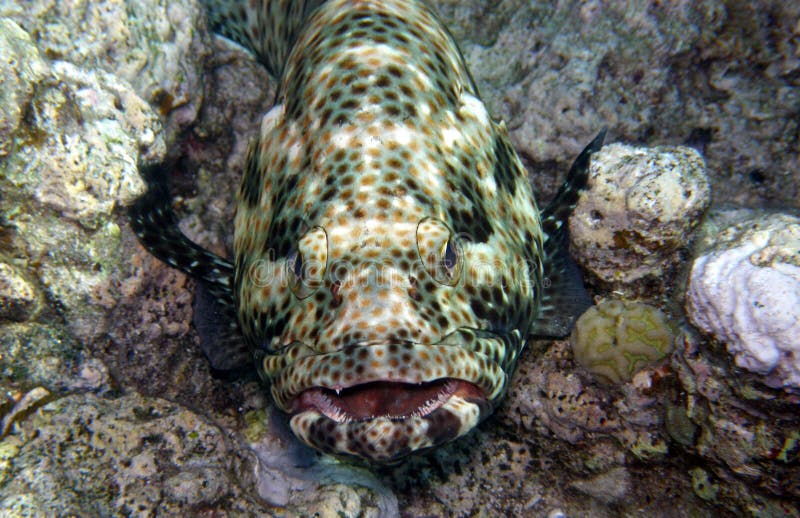
Groupers are masters of camouflage and ambush. They possess large mouths and powerful jaws equipped with sharp teeth. These teeth allow them to quickly seize and swallow their prey, which often includes smaller fish and crustaceans. The grouper's bite is surprisingly strong, allowing it to subdue even larger, struggling victims.
The Grinders: Herbivorous Teeth
Herbivorous fish play a critical role in maintaining the health of coral reefs by controlling algae growth. Without these "lawnmowers" of the reef, algae could quickly overgrow and smother corals. These fish have evolved specialized teeth adapted for scraping algae from rocks and coral surfaces.
Parrotfish

Parrotfish are arguably the most iconic herbivorous reef fish. They have fused beak-like teeth that are incredibly strong and durable. These "beaks" allow them to scrape algae off rocks and even bite off pieces of coral. While this may sound destructive, it's a natural process that helps to create sandy bottoms and provides habitat for other organisms. Parrotfish also excrete the undigested coral as sand!
Dive Tip: Listen closely when diving on a reef with parrotfish. You can often hear the distinct "crunching" sound as they graze on the coral.
Surgeonfish
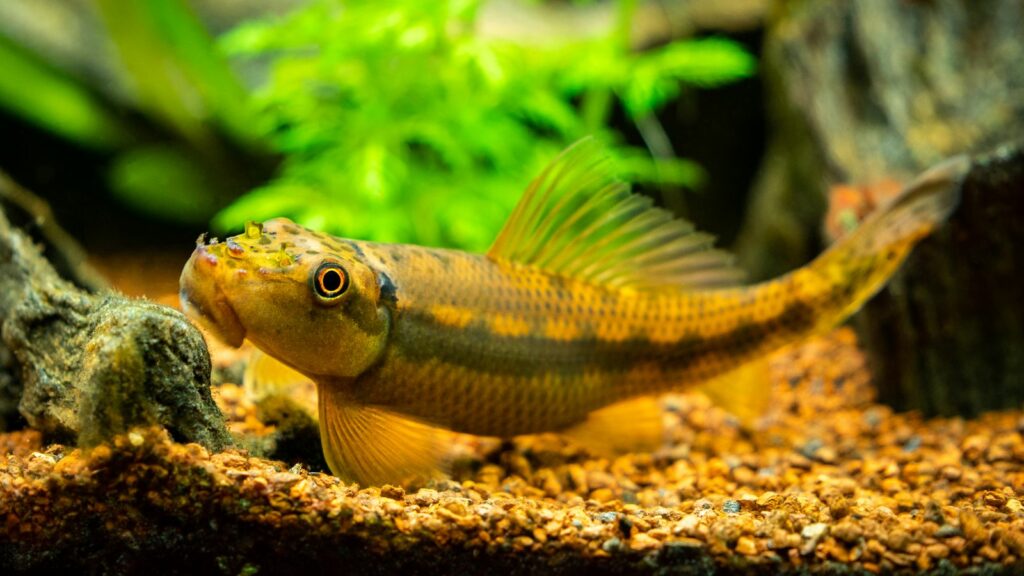
Surgeonfish are another important group of herbivorous reef fish. They possess small, comb-like teeth that they use to graze on algae mats. These teeth are arranged in rows, allowing them to efficiently scrape algae from surfaces. Some surgeonfish species also have a sharp spine on their caudal peduncle (the area just before the tail fin), which they use for defense.
Rabbitfish
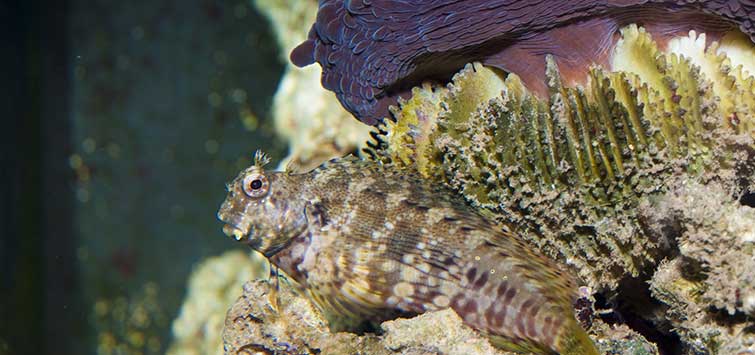
Rabbitfish are often overlooked, but they are essential grazers in many reef ecosystems. They have incisor-like teeth that they use to graze on algae and seagrass. Their mouths are relatively small, allowing them to access tight spaces and crevices where algae may be growing.
The Pickers and Probers: Invertebrate Eaters
Many reef fish specialize in feeding on small invertebrates, such as crustaceans, worms, and coral polyps. These fish have evolved a variety of tooth shapes and sizes adapted for picking, probing, and crushing their invertebrate prey.
Butterflyfish
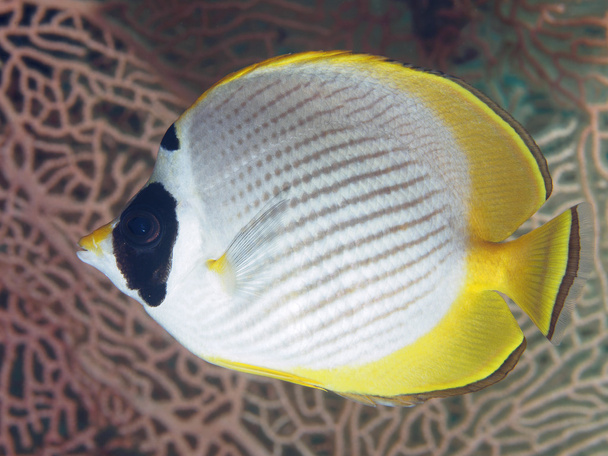
Butterflyfish are known for their vibrant colors and delicate feeding habits. They have long, thin teeth that they use to pick at small invertebrates in coral crevices. Their elongated snouts allow them to reach into tight spaces that other fish cannot access.
Filefish

Filefish are closely related to triggerfish, but they have a more specialized diet. They possess strong, incisor-like teeth that they use to nip off coral polyps and small invertebrates. Their teeth are incredibly precise, allowing them to target specific prey items without damaging the surrounding coral.
Triggerfish
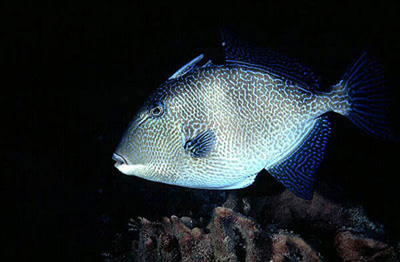
Triggerfish are known for their strong teeth and jaws. They use their teeth to crush sea urchins, crustaceans, and other hard-shelled invertebrates. Their powerful jaws allow them to break through even the toughest exoskeletons. Some triggerfish species are even capable of rearranging rocks and coral to access their prey.
The Strainers: Filter Feeders
Not all fish have traditional teeth. Filter-feeding fish, such as whale sharks and manta rays, have evolved a different strategy for obtaining food. They use gill rakers to filter plankton from the water.
Whale Shark
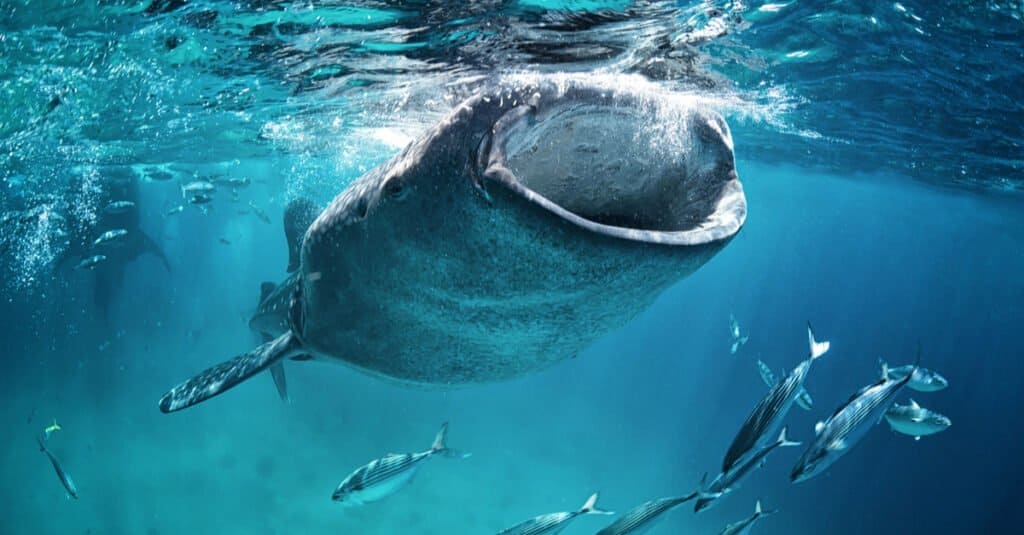
Whale sharks are the largest fish in the world, but they feed on some of the smallest organisms. While they do possess tiny teeth, they are not used for feeding. Instead, they use their massive gill rakers to filter plankton, small fish, and crustaceans from the water.
Manta Ray
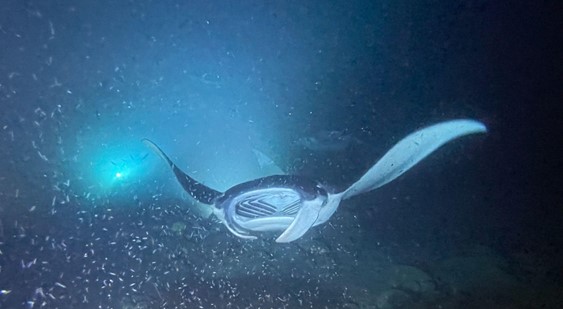
Manta rays are graceful filter feeders that glide through the water, filtering plankton with their gill rakers. They have no teeth at all, relying entirely on their specialized filtering apparatus to obtain food.
More Than Just Teeth: Other Feeding Adaptations
While teeth are certainly important, they are not the only adaptation that supports feeding in reef fish. Jaw structure, mouth shape, and digestive systems also play crucial roles.
Some fish use suction feeding, creating a vacuum in their mouths to suck in prey. Others use ram feeding, swimming rapidly towards their prey with their mouths open. The extendable mouth of a trumpetfish is a prime example of a specialized feeding adaptation.

Expert Tip: Observe the mouth shape and feeding behavior of different fish species during your dives. You'll be amazed at the diversity of adaptations they have evolved.
The Impact of Human Activities: Threats to Reef Fish and Their Feeding Habits
Unfortunately, reef fish populations are facing numerous threats from human activities. Habitat destruction, overfishing, and climate change are all having a devastating impact on these vital creatures.
Coral bleaching, caused by rising ocean temperatures, is a major threat to parrotfish and other herbivorous fish that rely on coral reefs for food. Overfishing can deplete fish populations, disrupting the food chain and impacting the entire ecosystem. Pollution can also harm invertebrate populations, affecting fish that rely on them for food.
Conservation Efforts: Protecting Reef Fish and Their Vital Roles
Fortunately, there are many conservation efforts underway to protect reef fish and their habitats. Sustainable fishing practices, marine protected areas, and reducing pollution are all essential for ensuring the survival of these fascinating creatures.
You can also make a difference by supporting organizations working to protect coral reefs and by practicing responsible diving.
Responsible Diving Practices:
- Avoid touching or disturbing coral reefs.
- Maintain neutral buoyancy to prevent accidental damage.
- Do not feed the fish.
- Properly dispose of any trash.
- Choose eco-friendly dive operators.
Conclusion: A Deeper Appreciation for Reef Fish
As you can see, reef fish teeth are far more than just tools for biting. They are a testament to the incredible diversity and adaptability of life on Earth. By understanding the specialized feeding habits of these creatures, we can gain a deeper appreciation for their vital roles in the reef ecosystem.
It is our responsibility to protect these fascinating creatures and their habitats. By supporting conservation efforts and practicing responsible diving, we can help ensure that future generations will have the opportunity to witness the beauty and wonder of coral reefs.
Now, I want to hear from you! Share your own experiences observing reef fish teeth on your dives. What are some of the most interesting adaptations you've seen? Let's start a conversation in the comments below!