Decoding Wetsuit Thickness: A Visual Guide to Staying Warm Underwater (with Infrared Photos!)
Decoding Wetsuit Thickness: A Visual Guide to Staying Warm Underwater (with Infrared Photos!)
Have you ever been on a dive, mesmerized by the vibrant coral and playful marine life, only to have your teeth start chattering uncontrollably? I remember one dive in the Caribbean, the water was supposed to be a balmy 80°F, but after about 30 minutes, I was shivering so hard I could barely hold my regulator! Turns out, my trusty old 3mm wetsuit wasn't cutting it, and I spent the rest of the dive dreaming of a hot shower.
Water temperature is a critical factor for any diver. Ignoring it can lead to discomfort, reduced dive duration, and, in severe cases, hypothermia. A well-chosen wetsuit is your first line of defense against the chilling embrace of the ocean depths.
One of the most important aspects of a wetsuit is its thickness. But how do you decipher those seemingly cryptic numbers like 3/2mm or 5/4mm? What do they even mean, and how much difference does a few millimeters really make?
This blog post aims to demystify wetsuit thickness, providing you with a visual guide to understanding how it impacts your warmth underwater. We'll be using infrared camera images to show you exactly how different wetsuit thicknesses perform in various water temperatures. Forget guesswork – we're going to see the difference!
At Pro Dive Vibes, we're committed to providing reliable and easy-to-understand advice on diving gear. We want you to be comfortable, safe, and able to fully enjoy every dive. So, let's dive in and decode the secrets of wetsuit thickness!
Understanding Neoprene: The Wetsuit's Secret Weapon
The magic behind a wetsuit's ability to keep you warm lies in the material it's made from: neoprene. Neoprene is a synthetic rubber that contains countless tiny gas bubbles. Think of it like a sponge, but much more flexible and durable.
These gas bubbles are the key to neoprene's insulating properties. They trap body heat, creating a warm layer between your skin and the cold water. This insulation also reduces the circulation of water inside the wetsuit, minimizing heat loss. The less water that flushes through the suit, the warmer you'll stay.
The relationship between neoprene thickness and insulation is straightforward: thicker neoprene provides more insulation. A thicker layer of neoprene contains more gas bubbles, offering a greater barrier against heat loss.
It's also worth noting that there are different types of neoprene available, such as standard neoprene and super-stretch neoprene. Super-stretch neoprene is more flexible and comfortable, but it often offers slightly less thermal protection than standard neoprene of the same thickness. Manufacturers often blend different types of neoprene in a single wetsuit to balance warmth and flexibility.
Decoding Wetsuit Thickness: Millimeters Matter!
Wetsuit thickness is typically measured in millimeters (mm), and you'll often see it expressed as a combination of two numbers, such as 3/2mm, 5/4mm, or 7mm.
These numbers indicate the thickness of the neoprene in different areas of the wetsuit. For example, a 3/2mm wetsuit means the neoprene is 3mm thick in the torso (where you need the most insulation) and 2mm thick in the limbs (arms and legs). This design allows for greater flexibility and ease of movement without sacrificing too much warmth.
Similarly, a 5/4mm wetsuit has 5mm thick neoprene in the torso and 4mm thick neoprene in the limbs, offering even more insulation for colder waters. A 7mm wetsuit typically has a uniform thickness throughout the entire suit, providing maximum warmth.
There's a definite trade-off between warmth and flexibility. Thicker suits are warmer but can feel more restrictive, especially in the arms and shoulders. Thinner suits offer greater freedom of movement but may not provide enough insulation in colder waters. This is why wetsuit manufacturers strategically place different thicknesses of neoprene in different areas of the suit.

The Infrared Advantage: Seeing is Believing
Now, let's get to the exciting part: using infrared thermography to visualize wetsuit performance. Infrared thermography uses a specialized camera that detects and visualizes heat radiation. This allows us to see the distribution of heat across a surface, even through clothing or wetsuits.
By using an infrared camera, we can assess how effectively different wetsuits retain body heat in various water temperatures. The warmer the surface appears in the infrared image, the more heat is being lost. Conversely, the cooler the surface appears, the better the wetsuit is at insulating the diver.
For our testing, we had divers wear different wetsuits in controlled water temperatures. We then used the infrared camera to capture images of the divers, allowing us to compare the heat signatures of the different wetsuits. This provides an objective and visual way to evaluate wetsuit performance.
Ethical Considerations: It's important to acknowledge the ethical considerations involved in using human subjects for infrared testing. We obtained informed consent from all participants, ensuring they understood the purpose of the study and the potential risks involved. We also prioritized the safety and well-being of our participants throughout the testing process.
Visual Guide: Wetsuit Thickness and Water Temperature
Here's a visual guide to help you choose the right wetsuit thickness for different water temperatures, based on our infrared camera testing:
Warm Water (85°F / 29°C and above):
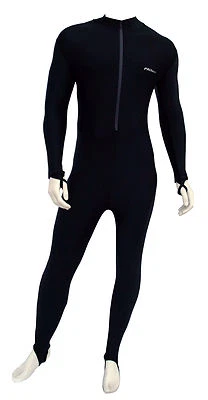
- Recommendation: Lycra skin or 1-2mm wetsuit for sun protection and minimal thermal protection.
- Infrared Image: Diver wearing a lycra skin in warm water, showing minimal heat loss. The heat signature is fairly uniform, indicating that the lycra skin is primarily providing sun protection and not significantly impacting body temperature.
Temperate Water (70-85°F / 21-29°C):
- Recommendation: 3/2mm wetsuit for adequate thermal protection.
- Infrared Image: Diver wearing a 3/2mm wetsuit in temperate water, showing moderate heat loss primarily in exposed areas (face, hands). The torso and limbs appear cooler, indicating that the wetsuit is providing good insulation.

Cool Water (60-70°F / 15-21°C):
- Recommendation: 5/3mm or 5/4mm wetsuit for enhanced thermal protection.
- Infrared Image: Diver wearing a 5/4mm wetsuit in cool water, showing minimal heat loss. The heat signature is significantly cooler than in the 3/2mm wetsuit, indicating better insulation and less heat escaping from the body.
Cold Water (50-60°F / 10-15°C):
- Recommendation: 7mm wetsuit or drysuit with appropriate underlayers for optimal thermal protection.
- Infrared Image: Diver wearing a 7mm wetsuit in cold water, showing very little heat loss. The heat signature is very cool, indicating excellent insulation and minimal heat escaping from the body.

Very Cold Water (Below 50°F / 10°C):
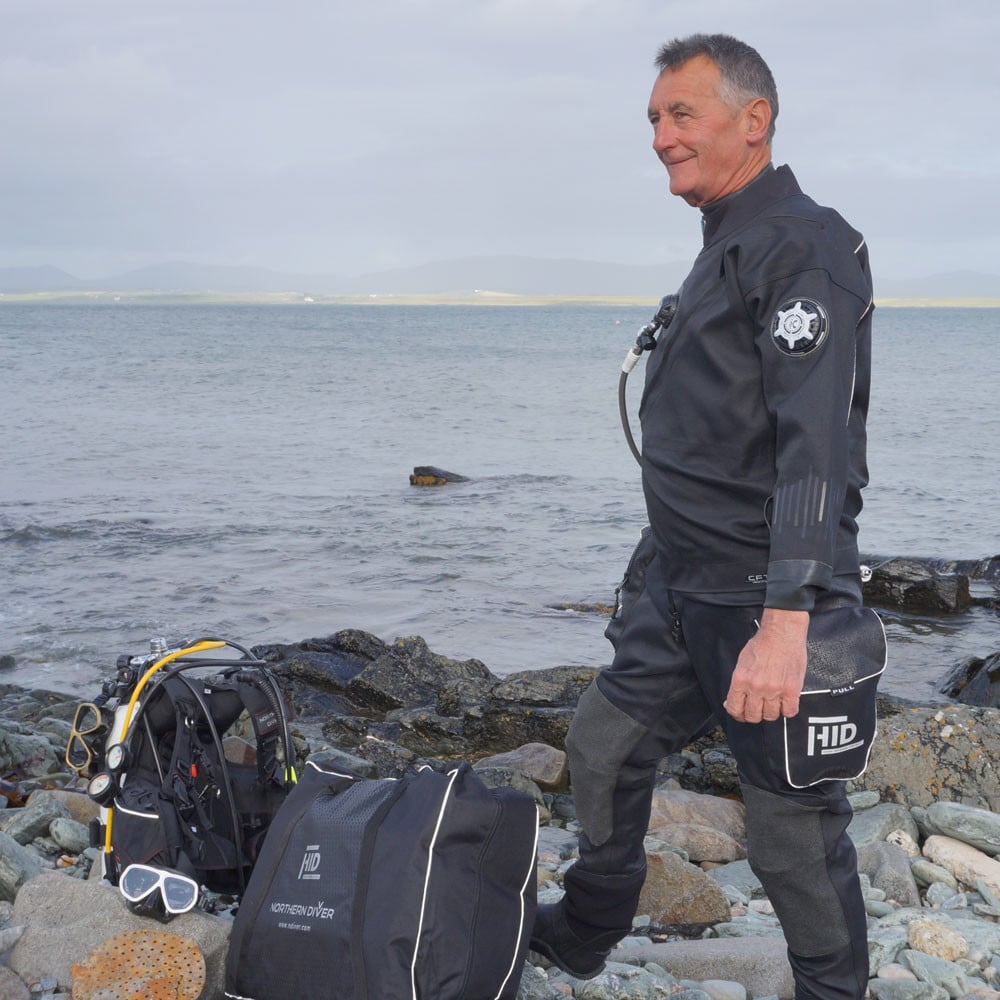
- Recommendation: Drysuit is essential for safe and comfortable diving.
- Infrared Image: Diver wearing a drysuit in very cold water, showing almost no heat loss. The heat signature is the coolest of all, demonstrating the superior insulation provided by a drysuit.
Beyond Thickness: Other Factors Affecting Warmth
While wetsuit thickness is a primary factor in thermal protection, several other elements can significantly impact your warmth underwater:
- Wetsuit Fit: A snug fit is absolutely crucial. A loose-fitting wetsuit allows water to circulate freely, flushing out the warm layer of water next to your skin and dramatically increasing heat loss. Think of it like wearing a leaky raincoat in a downpour.
- Seam Construction: Wetsuit seams are potential entry points for water. Glued and blind-stitched seams are designed to minimize water entry by creating a watertight seal. Look for these types of seams when choosing a wetsuit.
- Hoods and Gloves: A significant amount of heat is lost through your head and hands. Wearing a hood and gloves is essential for protecting these extremities from the cold, especially in cooler waters.
- Wetsuit Linings: Some wetsuits feature thermal linings made of materials like fleece or titanium. These linings provide an extra layer of insulation, trapping more heat and enhancing overall warmth.
- Individual Tolerance: Everyone experiences cold differently. Factors like body fat percentage, metabolism, and acclimatization play a role in how well a person tolerates cold water.
Choosing the Right Wetsuit: A Personalized Approach
Selecting the right wetsuit is a personalized process that depends on several factors:
- Consider the typical water temperatures of your dive locations: This is the most important factor. Research the average water temperatures of the places where you plan to dive and choose a wetsuit that's appropriate for those conditions.
- Think about your individual cold tolerance: Are you someone who tends to get cold easily? If so, you might want to err on the side of caution and choose a slightly thicker wetsuit.
- Try on different wetsuits to find the best fit: This is crucial! A wetsuit that's too loose will be ineffective at keeping you warm. Try on several different sizes and brands to find a wetsuit that fits snugly but doesn't restrict your movement.
- Read reviews and seek recommendations from experienced divers: Get insights from other divers who have experience diving in similar conditions. Online reviews and recommendations from dive buddies can be invaluable.
- Consult with a dive shop professional for personalized advice: Dive shop professionals have extensive knowledge of wetsuits and can help you choose the right one based on your individual needs and preferences.
- Budget considerations: Higher-quality wetsuits often come with a higher price tag, but they also tend to offer better performance, durability, and comfort. Consider investing in a wetsuit that will last for years and provide reliable thermal protection.
Wetsuit Care: Keeping Your Gear in Top Shape
Proper wetsuit care is essential for extending the life of your gear and maintaining its performance:
- Rinse your wetsuit thoroughly with fresh water after each dive: This removes salt, chlorine, and other contaminants that can degrade the neoprene.
- Use a wetsuit cleaner to remove salt, chlorine, and other contaminants: Wetsuit cleaners are specifically formulated to break down these substances without damaging the neoprene.
- Hang your wetsuit to dry in a shaded area, away from direct sunlight: Direct sunlight can cause the neoprene to dry out and crack.
- Store your wetsuit flat or on a wide hanger to prevent creases and compression: Creases and compression can damage the neoprene and reduce its insulating properties.
- Inspect your wetsuit regularly for tears, cracks, and other damage: Catching and repairing damage early can prevent it from worsening.
- Repair any damage promptly to prevent further deterioration: Use neoprene cement to repair small tears and punctures. For larger repairs, consult a professional wetsuit repair service.
Conclusion: Dive Deeper, Stay Warmer
Understanding wetsuit thickness is crucial for staying comfortable and safe during your dives. By choosing the right wetsuit for the water temperature, you can minimize heat loss, extend your dive time, and fully enjoy the underwater world.
We hope this visual guide, with its infrared camera images, has helped you visualize the impact of wetsuit thickness on thermal protection. Remember, a well-chosen wetsuit is an investment in your diving comfort and safety.
Now it's your turn! Share your own wetsuit experiences in the comments section below. What wetsuit thickness do you prefer for different water temperatures? What are your favorite wetsuit brands and models? We'd love to hear from you!
And be sure to check out our other articles on Pro Dive Vibes for more diving gear reviews, dive location guides, and tips for improving your diving skills. Happy diving, and stay warm!