Loading...
marine-life#citizen science for divers#marine population mapping#underwater photography conservation
Citizen Science for Divers: Turn Your Underwater Photos into Vital Marine Data
Pro Dive Vibes
February 27, 20269 min read
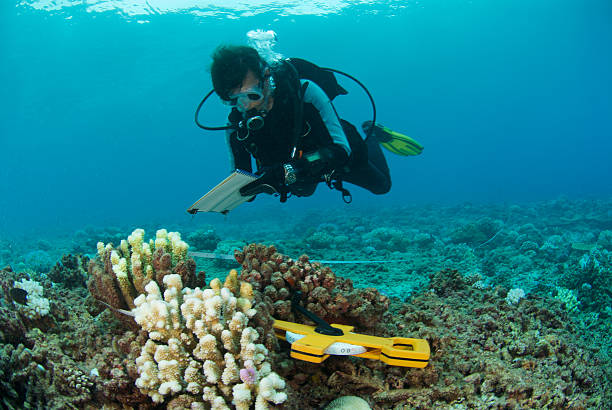
For years, the underwater world was a place we visited as observers—silent witnesses to a hidden realm. We’d descend, hover, snap a few photos of a passing turtle or a vibrant nudibranch, and ascend with nothing but memories and a full SD card. But the tide is turning. Today, the recreational diving community is evolving from passive tourists into the eyes and ears of the global scientific community.
This is the rise of the Citizen Scientist Diver. It’s a movement where your hobbyist photos are no longer just "pretty pictures" for your Instagram feed; they are vital data points that help marine biologists track species health, migration patterns, and the impacts of climate change. By simply uploading a photo to a global database, you are bridging a massive information gap that professional researchers alone cannot fill.
The Marine Data Gap: Why Scientists Need Your Help
The ocean covers over 70% of our planet, yet we have mapped more of the Moon and Mars than our own seafloor. Marine biologists face a daunting challenge: the ocean is too vast, and research budgets are too small. Traditional research expeditions are expensive, seasonal, and limited to specific geographic "hotspots."
This is where you come in. There are millions of active divers worldwide, hitting the water every single day of the year. While a scientist might get a grant to study a reef for two weeks in July, local divers are there in January, April, and October.
| Research Type | Scope | Frequency | Cost |
|---|---|---|---|
| Professional Expedition | Targeted / Localized | Occasional / Seasonal | High |
| Citizen Science | Global / Widespread | Daily / Year-round | Low (Volunteer) |
By contributing your sightings, you provide a longitudinal data set—a fancy way of saying you help scientists see how a reef changes over years, not just days. You help bridge the gap between "I think I saw a whale shark" and peer-reviewed data that can influence international conservation policy.
From Pixels to Patterns: How Photo ID Works
You might think your photo of a manta ray’s belly is just a cool shot, but to a researcher, that photo is a biological passport. Many marine species carry unique, permanent markings that act exactly like a human fingerprint.
The Science of Unique Markings
- Whale Sharks: The pattern of white spots behind their gills is unique to every individual.
- Manta Rays: The black spots on their ventral (belly) side never change throughout their lives.
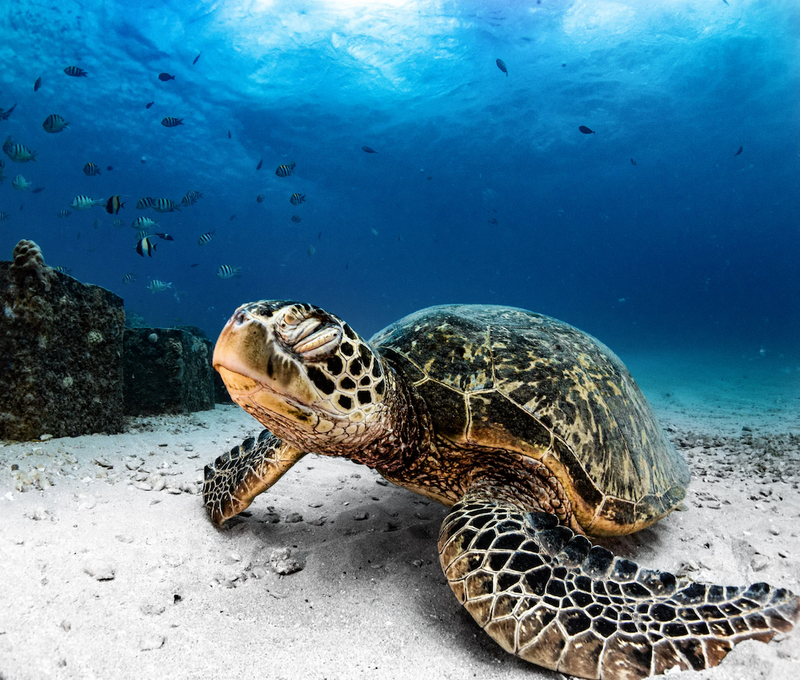
- Sea Turtles: The arrangement of facial scales (scutes) is distinct for every turtle.
- Humpback Whales: The shape and pigmentation on the underside of their tail flukes are one-of-a-kind.
Modern conservation relies heavily on AI and machine learning algorithms. When you upload a photo to a database, the software scans these patterns and compares them against thousands of other entries. If there’s a match, scientists can see where that animal was last spotted, how far it has traveled, and even if it has healed from previous injuries.
Expert Tip: The "where" and "when" are just as important as the "what." Ensure your camera's date and time are synced to your local time zone, and always note your exact dive site. This metadata is the backbone of scientific accuracy.
Global Platforms: Where to Submit Your Underwater Photos
Ready to put your photos to work? There are several platforms designed to intake diver data. Some are general, while others focus on specific "megafauna."
| Platform | Best For | Focus Area |
|---|---|---|
| iNaturalist | General biodiversity | All species (plants/animals) |
| eOceans | Real-time monitoring | Sharks, rays, and debris |
| Happywhale | Marine mammals | Whales and dolphins |
| Manta Matcher | Manta rays | Global manta identification |
| REEF | Fish populations | Structured species counts |
If you are looking to transition from casual snapping to structured data collection, the Reef Environmental Education Foundation (REEF) is the gold standard. Instead of just taking photos, you conduct "Volunteer Fish Surveys," recording every species you see during a dive. It turns a standard fun dive into a mission of discovery.

Monitoring the Small Stuff: Macro Photography as a Research Tool
While whale sharks get all the glory, the "small stuff" is often a better indicator of immediate ecosystem shifts. If you've already mastered the techniques in The Nudibranch Hunter’s Handbook, you are perfectly positioned to help.
Macro photography allows scientists to track range extensions. As oceans warm, tropical species are moving toward the poles. A photo of a specific nudibranch in a region where it "doesn't belong" is an early warning sign of shifting currents or temperatures.
Furthermore, your macro lens can document the health of Marine Algae. These "unsung heroes" are the foundation of the food web. By photographing algae blooms or seagrass health, you provide data on nutrient levels and water quality that satellite imagery often misses.
Documenting Rare Behaviors
Beyond identification, your camera can capture rare biological events:
- Mass Spawning: Documenting the exact night and temperature of coral or invertebrate spawning.
- Cleaning Stations: Identifying which species are acting as "cleaners" for larger fish.
- Predation: Capturing who is eating whom, which helps map the local food chain.
Early Warning Systems: Tracking Invasive Species and Reef Health
Divers are often the first to notice when something is wrong. We are the frontline defense against ecological imbalances.
The Invasive Threat
In the Atlantic and Caribbean, the lionfish invasion has been devastating. Divers have been instrumental in Lionfish Look-Alikes identification, helping to remove the invaders while protecting native species. If you spot an invasive species in a new area, your photo evidence can trigger an immediate management response.
Reef Health Indicators
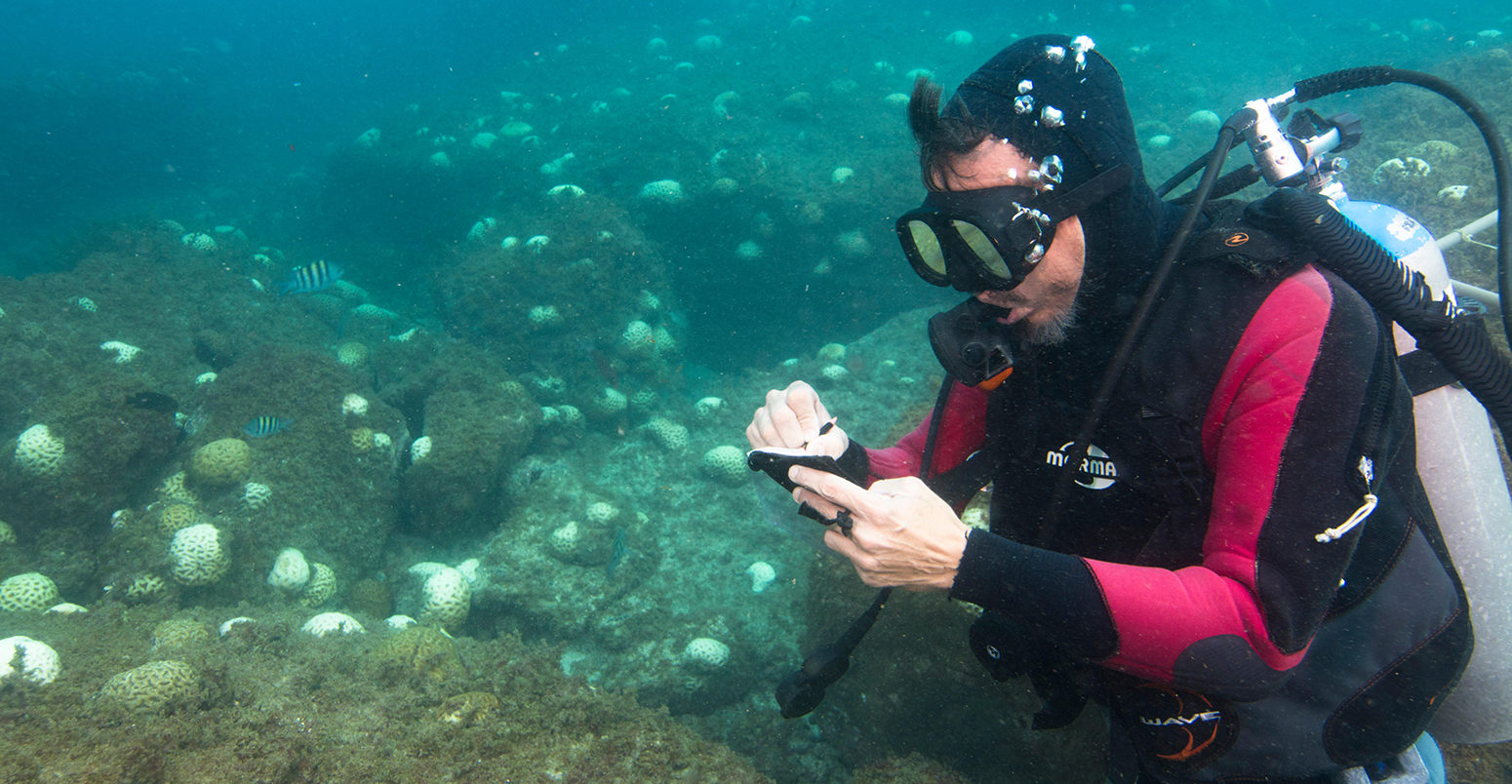
- Coral Bleaching: Photos of "white" coral help researchers map the severity of heatwaves.
- Drupella Snails: These coral-eating snails can decimate a reef if left unchecked. Photo reports help local rangers target removal efforts.
- Recovery Monitoring: After a major storm, "before and after" photos from recreational divers are often the only record scientists have of how quickly a reef regenerates.
Beyond the Visible: Documenting Light and Sound
Citizen science isn't limited to standard photography. As technology becomes more accessible, divers can contribute to cutting-edge sensory research.
Light Shows
If you enjoy night diving with blue lights, you can contribute to studies on Fluorescence vs. Bioluminescence. Recording which species exhibit biofluorescence helps biologists understand how marine life communicates and hides in the dark.
Underwater Chatter
With the rise of affordable underwater housings for smartphones and action cameras, more divers are capturing audio. This "underwater chatter" is gold for researchers Decoding Dolphin Communication. Even a 30-second clip of clicks and whistles can help identify specific pods or behaviors.
The Safety Stop Scientist
Don't turn your camera off at 5 meters! During your safety stop, keep an eye out for the Deep Sea's Daily Commute. Documenting larval fish or gelatinous zooplankton that rise from the depths can provide insights into the largest migration on Earth.
The Citizen Scientist’s Code of Conduct
Before you rush out to become the next Jacques Cousteau, remember that science never justifies habitat destruction.
- Master your buoyancy: Never touch the reef or sediment to get a "stable" shot.
- Respect the animal:
Chasing a turtle for a face shotis harassment. If the animal changes its behavior because of you, you are too close. - First, Do No Harm: A blurry photo from a distance is scientifically useful; a crisp photo of a stressed animal is not.
- Check your gear: Ensure no dangling gauges or octos are dragging on the coral while you focus on your screen.
Warning: Some species are highly sensitive to flash. When photographing "megafauna" like whale sharks, check local regulations regarding the use of strobes, as many citizen science projects prefer "natural light only" photos to avoid distressing the animals.
Practical Tips: How to Prepare Your Photos for Submission
To make your photos as useful as possible for researchers, follow these simple workflow steps:
1. The "Mugshot" Composition
For ID purposes, scientists need specific angles. For turtles, a side-profile of the face is best. For mantas, a direct shot of the belly. For fish, a clear side-on "lateral" view. Try to get the animal as level as possible with your lens.
2. Manage Your Metadata
Before you upload, ensure your EXIF data is intact. If your camera doesn't have built-in GPS (most don't), use a diving app or a simple notebook to record the coordinates of the dive site immediately after surfacing.
3. Join a Local Group
Many dive shops now host "Citizen Science Saturdays." These are great ways to learn from more experienced spotters and ensure your data is being funneled into the right local databases.
Conclusion: Your Next Dive Could Change Marine History
The days of diving as a purely selfish act are over. Every time you roll off the boat with a camera, you have the opportunity to contribute to the survival of the ecosystems we love. Your photo of a "random" reef shark in Indonesia might be the missing link in a migration study, or your macro shot of a nudibranch in the UK might prove that a species is migrating further north than ever recorded.
You are just a diver — You are a contributor to global science.
Don’t let your photos sit in a folder on your hard drive. Upload your first sighting to iNaturalist or Manta Matcher today. Your data matters, your observations count, and your next dive could truly change marine history.
Ready to start? Pick one photo from your last trip and upload it to a database tonight!