Loading...
marine-life#nudibranch habitats#sea slug hunting#underwater macro photography
Nudibranch Hunting 101: Identifying High-Probability Habitats for Sea Slugs
Pro Dive Vibes
February 28, 20269 min read
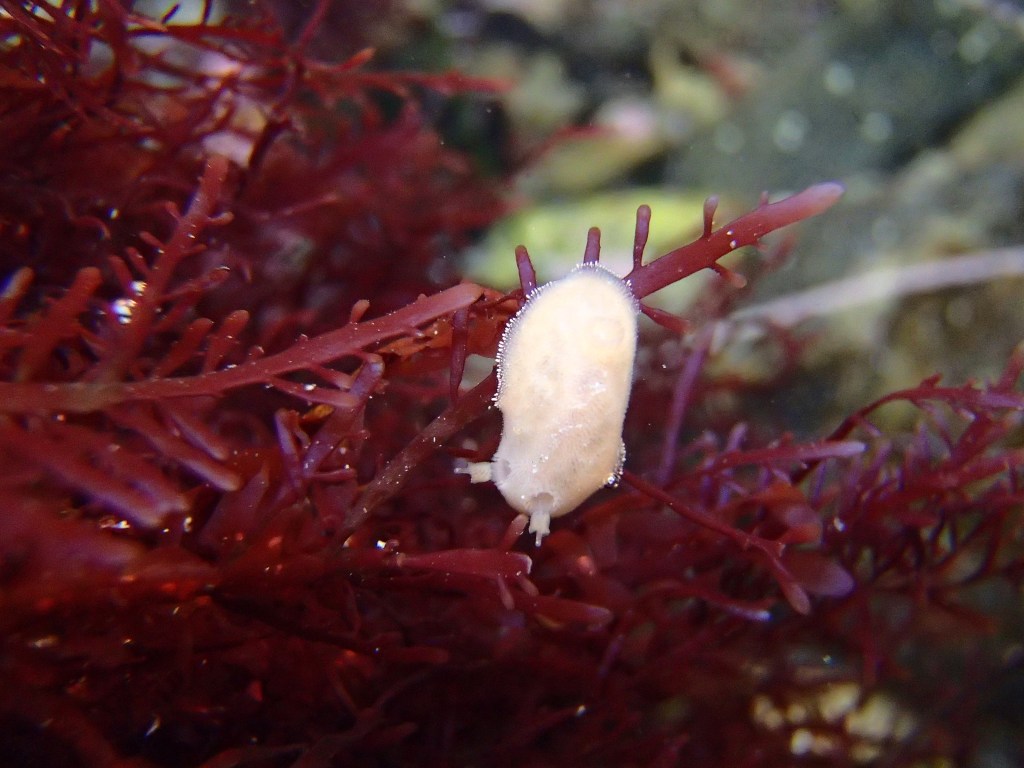
Every diver remembers the moment they spotted their first nudibranch. That tiny, neon-colored jewel sitting amidst a chaotic reef landscape feels like a reward for finally slowing down. But for many, finding these "sea slugs" feels like winning the lottery—a stroke of pure luck.
If you’ve read our Nudibranch Hunter’s Handbook, you already know the technical tricks for spotting these creatures without a macro lens. However, spotting is only half the battle. To become a truly elite "Nudi-Hunter," you must transition from random searching to a habitat-first strategy.
Nudibranchs are biologically tethered to their surroundings. Unlike fish that roam the water column, nudibranchs are remarkably sedentary. They are the ultimate homebodies of the ocean because they literally live on their dinner plates. By understanding the specific biological indicators of their preferred habitats, you can stop "looking" for nudibranchs and start "finding" them.
The Diet-Habitat Connection: You Are Where You Eat
The secret to finding a nudibranch is finding its food. Because these creatures are slow-moving and often lack physical defenses like shells, they have evolved to stay exactly where their specialized diet is most abundant. As we explored in The Chemical Arms Race, many nudibranchs don't just eat their prey; they incorporate its toxins into their own bodies for protection.
Sponge Gardens: The Dorid Stronghold
If you see a vibrant sponge garden, you are in the prime territory for Dorid nudibranchs. These are the "classic" nudibranchs—usually oval-shaped with a tuft of gills on their back.
- What to look for: Look for sponges that have small, circular "craters" or patches that look slightly different in texture. These are often graze marks.
- Why they are there: Dorid nudibranchs are masters of chemical extraction. They seek out toxic sponges to harvest secondary metabolites, turning a predator's meal into a lethal chemical shield.
Hydroid 'Forests': The Aeolid Hunting Grounds
If the reef looks a bit "fuzzy" or "feathery," you've found a hydroid colony. This is the preferred habitat for Aeolid nudibranchs, the species characterized by the finger-like projections (cerata) covering their backs.
- What to look for: Look for the "stings" or "pom-poms" of the reef. Hydroids look like tiny, translucent ferns or white feathers.
- The Strategy: Aeolids are often found at the tips of these hydroids, where they feed on the polyps. Because they are so slender, they often blend perfectly with the hydroid's structure.
| Nudibranch Type | Primary Food Source | Identifying Feature |
|---|---|---|
| Dorid | Sponges, Bryozoans | Exposed branchial plume (gills) |
| Aeolid | Hydroids, Anemones | Cerata (finger-like rows) |
| Sacoglossan | Algae, Seaweed | Often green; "sap-sucking" |
High-Probability Micro-Habitats to Scrutinize
Not all parts of a reef are created equal. To maximize your bottom time, you should prioritize "high-probability zones"—specific micro-habitats where the density of life is highest.
Vertical Walls and Overhangs
Gravity and current are your best friends when hunting for sea slugs. Vertical walls and the undersides of overhangs are hotspots for life because they are protected from heavy sedimentation (which can smother small organisms) and are exposed to nutrient-rich currents.
- The Search Pattern: Scan the ceiling of small "swim-throughs" or the vertical faces of pinnacles.
- The Physics: Many nudibranchs prefer these areas because the current brings a constant stream of plankton to the sponges and hydroids they inhabit.
The 'Algae Buffet'
Don't ignore the greenery! While many divers head straight for the coral, the shallow, sunlit areas filled with green algae or seagrass are home to the Sacoglossans, or sap-sucking sea slugs. These are often bright green and can be incredibly difficult to spot because they match their habitat perfectly.

Tunicates and Bryozoan Mats
Tunicates (sea squirts) and bryozoans (lace corals) are the overlooked "condos" of the reef. Many specialized nudibranch species, such as those in the Polyceridae family, feed exclusively on these.
- Look for: Patches of what looks like "moss" or small, rubbery tubes.
- Pro Tip: If you see a cluster of tunicates, pause for at least
30 seconds. The nudibranchs that live here are often translucent or match the tunicate's color exactly.
Why 'Muck' Isn't Just Mud
Muck diving—diving over silty, sandy, or volcanic bottoms—is the holy grail of nudibranch hunting. While it looks like a desert at first glance, the nutrient-rich silt is a goldmine for macro life.
- The Indicator: Look for small "islands" of debris, a single lonely sponge, or a discarded piece of wood. These act as oases where nudibranchs congregate.
- The Advantage: On a flat, silty bottom, a brightly colored nudibranch stands out much more than it does on a crowded coral reef.
Environmental Cues: When and Where the Slugs Appear
Success in the hunt is often about timing. Nudibranch populations are not static; they fluctuate based on environmental conditions.
The Role of Current
Moving water makes diving harder — actually, current is the lifeblood of the macro world. Stronger currents mean more food for the stationary organisms that nudibranchs eat.
Expert Advice: If you are on a drift dive, look for "eddies" or protected pockets behind large coral heads. Nudibranchs will often hunker down in these slightly calmer spots while still benefiting from the nutrient flow nearby.
Seasonal 'Blooms'
Many species are seasonal. You might see hundreds of Chromodoris species in the spring, only for them to disappear by late summer. This is often tied to water temperature and the reproductive cycles of their food sources.
- Check local dive logs for "Nudi-seasons"
- Monitor water temperature changes
- Look for "egg ribbons" (spiral-shaped egg masses) which indicate a high-density area
The Impact of Light
Most nudibranchs are sensitive to light. While they are active during the day, many prefer the shade. As we discussed in our guide on Fluorescence vs. Bioluminescence, some organisms even have unique light-reflecting properties. When hunting, check the shadows. A dark crevice that looks empty to the naked eye might be a vibrant disco of sea slugs when illuminated by a dive light.
The 'Imposter' Alert: Habitats Shared with Mimics
As you search these high-probability zones, you will inevitably encounter "imposters." Evolution is a competitive game, and as noted in Camouflage Masters, many creatures have evolved to look like nudibranchs to avoid being eaten.
Flatworms: The Master Mimics
Flatworms often occupy the exact same habitats as nudibranchs. They are also brightly colored and slow-moving. However, they are not sea slugs.
- How to tell the difference: Look at the head. Nudibranchs have rhinophores (scented tentacles that look like ears or horns). Flatworms do not; they simply have folds in their skin that can look like ears.
- The Movement: Flatworms are incredibly thin (like a piece of wet tissue paper) and move with a rhythmic, undulating motion. Nudibranchs are more "slug-like" and "meaty."
Refer to our deep dive, Beyond Nudibranchs: How to Identify Mimic Flatworms, to ensure your logbook entries are scientifically accurate!

Tactical Diving: How to Approach a High-Probability Zone
Finding the habitat is one thing; searching it without damaging it—or scaring away your subject—is another. This is where your skills as a diver truly matter.
1. Mastering Neutral Buoyancy
You cannot hunt for nudibranchs if you are struggling with your trim. To see the tiny details on a vertical wall, you need to be able to hover perfectly still, inches away from the reef, without touching anything.
- The Danger: Kicking up silt or crashing into a sponge garden not only ruins the visibility for your photos but can kill the very organisms you are trying to find.
- The Fix: Ensure you are properly weighted. If you are "floaty" at the end of the dive, you'll never be able to scrutinize the shallow algae beds where the Sacoglossans hide.
2. The 'Slow-Mo' Approach
Speed is the enemy of the nudibranch hunter. These animals are the "Lethal Sloths" of the ocean, as described in Nature’s Lethal Sloths. If you swim at a normal pace, your brain will filter out the tiny pops of color as "just more reef."
- The Rule: Pick a
1-meter by 1-metersquare of high-probability habitat (like a sponge-covered rock). Spend at least3 minutesstaring only at that square. You will be amazed at how many creatures "appear" once your eyes adjust.
3. Use a Dive Light (Even During the Day)
At depth, red and orange light is filtered out by the water. Many nudibranchs are red, pink, or orange. Without a light, they look like dull grey lumps.
- The Trick: Use a narrow-beam torch to scan the reef. The artificial light will "pop" the true colors of the nudibranch, making them stand out against the background.
Conclusion: Developing Your 'Nudi-Eye'
Becoming an expert nudibranch hunter is about moving away from the "search and find" mentality and toward an "analyze and discover" approach. Instead of looking for a tiny slug in a massive ocean, look for the sponges, the hydroids, and the sheltered overhangs.
By identifying these high-probability habitats, you are essentially narrowing the ocean down to a few square meters of prime real estate. Remember: Look for the food, and you'll find the jewels.
On your next dive, try to log not just the species you saw, but the habitat where you found them. Did you find that Nembrotha on a green tunicate? Was the Chromodoris on a purple sponge? Over time, you’ll develop a "Nudi-Eye" that allows you to predict exactly where these colorful rebels are hiding before you even hit the water.
Happy hunting, and stay buoyant!