Loading...
marine-life#lionfish#invasive species#Atlantic Ocean
Lionfish Look-Alikes: Spot the Difference & Protect Atlantic Reefs
Pro Dive Vibes
February 19, 202610 min read

Introduction: The Lionfish Invasion & Why Identification Matters
The Atlantic Ocean, Caribbean Sea, and Gulf of Mexico are facing a formidable challenge: the invasion of the lionfish ( Pterois volitans and Pterois miles). These strikingly beautiful, yet highly predatory fish, are not native to these waters, and their presence is wreaking havoc on delicate coral reef ecosystems. They devour native fish and invertebrates at an alarming rate, disrupting the food chain and hindering the recovery of already stressed reef environments.
Why does accurate identification matter? Because mistaking a lionfish for a similar-looking native species can have dire consequences. Unnecessary harm to indigenous marine life can result from misidentification. Divers and snorkelers are on the front lines of this ecological battle, and their ability to correctly identify lionfish is crucial for effective management and conservation efforts.
This blog post is your guide to distinguishing lionfish from their look-alikes. We'll delve into the key characteristics of lionfish and explore the common species they are often confused with. By learning to spot the differences, you can become a citizen scientist and play a vital role in protecting our precious reefs! Join us as we explore the world of lionfish and their deceptive doppelgangers. Let's dive in and become reef guardians!
Lionfish 101: Key Characteristics
Lionfish are characterized by their distinctive appearance, which includes:
- Stripes: Bold stripes of red, brown, white, or black cover their bodies.
- Venomous Spines: Dorsal, pectoral, and anal fins are adorned with venomous spines. These spines are used for defense, not aggression, but a sting can be extremely painful to humans.
- Size: Lionfish typically range in size from
5to15inches, although some individuals can grow larger. - Fan-like Pectoral Fins: Their most striking feature is their large, fan-like pectoral fins, which add to their elegant, yet menacing, appearance.
- Habitat: They prefer coral reefs, rocky areas, and artificial structures like shipwrecks and piers.
- Diet: Lionfish are voracious predators, feeding on small fish and invertebrates, often consuming prey much larger than their own mouths.
The Case of Mistaken Identity: Common Lionfish Look-Alikes
While lionfish have a unique appearance, several native species can be easily confused with them, especially by novice divers or in low-visibility conditions.
It's crucial to remember that misidentification can lead to unnecessary harm to native species. Imagine the impact of mistakenly harming a native scorpionfish because you thought it was a lionfish! Therefore, taking the time to learn the key differences is essential for responsible reef exploration.
Let's explore some of the most common lionfish look-alikes and how to tell them apart.
Look-Alike #1: Scorpionfish (Scorpaena spp.)
Scorpionfish are perhaps the most common source of confusion with lionfish. They share similar habitats and a spiny appearance, but there are key distinctions.
- Camouflage Coloration: Scorpionfish are masters of camouflage, blending seamlessly with their surroundings. Their coloration can range from reddish-brown to mottled gray, making them difficult to spot.
- Spiny Appearance: Like lionfish, scorpionfish have spines, but their spines are generally shorter and less prominent.
- Smaller Size: Most scorpionfish species are smaller than lionfish, typically reaching lengths of
2to10inches. - Lack of Prominent Stripes: While some scorpionfish may have subtle markings, they lack the bold, contrasting stripes that characterize lionfish.
- Habitat: They prefer similar habitats to lionfish, including coral reefs, rocky areas, and seagrass beds.
- Distinguishing Features: The biggest difference is the lack of the large, flowing, fan-like fins that lionfish possess. Scorpionfish also tend to be more squat and camouflaged.

Expert Tip: Pay close attention to the fins! Lionfish have large, ornate fins, while scorpionfish fins are smaller and less elaborate.
Key Differences:
- Stripes: Lionfish have bold, distinct stripes; scorpionfish are generally mottled or camouflaged.
- Fin Shape: Lionfish have large, fan-like pectoral fins; scorpionfish have smaller, less prominent fins.
- Size: Lionfish tend to be larger than most scorpionfish species.
Look-Alike #2: Frogfish (Antennariidae)
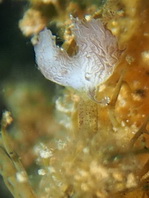
Frogfish, with their bizarre appearance and camouflage abilities, can sometimes be mistaken for lionfish, especially by those unfamiliar with marine life.
- Globular Shape: Frogfish have a rounded, globular body shape, unlike the more streamlined body of a lionfish.
- Camouflage Coloration and Texture: They are masters of disguise, with coloration and skin texture that perfectly mimic their surroundings, such as sponges or algae.
- Modified Dorsal Fin Spine: Frogfish possess a unique "fishing lure," a modified dorsal fin spine that they use to attract prey.
- Small Size: Most frogfish are relatively small, typically ranging from
2to6inches. - Habitat: They inhabit coral reefs, sponges, and algae-covered areas.
- Distinguishing Features: The presence of the lure and the overall shape are key indicators. They also lack the distinct spine arrangement of a lionfish. Frogfish are often brightly colored and have a textured appearance.
Key Differences:
- Shape: Lionfish have a more streamlined body; frogfish are globular.
- Lure: Frogfish have a distinctive lure; lionfish do not.
- Spines: Frogfish lack the prominent spines in the same arrangement as lionfish.
Look-Alike #3: Wrasse (Labridae)
Some juvenile wrasse or those with unique color variations can occasionally be confused with lionfish, particularly at a quick glance.
- Elongated Body Shape: Wrasse have a long, slender, and more streamlined body shape compared to the lionfish.
- Bright Colors: Many wrasse species are vibrantly colored, with a wide range of hues and patterns.
- Active Swimmers: Wrasse are active swimmers, constantly moving and foraging for food.
- Habitat: They inhabit coral reefs and seagrass beds.
- Distinguishing Features: The streamlined body shape of the wrasse is the most apparent difference. While some wrasse species may have similar coloration, the overall body type immediately distinguishes them from lionfish.
.jpg)
Key Differences:
- Body Shape: Wrasse have an elongated body; lionfish have a more robust body.
- Behavior: Wrasse are active swimmers; lionfish are more stationary.
- Spines: Wrasse lack venomous spines.
Look-Alike #4: Sea Robins (Triglidae)
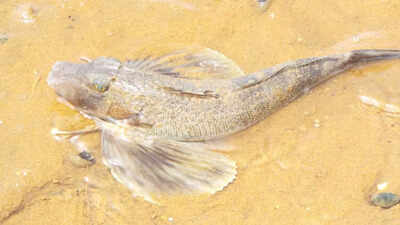
Sea robins are a less common source of confusion, but their large pectoral fins can sometimes resemble those of a lionfish, especially in murky waters.
- Bony Head and Body: Sea robins have a distinctive bony head and body.
- Large Pectoral Fins: They possess large, fan-like pectoral fins that they use to "walk" along the seabed.
- Barbels Under the Chin: Sea robins have barbels (whisker-like appendages) under their chin that they use to sense food.
- Habitat: They prefer sandy or muddy bottoms.
- Distinguishing Features: Sea robins are bottom-dwelling fish. They lack the distinct stripes and flowing fins of a lionfish and have barbels under their chin.
Key Differences:
- Habitat: Sea robins are bottom dwellers; lionfish are typically found on reefs and structures.
- Body Shape: Sea robins have a bony head and body; lionfish have a more streamlined body.
- Barbels: Sea robins have barbels under their chin; lionfish do not.
A Quick Reference Table: Lionfish vs. Look-Alikes
| Species Name | Key Characteristics | Habitat | Distinguishing Features |
|---|---|---|---|
| Lionfish | Stripes, venomous spines, fan-like fins | Coral reefs, rocky areas, artificial structures | Bold stripes, large flowing fins, venomous spines |
| Scorpionfish | Camouflage, spiny appearance | Coral reefs, rocky areas, seagrass beds | Smaller fins, mottled coloration, squat body shape |
| Frogfish | Globular shape, camouflage, lure | Coral reefs, sponges, algae | Rounded body, fishing lure, lacks prominent spines |
| Wrasse | Elongated body, bright colors, active swimmer | Coral reefs, seagrass beds | Streamlined body shape, active swimming, no venomous spines |
| Sea Robin | Bony head, large pectoral fins, barbels under chin | Sandy or muddy bottoms | Bottom-dwelling, bony head, barbels under chin |
What to Do If You Spot a Lionfish
If you spot a lionfish while diving or snorkeling, it's crucial to report your sighting. Your information can help track the spread of these invasive species and inform management efforts.
-
Report the sighting: Contact your local authorities or conservation organizations. Some useful resources include:
- NOAA (National Oceanic and Atmospheric Administration): Check their website for regional contacts.
- Reef Environmental Education Foundation (REEF): https://www.reef.org/lionfish
-
Provide details: When reporting, include the date, time, location (GPS coordinates if possible), estimated size of the lionfish, and any other relevant information.
Warning: Do not attempt to capture or handle lionfish unless you are properly trained and equipped. Their venomous spines can cause severe pain.
Lionfish removal is often carried out by trained divers who are equipped with specialized tools, such as spears or collection containers. Check local regulations regarding lionfish culling, as permits or specific guidelines may be in place.
Lionfish Culling: Responsible Removal Practices
Lionfish culling is a management strategy aimed at reducing lionfish populations in invaded areas. However, it's crucial to approach culling responsibly and ethically.
- Get trained: Proper training is essential for safe and effective culling. Learn how to handle lionfish and use culling tools correctly.
- Use appropriate equipment: Utilize specialized spears, nets, or collection containers designed for lionfish culling.
- Handle with care: Always be aware of the venomous spines and avoid direct contact. Wear gloves and use puncture-resistant containers.
- Dispose of culled lionfish responsibly: Follow local guidelines for disposal. Do not discard them back into the water.
- Consider eating them: Lionfish are actually delicious and sustainable! Many restaurants now serve lionfish, helping to create a market for this invasive species.
Did you know? Lionfish meat is white, flaky, and similar in taste to snapper or grouper.
Conclusion: Be a Reef Guardian!
Accurate identification and responsible action are key to protecting our reefs from the lionfish invasion. By learning to distinguish lionfish from their look-alikes, you can avoid harming native species and contribute to effective management efforts.
Continue learning about marine life and conservation efforts. Stay informed about the latest research and best practices for lionfish control.
Become an informed diver and protect our reefs! Every dive is an opportunity to make a difference. By being observant, responsible, and proactive, you can help preserve the beauty and biodiversity of our underwater world.
Thank you for joining us on this important journey! Let's work together to be reef guardians and protect our oceans for future generations.