Loading...
marine-life#coral spawning#mass spawning event#night diving tips
Synchronization of the Reef: How to Predict and Dive the Annual Coral Spawning
Pro Dive Vibes
February 28, 20269 min read

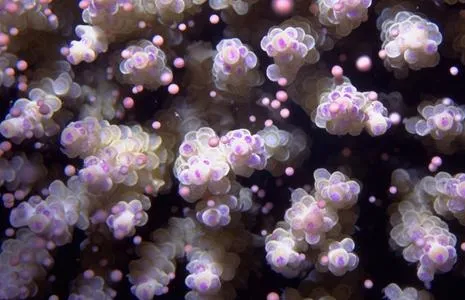
Imagine descending into the familiar darkness of your favorite reef. Your dive light cuts through the water, revealing the usual cast of nocturnal characters—a moray eel on the hunt, a few sleeping parrotfish in their mucous cocoons. But then, something shifts. Within minutes, the water isn't clear anymore. It’s filled with millions of tiny, colorful spheres rising slowly toward the surface like an "underwater blizzard" in slow motion.
This isn't a scene from a sci-fi film; it’s the annual mass coral spawning, arguably the most exclusive after-hours party in the ocean. For a few brief hours each year, entire reef systems synchronize their biological clocks to release gametes into the water column simultaneously. It is a moment of pure, unadulterated renewal.
For the enthusiast diver, witnessing this event is the ultimate bucket-list experience. It is the one night when the reef transforms from a collection of individual organisms into a single, pulsing entity dedicated to the survival of the species.
The Biology of the Blizzard: Broadcast Spawning vs. Brooding
To appreciate the scale of a mass spawning event, we have to look at the "how" and "why" of coral reproduction. Most stony corals are broadcast spawners. Unlike brooding corals, which fertilize eggs internally and release developed larvae, broadcast spawners release their eggs and sperm directly into the open water.
Understanding the 'Bundle'
If you look closely at a spawning colony, you won’t just see clouds of "smoke." You will see distinct, BB-sized spheres. These are gamete bundles. Most reef-building corals are hermaphroditic, meaning a single colony produces both male and female reproductive cells. To maximize the chances of successful fertilization while minimizing the risk of self-fertilization, the coral packs its eggs and sperm into a buoyant pink, orange, or white bundle.
Building on Reproduction: Mass Events vs. Intimate Trysts
While mass spawning is a chaotic, reef-wide spectacle, it stands in stark contrast to other marine mating rituals. For example, the Twilight Tryst of Mandarinfish is a nightly, highly choreographed dance between two individuals. Coral spawning is the opposite—it’s a demographic explosion. By releasing everything at once, corals use a "predator swamping" strategy. There are so many gametes in the water that the local fish population simply cannot eat them all, ensuring that millions of potential larvae survive to drift away.
The Master Clock: How Corals Sync Their Watches
How does a brain coral on one side of the reef know exactly when to release its bundles at the same time as a staghorn coral half a mile away? They don't have calendars, but they do have an incredibly sophisticated "master clock" governed by environmental cues.
- The Lunar Connection: The moon is the primary "starting gun." Most spawning events occur a specific number of days after the full moon. The lunar cycle provides a consistent, predictable rhythm that corals have evolved to follow over millennia.
- Water Temperature: While the moon sets the day, the season is determined by the sun. Corals wait for the water to reach a specific thermal threshold—usually after the seasonal peak of warming. This ensures the metabolic rates of the developing larvae are optimal.
- Tidal Influence: Corals typically spawn during slack tide (the period between high and low tide when water movement is minimal). This prevents the gametes from being immediately swept away by strong currents, giving the eggs and sperm more time to find each other in the water column.
- Chemical Signaling: There is mounting evidence that corals release
pheromonesinto the water. When the first few colonies begin to "set," the chemical scent triggers a chain reaction across the reef, ensuring everyone joins the party at the exact same moment.
Predicting the Peak: When to Book Your Boat
Predicting the exact night of the spawn is part science and part local lore. While the general windows are well-known, the specific night can shift based on cloud cover or late-season storms.
| Region | Primary Spawning Window | Peak Timing |
|---|---|---|
| Great Barrier Reef | November - December | 4 to 6 nights after the full moon |
| Caribbean (Bonaire/Cozumel) | August - September | 7 to 10 nights after the full moon |
| Red Sea | April - May | Varies by species (often earlier in the lunar cycle) |
| Gulf of Mexico (Flower Garden Banks) | August | 7 to 8 nights after the full moon |
| Indo-Pacific (Palau/Philippines) | Multiple times per year | Often follows the full moons in March and October |
Expert Tip: Don't just rely on a calendar. Contact local dive shops at least six months in advance. Many veteran dive masters keep "spawning calculators" based on decades of personal logs and can tell you which week offers the highest probability.
Diver’s Guide to Spotting the Signs
If you are in the water on the right night, you still need to know what to look for before the "blizzard" begins. The reef gives off subtle clues that the event is imminent.
Pre-game Indicators: 'Setting'
About 30 to 60 minutes before the release, you can witness a behavior called setting. If you look closely at the polyps of branching corals like Acropora, you will see the colored gamete bundles sitting just inside the "mouth" of the polyp. It looks like the coral is holding its breath.
The Smell of the Sea
Believe it or not, you can often "smell" the spawn before you even get in the water. As the gametes are released and some break at the surface, they release a distinct, pungent, and slightly sweet organic odor. If the air on the boat deck suddenly smells like a mix of "fresh watermelon and old sea salt," get your fins on—it's happening.
The Symphony of the Sea
The reef is never truly silent, but during a spawn, the acoustic profile changes. As we discussed in The Symphony of the Sea: A Diver’s Guide to Identifying Common Reef Sounds, the usual "crackling" of snapping shrimp might intensify, or you might notice a frantic increase in the sounds of small fish feeding as they realize the buffet is about to open.

Essential Gear and Techniques for Spawning Dives
Diving during a spawn is not like a standard night dive. It requires a specific etiquette and a specialized gear setup to ensure you don't interfere with the very process you're there to see.
Lighting Etiquette
Standard white LED lights can be highly disruptive. Some corals are sensitive to light and may delay or stop spawning if a high-lumen beam is pointed directly at them.
- Use Red Filters: Many corals cannot see the red end of the light spectrum. Using a red light or filter allows you to observe the "setting" behavior without "blinding" the polyps.
- Backlighting: For photographers, try backlighting the bundles to capture the translucent quality of the eggs.
Buoyancy Mastery
This is the ultimate test of your buoyancy skills. You will be surrounded by millions of delicate bundles. If you have poor trim, you risk kicking the coral or creating turbulence that disperses the gametes too quickly. You need to stay neutral and motionless, hovering mid-water like a ghost.
Night Dive Safety and Orientation
In the middle of a "blizzard," it is incredibly easy to lose your sense of direction. The sheer volume of particles in the water can create a "white-out" effect, making it hard to see your buddy or the boat’s moorings.
- Carry a primary, backup, and tank marker (glow stick or strobe).
- Monitor your depth gauge constantly; without a visual floor, you might accidentally descend.
- Revisit Vertical Migration concepts to understand how light and pressure help you maintain orientation in the dark.
The 'Fluorescence' Factor
If you really want to see the magic, bring a UV (ultraviolet) light. As we explored in our guide to Fluorescence vs. Bioluminescence, many corals and their gametes are highly fluorescent. Under UV light, the spawning bundles can glow in neon greens and oranges, creating a psychedelic light show that looks like a galaxy of stars.
The Morning After: What Happens to the Larvae?
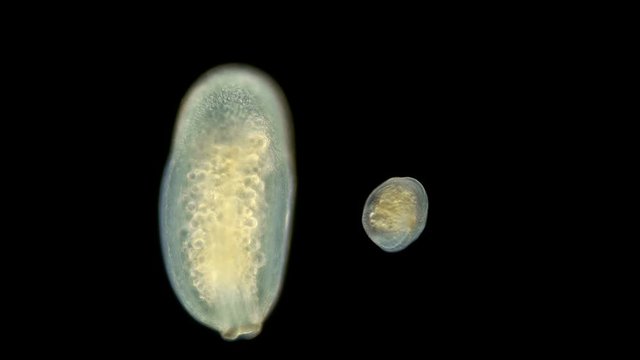
Once the blizzard subsides, the real work begins. The fertilized eggs develop into tiny, swimming larvae called planulae. These planulae will drift in the currents for days or even weeks.
Most people think the spawn is just a feast for fish. While it is an "all-you-can-eat" buffet for whale sharks, manta rays, and nocturnal snappers, the sheer volume of the spawn ensures that many planulae survive. Eventually, these larvae will follow chemical cues to find a clean, hard substrate to land on. They will then metamorphose into a single polyp, beginning the decades-long process of building a new coral colony.
This cycle is critical for reef resilience. In an era of climate change and coral bleaching, successful spawning events are the primary way reefs recover and maintain genetic diversity.
Conclusion: Becoming a Guardian of the Bloom
Witnessing the synchronization of the reef is a transformative experience for any diver. It reminds us that the ocean is not just a collection of sights, but a complex, living system with its own rhythms and requirements.
As you plan your trip to witness this "underwater blizzard," remember that you are a guest at a very sensitive event. Respect the reef, maintain your buoyancy, and use appropriate lighting. By being a responsible observer, you help ensure that these "exclusive after-hours parties" continue for generations to come.
Are you ready to time your next adventure with the moon? Check your local dive calendars, prep your DIN or Yoke regulators, and get ready to witness the ocean’s greatest ritual of renewal. The blizzard is coming—don't miss it.
Further Reading
- What is coral spawning?
- Synchrony on the reef: how environmental factors shape coral spawning patterns in Acropora corals in the Maldives - PMC
- Coral spawning patterns in the Gulf of Thailand reveal synchronised annual daytime spawning, with a review of spawning patterns in Pavona co
- Smoke Show: Where to Dive Top Coral Spawn Events | Scuba Diving