Loading...
marine-life#clownfish anemone symbiosis#nematocysts#marine biology for divers
Beyond the Sting: The Chemical Romance Between Anemones and Clownfish
Pro Dive Vibes
February 28, 20269 min read
The Reef’s Most Iconic Power Couple
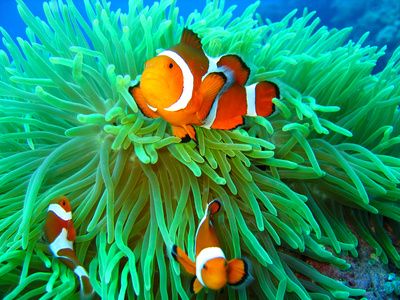
If you’ve spent any time underwater, you’ve likely hovered over a swaying carpet of tentacles to watch a vibrant orange-and-white fish dart in and out of the foliage. It is the quintessential image of the tropical reef. However, we need to move beyond the 'Finding Nemo' Hollywood myth that portrays this relationship as a simple domestic comedy. In reality, the bond between the clownfish (anemonefish) and its host anemone is a high-stakes biological drama, a complex masterclass in mutualism where neither species could easily survive without the other.
In the natural world, symbiosis comes in many forms, but this specific "Chemical Romance" is one of the most sophisticated. While many divers see a cozy home, they are actually looking at a lethal predator—the anemone—and a fish that has essentially hacked its way into a fortress. Setting the stage for this relationship is the reef itself: a vibrant but dangerous environment where the anemone’s tentacles represent a "no-go zone" for almost every other living creature.
The Anatomy of a Sting: How Anemones Hunt
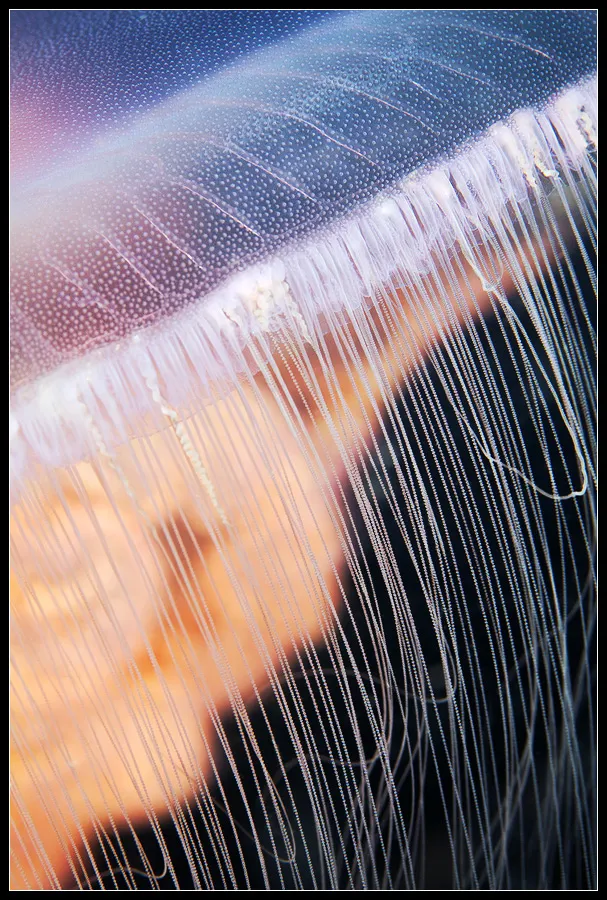
To appreciate how impressive the clownfish’s feat is, we first have to understand the weapon it is living inside. Anemones belong to the phylum Cnidaria, the same family as jellyfish and corals. Their primary tools for hunting and defense are nematocysts.
These are microscopic, spring-loaded harpoons contained within specialized cells called cnidocytes. When a fish brushes against a tentacle, a combination of physical pressure and chemical signals triggers these harpoons. They fire with incredible velocity, injecting a cocktail of neurotoxins that paralyze the prey almost instantly.
| Target | Reaction to Anemone Sting | Outcome |
|---|---|---|
| Small Crustaceans | Instant paralysis | Consumption |
| Most Reef Fish | Severe pain/tissue damage | Flight or death |
| Human Divers | Burning sensation/rash | Discomfort |
| Clownfish | No reaction | Safe harbor |
The trigger mechanism is incredibly sensitive. It doesn't just respond to touch; it responds to the "smell" of proteins on the skin of a potential meal. This is why other fish—and even unwary divers—should treat the anemone’s "hug" with extreme caution. For most, those beautiful, waving arms are a field of landmines.
The Chemical Cloak: How Clownfish Hack the System
How does the clownfish survive a contact that would kill another fish of the same size? The answer lies in a "Chemical Cloak." For decades, marine biologists debated the "Mucus Mystery": is the protection produced by the fish itself, or is it stolen from the host?
Recent research into the innate vs. acquired immunity debate suggests it is a bit of both. Clownfish are born with a thicker-than-average mucus layer that lacks the specific proteins (sialic acids) that trigger the anemone’s nematocysts. However, this isn't enough for total immunity. As the fish matures, it engages in molecular mimicry. By rubbing against the anemone, the fish coats itself in the anemone’s own mucus.
Essentially, the clownfish chemically "disguises" itself as part of the anemone. The anemone’s tentacles don't sting the fish for the same reason they don't sting themselves—the chemical signature says "I am me, not food." This strategy of using chemistry for defense is a common theme on the reef; for instance, we see similar chemical brilliance in our exploration of The Chemical Arms Race: Why Nudibranchs Are the Ocean’s Most Colorful Rebels, where sea slugs steal toxins from their prey to protect themselves.
The First Date: The Acclimatization Dance
Watching a juvenile clownfish or a displaced adult find a new host is one of the most fascinating rituals you can observe on a dive. It isn't a case of "love at first sight." Instead, it is a cautious, calculated "dance" of acclimatization.
- Initial Contact: The fish will hover near the anemone, occasionally darting in to let a single fin or a small patch of skin touch the tips of the tentacles.
- The Withdrawal: If the fish feels a "nibble" from the stingers, it retreats, waits, and tries again.
- Physical Testing: Over several hours, the fish increases the frequency and duration of contact. This physical testing helps build up the protective mucus layer and ensures the chemical signature is perfectly synced.
- Full Immersion: Only after this ritual is complete will the fish safely dive deep into the center of the host.
This process is essential for survival. Without this "first date," even a clownfish can be stung and consumed by its intended host.
A Two-Way Street: What the Anemone Gets in Return
In many symbiotic relationships, one partner does all the work. But the clownfish-anemone bond is a true trade of services, much like the partnership we see between the Goby and Pistol Shrimp.
Expert Insight: Never assume the clownfish is just a "tenant." It is more like a live-in security guard and gardener.
- Defense Against Predators: While anemones have stings, they are vulnerable to specialized predators like butterflyfish. A feisty clownfish will aggressively charge at a butterflyfish ten times its size to protect its home.
- Nutritional Benefits: Science has shown that anemones with resident fish grow faster and have higher rates of asexual reproduction. This is largely due to "anemonefish poop"—rich in ammonia—which acts as a high-grade fertilizer for the anemone’s tissues.
- Aeration and Cleaning: As the clownfish swims through the tentacles, its constant movement prevents water stagnation and removes debris or parasites that could harm the host.
The Social Hierarchy of the Tentacles
The world within the tentacles is not a democracy; it is a strict, female-led autocracy. Every anemone hosts a social ladder that dictates the life of every resident fish.
At the top of the hierarchy is the dominant female, who is the largest fish in the group. Below her is the breeding male, and below him are several smaller, sexually immature non-breeders. This social structure is maintained through size-based aggression; the female keeps the male in check, and the male keeps the juveniles in check.
The most fascinating aspect of this social structure is protandrous hermaphroditism. All clownfish are born male. If the dominant female dies or is removed, the breeding male undergoes a rapid biological change. His testes regress, ovaries develop, and within a few weeks, he becomes the new dominant female. The largest of the non-breeders then steps up to become the new breeding male. This ensures that the colony can continue to reproduce without having to wait for a new female to arrive from the open ocean.
.jpg)
Not All Anemones Are Created Equal
While there are over 1,000 species of sea anemones, only 10 species are known to host clownfish. Furthermore, not every clownfish can live in every anemone. Some species, like the Premnas biaculeatus (Maroon Clownfish), are notoriously "monogamous" to the Bubble-Tip Anemone.
| Anemone Species | Common Name | Notable Feature |
|---|---|---|
| Entacmaea quadricolor | Bubble-Tip Anemone | Bulbous tips on tentacles |
| Heteractis magnifica | Magnificent Anemone | Brightly colored columns (purple/red) |
| Stichodactyla haddoni | Haddon’s Carpet Anemone | Short, sticky tentacles; flat shape |
| Macrodactyla doreensis | Long-Tentacle Anemone | Reddish base, long flowing arms |
As a diver, identifying the host is the first step to identifying the fish. And remember, the anemone is a bustling apartment complex. If you look closely, you might find other tenants like porcelain crabs or anemone shrimp, which we cover in our guide Beyond Clownfish: Unveiling the Secret Lives of Anemone Dwellers.
Threats to the Romance: Climate Change and Bleaching
The chemical romance between these two species is fragile. Rising sea temperatures cause anemones to undergo bleaching, just like corals. When the water gets too warm, the anemone expels the symbiotic algae (zooxanthellae) living in its tissues, causing it to turn ghostly white and lose its primary energy source.
When an anemone bleaches, the clownfish loses its protection and its "fertilizer" source. Even more concerning is the impact of ocean acidification. Increased CO2 levels in the water can interfere with a clownfish’s olfactory senses. They essentially "lose their sense of smell," making it impossible for them to find their way back to their host anemone or detect the chemical signals of predators.
Diver’s Etiquette: Observing the Romance Without Ruining It
As divers, we are privileged guests in this underwater world. However, our presence can be stressful. A clownfish that is busy defending its home from a diver’s camera lens is a clownfish that isn't eating, cleaning, or watching for actual predators.
- Check your buoyancy: Never kick up sand or sediment near an anemone; it clogs their feeding mechanisms.
- Maintain distance: Use a zoom lens for photography rather than shoving a GoPro into the tentacles.
- Watch for stress signs: If the clownfish is darting aggressively at your mask or "chirping" (yes, they make sound!), you are too close.
- Don't touch: Even if you think you have "tough skin," the oils on your hands can damage the delicate mucus layer of both the fish and the host.
Warning: Never attempt to "feed" a clownfish or an anemone. It disrupts their natural hunting cycles and can introduce harmful bacteria into their environment.
Conclusion: The Enduring Magic of the Reef’s Bond
The relationship between the anemone and the clownfish is a testament to the ingenuity of evolution. It is a bond forged in toxins and sealed with a chemical kiss. Understanding the science behind the sting—the molecular mimicry, the social transitions, and the mutual defense—transforms a simple "fish sighting" into a deep appreciation for the reef’s complexity.
Next time you find yourself hovering over a Magnificent Anemone, take a moment to look past the bright colors. Observe the "dance" of the juveniles, the watchful eye of the dominant female, and the swaying tentacles of the host. It’s a reminder that on the reef, survival isn't just about being the strongest; it's about finding the right partner and mastering the chemistry of connection.
Ready to see this romance in person? Check out our latest dive gear reviews to ensure your buoyancy is on point for your next macro photography session!
Further Reading
- Sea anemone and clownfish microbiota diversity and variation during the initial steps of symbiosis - PMC
- Clownfish avoid the sting of their anemone hosts with sugary slime | New Scientist
- Mucus Coat Protects From Sea Anemone — Biological Strategy — AskNature
- OIST discovers clownfish avoid sea anemone stings by reducing surface sugars | News | Science Japan