Loading...
marine-life#anemone#anemone dwellers#clownfish
Beyond Clownfish: Unveiling the Secret Lives of Anemone Dwellers
Pro Dive Vibes
February 19, 20268 min read

Beyond Clownfish: Unveiling the Secret Lives of Anemone Dwellers
Imagine descending into the crystal-clear waters of a vibrant coral reef. Sunlight dances through the surface, illuminating a kaleidoscope of colors. You approach a magnificent sea anemone, expecting to see the familiar sight of clownfish darting in and out of its tentacles. But wait! Something else catches your eye – a tiny, translucent shrimp with vibrant purple spots, meticulously cleaning the anemone's disc. This unexpected encounter is just a glimpse into the fascinating world of anemone dwellers, a community far more diverse than just clownfish.
Sea anemones, members of the phylum Cnidaria, are predatory polyps that use stinging cells called nematocysts to capture prey. These nematocysts deliver a potent venom, paralyzing small fish and crustaceans. Anemones play a crucial role in the reef ecosystem, providing shelter and habitat for a variety of other organisms.
While clownfish have become synonymous with anemones, they are just one piece of a much larger puzzle. This blog post will delve into the secret lives of these fascinating creatures, showcasing the diverse symbiotic and commensal relationships that exist within the anemone ecosystem. We'll explore the unique adaptations that allow these animals to thrive amongst the stinging tentacles, revealing a hidden world of beauty and complexity.
The Iconic Clownfish: A Symbiotic Superstar
The relationship between clownfish and anemones is a classic example of symbiosis, where both species benefit. The clownfish gains protection from predators, as most fish avoid the stinging tentacles of the anemone. In return, the clownfish may help keep the anemone clean by eating algae and parasites, and their movements can improve water circulation around the anemone.
Clownfish possess a special mucus coating that protects them from the anemone's stings. This coating, which is believed to be derived from the anemone itself, prevents the nematocysts from firing. Through a gradual acclimation process, the clownfish develops immunity to the anemone's venom.
There are many different species of clownfish, each with its own preferred anemone host. Some clownfish species are highly selective, only associating with a single type of anemone, while others are more adaptable. Here are a few examples:
- Ocellaris Clownfish (Amphiprion ocellaris): Perhaps the most recognizable clownfish, thanks to its starring role in "Finding Nemo." They are commonly found in anemones such as Heteractis magnifica and Stichodactyla gigantea.
- Tomato Clownfish (Amphiprion frenatus): Known for its bright red-orange coloration, the Tomato Clownfish prefers anemones like Entacmaea quadricolor.
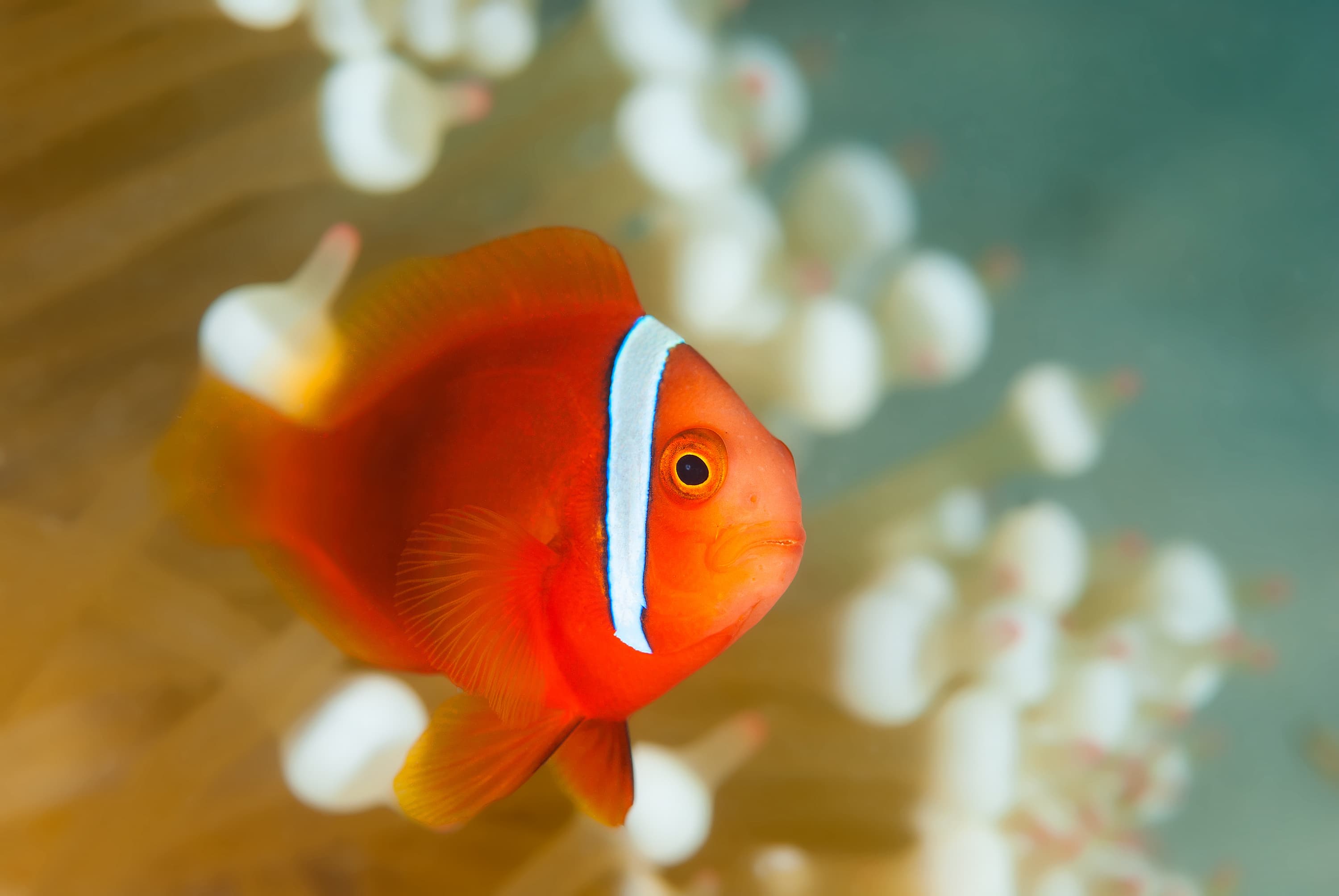
- Maroon Clownfish (Premnas biaculeatus): The largest and most aggressive clownfish species, the Maroon Clownfish typically associates with Entacmaea quadricolor anemones. They often have a distinctive spine on their cheek.
.jpg)
Shrimp Sensations: Tiny Tenants with Big Personalities
Beyond the familiar clownfish, anemones also host a variety of shrimp species. These anemone shrimp are often overlooked but play a significant role in the anemone ecosystem. Many anemone shrimp are characterized by their transparent bodies and colorful markings.
These shrimp have a commensal relationship with anemones, meaning they benefit from the association while the anemone is neither harmed nor helped. They are often seen cleaning the anemone, removing parasites, and scavenging for food particles. Here are some common species:
- Anemone Shrimp (Periclimenes brevicarpalis): These shrimp are easily recognizable by their clear bodies with large, dark blotches outlined in white. They are typically found in anemones such as Heteractis magnifica and Stichodactyla mertensii. Their commensal relationship sees them sheltered and protected by the anemone.

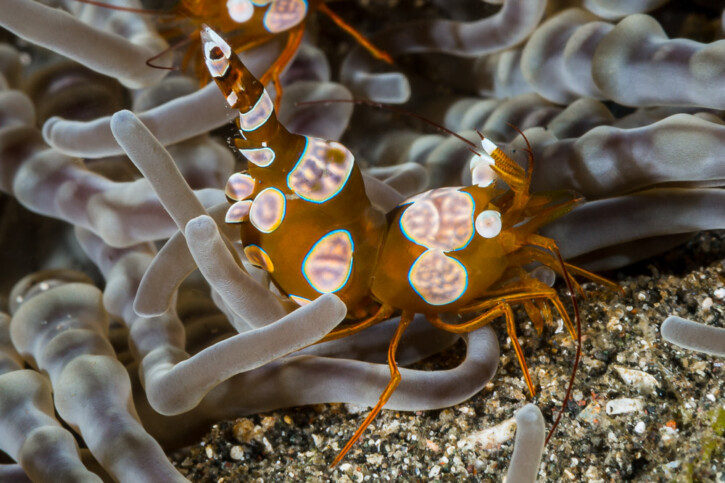
- Sexy Shrimp (Thor amboinensis): These tiny shrimp are known for their distinctive tail-wagging behavior, which gives them their name. They are often found in groups on anemones and feed on algae and small invertebrates.
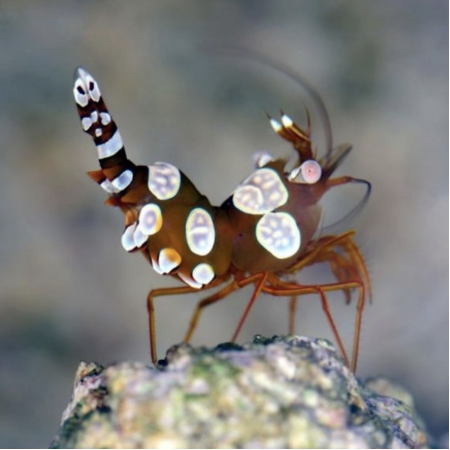
- Squat Shrimp (Thor spp.): These small shrimp are often found clinging to the tentacles of anemones. They are masters of camouflage and blend in seamlessly with their host.
Crab Companions: Armored Allies of the Anemone
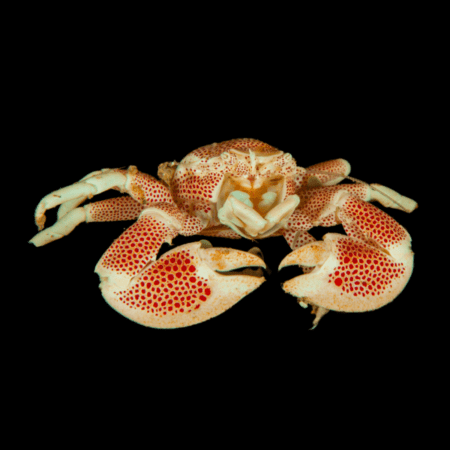
While not as well-known as clownfish or shrimp, several crab species also associate with anemones. These crab companions have developed unique adaptations to survive amongst the stinging tentacles.
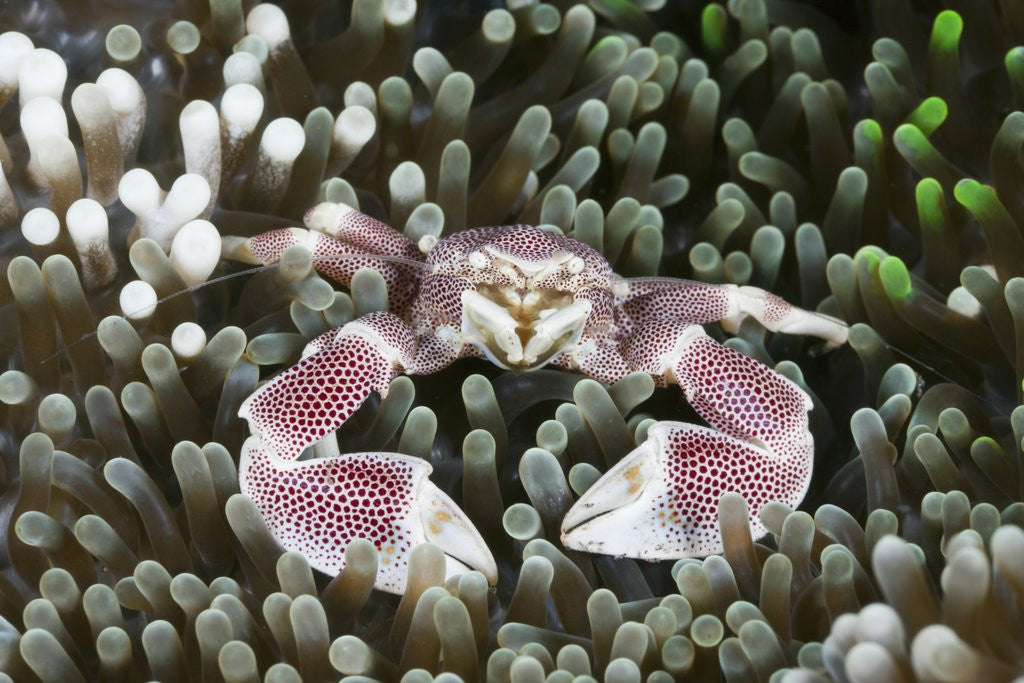
- Porcelain Anemone Crab (Neopetrolisthes maculatus): These crabs are characterized by their flattened body shape and filter-feeding behavior. They use specialized appendages to capture plankton and other small particles from the water. They are often found in pairs on anemones.
- Anemone Spider Crab (Mithraculus sculptus): This species is a scavenger and may help keep the anemone clean by feeding on detritus and algae. They are less reliant on the anemone for shelter than other anemone dwellers and are often found nearby.
Worms in the Web: Unexpected Inhabitants
Perhaps the most surprising inhabitants of anemones are worms, specifically polychaete worms. These worms in the web may seem like unlikely companions, but they play a role in the anemone ecosystem. They have diverse feeding strategies, acting as detritivores, scavengers, and even parasites.
- Anemone Worm (Eurythoe complanata): While typically free-living, these bristle worms are sometimes found near or even within anemones. Caution should be exercised as they possess stinging bristles that can cause irritation. Their role within the anemone ecosystem is not fully understood, but they likely feed on detritus and small invertebrates.
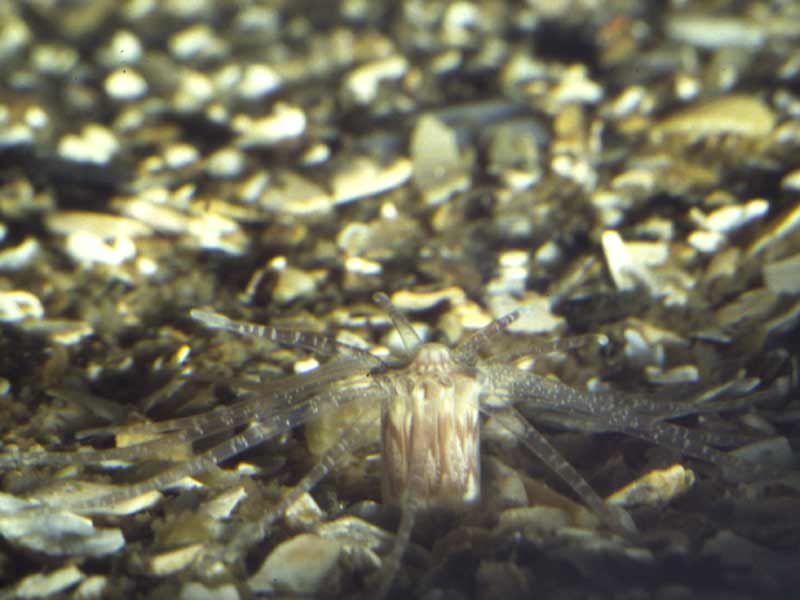
Expert Tip: Identifying worms to the species level from photographs can be challenging. Focus on observing their general characteristics and behavior.
The Rare and Remarkable: Less Common Anemone Guests
The anemone ecosystem is full of surprises, and there are always new discoveries to be made. Here are a few of the less frequently observed anemone dwellers:
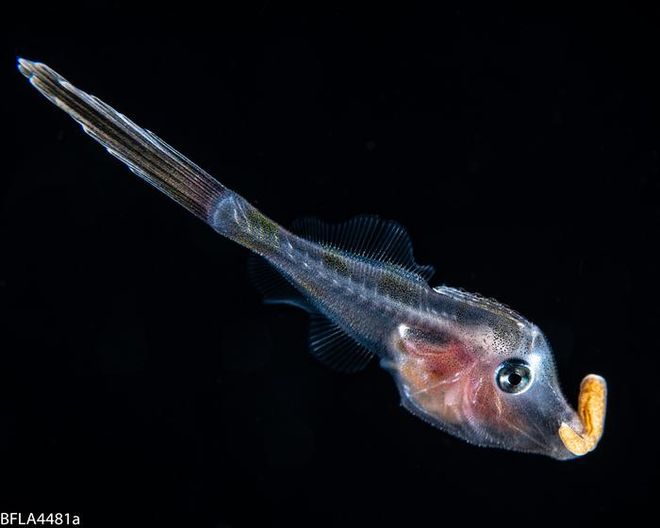
- Juvenile Filefish: Some species of filefish may seek refuge in anemones when they are young, using the stinging tentacles as protection from predators.
- Certain types of Gobies: Similar to clownfish, some gobies may develop a tolerance to anemone stings and form a symbiotic relationship with the anemone.
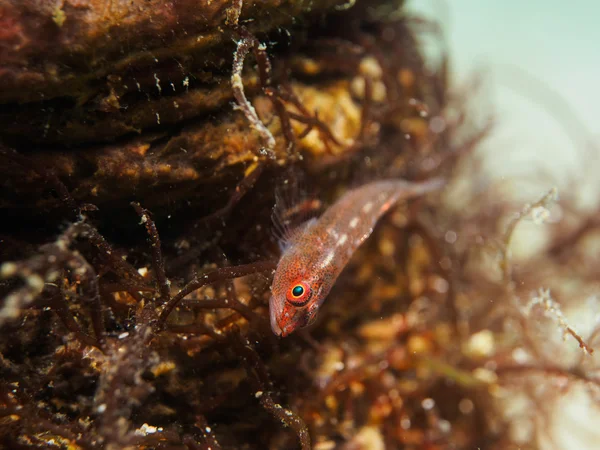
These rare encounters highlight the complexity and diversity of the anemone ecosystem.
The Secret to Coexistence: Understanding the Mechanisms
The ability of these diverse creatures to coexist within the stinging embrace of an anemone is a testament to the power of adaptation and the intricate web of relationships that exist in the marine world.
- Mucus Coating: As previously mentioned, clownfish possess a unique mucus coating that prevents the anemone's nematocysts from firing.
- Acquired Immunity: Some species may develop a tolerance to the anemone's venom through repeated exposure.
- Behavioral Adaptations: Many anemone dwellers have developed behavioral adaptations to avoid contact with the stinging tentacles, such as carefully navigating around them or cleaning the anemone to reduce the density of nematocysts.
The study of these complex relationships is ongoing, and scientists are constantly learning more about the mechanisms that allow these creatures to thrive in such a challenging environment.
Diving Deeper: How to Observe Anemone Dwellers Responsibly
When diving or snorkeling near anemones, it is crucial to observe them responsibly to avoid disturbing them or their inhabitants.
Tip: Maintain a safe distance from the anemone and avoid touching it or its inhabitants.
- Maintain a safe distance: Avoid getting too close to the anemone, as this can stress the animal and its inhabitants.
- Avoid touching the anemone or its inhabitants: Touching the anemone can damage its delicate tissues and disrupt the symbiotic relationships.
- Be mindful of buoyancy: Poor buoyancy control can lead to accidental contact with the reef, damaging the anemone and other marine life.
Warning: Always be mindful of your fins and equipment to avoid damaging the reef.
By following these simple guidelines, you can enjoy the beauty of the anemone ecosystem without causing harm.
Conclusion: A World Within a World
The world of anemone dwellers is far more diverse and fascinating than most people realize. Beyond the iconic clownfish, a multitude of creatures, from shrimp and crabs to worms and gobies, have found a way to thrive within the stinging embrace of the anemone. These symbiotic and commensal relationships highlight the interconnectedness of marine ecosystems and the importance of responsible observation and conservation.
The next time you encounter an anemone on a dive, take a closer look. You might be surprised at the hidden world of life that it shelters.
Share your own anemone encounters and photos in the comments below! What fascinating creatures have you observed living amongst the stinging tentacles?