Loading...
marine-life#seahorse photography#how to find seahorses#ethical underwater photography
Seeking Seahorses: The Ultimate Guide to Finding and Photographing Them Ethically
Pro Dive Vibes
August 4, 20265 min read
Introduction: The Quest for the Ocean's Most Elusive Dwellers
For scuba divers, there is a distinct, heart-stopping magic in spotting a seahorse in the wild. Unlike the rapid-fire action of a passing reef shark or the playful dance of a sea lion, finding a seahorse is an exercise in extreme patience, quiet observation, and a bit of luck. These tiny, enchanting creatures look less like fish and more like mystical chess pieces brought to life. It is no wonder that spotting one is a top bucket-list achievement for divers around the globe.
However, these animals are as fragile as they are fascinating. To truly appreciate them, we must first understand their delicate nature. From their lack of a true stomach to their highly specialized prehensile tails, seahorses possess some of the most unique evolutionary traits in the animal kingdom. If you want a deep dive into how these bizarre creatures function, check out our comprehensive guide, Seahorses 101: The Mind-Bending Biology of the Ocean’s Most Delicate Fish.
The primary challenge in finding a seahorse lies in their legendary defense mechanism: camouflage. They are absolute masters of blending into their surroundings, growing fleshy filaments to mimic algae, or matching their skin color and texture perfectly to the corals they inhabit. To learn more about how marine life hides in plain sight, explore our guide on Camouflage Masters: Spotting the Sneaky Creatures of the Sea.
In this ultimate guide, we will unlock the secrets to finding these cryptic creatures. We will cover how to identify prime seahorse habitats, train your eyes to break through their camouflage, read their subtle body language, and capture breathtaking photos without causing them stress.
Seahorse Hotspots: Where to Look on Your Next Dive
To find a seahorse, you have to think like one. Because they are notoriously poor swimmers, seahorses avoid strong currents and open water. Instead, they seek out sheltered, shallow environments rich in structural complexity.
Preferred Habitats
Your best bet for finding seahorses is to explore shallow seagrass beds, mangrove roots, and quiet estuaries. These environments provide both a rich buffet of tiny crustaceans and excellent protection from predators. Don't overlook muddy or seemingly "boring" sandy bottoms either; muck diving sites are goldmines for unique seahorse species.
The Importance of "Holdfasts"
Because seahorses can easily be swept away by water movement, they spend the vast majority of their lives anchored to "holdfasts." A holdfast is any structure a seahorse can wrap its prehensile tail around. When scanning a dive site, pay close attention to:
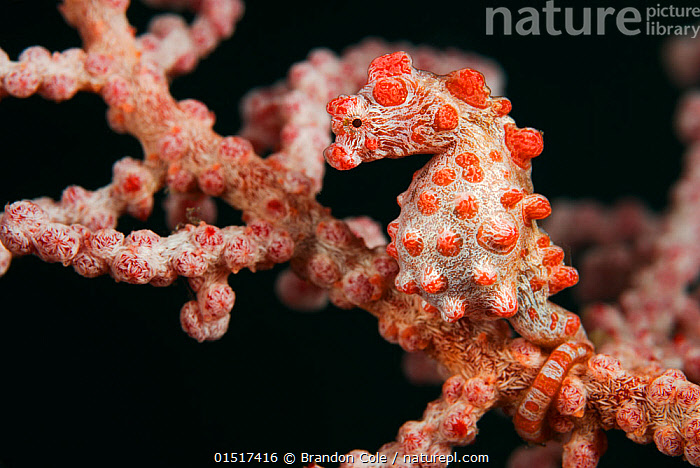
- Gorgonians and sea fans (the exclusive home of tiny pygmy seahorses)
- Sponges and soft corals
- Marine algae and drifting sargassum weed
- Man-made structures such as jetty pilings, boat moorings, and shark nets

Global Destinations for Seahorse Sightings
While seahorses can be found in both tropical and temperate waters worldwide, certain destinations are legendary among macro enthusiasts.
| Region | Famous Species | Primary Habitat |
|---|---|---|
| Lembeh Strait, Indonesia | Bargibant's Pygmy Seahorse (Hippocampus bargibanti) | Gorgonian sea fans on deep reefs |
| Sydney, Australia | White's Seahorse (Hippocampus whitei) | Estuarine seagrass and artificial swimming nets |
| Raja Ampat, Indonesia | Denise's Pygmy Seahorse (Hippocampus denise) | Deep soft coral walls |
| Florida Keys, USA | Lined Seahorse (Hippocampus erectus) | Shallow seagrass beds and floating sargassum |
| Southern Coast, UK | Spiny Seahorse (Hippocampus guttulatus) | Eelgrass meadows in shallow bays |
The Art of the Spot: How to Train Your Eyes
Spotting a seahorse requires a complete shift in how you dive. If you swim at a normal pace, you will glide right past them. Training your eyes to find these masters of disguise is a skill that takes time to develop, but these techniques will fast-track your success.
Slow Down Your Dive
Rushing is the ultimate enemy of macro spotting. Adopt a "slow-motion" dive style. Choose a small area—perhaps a single patch of seagrass or a lone jetty piling—and hover there. Spend five to ten minutes scanning just a few square meters.
Look for the Silhouette
Do not look for a whole seahorse; instead, look for the distinctive curved shape of their tail or the unmistakable profile of their snout. Nature rarely creates perfect right angles or neat, repeating curves. The elegant, question-mark silhouette of a seahorse's back and tail will often stand out against the chaotic, messy background of a reef or seagrass bed.

Watch for Subtle Movement
Even when perfectly camouflaged, a seahorse must breathe and look around. Watch for:
- The rapid, almost invisible flutter of their tiny, translucent pectoral fins on the sides of their head.
- The independent, twitching rotation of their eyes (much like a chameleon) as they scan for prey.
- The gentle rise and fall of their operculum (gill cover) as they respire.
Pro Tip: Leverage local knowledge! Hiring a local dive guide is the single most effective way to spot seahorses. These guides dive the same sites daily, know the exact soft corals where resident seahorses live, and can point them out without damaging the delicate surrounding reef.
Ethical Encounters: Reading Seahorse Body Language
Because seahorses cannot swim away quickly, they are incredibly vulnerable to harassment. As divers, we must prioritize their well-being over our curiosity. Understanding their body language is key to ensuring our presence does not cause them harm.
Recognizing Signs of Stress
Seahorses communicate discomfort through subtle physical cues. If you notice any of the following behaviors, back away immediately:
- Color changes: Turning significantly darker or suddenly pale.
- Turning away: Constantly turning their back to you or hiding their head behind their holdfast.
- Rapid respiration: Flaring their gills or breathing rapidly.
- Tail-clamping: Tucking their head tightly down toward their chest and wrapping their tail as tightly as possible around their holdfast.
[[IMAGE: stressed seahorse hiding behind