Inner Ear Barotrauma vs. Inner Ear DCS: Diagnosing Vestibular Emergencies Under Pressure
Imagine hanging in a blue void at 15 meters, completely detached from any visual reference. Suddenly, your horizontal plane tilts violently. The underwater world begins to spin in a chaotic, dizzying whirl. Nausea hits you instantly, accompanied by a cold sweat and a sudden loss of the ability to distinguish up from down. This is the reality of sudden underwater vertigo—one of the most terrifying and dangerous physiological emergencies a diver can experience.
In the underwater environment, a functioning vestibular system is a primary key to survival. When it fails, the resulting spatial disorientation can lead to panic, rapid uncontrolled ascents, drowning, or lethal decompression accidents. For dive professionals, technical divers, and medical responders, encountering a diver with acute vestibular symptoms presents a high-stakes clinical puzzle.
Two primary, yet fundamentally different, pathologies drive these emergencies: Inner Ear Barotrauma (IEBT) and Inner Ear Decompression Sickness (IEDCS). While their clinical presentations can look nearly identical on the surface, their underlying mechanisms are completely distinct. Distinguishing between them is one of the most critical diagnostic challenges in diving medicine, as treating one with the protocol meant for the other can lead to permanent, irreversible damage.
Anatomy of the Inner Ear: Vestibular and Cochlear Vulnerability
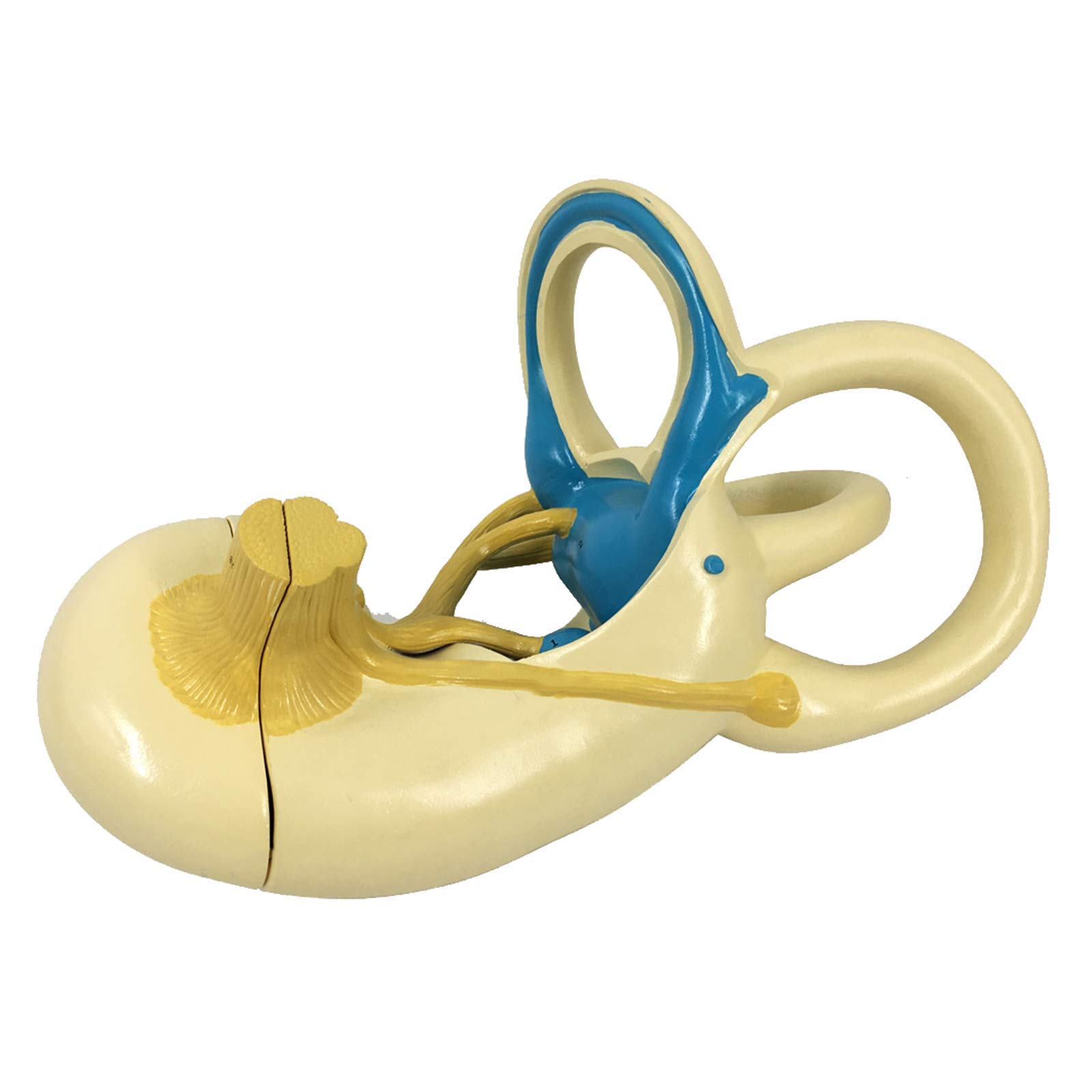
To understand why the inner ear is so uniquely vulnerable to the physics of pressure, we must look at its highly complex anatomical architecture. Encased deep within the dense petrous portion of the temporal bone lies the labyrinth, a delicate structure split into two functional systems: the cochlea (the organ of hearing) and the vestibular apparatus (the organ of balance, consisting of the semicircular canals, utricle, and saccule).
The entire inner ear is filled with specialized fluids. The delicate membranous labyrinth contains endolymph, a potassium-rich fluid, and is suspended within a bath of sodium-rich perilymph. These two fluid compartments