Saltwater Micro-Aspiration: How Inhaling Fine Mist Causes Silent Airway Resistance and Hypoxia
Introduction: The Invisible Mist in Your Regulator
Every certified diver is trained to handle the sudden, shocking influx of water that comes from a flooded mask or a completely free-flowing regulator. We practice the coughing fits, the regulator clearing methods, and the emergency ascents designed to manage macro-aspiration—the inhalation of gross liquid water that triggers our body’s violent, protective airway reflexes 1.
But there is a far more insidious threat operating below the threshold of our conscious awareness: saltwater micro-aspiration.
Unlike swallowing a wave at the surface, micro-aspiration is the inhalation of an ultra-fine, aerosolized saline mist. This mist is often so delicate that it bypasses the throat’s primary defense mechanisms, steering clear of the laryngospasm and coughing fits that warn us of danger 1. Instead, these microscopic droplets travel deep into the lower respiratory tract, settling directly in the bronchioles and alveoli.
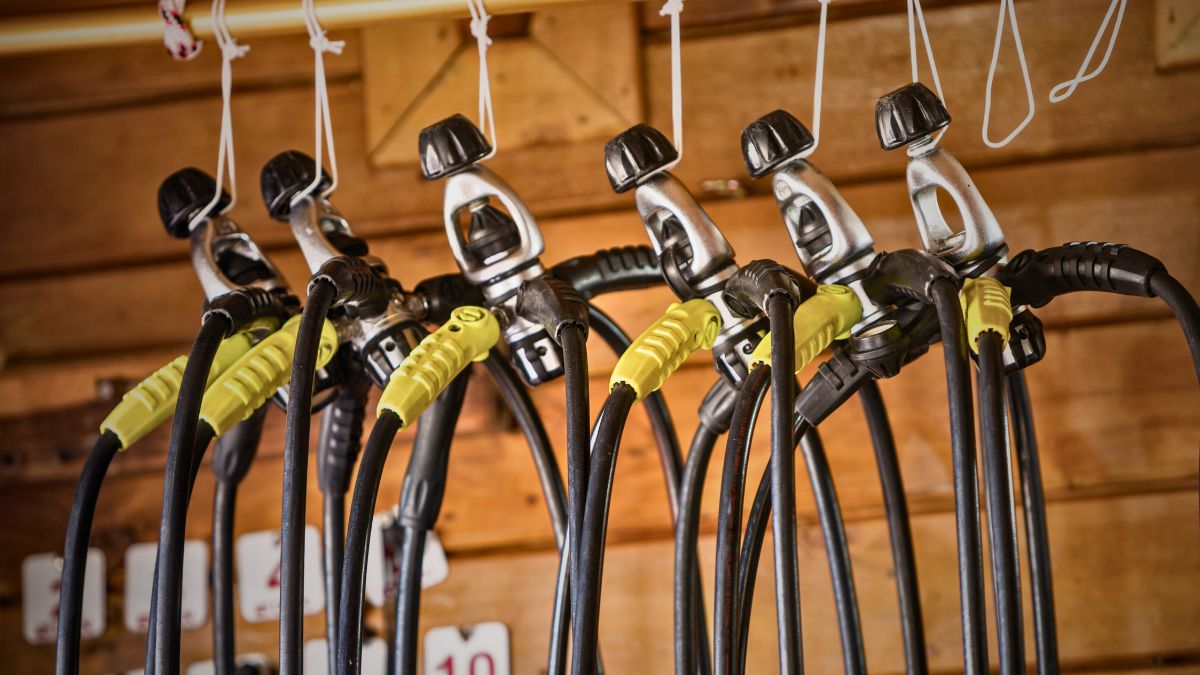
Standard scuba regulators, by their very design, can become micro-nebulizers under certain conditions. High-velocity gas passing over tiny pools of residual water in the second-stage housing shears the liquid into droplets measuring less than 10 microns in diameter. Because these droplets are so small, they do not trigger the mechanoreceptors in the upper airway that initiate the cough reflex. Instead, they initiate a silent physiological cascade that compromises lung function, spikes your breathing effort, and can lead to hypoxia without you ever realizing you inhaled water.
The Hypertonic Trigger: How Saltwater Disrupts Alveolar Chemistry
To understand why a fine mist of saltwater is so damaging, we must look at the delicate chemistry of the deep lung. The alveoli—the microscopic air sacs where gas exchange occurs—are lined with a microscopic layer of water and a highly specialized lipid-protein complex known as pulmonary surfactant.
This surfactant layer is critical to your survival. It reduces the surface tension within the alveoli, preventing these tiny air sacs from collapsing during exhalation and minimizing the physical effort required to reinflate them during inhalation. You can explore the foundational role of these surface-active agents in our detailed guide on surfactants and the scuba diver.
When you inhale aerosolized saltwater, you introduce a highly hypertonic solution into an environment designed for strict osmotic balance. Standard seawater has a salinity of approximately 3.5%, whereas human blood and interstitial fluids sit at a tightly regulated `
Further Reading
- Salt water aspiration syndrome — Grokipedia
- Salt Water Aspiration Syndrome Causes and Best Treatment
- SCUBA SCOOP/latest dive stories: Salt Water Aspiration and Scuba Diving
- Diving and pulmonary physiology: Surfactant binding protein, lung fluid and cardiopulmonary test changes in professional divers - PubMed