Face-to-Face with Giant Mantas: A Globe Trotter’s Log from Socorro Island
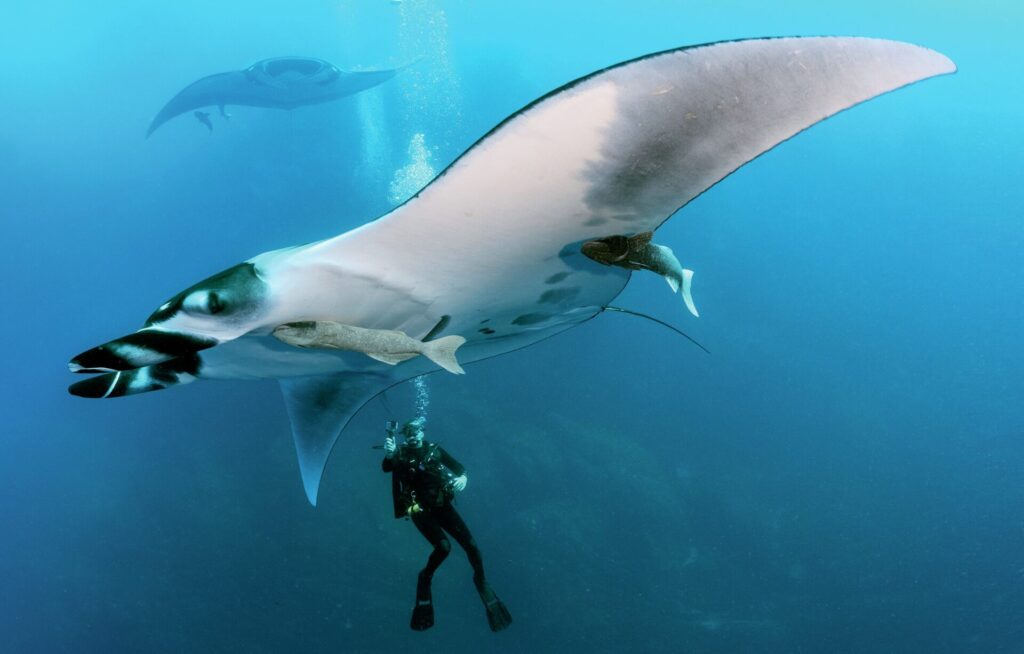
Having logged dives in some of the world's most breathtaking waters—from the kaleidoscopic coral walls of Raja Ampat to the hammerhead-heavy drifts of Cocos Island—I thought I knew what to expect from epic pelagic encounters. But coming Face-to-Face with Giant Mantas: A Globe Trotter’s Log from Socorro Island completely redefined my understanding of wild ocean connections. Here at Pro Dive Vibes, a scuba diving and underwater adventure website built for passionate explorers, we are always searching for premier remote dive-spots that leave an indelible mark on your soul. Socorro Island is undeniably one such realm.
Setting Sail for the 'Galapagos of Mexico'
Located approximately 250 miles off the southern tip of the Baja California peninsula, the Revillagigedo Archipelago—popularly known as the Socorro Islands—is a volcanic biosphere reserve thrust out of the deep Pacific Ocean. Comprising four uninhabited islands (Socorro, San Benedicto, Roca Partida, and Clarión), this UNESCO World Heritage Site is accessible only via multi-day liveaboard vessels crossing open ocean waves.
While iconic destinations like Darwin Island in the Galapagos offer adrenaline-pumping, high-current shark passes, Socorro offers something uniquely emotional: intimate, curiosity-driven interactions with giant oceanic manta rays (Mobula birostris). The volcanic seamounts act as ocean oases, attracting massive pelagics out of the blue, making every single descent feel like a leap into untamed wilderness.

Face-to-Face with Giant Mantas: What Makes Socorro Encounters So Unique?
Unfiltered Eye Contact & Bubble Bath Seeking
Nothing prepares you for the moment a 6-meter (20-foot) wingspan giant oceanic manta glides down from the surface, turns its head, and locks its deep black eye directly onto yours. Unlike mantas in many parts of the world that simply tolerate divers or feed passively, the mantas of Socorro actively seek out human interaction.
They are notoriously famous for swimming directly into exhaust bubbles, coasting mere inches above your head to feel the sensation of tickling bubbles against their bellies.
Globetrotter Tip: Maintain your position, stay calm, and let the manta dictate the distance. Never reach out to touch them; their natural curiosity will bring them so close you will feel the pressure wave of their giant cephalic fins as they pass over.
Understanding Species Scale: Giant Oceanic vs. Reef Mantas
Divers often confuse different species of rays. Before embarking on this expedition, brush up on our Manta or Mobula identification guide to learn the anatomical markers. While reef mantas (Mobula alfredi) reach max widths of 4 meters and inhabit shallow coastal lagoons, Socorro is dominated by giant oceanic mantas (Mobula birostris), which can span up to 7 meters (23 feet) across and weigh over 1,500 kilograms.
Day Cleaning Stations vs. Night Feeding Crays
If you have experienced the magical plankton-fueled spectacle of the Kona Manta Ray Night Dive, Socorro presents an entirely different dynamic. In Kona, mantas perform barrel rolls over underwater floodlights in the dark to feed on plankton. At Socorro, encounters happen in bright daylight over cleaning stations, where clarion angelfish groom parasites from the mantas' skin while
Further Reading
- Nautilus Liveaboards - Socorro Island Liveaboard Diving
- Giant Manta Rays in Mexico: Diving With Oceanic Mantas at Socorro Island
- Giant mantas and dolphins of Socorro Island - Nautilus Explorer
- Giant Mantas – Come dive with giant Manta rays of San Benedicto Island, Roca Partida and Socorro Island! Encounter friendly dolphins, Humpba