My Night Under the Stars: A Review of the Bioluminescent Dive Spots in Vieques, Puerto Rico
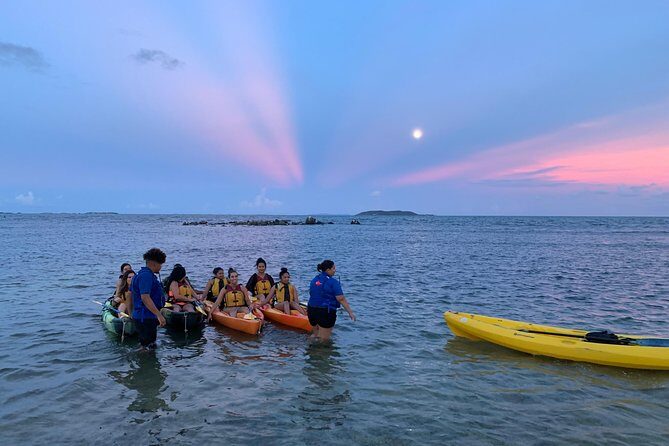
Imagine stepping off a quiet sandy shore and wading into a liquid galaxy. With every movement of your hand, the water erupts in a swirl of electric, neon-blue light. It feels less like swimming on Earth and more like floating through a deep-space nebula. This is the reality of visiting Vieques, a small island off the eastern coast of Puerto Rico that holds one of the most spectacular natural wonders on our planet: Mosquito Bay. Officially recognized by the Guinness Book of World Records as the brightest bioluminescent bay in the world, this destination is a holy grail for ocean lovers.
Welcome to Pro Dive Vibes, a scuba diving and underwater adventure website dedicated to uncovering the world's most breathtaking aquatic experiences. Whether you are a seasoned technical diver or a snorkeler seeking your next big thrill, night adventures hold a special kind of magic. In this detailed guide, I am sharing my personal field notes and a complete review of my night under the stars: a review of the bioluminescent dive spots in Vieques, Puerto Rico.
The Science of the Glow: Bioluminescence vs. Fluorescence
To truly appreciate the magic of Vieques, you have to understand what is happening at a microscopic level. The ethereal blue glow is produced by microscopic, single-celled organisms called dinoflagellates, specifically the species Pyrodinium bahamense. When these tiny organisms are agitated by movement—whether it is a paddle stroke, a swimming fish, or a human hand—a chemical reaction occurs inside them. The enzyme luciferase reacts with the compound luciferin, releasing energy in the form of cold, blue-green light.
Vieques is the perfect incubator for these organisms due to its unique geography. Mosquito Bay has a very narrow entrance, which prevents the dinoflagellates from being easily washed out into the open ocean. Additionally, the surrounding red mangrove trees drop organic debris into the water, decomposing and releasing nutrients that feed these microscopic light-makers.
It is important for ocean enthusiasts to distinguish this natural phenomenon from other underwater light shows. On many of our favorite dive-spots, you might experience fluorescence, but this is fundamentally different.
| Feature | Bioluminescence | Fluorescence |
|---|---|---|
| Light Source | Chemical reaction within the organism | Absorption and re-emission of external light |
| Trigger | Physical agitation or movement | High-energy light (usually UV or blue dive torches) |
| Common Colors | Bright neon blue, green | Radiant green, yellow, orange, pink |
| Organisms | Dinoflagellates, jellies, deep-sea fish | Hard corals, anemones, certain crustaceans |
| Required Gear | None (visible to the naked eye in pitch dark) | Blue-light torches and yellow barrier filters |
To learn more about how these two phenomena differ and how to spot them on your travels, check out our comprehensive guide, Fluorescence vs. Bioluminescence: A Diver’s Guide to Underwater Light Shows.
Can You Scuba Dive in Mosquito Bay? Rules and Conservation
As divers, our first instinct when we see a beautiful body of water is to ask: Can I strap on a tank and dive here?
Scuba diving with heavy gear inside Mosquito Bay is a great way to explore the glow—in reality, scuba diving is strictly prohibited within the bay