Genetic Susceptibility to DCS: Are Some Divers 'Bubble-Prone' by DNA?
Every diver is taught the "golden rules" from day one: watch your ascent rate, mind your no-decompression limits (NDL), and always perform a safety stop 4. We treat decompression tables and dive computers as gospel, assuming that if we stay within the mathematical lines, we are safe from the "bends."
Yet, the reality of decompression sickness (DCS) is far more nuanced. In the dive community, we often speak of the "undeserved" hit—a clinical case of DCS that occurs despite a conservative dive profile, proper hydration, and no obvious risk factors. For years, we looked for anatomical culprits, most notably the Patent Foramen Ovale (PFO), a "hole in the heart" that can allow bubbles to bypass the lung's filtration system.
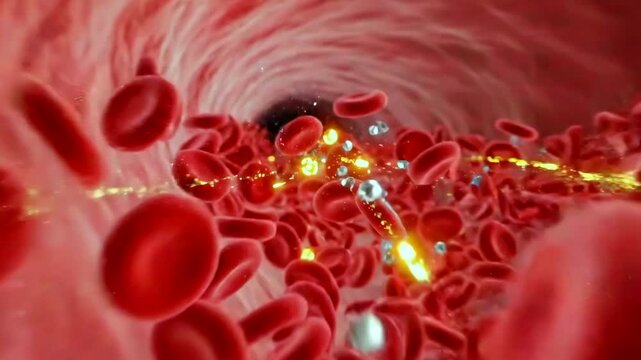
However, even after accounting for PFOs and obvious procedural errors, a mystery remains. Why do two divers on the exact same profile surface with vastly different physiological outcomes? One might have a high load of Venous Gas Emboli (VGE) and feel exhausted, while the other is "clean" and energetic 3. The answer is increasingly pointing toward decompression genomics. It appears that your DNA might be the ultimate dive computer, pre-determining how your body handles the silent presence of bubbles.
The Endothelium: Your Genetic Shield Against Bubbles
To understand genetic susceptibility, we must look at the "inner skin" of our blood vessels: the endothelium. This isn't just a passive lining; it is a dynamic organ that regulates blood flow, vessel tone, and the body's reaction to foreign objects—including nitrogen bubbles.
When inert gas separates from solution during ascent, it forms bubbles that interact with the endothelial wall 1. Research suggests that certain individuals possess genetic variations in Nitric Oxide Synthase (NOS), the enzyme responsible for producing Nitric Oxide (NO). NO is a potent vasodilator that keeps vessel walls "slippery" and resistant to bubble attachment.
If your genetic code results in lower baseline NO production, your endothelium may be more "pro-inflammatory." Instead of bubbles sliding through the venous system to be filtered by the lungs, they may adhere to the vessel walls, causing irritation and triggering a cascade of clotting factors. This genetic predisposition can turn a routine bubble load into a case of subclinical DCS, where the diver feels "beat up" or unusually fatigued after a dive 3.
Genetic Variability in Vasodilation
| Genetic Factor | Role in Decompression | Impact of "Weak" Variant |
|---|---|---|
| NOS3 Gene | Nitric Oxide production | Reduced vasodilation; higher bubble adhesion |
| VEGFA | Vascular repair | Slower recovery from endothelial stress |
| EDN1 | Vasoconstriction | Increased vessel tension; slower gas washout |
Inflammatory Response Genes: Why Some Divers 'Flare Up'
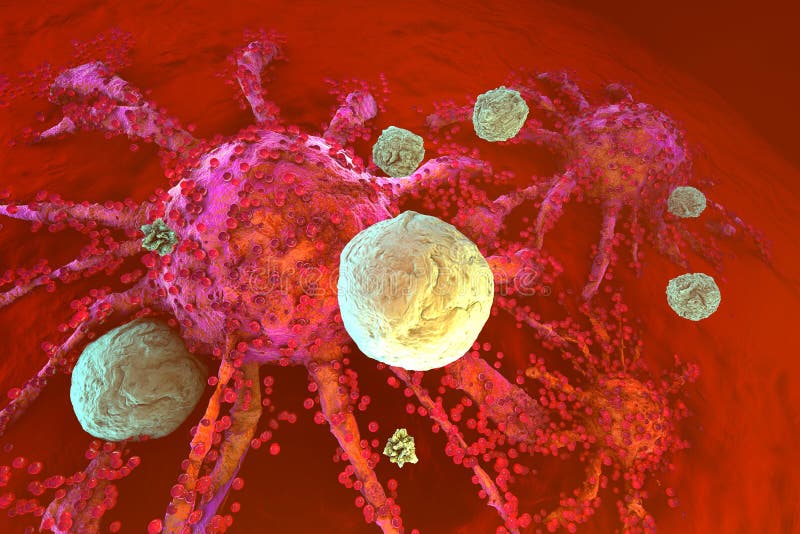
DCS is no longer viewed simply as a "bubble blockage" problem. Modern diving medicine recognizes it as a complex systemic inflammatory disease. When bubbles form, the body’s immune system often views them as foreign invaders. This triggers leukocytes (white blood cells) and the release of cytokines—the body's chemical distress signals.
This is where genetics play a starring role. We all have genes that control the "volume" of our inflammatory response, such as IL-1, IL-6, and TNF-alpha.
- The Non-Responder: This diver has a genetic profile that remains relatively "quiet" in the presence of bubbles. Their body ignores the VGE, allowing them to be filtered out naturally without a massive immune flare-up.
- The Hyper-Responder: This diver is genetically "wired" for a massive inflammatory cascade. Even a minor bubble load can trigger a cytokine storm, leading to localized swelling, platelet aggregation, and the classic symptoms of DCS 13.
This "Hyper-Responder" status explains why some divers seem "bubble-prone." Their DNA dictates a disproportionate reaction to the physiological stress of decompression. For these divers, the standard tables—which are based on statistical averages of "average" responders—may not offer enough protection 3.
Heat Shock Proteins: Nature’s Decompression Buffer
One of the most exciting areas of decompression research involves Heat Shock Proteins (HSPs), specifically HSP70. These proteins act as "molecular chaperones," helping other proteins maintain their shape and function under stress.
In animal models and emerging human studies, higher levels of HSP70 have been correlated with significant resistance to DCS. Essentially, HSPs help stabilize the cellular environment, making the body more resilient to the mechanical and chemical insults of nitrogen bubbles.
Interestingly, we may be able to "nudge" our genetic expression here. This is known as pre-conditioning. Exposure to heat (like a sauna) or intense exercise 24 hours before a dive has been shown to spike HSP levels, providing a temporary "genetic shield" against decompression stress. However, as we age, our natural ability to produce these protective proteins diminishes, which is why aging and fitness are such critical factors in modern decompression theory.
Expert Tip: While you can't change your DNA, you can influence your "proteome" (the proteins your genes produce). Staying physically fit and using heat pre-conditioning may help "upregulate" your body's natural defenses before a week of heavy repetitive diving.
The Surfactant Connection: DNA and Bubble Stability
Why do bubbles form in some people more easily than others? It may come down to the "seeds" of the bubbles themselves. According to the Micronuclei Theory, tiny pockets of gas exist in our tissues and blood even before we hit the water.
The stability of these micronuclei is governed by surfactants—complex molecules that reduce surface tension. Our DNA dictates the specific composition of the surfactants we produce in our lungs and blood vessels.
- Genetic Predisposition: Some divers may produce surfactants that are highly effective at stabilizing micronuclei, essentially keeping the "seeds" of bubbles small and harmless.
- The Risk: Others may have a genetic makeup that results in less stable surfactants, allowing micronuclei to grow rapidly into clinical bubbles during ascent 1.
This genetic link between lung mechanics and bubble dynamics suggests that your susceptibility to "the bends" starts at the molecular level, long before you even check your pressure gauge.

Genomics vs. Proteomics: The Future of Dive Safety
We are entering an era where "one-size-fits-all" decompression models are becoming obsolete. The future of diving safety lies in the transition from Genomics (what your DNA says) to Proteomics (what your body is actually doing).
In the near future, we may see:
- Personalized Decompression Algorithms: A dive computer that factors in your known genetic risk markers.
- Biomarker Testing: Simple "spit tests" to identify if you are a "Hyper-Responder" to inflammatory stress.
- Real-Time Monitoring: Using Heart Rate Variability (HRV) as a proxy to see how your specific genetic makeup is handling the stress of a dive in real-time.
Ethical Considerations: The "Bubble-Prone" Label
As we unlock the secrets of "bubble-prone" DNA, ethical questions arise. Should dive agencies require genetic screening? Should a "Hyper-Responder" be barred from technical diving?
Genetic testing will make diving exclusive — on the contrary, it will likely make diving safer by allowing at-risk individuals to adopt more conservative profiles, such as adjusting Gradient Factors or increasing oxygen rich deco mixes to compensate for their biology.
Practical Takeaways for the 'Genetically Curious' Diver
While we wait for personalized DNA-integrated dive computers, what can you do today if you suspect you are "bubble-prone"?
- Increase Your Conservatism: If you often feel "dive fatigue," adjust your computer's Gradient Factors (e.g., move from 30/70 to 40/85) to create a larger safety margin.
- Master the Slow Ascent: The last 10 meters (30 feet) are the most critical for bubble expansion 1. Slow down even more than the recommended 9m/min.
- Optimize Your Lifestyle: Hydration and fitness don't change your DNA, but they provide the best possible environment for your genes to do their job 3.
- Avoid 'Joint Loading': Be aware that sudden joint movements (tribonucleation) can create bubbles regardless of your genetic profile.
- Respect the Latency: Remember that DCS symptoms can take hours to appear 3. Don't assume a "clean" exit means you're off the hook if you have a high-risk genetic profile.
| Strategy | Benefit | Target System |
|---|---|---|
| Nitrox | Reduces nitrogen load | Tissues/Blood 2 |
| Saunas | Triggers HSP70 | Cellular Protection |
| Hydration | Improves perfusion | Gas Washout 4 |
| GF Adjust | Adds safety buffer | Mathematical Model |
Conclusion
The more we learn about the human body, the more we realize that the "average diver" used to build our tables is a myth 3. We are all biological individuals, and our DNA provides the blueprint for how we interact with the high-pressure environment.
Accepting that you might be "bubble-prone" isn't a reason to quit diving; it's a reason to dive smarter. By respecting the complexity of our physiology and the hidden influence of our genetics, we can move beyond the "undeserved" hit and toward a future of personalized, precision diving safety.
Are you a "Hyper-Responder" or a "Non-Responder"? Until the tech catches up, the best approach is to treat every dive with the respect your unique biology deserves.