Heart Rate Variability and Decompression Stress: A New Frontier in Diver Safety

For decades, decompression theory has treated the human body as a series of mathematical compartments—theoretical "tissues" that absorb and release inert gas according to predictable half-lives 3. We follow our dive computers religiously, trusting that as long as we stay within the NDL (No-Decompression Limit) or follow our ceiling, we are "safe." However, any experienced diver knows the reality is more nuanced. Two divers can perform the exact same profile, yet one may surface feeling invigorated while the other suffers from extreme fatigue or even "undeserved" decompression sickness (DCS) 2.
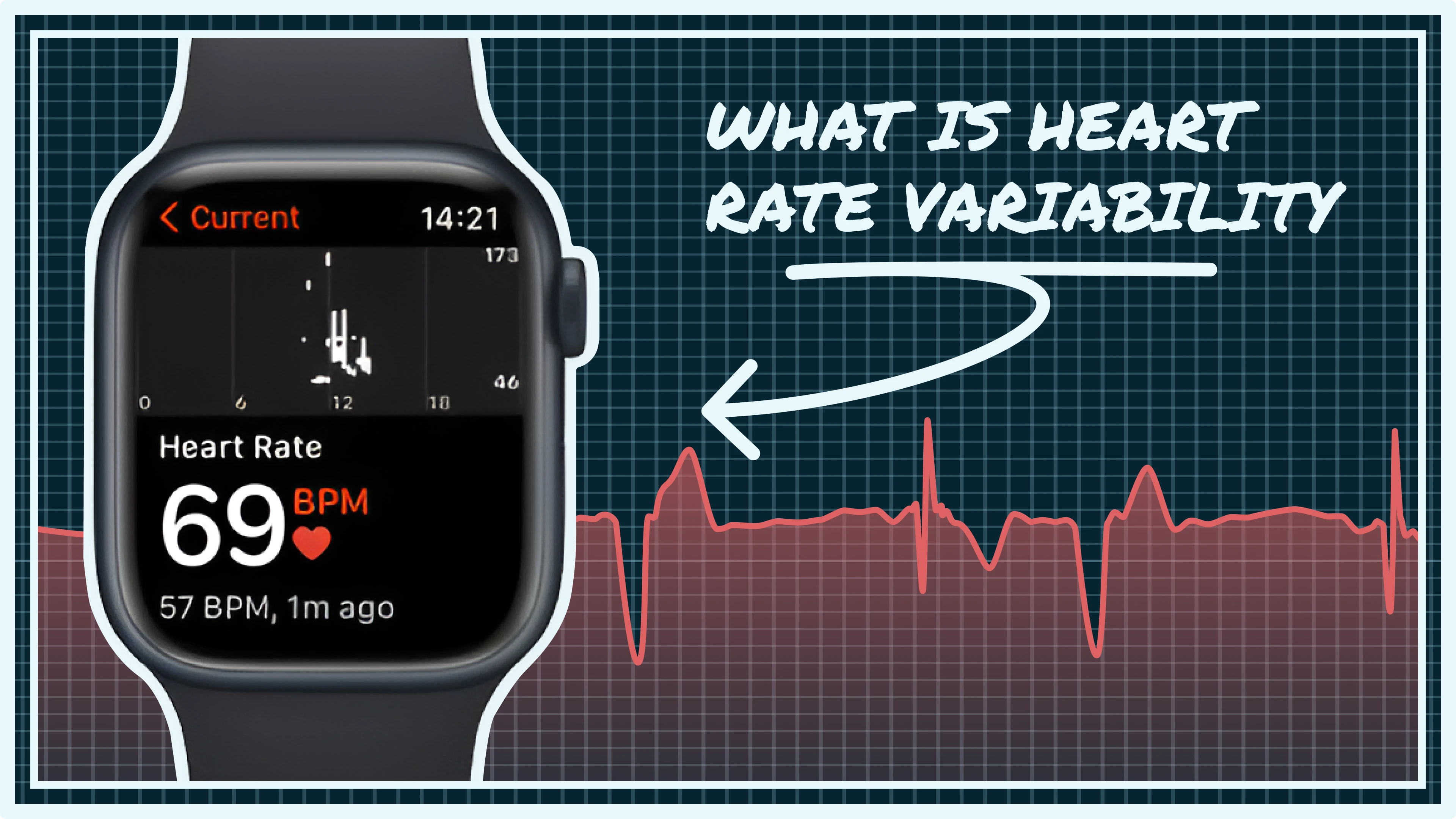
The missing link in traditional decompression models is the individual’s physiological state. We are now entering a new frontier: the use of Heart Rate Variability (HRV) to monitor decompression stress. Unlike simple heart rate, which measures beats per minute, HRV measures the specific time intervals between successive heartbeats. This metric offers a window into the Autonomic Nervous System (ANS), providing a real-time snapshot of how a diver's body is actually coping with the multi-faceted stresses of the underwater environment.
The Science of HRV: The Autonomic Nervous System (ANS) at Depth
To understand why HRV matters, we must look at the Autonomic Nervous System, which coordinates nearly all involuntary body functions 1. The ANS is divided into two competing branches:
- The Sympathetic Nervous System (SNS): The "fight-or-flight" response. It increases heart rate and prepares the body for exertion or stress.
- The Parasympathetic Nervous System (PNS): The "rest-and-digest" system. It slows the heart rate and promotes recovery and relaxation.
HRV is a measurement of the "tug-of-war" between these two systems. A high HRV indicates a flexible, resilient ANS that can quickly adapt to changing environmental demands. This is often associated with high "Vagal tone," a marker of cardiovascular fitness and recovery capacity. Conversely, a low HRV suggests that the sympathetic system is dominating, signaling that the body is under significant stress or is failing to recover from previous "insults."
When a diver enters the water, the ANS undergoes a massive shift. The mammalian dive reflex, triggered by facial immersion and cold water, typically causes a parasympathetic spike (bradycardia), but this is often countered by the sympathetic stress of thermal regulation, physical exertion, and the psychological pressure of a high-stakes environment 2.
Decompression as a Systemic Stressor
We often talk about decompression in terms of gas bubbles, but we must also view it as a systemic inflammatory event. Every ascent involves a degree of physiological strain as inert gas is eliminated from the tissues 3. Even when we follow the tables perfectly, micro-bubbles—known as Venous Gas Emboli (VGE)—can form in the bloodstream 4.
While these bubbles may not always cause clinical DCS, they are not benign. As discussed in Subclinical DCS: The Hidden Physiological Cost of Repetitive Diving, VGE interact with the vascular endothelium and trigger an immune response. This "hidden" inflammatory cost manifests as post-dive lethargy and reduced HRV.
Research suggests that a significant drop in post-dive HRV is a sensitive marker for decompression stress. If the body is struggling to manage the inflammatory load of VGE, the parasympathetic system "withdraws," leaving the diver in a state of sympathetic dominance. This explains why "unusual fatigue" is a hallmark symptom of DCS, even in the absence of pain or neurological deficits 2.
| Metric | High HRV State | Low HRV State |
|---|---|---|
| ANS Balance | Parasympathetic Dominant | Sympathetic Dominant |
| Stress Resilience | High | Low |
| Recovery Status | Fully Recovered | Systemic Fatigue |
| DCS Risk Profile | Standard | Elevated |
HRV and the Prediction of 'Undeserved' DCS
The diving community has long been puzzled by "undeserved" DCS—cases where a diver suffers a hit despite staying well within their computer's limits. While factors like a PFO (Patent Foramen Ovale) play a role, many of these incidents are likely linked to pre-dive physiological vulnerability.
If a diver starts their day with a low HRV—perhaps due to poor sleep, dehydration, or residual stress from the previous day's dives—their body’s ability to handle the "insult" of decompression is compromised. A stressed system is less efficient at regulating the biochemical and mechanical changes induced by bubbles 4.
By monitoring HRV, divers can move toward a more personalized approach to safety. Instead of relying solely on generic algorithms, you can integrate your physiological data with your ascent strategy. For example, on a low-HRV day, it is prudent to apply more conservative settings as detailed in Master Your Ascent: Why Gradient Factors Are the Secret to a Safer Dive. Adjusting your GF Low and GF High values can compensate for your body's reduced resilience.

The Impact of Subclinical Stress on Cognitive Performance
The utility of HRV extends beyond decompression safety; it is also a powerful predictor of cognitive function underwater. High levels of autonomic stress are directly linked to reduced executive function and impaired decision-making.
When the sympathetic nervous system is overloaded, divers are susceptible to "the survival spiral." This phenomenon, explored in Cognitive Narrowing and Task Loading, occurs when a diver's focus becomes so restricted by stress that they miss critical cues, such as their remaining gas supply or their buddy's location.
Using HRV to identify when a diver is physiologically "primed" for errors can be life-saving. A diver with a suppressed HRV is more likely to experience:
- Reduced problem-solving capacity.
- Increased susceptibility to nitrogen narcosis.
- Poor buoyancy control due to erratic breathing.
- Panic in response to minor equipment malfunctions.
Post-Dive Recovery: Using HRV to Gauge Surface Intervals
Traditional dive computers calculate surface intervals based on "Gas Kinetic Recovery"—the time it takes for theoretical tissue compartments to desaturate 3. However, your computer has no idea if your body has actually recovered from the stress of the dive.
Physiological Recovery often takes much longer than gas elimination. While your computer might "clear" you for another dive in 60 minutes, your HRV might remain suppressed for several hours or even until the next day.
Expert Tip: If you are on a multi-day dive trip, monitor your waking HRV each morning. A downward trend over several days is a clear "Red Flag" indicating that your systemic stress is accumulating. This is the time to take a "dry day" or significantly reduce your depth and duration.
Practical Application: Wearables and Data Tracking for Divers
We are seeing a surge in consumer technology that makes HRV tracking accessible to every diver. From high-end dive computers with integrated optical sensors to chest straps and smart rings, the data is easier to collect than ever.
Establishing a Baseline
An isolated HRV reading is almost useless. To make this data actionable, you must establish a baseline.
- Track your HRV for at least 7-10 days before a dive trip.
- Measure HRV at the same time every morning (immediately upon waking).
- Note how factors like alcohol, caffeine, and sleep quality affect your numbers.
Identifying 'Red Flag' Days
Once you know your normal range, look for deviations. A drop of more than 20% from your rolling average suggests that your body is under significant strain. On these days:
- Pad your safety margins: Increase your Gradient Factor conservatism.
- Reduce physical exertion: Avoid heavy swimming or carrying gear over long distances.
- Stay shallow: Limit your depth to reduce the overall gas load and thermal stress.
Limitations and Confounding Factors
While HRV is a powerful tool, it is not a "magic bullet." Several factors can skew the data, and divers must be careful not to over-diagnose or rely solely on consumer-grade sensors for medical decisions.
- External Influences: Caffeine and nicotine are stimulants that can artificially lower HRV, while even moderate alcohol consumption the night before can cause a massive drop in HRV the following morning.
- Age-Related Decline: HRV naturally decreases as we age. Older divers should focus on their personal trends rather than comparing their raw numbers to younger divers.
- Sensor Accuracy: Optical sensors (PPG) on the wrist are notoriously unreliable during movement or in cold water due to vasoconstriction. For the most accurate data, a chest strap (ECG-based) is still the gold standard.
Conclusion: The Future of Bio-Integrated Decompression Theory
The future of diver safety lies in the integration of gas kinetics with real-time physiological monitoring. We are moving toward an era where decompression algorithms will not just be based on "time and depth," but will dynamically adjust based on your HRV, core temperature, and even blood oxygenation.
By understanding HRV, we move away from treating ourselves as "average divers" 2 and begin to respect our unique biological limits. This holistic view of health—combining the physics of the Oxygen Window with the biology of the autonomic nervous system—is the key to longevity in the sport.
Whether you are a recreational diver or a technical explorer, start listening to the "silent" signals of your heart. Your dive computer tells you what the gas is doing; your HRV tells you what the dive is doing to you.
Ready to dive deeper into the science of safety? Check out our guide on Surfactants and the Scuba Diver to see how your lungs manage the mechanics of every breath at depth.
Further Reading
- Heart Rate Variability During a Standard Dive: A Role for Inspired Oxygen Pressure? - PMC
- Frontiers | Heart Rate Variability During a Standard Dive: A Role for Inspired Oxygen Pressure?
- Heart rate variability changes as an indicator of decompression-related physiological stress - PubMed
- Heart rate variability changes as an indicator of decompression-related physiological stress