Turn Bubbles into Bucks: Practical Side Hustles for Recreational Divers
Introduction: The Reality of Making Side Cash Underwater
For most of us, scuba diving is a "pay-to-play" sport. We spend thousands on 12L steel tanks, high-end regulators, and tropical dive travel. However, there is a distinct threshold where your recreational skills can start paying you back. We aren't talking about saturation diving or underwater welding—those require years of grueling commercial school and dangerous deep-sea work. Instead, we are looking at light commercial tasks and specialized services that a highly skilled recreational diver can perform in shallow water.
Making money underwater requires a shift in mindset. You are no longer a tourist; you are a service provider. This means prioritizing professionalism, reliability, and safety over the "fun" of the dive. You will often be working in low visibility, cold water, or cramped marinas. To bridge the gap between hobbyist and professional, you’ll need specialized gear that goes beyond the standard mask and fins.
The Low-Hanging Fruit: Hull Cleaning and Zinc Replacement
The most consistent way to earn side income in any coastal or lakeside town is through hull maintenance. Boat owners are obsessed with fuel efficiency and speed. Even a thin layer of bio-fouling (slime and algae) can increase drag, while barnacles can significantly damage performance and cooling systems.
Essential Gear for the Hull Diver
You cannot show up with just a kitchen sponge. You need tools that can handle varying degrees of marine growth without stripping the expensive anti-fouling paint off the hull.
- Scraper sets: Plastic scrapers for light growth; stainless steel for stubborn barnacles.
- Cleaning pads:
3M Scotch-Brite(white for light, green for medium, black for heavy growth). - Protective gear: Full-body exposure suit (even in warm water) to protect against stinging hydroids and sharp shells.
- Suction cups: A single-handle suction cup allows you to stay tethered to the hull while scrubbing, preventing you from pushing yourself away from the work surface.
Identifying Growth and Coatings
It is vital to distinguish between different types of hull coatings. Scrubbing hard on ablative paint is a good idea—actually, you should never scrub ablative (soft) paint aggressively, as it is designed to slough off. If you see a cloud of colored "smoke" while cleaning, you are removing the boat's expensive protection.
| Growth Type | Recommended Tool | Action Level |
|---|---|---|
| Green Slime | Soft sponge/microfiber | Light wipe |
| Grass/Algae | White 3M Pad | Moderate scrub |
| Tube Worms | Plastic Scraper | Firm pressure |
| Barnacles | Metal Scraper | Chisel at base |
Replacing Sacrificial Anodes (Zincs)
While you are under the boat, you can double your profit by checking and replacing "zincs." These are sacrificial metal blocks that prevent electrolysis from eating the boat's metal components.
Expert Tip: Always bring a waterproof grease pen to mark the date on the new zinc. It shows the client you are thorough and helps you track when the next replacement is due.
Underwater Recovery: Finding Lost Treasures and Essentials
People drop things off docks constantly. From $10,000 wedding rings to $500 pairs of sunglasses and even outboard motors, the "oops" factor is a goldmine for a prepared diver.
Technical Gear Requirements
Visual searching is rarely enough. You need an underwater metal detector. There are two main types:
- Pulse Induction (PI): Best for saltwater. It ignores mineralization and finds all metals.
- Very Low Frequency (VLF): Better for distinguishing between trash (pull-tabs) and treasure (gold) in freshwater environments.
Search Patterns for Efficiency
Don't just swim around aimlessly. Use a systematic search pattern to ensure 100% coverage of the bottom.
- The Jackstay Search: Two divers hold a baseline rope while a third diver swims between them. This is the gold standard for large areas.
- The Circle Search: Attach a line to a central weight (the "clump"). Swim in concentric circles, letting out a fixed amount of line (e.g.,
1 meter) after each rotation.
Managing Business Expectations
When a client calls you to find a ring, be clear about your pricing. Many divers use a "Flat Fee + Reward" structure. For example, a $75 "splash fee" to cover gas and gear wear-and-tear, plus a pre-agreed-upon bonus if the item is recovered.
Golf Ball Divers: High Volume, Low Tech
Golf ball diving is the "blue-collar" side hustle of the diving world. It isn't glamorous—it usually involves zero-visibility mud and questionable water quality—but the volume can be immense. A single pond on a busy course can hold thousands of balls.
The Economics of Recycled Balls
Used golf balls are sold in bulk to wholesalers or refurbished and resold. High-end balls like the Titleist Pro V1 can net you significantly more than entry-level balls.
Specialized Tools
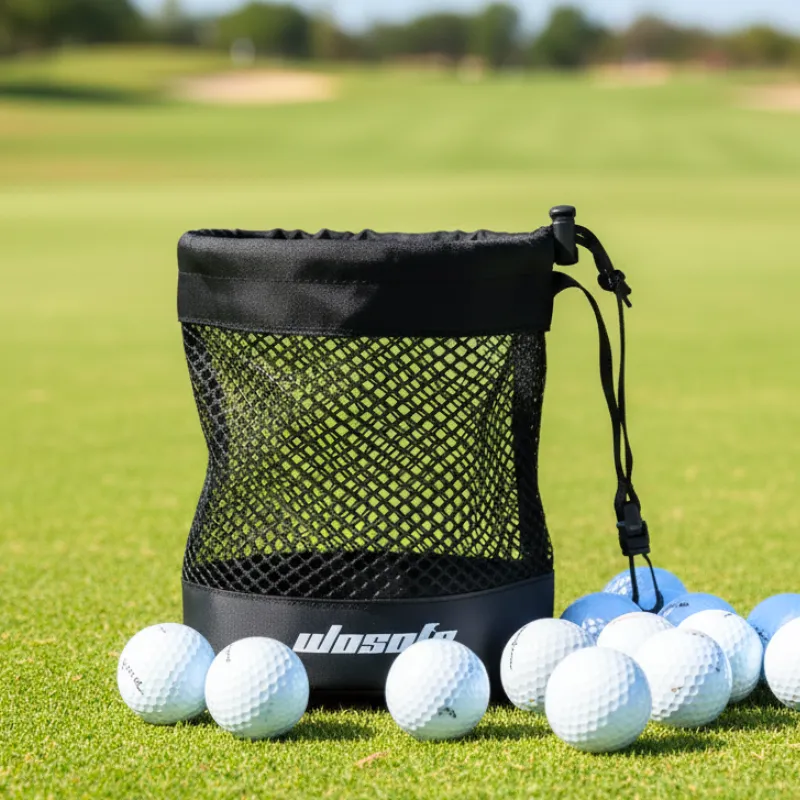
- Mesh Bags: Heavy-duty bags capable of holding
20kgto30kgof balls. - Retrieval Rakes: Handheld rakes to sift through the silt.
- Lift Bags: Essential for bringing heavy bags of balls to the surface without straining your back or BCD.
Safety Hazards
Warning: Golf course ponds are high-risk environments. You must watch for entanglement in discarded fishing lines, high levels of pesticides/fertilizers, and in some regions, alligators or snapping turtles.
- Obtain written permission from the course manager
- Wear a full hood and gloves (biohazard protection)
- Use a surface tender to keep golfers from hitting balls at you
- Check local water quality reports
The Content Creator Path: Stock Footage and Local Media
If you have a talent for underwater photography and own a 4K capable camera like a GoPro or a Mirrorless setup, you can monetize your footage.
Selling Stock Footage
Agencies like Pond5, Shutterstock, and Adobe Stock are always looking for high-quality "B-roll." This isn't just footage of sharks; it’s footage of divers checking gauges, bubbles rising to the surface, or sunlight breaking through the water.
Local Business Media
Boat brokers often need "under-the-waterline" footage to prove a vessel's condition to a remote buyer. Resorts may want promotional clips of their house reef.
- Technical Requirement: High-lumen video lights (at least
5000 lumens) are necessary to bring back the reds and oranges lost at depth. - Stability: Marketable footage must be rock-steady. This requires impeccable buoyancy and often a weighted camera tray.
Gear Support: Tank Hauling and Light Maintenance
Not every side hustle requires you to get wet. If you have a truck and a flexible schedule, you can provide "Air Concierge" services.
Air Concierge and Light Tech
Many dive groups hate the logistics of hauling 15kg tanks to the local shop for fills. You can offer a pickup and delivery service. Furthermore, basic gear maintenance is a high-demand skill:
- O-Ring Replacement: A simple
P-014orP-011O-ring swap takes seconds but saves a dive. - Computer Battery Changes: For computers with user-replaceable batteries, you can charge for the battery plus a small labor fee.
- Visual Inspections (VIP): If you get certified as a cylinder inspector, you can perform annual tank inspections in your garage.
Investing in a Portable Compressor
A small portable compressor, like a Bauer Junior II or a Coltri MCH6, can be a game-changer. While the initial investment is high (approx. $3,000 - $5,000), it allows you to sell air in remote locations or to boat owners who don't want to lug tanks off their yachts.
Legal, Ethical, and Safety Considerations
Before you start charging for your services, you must understand the "Commercial" line. In many jurisdictions, as soon as you accept money for a dive, you fall under commercial diving regulations (like OSHA in the US).
The "Grey Area" and Exemptions
Most "light" tasks like hull cleaning or search and recovery for individuals are often overlooked, but you must be careful. If you are working on a major construction project or a large shipping vessel, you must be a certified commercial diver.
Safety Rule: Never dive alone. Even for a simple hull cleaning in
2 metersof water, have a surface tender (a "buddy" on the dock) who can pull you up if you get snagged or have a medical emergency.
Business Basics Checklist
- Liability Insurance: Standard recreational insurance (like DAN) usually does not cover commercial work. Look into professional liability riders.
- Liability Waivers: Always have your clients sign a waiver.
- Business License: Register as a sole proprietorship to handle taxes and professionalize your invoices.
- Risk Assessment: If a job involves overhead environments, heavy lifting, or contaminated water, walk away. It isn't worth your life.
Conclusion: Building Your Underwater Reputation
Turning your bubbles into bucks is about more than just being a good diver; it’s about being a reliable technician who happens to work underwater. Start small—perhaps by cleaning a friend's boat hull or finding a neighbor's lost keys. As you build a reputation for being punctual, honest, and thorough, the word will spread through local marinas and dive shops.
Your underwater side hustle should never compromise your love for the sport. Keep your gear maintained, stay within your training limits, and always remember: the best dive is the one where you come home safe with a little extra cash in your pocket.
Your First Paid Dive Checklist:
- Tools cleaned and tethered (don't drop your wrench!)
- Surface tender briefed on emergency signals
- Spare O-rings and basic tool kit on the boat/dock
- Pre-dive safety check completed
- Client agreement signed and "splash fee" collected
