Scuba Regulator First Stage Maintenance: A Visual Pre-Dive Guide for Beginners
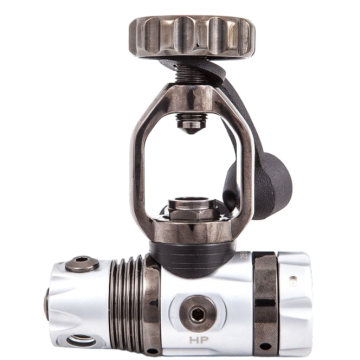
Introduction: The Heart of Your Life Support System
When you descend into the blue, your scuba regulator is the only thing standing between you and the high-pressure environment of the deep. While the entire "reg" set is vital, the first stage is the mechanical heart of the system. Its primary job is to take the high-pressure air from your tank—often as high as 3000 psi or 200 bar—and reduce it to a consistent intermediate pressure (IP) of approximately 135-150 psi above the ambient water pressure.
For many beginners, the first stage is a "black box" of chrome and hoses. However, developing a keen eye for its condition is a fundamental skill. A simple 2-minute visual inspection before you even leave the dive shop or board the boat can prevent a "dive-ender"—those frustrating moments when a blown O-ring or a salt-clogged filter ruins a trip before you’ve even hit the water.
It is important to distinguish between visual maintenance and professional servicing. As a diver, your role is to inspect, clean, and identify issues. You should never attempt to disassemble the internal components of your first stage yourself. Leave the internal springs, shims, and high-pressure seats to a certified technician.
Anatomy Overview: Identifying Your First Stage Type
Before you can maintain your gear, you need to know what you are looking at. Most modern first stages fall into two categories based on how they connect to the tank: Yoke and DIN.
Yoke (A-clamp) vs. DIN Connections
The Yoke system is the most common in recreational diving, especially in North America and the Caribbean. It features a large metal stirrup that fits over the tank valve and is tightened with a screw knob. The DIN (Deutsche Industrie Norm) system, preferred by technical divers and common in Europe, involves the regulator threading directly into the tank valve.
| Feature | Yoke (A-Clamp) | DIN System |
|---|---|---|
| Connection | Clamps over valve | Screws into valve |
| O-ring Location | On the tank valve | On the regulator |
| Pressure Limit | 232 bar max |
Up to 300 bar |
| Profile | Bulkier | Streamlined |
High Pressure (HP) vs. Low Pressure (LP) Ports
Your first stage acts as a manifold. You will see several hoses protruding from it. These are connected to specific ports:
- HP Ports: Usually marked with "HP." This is where your submersible pressure gauge (SPG) or air-integrated transmitter is attached. These ports provide the full pressure of the tank.
- LP Ports: These provide the intermediate pressure air to your primary second stage, your octopus (backup), and your BCD/drysuit inflator hoses.
The Dust Cap: Your First Line of Defense
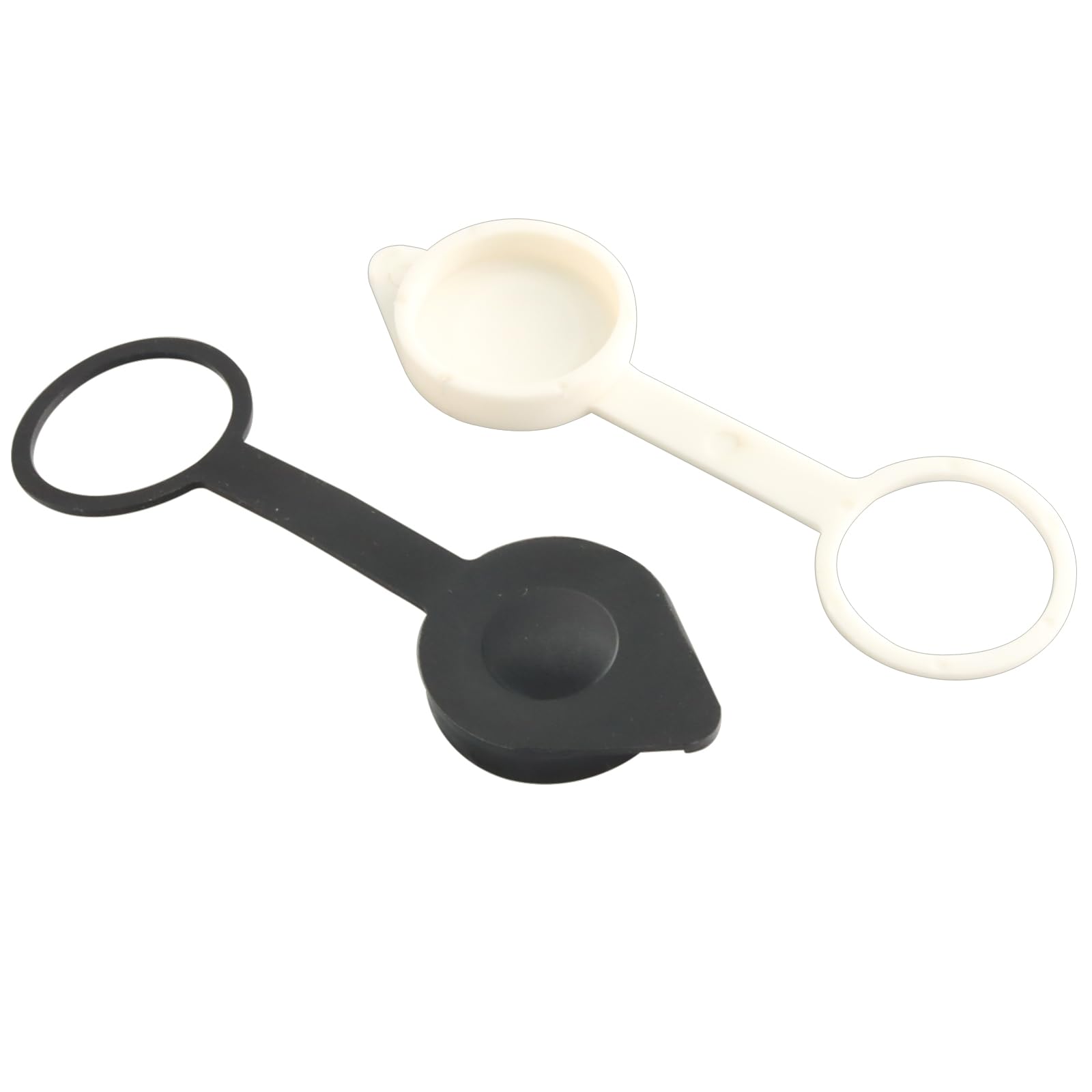
The most critical rule of regulator care is keeping water out of the first stage inlet. The dust cap is a simple rubber or plastic plug designed to seal the air inlet when the regulator is not attached to a tank.
If water enters the first stage, it can cause internal corrosion, damage the high-pressure seat, and lead to catastrophic failure.
Best Practices for Dust Cap Care
- Dry Before Capping: Before placing the cap back on after a dive, dry the cap and the regulator inlet thoroughly. Use a clean towel or your breath.
- Avoid the "Tank Blast":
Use the tank air to blow dry the dust cap. While common, this is incredibly loud and can actually drive moisture or debris into the small crevices of the cap. - The Rinse Rule: When rinsing your gear in a fresh-water tub, ensure the dust cap is firmly in place. Never press the purge button on the second stage while the regulator is submerged and unpressurized, as this opens the entire system to water ingress.
O-Ring Health: Inspecting the Critical Seal
The O-ring is the small rubber circle that creates an airtight seal between the regulator and the tank. In a Yoke system, the O-ring is usually seated in the tank valve; in a DIN system, the O-ring is on the end of the regulator's threaded post.
Visual Signs of Wear
Inspect your O-rings for the following "red flags":
- Nicks or Cuts: Even a tiny slice can cause a high-pressure leak.
- Extrusion: If the O-ring looks like it’s being squeezed out of its groove.
- Squaring: A healthy O-ring is round. If it looks flat or "squared off," it has lost its elasticity and needs replacement.
- Brittleness: If the rubber feels hard or shows tiny cracks (dry rot), it will fail under pressure.
Expert Tip: Carry a small "Save-a-Dive" kit with spare
014size O-rings (for Yoke) or111size (for DIN). A tiny amount of 100% oxygen-compatible silicone grease can help preserve the rubber, but don't over-lubricate; it should just have a slight sheen.

Spotting Corrosion and Salt Crystallization
Saltwater is incredibly corrosive. If you don't rinse your gear thoroughly, salt crystals will form as the water evaporates. These crystals act like sandpaper on moving parts and seals.
Identifying 'Verdigris'
Keep an eye out for Verdigris—that bright green, crusty buildup found on brass and copper components. While a tiny bit on the exterior isn't a crisis, it indicates that the chrome plating is wearing thin and the metal underneath is oxidizing.
Inspecting the Conical Filter
Look into the air inlet (where the air enters from the tank). You will see a small, porous metal disc called the conical filter.
- Healthy: Shiny, silver, or bronze metallic mesh.
- Warning: White powder (salt) or green crust (corrosion).
- Danger: Red or black discoloration. This suggests rust or carbon contamination from a "bad fill" at a dive compressor, which requires immediate professional service.

Hose Integrity and Port Connection Checks
The hoses connecting to your first stage are under significant pressure. A failure here can result in a rapid loss of air.
-
The "Squeeze" Test: Feel the length of the hose. It should be firm but flexible. If you feel "crunchy" spots inside a rubber hose, the internal braiding is failing.
-
Check Under the Protectors: Slide back the plastic hose protectors near the first stage. This is a common hiding spot for salt crystals and "bubbling" (where air leaks between the layers of the hose).
-
Port Plugs: Ensure the silver plugs in the unused ports are flush. If you see any gap or "weeping" (slow bubbles), the internal O-ring for that port is failing.
-
Check for fraying on braided (Miflex) hoses.
-
Check for bulging or "blisters" on rubber hoses.
-
Ensure all hoses are hand-tight (do not over-torque with a wrench).
The Pressurized Leak Test: Listening for Trouble
A visual check is only half the battle. You must test the system under pressure before getting on the boat.
- Slowly Open the Valve: Turn the tank knob slowly. A sudden blast of
3000 psican damage the internal high-pressure seat. - Listen Close: Once pressurized, listen for a hiss.
- A sharp hiss usually indicates a primary O-ring failure.
- A tiny sizzle (like a soda carbonating) might indicate a slow "weep" from a port plug or a hose crimp.
- The Submersion Test: If you suspect a leak but can't hear it, submerge the pressurized first stage in a rinse tank. Watch for a steady stream of bubbles.
Warning: If you see a "constant stream" of bubbles from the first stage's ambient pressure chamber (the holes in the side of the regulator), the internal diaphragm or piston seal is compromised. Do not dive with this regulator.

Conclusion: Knowing When to Call a Professional
While basic cleaning and visual inspections are your responsibility, the internal workings of a first stage are delicate. Never attempt to "tune" or open the first stage yourself. One wrong turn of an Allen key can significantly alter your intermediate pressure, leading to a free-flow or an inability to breathe at depth.
When to seek a professional technician:
- You notice any discoloration in the conical filter.
- There is a persistent leak that an O-ring swap doesn't fix.
- Your breathing feels "harder" than usual at depth.
- It has been more than one year (or the manufacturer's specified interval) since your last service.
By spending just a few minutes checking your first stage before every dive day, you ensure that your life support system remains reliable, safe, and ready for adventure. Stay safe, keep your gear dry, and enjoy the bubbles!
Ready to upgrade your kit? Check out our latest reviews on the best cold-water first stages at Pro Dive Vibes!