Scuba Mask Fit Guide: How to Find the Perfect Leak-Proof Seal

For a beginner diver, there is no piece of equipment more personal—or more critical to your comfort—than your mask. While a poorly fitting BCD might be annoying or a set of heavy fins might tire your legs, a leaking mask is a direct threat to your safety and enjoyment. It obscures your vision, irritates your eyes with salt water, and creates a constant cycle of "mask clearing" that drains your air supply and spikes your stress levels.
Finding the perfect mask isn't about buying the most expensive model on the shelf or the one with the coolest colors. It is about understanding the geometry of your own face and how it interacts with liquid silicone and hydrostatic pressure. In this guide, we will break down the science of the seal and show you how to find a mask that feels like a second skin.
Why Mask Fit is Your Most Important Gear Decision
Many beginners fall into the trap of thinking a mask is just a window. In reality, it is a pressure-resistant seal that must remain watertight while you move, breathe, and equalize.
A leaky mask causes a cascade of problems:
- Increased Air Consumption: Every time you clear water from your mask by exhaling through your nose, you are using air that could have stayed in your tank.
- Elevated Stress: Constantly dealing with water in your eyes prevents you from focusing on your buoyancy or your surroundings, often leading to "mask panic."
- Eye Irritation: Salt water and bacteria can lead to redness and discomfort long after the dive is over.
The most expensive mask is the best mask. This is one of the most common myths in diving. A $200 carbon-fiber mask that doesn't match your cheekbone structure will perform significantly worse than a $60 entry-level mask that fits perfectly.
Furthermore, relying on rental masks is a gamble. Rental fleets are often composed of "one-size-fits-most" models that have been stretched out by hundreds of different faces or have lost their elasticity due to improper storage. Owning your own mask is the first step toward becoming a confident, relaxed diver.
Anatomy of a High-Quality Mask Seal
The secret to a leak-proof dive lies in the "skirt"—the soft material that touches your face. Modern high-quality masks use high-grade surgical silicone because it is hypoallergenic, flexible, and resistant to UV damage.
The Double-Feathered Edge
Most professional-grade masks feature a "double-feathered edge" skirt. This means there is an inner seal and an outer seal working in tandem. As water pressure increases during your descent, the pressure actually pushes the skirt flatter against your face, creating a more robust vacuum.
Single Lens vs. Dual Lens
Choosing between a single or dual lens is often a matter of "internal volume" and "field of vision."
| Feature | Single Lens | Dual Lens |
|---|---|---|
| Field of Vision | Unobstructed bridge | Better downward view |
| Internal Volume | Usually higher | Usually lower |
| Prescription | Not possible | Easily swappable |
| Clearing | Takes more air | Very easy to clear |
Safety Standards
Ensure your mask is labeled with tempered glass. Unlike standard glass or plastic, tempered glass is heat-treated to withstand pressure and, in the rare event of a break, it shatters into small, blunt granules rather than sharp shards.
The Professional Suction Test: Step-by-Step
Never buy a mask online without trying it on first, or at least ensuring a robust return policy. Use these three steps to verify the fit in the shop.
Step 1: The Inhale Test
Look up at the ceiling and place the mask on your face without using the strap. Ensure no hair is trapped under the skirt. Inhale gently through your nose and look forward.
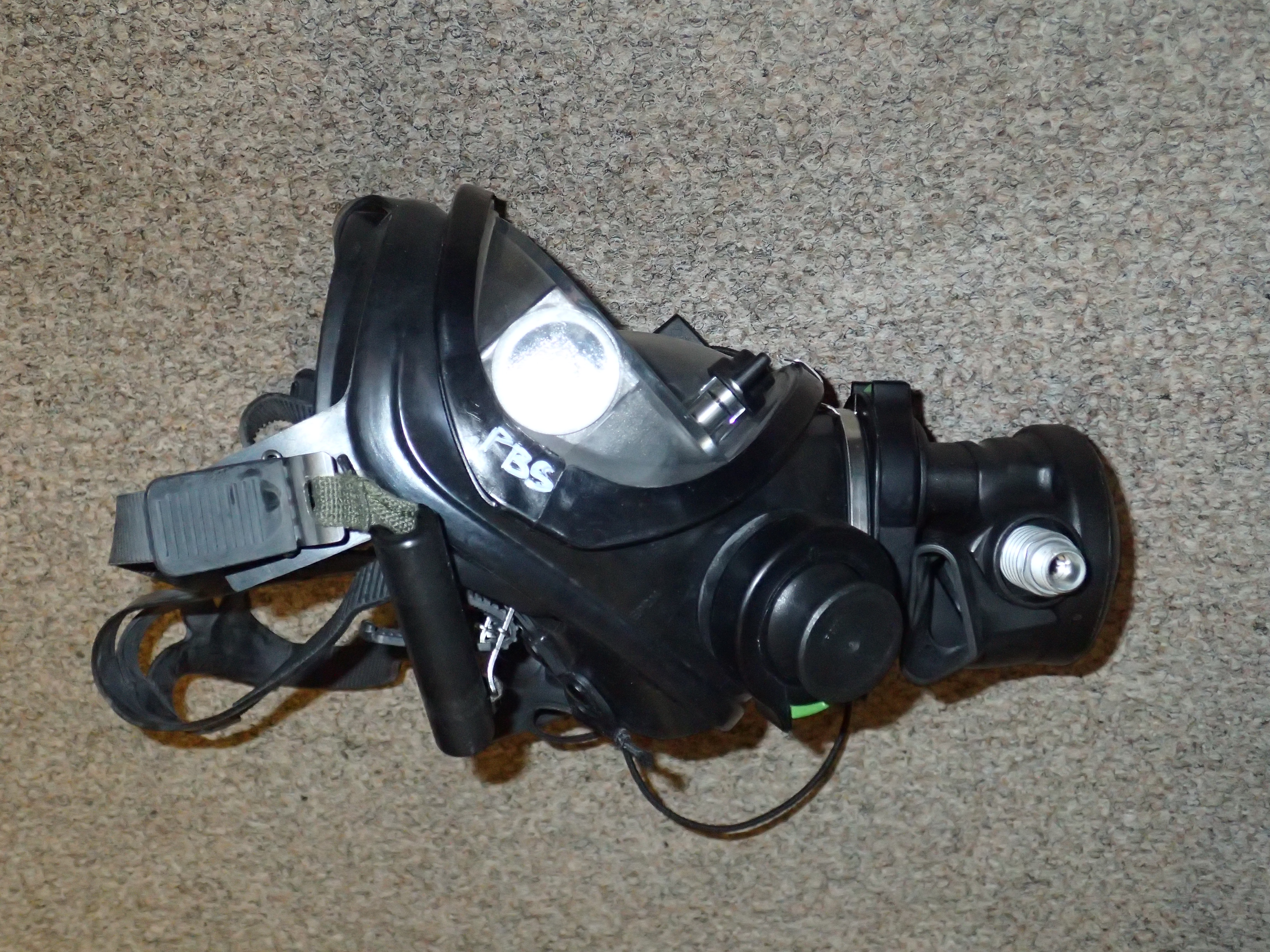
Expert Tip: If the mask stays in place while you hold your breath, the seal is good. If you have to suck in hard to keep it on, the mask is too wide or too narrow for your bone structure.
Step 2: Checking for Pressure Points
While the mask is suctioned to your face, feel the bridge of your nose and your forehead. If you feel the hard frame touching your bone, the mask's "pocket" is too shallow. Under pressure at 20 meters, that slight touch will turn into a painful "squeeze."
Step 3: The Smile Test (Regulator Simulation)
This is where most masks fail. Put a regulator mouthpiece (or your thumb) in your mouth and recreate a wide smile. Smiling creates "laugh lines" around the mouth that can break the seal of the skirt. A well-fitting mask will have enough flexibility in the lower skirt to maintain the seal even when your facial muscles move.
Identifying Your Face Shape and Best-Match Gear
Every face is unique, but most fall into a few general categories that certain brands cater to specifically.
Wide Faces
If you have a broader face or prominent cheekbones, look for masks with a wider frame and a larger skirt surface area.
- Top Pick: The Tusa Freedom HD. It features "Freedom Technology," which uses varying silicone thicknesses and ridges to ensure the skirt doesn't collapse under pressure.

Narrow or Petite Faces
Smaller faces often struggle with masks that overlap onto the temples, where hair prevents a seal.
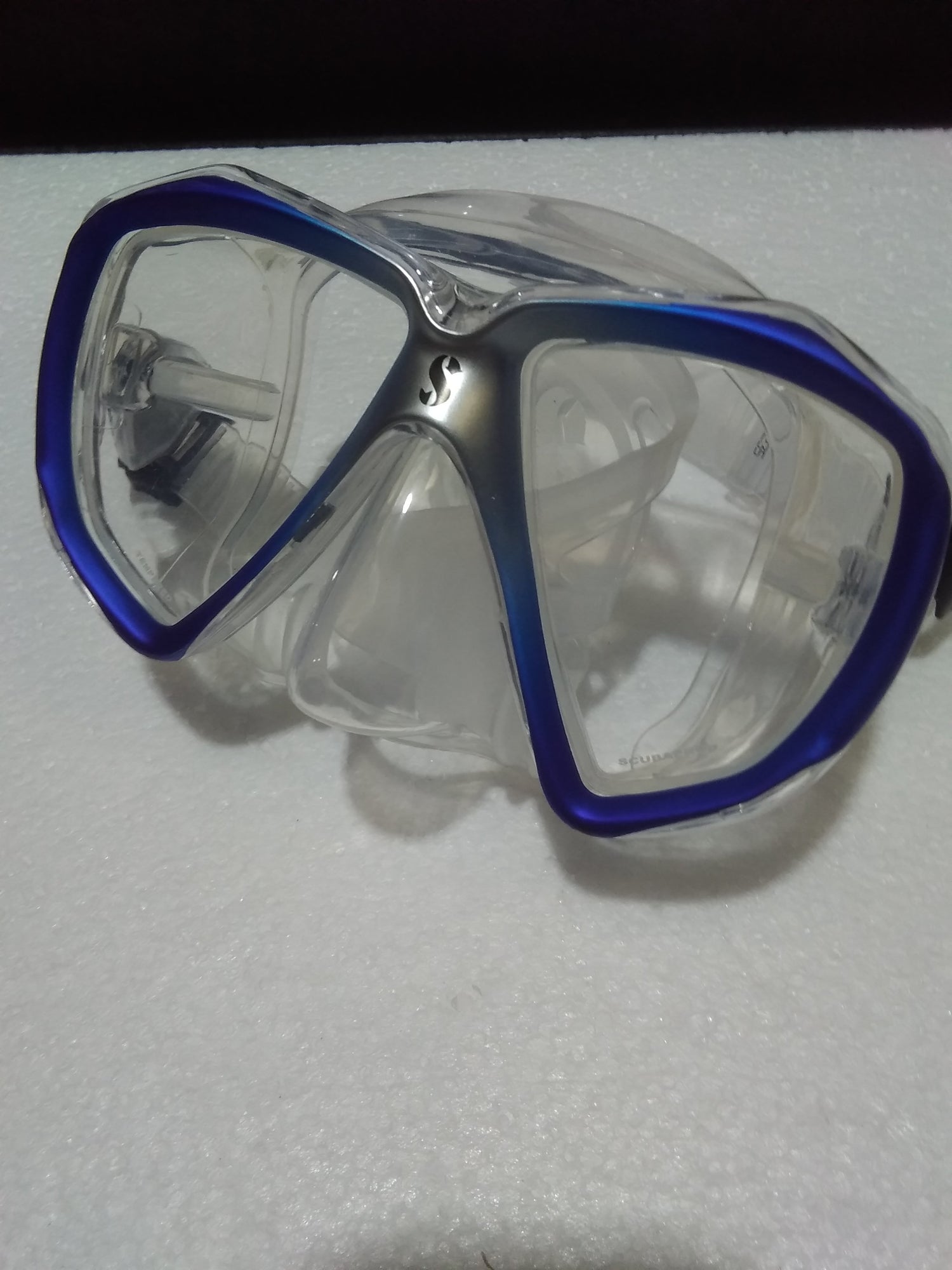
- Top Pick: The Scubapro Spectra Mini. It offers the same high-end features as the full-sized Spectra but with a scaled-down skirt and frame.
High Nose Bridges
Divers with high or prominent nose bridges often suffer from "forehead squeeze" because the mask sits too high or the bridge of the frame digs in.
- Top Pick: The Cressi Big Eyes Evolution. The lenses are raked (angled) downward, and the nose pocket is exceptionally generous.

Managing Facial Hair and Other Seal Breakers
Facial hair is the natural enemy of a dry mask. Even a two-day stubble can create microscopic gaps that allow water to seep in.
The Mustache Dilemma
If you have a mustache, you have two options:
- Silicone Grease: Apply a small amount of food-grade silicone grease (often sold as "mask sealant") to your mustache before the dive. This creates a waterproof barrier.
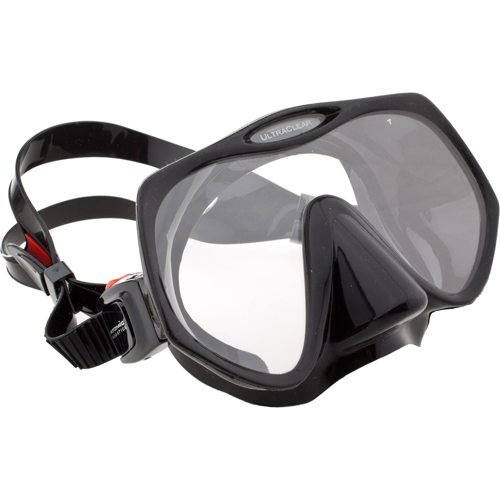
- Frameless Designs: Masks like the Atomic Aquatics Frameless have a very soft, flexible skirt that can sometimes mold around hair better than rigid-frame masks.
The Over-tightening Trap
If my mask leaks, I should tighten the strap. This is the most common mistake beginners make. Tightening the strap actually pulls the skirt out of shape, causing the feathered edges to buckle and create leaks. The strap should only be tight enough to hold the mask in place; the water pressure should do the work of sealing it.
Prepping Your New Mask for the First Dive
New masks come with a thin film of silicone residue from the manufacturing process. If you don't remove this, your mask will fog up instantly, no matter how much defogger you use.
The Toothpaste Method
Apply a pea-sized amount of non-gel, non-whitening toothpaste to the inside of the lenses. Rub it vigorously with your finger for several minutes, then rinse. Repeat this 3–5 times. The mild abrasives in the toothpaste will scrub away the silicone film.
Defogger Application
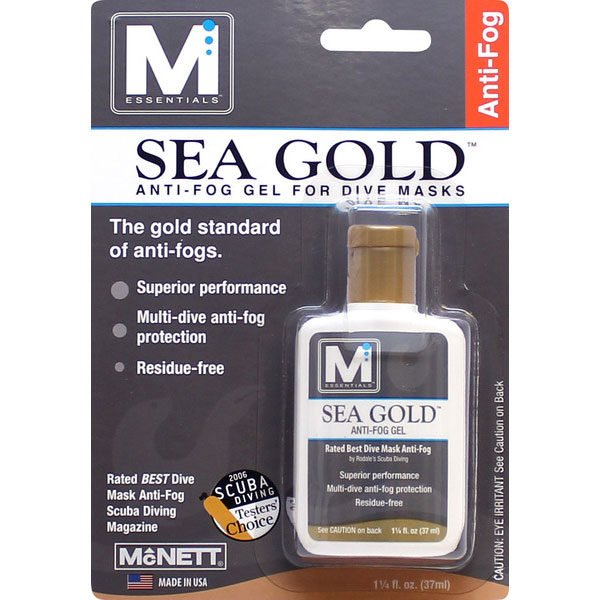
Before every dive, apply a defogger.
- Gels: Longer lasting, great for multiple dives.
- Sprays: Quick and easy, but may need re-application between dives.
Warning: Never use glass cleaners (like Windex) on your mask, as the chemicals can degrade the silicone skirt over time.
Summary: The Leak-Proof Checklist
Before you head out on your next boat trip, run through this checklist to ensure your vision remains crystal clear:
- Hair Check: Ensure no hair is trapped under the top or side of the skirt.
- Hood Placement: If wearing a wetsuit hood, ensure the mask skirt is against your skin, not overlapping the neoprene.
- Strap Tension: Check that the strap is resting flat against the crown of your head, not too tight.
- The 3-Point Fit: Does it pass the inhale test, the pressure point check, and the smile test?
- Pre-Dive Scrub: Has the factory film been removed with toothpaste?
Finding the perfect mask is a journey of trial and error, but once you find "the one," your diving will transform. You will stop fighting your gear and start focusing on the incredible marine life around you. Visit your local dive shop, try on at least five different models, and don't settle for anything less than a perfect suction.
Ready to see the underwater world clearly? Check out our latest reviews on the best frameless masks for 2024!