Level Up Your Dives: 5 Essential Gear Upgrades for Beginner Scuba Divers
Level Up Your Dives: 5 Essential Gear Upgrades for Beginner Scuba Divers
Introduction: Beyond the Basics - Gearing Up for Success
As a new scuba diver, you've likely started with a basic gear package – typically including a mask, fins, snorkel, BCD (Buoyancy Control Device), and regulator. This rental gear allows you to experience the underwater world, but it often comes with limitations. Rental gear is designed to be durable and fit a wide range of people, which can compromise comfort and performance.
Upgrading your scuba gear offers numerous benefits:
- Improved Comfort: Properly fitting and well-designed gear enhances your overall diving experience.
- Enhanced Safety: Upgraded equipment, like dive computers, provides crucial information to minimize risks.
- Better Performance: Efficient fins and streamlined BCDs can reduce exertion and improve air consumption.
- Increased Enjoyment: When you're comfortable and confident in your gear, you can focus on the beauty of the underwater world.
Ready to take your diving to the next level? Here are 5 essential gear upgrades for beginner scuba divers:
1. Dive Computer: Your Underwater Dashboard
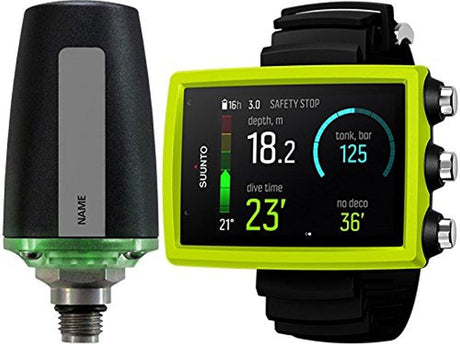
A dive computer is arguably the most important upgrade you can make. It's your underwater dashboard, providing real-time information to help you dive safely and efficiently.
Core Functions
A dive computer tracks several critical parameters:
- Depth: Your current depth.
- Time: Elapsed dive time.
- No-Decompression Limit (NDL): The amount of time you can spend at your current depth without requiring decompression stops on ascent.
- Ascent Rate: How quickly you are ascending, ensuring a safe ascent to avoid decompression sickness (DCS).
Why It's an Upgrade
Using a dive computer promotes safer diving practices and significantly reduces the risk of decompression sickness (DCS). It provides accurate, real-time data that allows you to stay within safe diving limits.
Benefits Over Dive Tables
Dive tables are a traditional method for planning dives, but they have several limitations compared to dive computers:
| Feature | Dive Tables | Dive Computer |
|---|---|---|
| Calculations | Pre-dive planning based on maximum depth | Real-time calculations based on actual dive profile |
| Repetitive Dives | Requires separate calculations | Automatically considers previous dives |
| Accuracy | Less accurate, based on conservative estimates | More accurate, personalized to your dive |
Expert Tip: Always consult your dive computer's manual and understand its features before using it.
Features to Look For
When choosing a dive computer, consider these features:
- Easy-to-Read Display: A clear and well-lit display is essential for underwater visibility.
- User-Friendly Interface: An intuitive interface makes it easier to navigate menus and access information.
- Air Integration (Optional): Some dive computers can integrate with your regulator to display tank pressure.
- Nitrox Compatibility: Even if you're not currently diving with nitrox, choosing a computer with nitrox compatibility will future-proof your investment.
2. Upgraded Mask: See the Underwater World Clearly

Your mask is your window to the underwater world. A comfortable, well-fitting mask is crucial for a clear and enjoyable diving experience.
Importance of a Good Fit
A good mask should create a watertight seal on your face without being too tight. A poor fit can lead to leaks, discomfort, and distractions during your dive.
Why It's an Upgrade
An upgraded mask offers several advantages:
- Better Field of Vision: Low-volume masks bring the lens closer to your face, increasing your field of view.
- Reduced Fogging: High-quality masks often have better silicone skirts that minimize fogging.
- Increased Comfort: A comfortable mask allows you to focus on your dive, not on adjusting your gear.
Features to Consider
- Low Volume: Reduces the amount of air inside the mask, making it easier to clear.
- Tempered Glass Lens: Provides durability and clarity.
- Comfortable Silicone Skirt: Creates a soft and reliable seal.
- Easy-to-Adjust Strap: Allows for quick and easy adjustments, even underwater.
Tip: When trying on a mask, place it on your face without the strap and inhale gently through your nose. The mask should stay in place, creating a seal.
Corrective Lenses
If you wear glasses, consider a mask with corrective lenses. This will significantly improve your underwater vision. Many dive shops can install prescription lenses in compatible masks.
Mask Maintenance
- Always rinse your mask with fresh water after each dive.
- Use a mild soap to clean the lens occasionally.
- Store your mask in a protective case to prevent scratches.
- Apply anti-fog solution before each dive to prevent fogging.
3. High-Quality Fins: Power and Efficiency in the Water
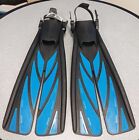
Fins are essential for propulsion and maneuverability underwater. Upgrading your fins can significantly improve your diving efficiency and reduce leg fatigue.
Fin Types
There are two main types of fins:
- Split Fins: These fins have a split down the middle of the blade, which channels water and creates thrust.
- Pros: Reduced leg fatigue, efficient propulsion.
- Cons: Can be less effective in strong currents, may require a different kicking style.
- Paddle Fins: These fins have a solid blade that pushes water behind you.
- Pros: Powerful propulsion, effective in strong currents, familiar kicking style.
- Cons: Can be more tiring, may require more effort.
| Feature | Split Fins | Paddle Fins |
|---|---|---|
| Propulsion | Efficient, less tiring | Powerful, can be more tiring |
| Current | Less effective in strong currents | More effective in strong currents |
| Kicking Style | Requires a modified kick | Traditional kick |
Why It's an Upgrade
Upgraded fins offer several advantages:
- Increased Propulsion: More efficient fins allow you to move through the water with less effort.
- Reduced Leg Fatigue: Less effort means less fatigue, allowing you to dive longer and more comfortably.
- Better Maneuverability: High-quality fins provide better control and responsiveness.
Considerations
- Fin Stiffness: Stiffer fins provide more power but require more effort. Softer fins are easier to kick but may be less powerful.
- Blade Length: Longer blades provide more propulsion but can be more difficult to maneuver. Shorter blades are easier to maneuver but may be less powerful.
- Foot Pocket Comfort: A comfortable foot pocket is essential for preventing blisters and chafing.
Tip: When choosing fins, consider the type of diving you'll be doing. If you plan to dive in strong currents, paddle fins may be a better choice. If you prioritize comfort and efficiency, split fins may be a better option.
Fin Size
Choosing the right fin size is crucial for comfort and performance. Your fins should fit snugly but not too tightly. If your fins are too loose, they can slip off your feet. If they are too tight, they can cause discomfort and cramping.
Spring Straps
Consider upgrading to spring straps. Spring straps make it easier to put on and take off your fins, especially in cold water or with thick gloves.
4. Wetsuit/Drysuit: Stay Warm and Comfortable


Thermal protection is essential for diver comfort and safety. Whether you choose a wetsuit or a drysuit depends on the water temperature and your personal preference.
Why It's an Upgrade
Proper insulation prevents hypothermia, extends dive time, and increases enjoyment. Being cold can ruin a dive and even lead to dangerous situations.
Wetsuit Considerations
- Thickness: Wetsuit thickness is measured in millimeters (mm). Thicker wetsuits provide more insulation.
3mmwetsuits are suitable for warm water (above 80°F/27°C).5mmwetsuits are suitable for temperate water (70-80°F/21-27°C).7mmwetsuits are suitable for colder water (60-70°F/16-21°C).
- Fit: A well-fitting wetsuit should be snug but not too tight. It should allow for a full range of motion.
- Type of Neoprene: Super-stretch neoprene is more flexible and comfortable than standard neoprene.
Drysuit Considerations
Drysuits provide the ultimate thermal protection by keeping you completely dry.
- Types of Drysuits:
- Neoprene Drysuits: Made from neoprene, similar to wetsuits. Provide inherent insulation.
- Membrane Drysuits: Made from waterproof fabric. Require undergarments for insulation.
- Undergarments: Essential for insulation in membrane drysuits.
- Training Required: Drysuit diving requires specialized training to learn how to control buoyancy and prevent accidents.
Warning: Drysuit diving requires proper training. Do not attempt to dive with a drysuit without completing a drysuit certification course.
Layering
Layering is a great way to adjust your thermal protection to different water temperatures. You can wear a rash guard or a thin neoprene layer under your wetsuit for added warmth.
5. Dive Knife/Cutting Tool: A Safety Essential
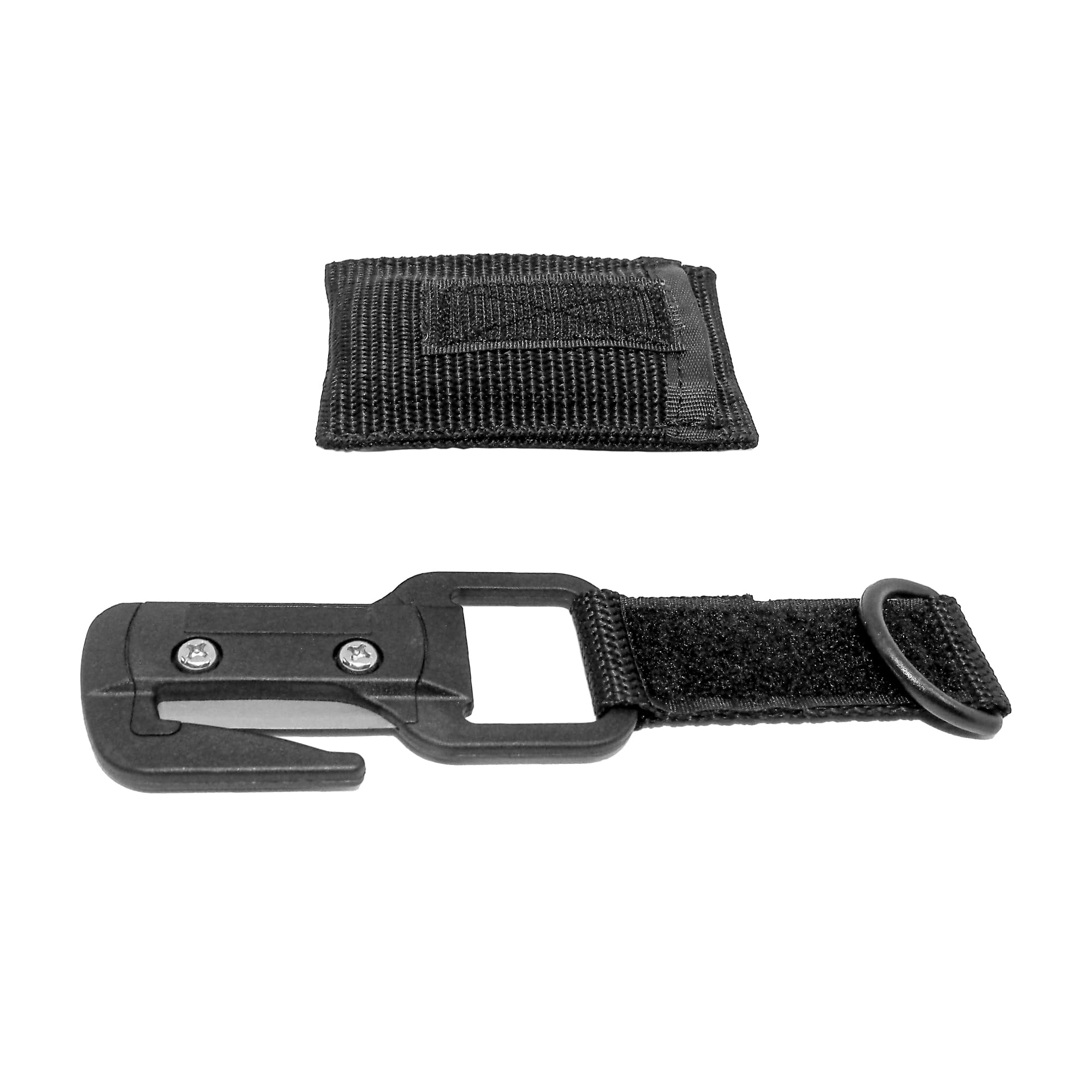
A dive knife or cutting tool is a crucial safety item for divers. It's used to cut through entanglement hazards, such as fishing line or netting.
Why It's an Upgrade
A dive knife provides a crucial safety tool in emergency situations. While hopefully never needed, it can be life-saving if you become entangled.
Considerations
- Blade Material:
- Stainless Steel: Durable and affordable, but can rust in saltwater.
- Titanium: Lightweight, corrosion-resistant, and holds an edge well, but more expensive.
- Blade Type:
- Serrated: Excellent for cutting through rope and netting.
- Straight: Useful for general cutting tasks.
- Mounting Options:
- Leg: Strapped to the leg.
- BCD: Attached to the BCD.
Tip: Choose a dive knife that is easy to access and deploy in an emergency.
Knife Maintenance
- Rinse your dive knife with fresh water after each dive.
- Dry the blade thoroughly to prevent rust.
- Sharpen the blade regularly to maintain its cutting ability.
Line Cutters
Line cutters are a compact and convenient alternative to dive knives. They are specifically designed for cutting through fishing line and other thin entanglements.
Conclusion: Investing in Your Diving Future
Upgrading your diving gear is an investment in your safety, comfort, performance, and enjoyment. While the initial cost may seem daunting, the benefits are well worth it.
Start by prioritizing the upgrades that are most important to you based on your diving needs and budget. Consider consulting with experienced divers and local dive shops for personalized recommendations.
Ready to take the plunge?
Share your experiences with upgraded gear in the comments below! Do you have any questions about the gear discussed in this post? Subscribe to Pro Dive Vibes for more diving tips and advice!