Fins 101: Choosing the Perfect Scuba Fins for Your Dive Style
Fins 101: Choosing the Perfect Scuba Fins for Your Dive Style
Introduction: Why Choosing the Right Fins Matters
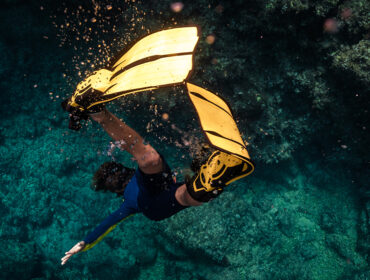
Fins are an essential piece of scuba diving equipment. They provide the propulsion, maneuverability, and efficiency you need to navigate underwater. The right fins can make your dives more enjoyable and less tiring, while the wrong fins can lead to fatigue, cramping, and a less-than-ideal experience.
Choosing the right fins can feel daunting, especially for beginner divers. This guide will break down the different types of fins, materials, and features to help you select the perfect pair for your dive style and experience.
Understanding Fin Types: A Breakdown
There are two main categories of scuba fins: Paddle Fins and Split Fins.
Paddle Fins
Description: Paddle fins feature a traditional, solid blade design. They are the most common type of fin and are known for their simplicity and power.
Pros:
- Powerful thrust: Excellent for generating strong propulsion.
- Good for strong currents: The solid blade provides resistance and control in challenging conditions.
- Affordable: Generally less expensive than split fins.
Cons:
- Can be more tiring: Requires more effort to kick, especially over long distances.
- Less maneuverable in tight spaces: The larger blade can be cumbersome in confined areas.
Best for: Divers who need power for currents, rescue divers, and underwater photographers who want stability.
Split Fins
Description: Split fins have a blade divided into two flexible wings. This design allows water to flow between the wings, reducing drag and increasing efficiency.
Pros:
- Reduced drag: Requires less effort to kick, conserving energy.
- Less effort: Easier on the legs and ankles, reducing fatigue.
- Good maneuverability: The split blade allows for precise movements.
Cons:
- Less powerful thrust in strong currents: May not provide enough power in challenging conditions.
- Can feel 'soft' to some divers: Some divers find the lack of resistance disconcerting.
Best for: Recreational divers, divers with knee or ankle problems, and warm water diving.
Other Fin Types (Briefly Mention):
There are also some less common fin types that cater to specific needs:
- Force Fins: These fins feature a unique design with a "scoop" shape that channels water for efficient propulsion.

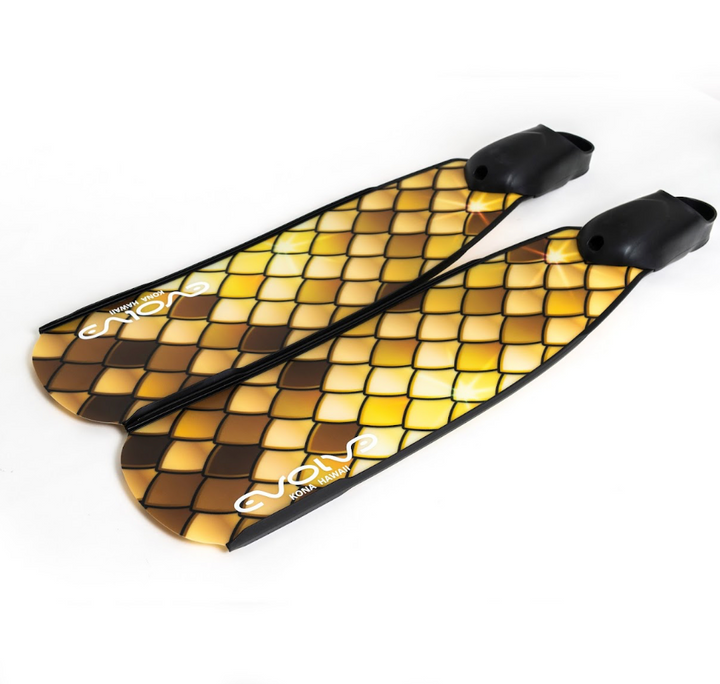
- Monofins: Used primarily in freediving and competitive swimming, monofins combine both feet into a single blade for maximum speed and efficiency.
Fin Materials: What Are They Made Of?
The material of your fins significantly affects their performance, durability, and suitability for different diving conditions.
Rubber
Pros:
- Durable: Resistant to wear and tear.
- Powerful: Provides excellent thrust and control.
- Good for cold water: Maintains flexibility in colder temperatures.
Cons:
- Can be heavy: May contribute to leg fatigue.
- Less flexible: May not be as comfortable for some divers.

Plastic
Pros:
- Lightweight: Reduces leg fatigue.
- Affordable: Generally less expensive than rubber fins.
- Good for warm water: Sufficient flexibility in warmer temperatures.
Cons:
- Less durable: More prone to damage.
- Less powerful: May not provide enough thrust in strong currents.
Composite (Combination of Materials)
Pros:
- Balance of power, flexibility, and durability: Offers a compromise between the advantages of rubber and plastic.
Cons:
- Can be more expensive: Typically pricier than rubber or plastic fins.
The best material for you will depend on your diving style, experience level, and the conditions you typically dive in.
Fin Features to Consider
Beyond the basic fin types and materials, several features can impact your diving experience.
Heel Type
- Open Heel: Adjustable strap, worn with boots, good for cold water and varied foot sizes.
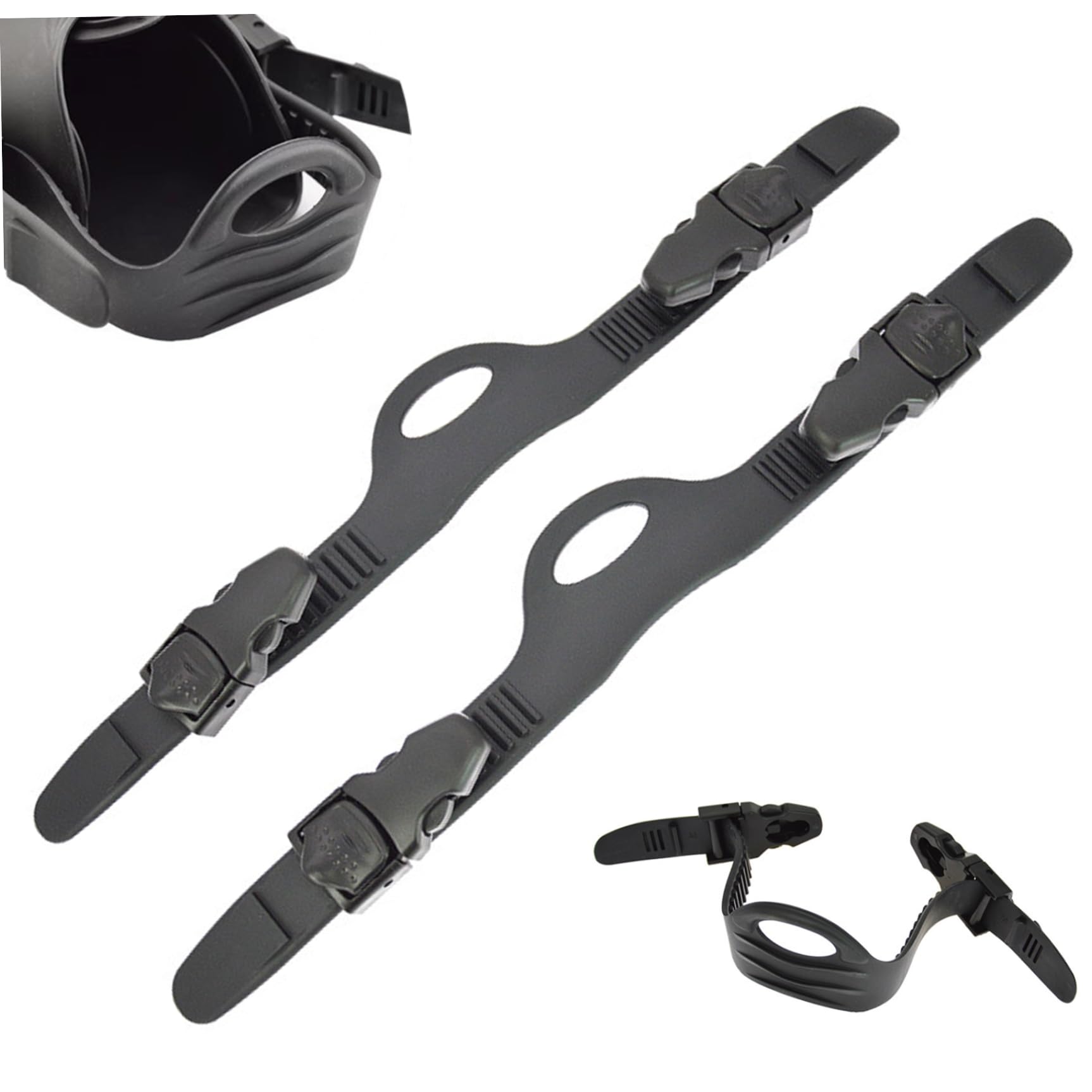
- Full Foot: Encloses the entire foot, worn barefoot or with thin socks, good for warm water.

Blade Length and Stiffness
- Shorter blades: More maneuverable, less powerful.
- Longer blades: More powerful, less maneuverable.
- Stiffer blades: More powerful, require more effort.
- Flexible blades: Less powerful, require less effort.
Vents and Channels
Vents and channels are design features that affect water flow and propulsion. They help to direct water along the blade, increasing efficiency and reducing drag.

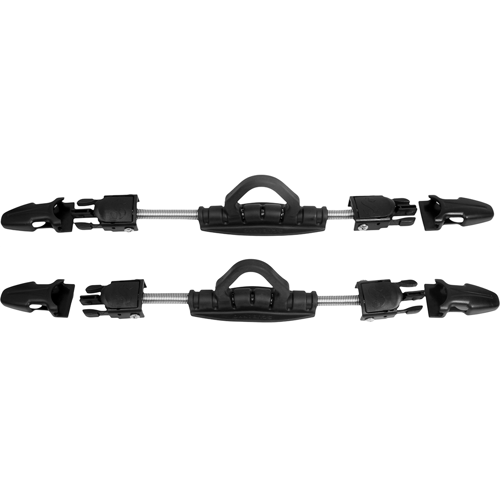
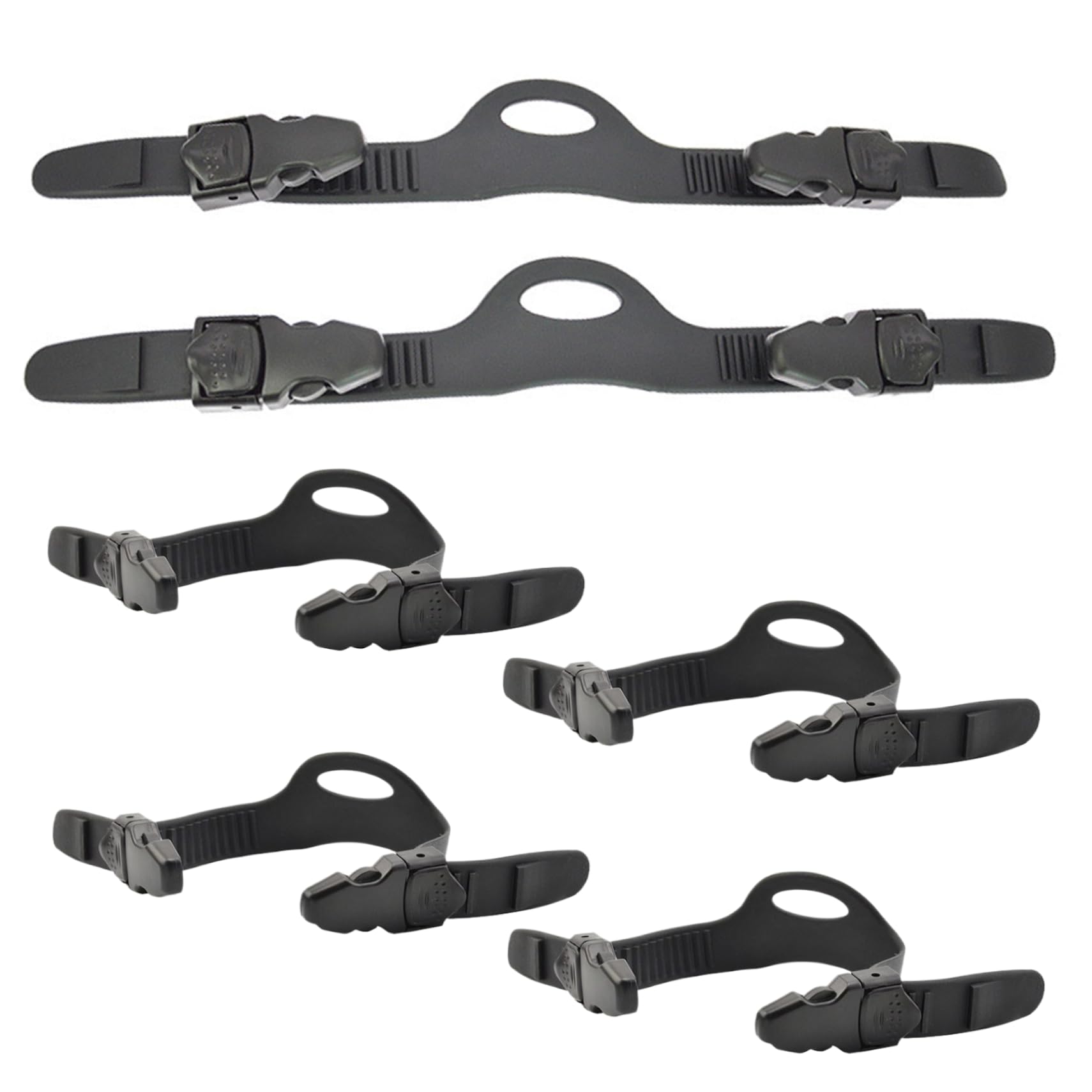
Spring Straps vs. Buckle Straps
| Feature | Spring Straps | Buckle Straps |
|---|---|---|
| Ease of Use | Easier to put on and take off | Can be more fiddly to adjust |
| Durability | Very durable, less prone to breaking | Buckles can break or become loose over time |
| Comfort | Often more comfortable, especially with gloves | Can sometimes cause pressure points |
| Cost | Generally more expensive | Generally less expensive |
Matching Fins to Your Dive Style and Experience
Beginner Divers
For beginner divers, it's best to choose fins that are forgiving, easy to use, and don't require excessive effort. Flexible paddle fins or split fins are often a good choice.
Experienced Divers
Experienced divers can choose fins based on specific diving conditions and preferences. Stiffer paddle fins are ideal for strong currents, while split fins offer greater efficiency for recreational dives.
Travel Divers
Lightweight and compact fin options are ideal for travel divers. Look for fins made from lightweight plastic or composite materials. Short-blade fins are also easier to pack.
Cold Water Divers
Cold water divers should prioritize open-heel fins with boots and durable materials like rubber. The boots provide insulation, and the open-heel design allows for easy adjustment with thick gloves.
Warm Water Divers
Warm water divers can opt for full-foot fins and lighter materials like plastic. Full-foot fins are comfortable and convenient for warm water diving.
Technical Divers
Technical divers typically require fins with high thrust and durability for specialized dives. Stiffer paddle fins made from rubber or composite materials are often preferred.
Proper Fin Fit and Maintenance
Proper Fin Fit:
- When choosing full-foot fins, ensure that your toes are not cramped and that there is no excessive heel slippage.
- When choosing open-heel fins, try them on with the dive boots you plan to use. Adjust the strap until the fin is snug but not too tight.
- Walk around in the fins to check for any discomfort or rubbing.
Fin Maintenance:
- Rinse your fins with fresh water after each dive to remove salt, sand, and debris.
- Store your fins in a cool, dry place away from direct sunlight.
- Inspect your fins regularly for any signs of damage, such as cracks, tears, or worn straps.
- Replace your fins if they are damaged or no longer fit properly.
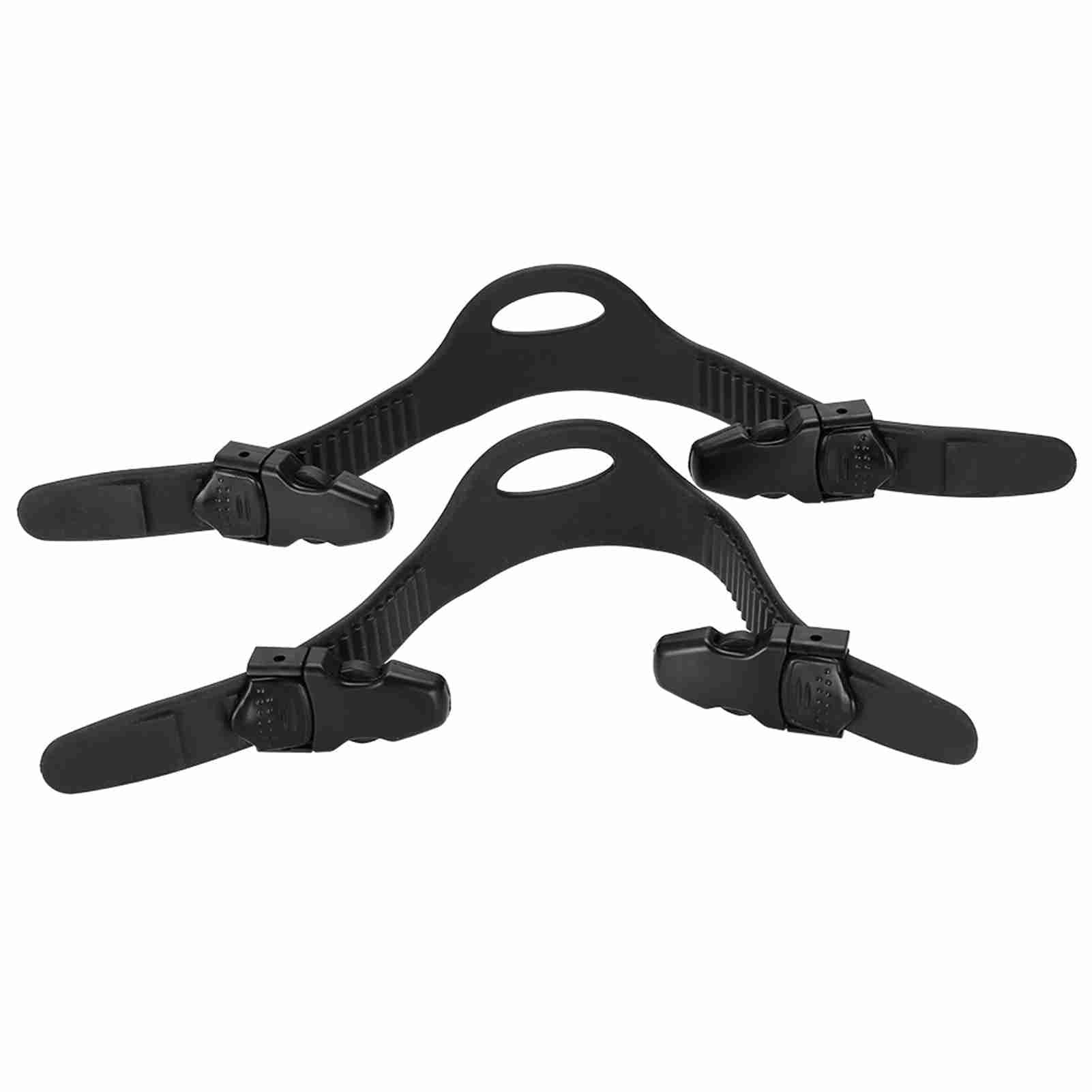

Pro Tip: Always try on fins with dive boots (if applicable) before purchasing to ensure a proper fit. A loose fit can lead to blisters and inefficiency, while a tight fit can cause discomfort and cramping.
Conclusion: Finding Your Perfect Fin Fit
Choosing the right scuba fins is crucial for a safe and enjoyable diving experience. Consider your individual needs, diving style, and the conditions you typically dive in when making your decision. Visit a local dive shop for expert advice and to try on different fins.
What are your favorite fins and why? Leave a comment below to share your experiences or ask any questions you may have!