Dive Mask Demystified: A Beginner's Guide to Fit, Features & Anti-Fog
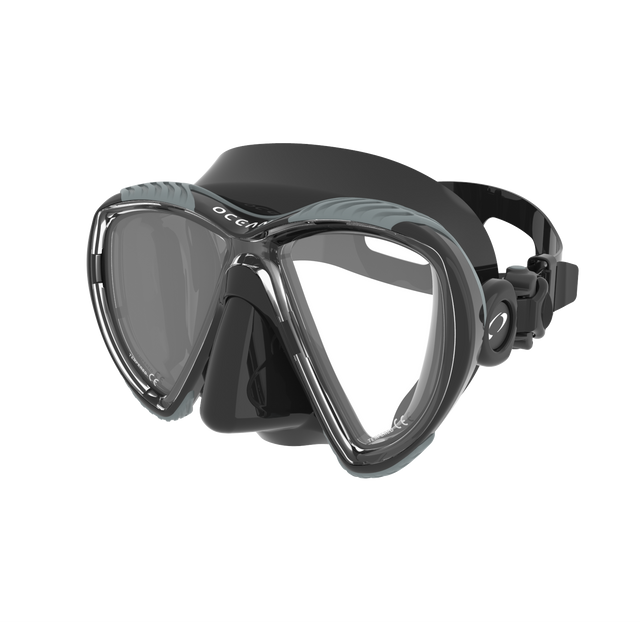
Dive Mask Demystified: A Beginner's Guide to Fit, Features & Anti-Fog
Seeing clearly underwater is paramount for a safe and enjoyable scuba diving experience. Your dive mask isn't just an accessory; it's a critical piece of equipment that allows you to see the underwater world as it's meant to be seen. Without a mask, water distorts your vision, making everything blurry and undefined. A good mask creates an air space in front of your eyes, correcting for this refraction and restoring clear, focused vision.
However, a poorly fitting mask can be a major source of frustration. Leaks, discomfort, and fogging can quickly ruin a dive. This guide will walk you through everything you need to know about dive masks, from understanding their anatomy to finding the perfect fit and conquering the dreaded fog. We'll cover the essential features to consider and provide practical tips to ensure your underwater vision is crystal clear.
Understanding Dive Mask Anatomy: Key Components Explained
A dive mask is more than just a piece of glass and some rubber. Understanding the individual components and how they work together is key to choosing the right mask for you.
Lens
The lens is obviously the most important part of the mask, allowing you to see clearly underwater.
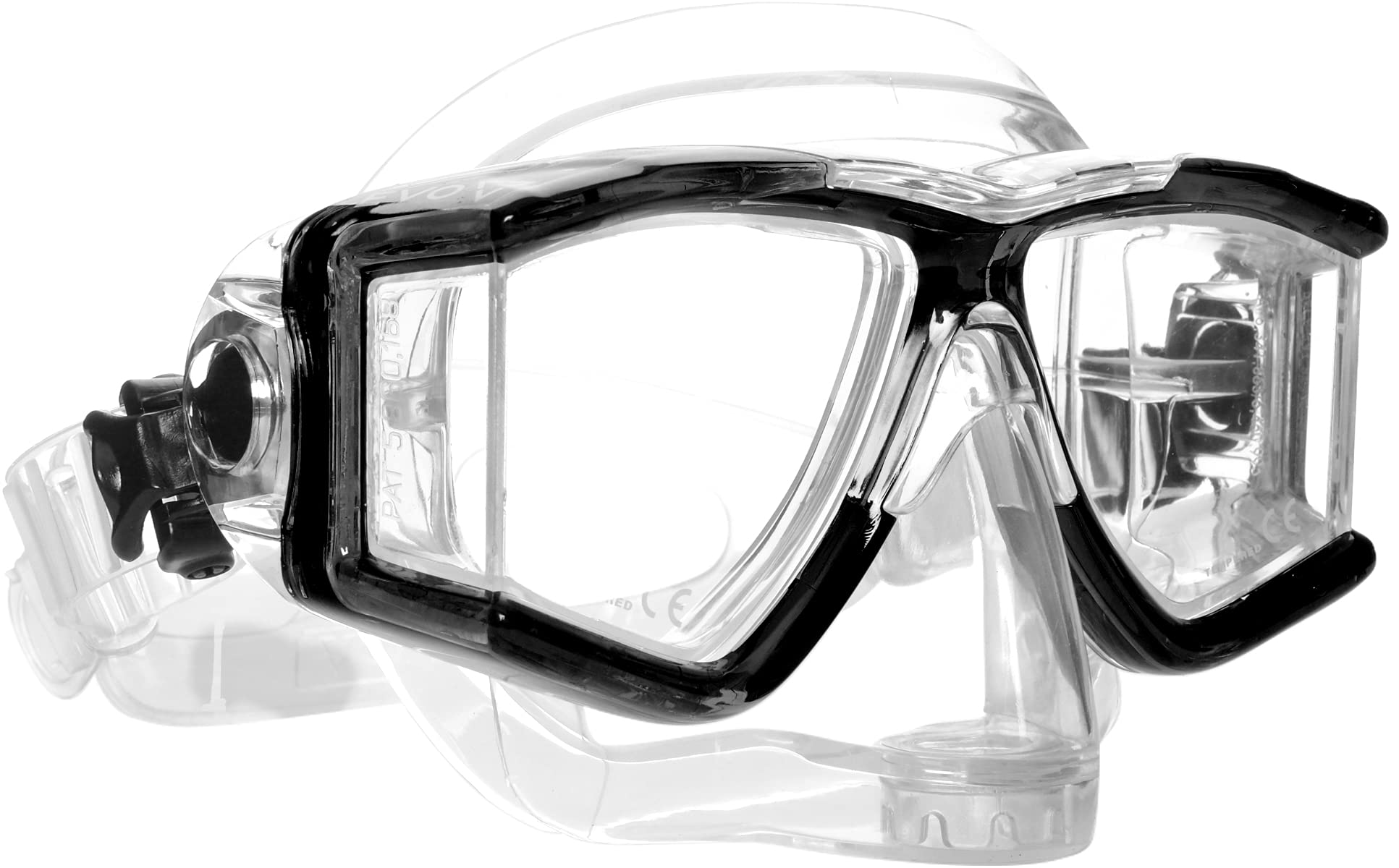
- Types: Masks come with single-lens, dual-lens, or multi-lens designs. Single-lens masks offer a wider, unobstructed field of view. Dual-lens masks often allow for a lower internal volume and the possibility of prescription lenses. Multi-lens masks are less common, offer a panoramic view, but can be more prone to distortion.
- Materials: Lenses are typically made of tempered glass or, less commonly, plastic. Tempered glass is much safer, as it shatters into small, relatively harmless pieces if broken, unlike regular glass. Plastic lenses are more prone to scratching.
- Field of View: The lens design significantly impacts the field of view. Look for masks that offer a wide, panoramic view, allowing you to see more of your surroundings.
Skirt
The skirt is the soft, flexible part of the mask that seals against your face, preventing water from entering.
- Material: Skirts are usually made of silicone or rubber. Silicone is generally preferred because it's more comfortable, durable, and less prone to allergies.
- Seal: A good seal is crucial. The skirt must conform to the contours of your face without gaps.
- Design: Skirts can have a single or double "feathered edge." A double feathered edge provides an extra layer of sealing surface, offering a more secure fit.

Frame
The frame provides the structural support for the mask, holding the lens and skirt together. It's typically made of plastic or metal. The frame's design also influences the mask's overall profile and field of view.
Strap
The strap secures the mask to your head.
- Adjustability: The strap must be easily adjustable to achieve a comfortable and secure fit.
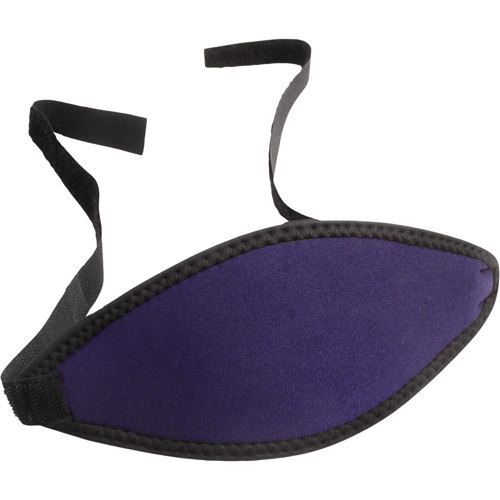
- Material: Straps are typically made of silicone or neoprene. Neoprene straps can be more comfortable but may require more maintenance.
- Design: Split straps are designed to distribute pressure more evenly, enhancing comfort. Single straps are simpler and more traditional.
Buckles
Buckles allow you to adjust the strap tension.
- Ease of Adjustment: Look for buckles that are easy to adjust, even with thick gloves.
- Types: Swivel buckles allow the strap to rotate, improving comfort and preventing the strap from twisting. Push-button buckles offer quick and easy adjustments.
Nose Pocket
The nose pocket allows you to pinch your nose to equalize pressure in your ears.
- Equalization: The nose pocket must be easily accessible so you can comfortably equalize.
- Design: Single-lens masks typically have a larger nose pocket than dual-lens masks. Some masks have molded finger pockets for easier pinching.

The Perfect Fit: Finding a Mask That Works for YOU
Finding a mask that fits well is the most important factor in ensuring a comfortable and leak-free diving experience.
-
Pre-Purchase Fit Check: Here's how to check the fit before you buy:
- Place the mask gently against your face without using the strap.
- Inhale slightly through your nose.
- The mask should stay in place, creating a seal.
- Check for gaps between the skirt and your face, especially around your forehead and under your nose.

Pro Tip: If the mask falls off your face immediately, it's definitely not a good fit.
-
Face Shapes: Consider your face shape when choosing a mask.
- Narrow Faces: Look for masks with smaller frames and narrower skirts.
- Wide Faces: Choose masks with wider skirts and flexible frames.
- High Cheekbones: Ensure the skirt fits comfortably over your cheekbones without creating pressure points.
-
Common Fit Problems:
- Mustache Seal: A mustache can prevent a proper seal. Try applying a thin layer of silicone grease to your mustache, or consider a mask with a wider skirt that accommodates facial hair.
- Leaks around Forehead: This could indicate that the mask is too small or that the strap is too tight, causing the skirt to buckle.
- Leaks under Nose: Ensure the nose pocket is not pressing against your nose, which can break the seal.
-
Regulator Check: When trying on masks, insert your regulator mouthpiece to simulate diving conditions. This can affect the mask's seal and comfort.
-
In-Person Trial: If possible, try on several masks in person before making a purchase. This is the best way to ensure a proper fit.
Dive Mask Features: Beyond the Basics
Once you've found a mask that fits well, consider these additional features that can enhance your diving experience.
Low Volume Masks
Low-volume masks have a smaller internal air space.
- Advantages: Easier to equalize, reduced drag in the water, and closer lens-to-eye proximity for a wider field of vision. Ideal for freediving and scuba diving.

Wide Field of Vision Masks
These masks are designed to maximize your peripheral vision.
- Benefits: Improved awareness of your surroundings, enhanced underwater photography, and a more immersive diving experience.

Corrective Lenses
If you wear glasses, corrective lenses can significantly improve your underwater vision.
- Options: Prescription lenses can be custom-made to match your exact prescription. Alternatively, gauge readers are bifocal lenses that allow you to see your gauges clearly.

Purge Valves
A purge valve is a one-way valve located at the bottom of the mask that allows you to easily clear water from the mask by exhaling through your nose.
- Pros: Convenient for clearing water, especially for beginners.
- Cons: Can be prone to failure, adds complexity to the mask, and may slightly reduce the field of vision.
Color Options
Mask skirts come in a variety of colors, each with its own advantages.
- Clear Skirts: Allow more light to enter the mask, which can be beneficial for underwater photography and in low-light conditions.
- Black Skirts: Reduce glare and reflections, providing a clearer, more focused view. Preferred by many underwater photographers.
Conquering the Fog: Anti-Fog Solutions That Actually Work
Mask fogging is a common problem that can significantly impair your underwater vision. Understanding why fogging occurs and how to prevent it is essential.
- The Science of Fogging: Fogging is caused by condensation. Warm, humid air inside the mask comes into contact with the cooler lens, causing water vapor to condense into tiny droplets that obscure your vision.
DIY Anti-Fog Methods
-
Spit: This is the most basic and readily available anti-fog solution.
- Pros: Free and always available.
- Cons: Not always effective, can be unhygienic.
- Application: Spit into the mask lens, spread it around with your finger, rinse briefly with water, and put the mask on. Don't rinse too thoroughly, or you'll wash away the spit.
-
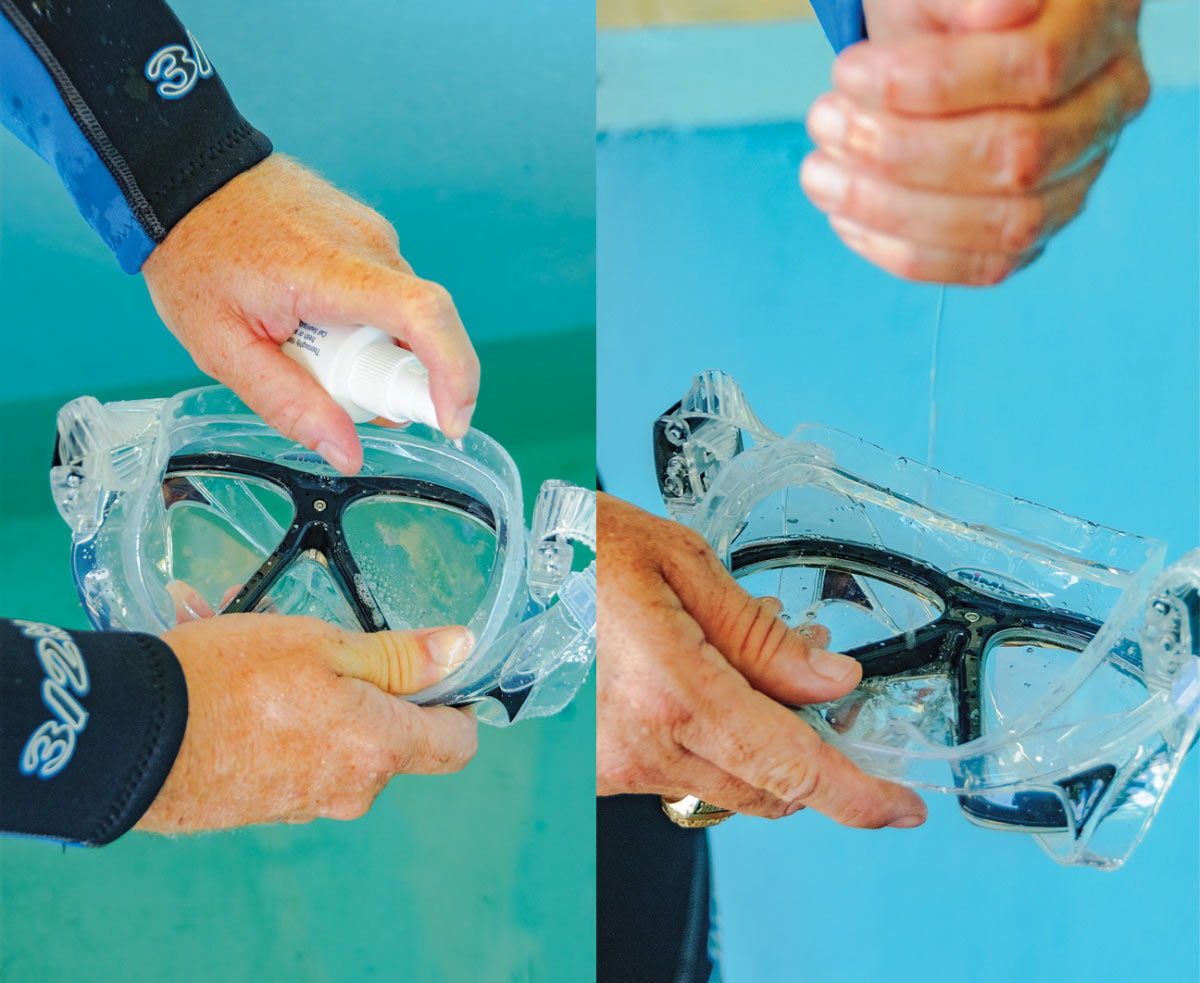
Baby Shampoo: A diluted solution of baby shampoo can be an effective anti-fog.
- Dilution Ratio: Mix a few drops of baby shampoo with water in a small spray bottle.
- Application: Spray the solution onto the lens, spread it around, rinse briefly, and put the mask on.
Commercial Anti-Fog Solutions
Commercial anti-fog solutions are specifically designed to prevent mask fogging.
- Types: Gels and sprays are available.
- Application: Follow the manufacturer's instructions. Typically, you apply a small amount to the lens, spread it around, let it sit for a few minutes, and then rinse briefly.

Burning the Manufacturing Oils
New masks often have a thin layer of silicone oil on the lens from the manufacturing process, which can contribute to fogging. Burning this oil off can significantly improve anti-fog performance.
- Hold the mask lens a safe distance from an open flame (lighter or candle).
- Gently move the flame across the inside of the lens. Do NOT hold the flame in one spot for too long, as this can damage the lens.
- You will see the silicone oil burning off, creating a sooty residue.
- Let the lens cool completely.
- Clean the lens thoroughly with a mild soap and water.
- Repeat the process 2-3 times.
Warning: This process should be done with caution and in a well-ventilated area. Do not overheat the lens.
Preventative Measures
- Storage: Store your mask in a cool, dry place away from direct sunlight and heat.
- Cleaning: Rinse your mask with fresh water after every dive to remove salt and debris.
Caring for Your Dive Mask: Longevity Tips
Proper care and maintenance will extend the life of your dive mask and ensure it performs optimally.
- Rinsing: Rinse your mask thoroughly with fresh water after every dive to remove salt, chlorine, and other contaminants.
- Storage: Store your mask in a protective case or bag to prevent scratches and damage. Keep it away from direct sunlight and extreme temperatures.
- Cleaning Products: Avoid using harsh chemicals or abrasive cleaners, as they can damage the silicone skirt and lens. Use a mild soap and water.
- Inspection: Regularly inspect your mask for signs of wear and tear, such as cracks in the skirt, damaged buckles, or a loose lens.
- Replacement: A dive mask typically lasts for several years with proper care. However, if you notice significant damage or a persistent leak, it's time to replace it.

Conclusion: Dive In with Confidence!
Choosing the right dive mask is essential for a comfortable, safe, and enjoyable diving experience. Remember to prioritize proper fit, consider essential features like lens type and skirt material, and master effective anti-fog methods.
Invest in a quality dive mask that fits your face and diving style. Don't be afraid to try on multiple masks and experiment with different anti-fog solutions until you find what works best for you.
Now, go forth and explore the underwater world with crystal-clear vision!
What are your favorite mask tips and tricks? Share your experiences in the comments below!