Dive Knife Showdown: Serrated vs. Straight Edge - Which Blade Cuts It For You? (Detailed Guide)

Introduction: Your Underwater Lifeline - The Dive Knife
The current ripped unexpectedly, pulling Sarah further from the reef. Panic began to set in as she realized a stray fishing line had wrapped tightly around her ankle. Each kick tightened the snare. Luckily, she remembered her dive knife, swiftly unclipped it, and with a few practiced motions, freed herself. That dive knife wasn't just an accessory; it was her lifeline.
A dive knife isn't merely a cool gadget to clip onto your BCD; it's a crucial piece of safety equipment. It's your underwater seatbelt, your potential escape route, and your tool for assisting others in need. When faced with entanglement in fishing lines, netting, or even rogue kelp, a reliable knife can be the difference between a minor inconvenience and a serious emergency.
Choosing the right dive knife, however, can feel overwhelming. The market is flooded with options, but the fundamental choice boils down to two main blade types: serrated and straight edge.
This blog post aims to be your definitive guide in navigating this decision. We'll dissect the pros and cons of each blade type, exploring their strengths, weaknesses, and ideal applications. We'll also delve into other crucial knife features, maintenance tips, and real-world scenarios to help you select the perfect dive knife for your specific needs. Consider your diving environment, frequency of use, and personal preferences – they all play a role in making the right choice. So, let's dive in!
Understanding the Straight Edge Dive Knife
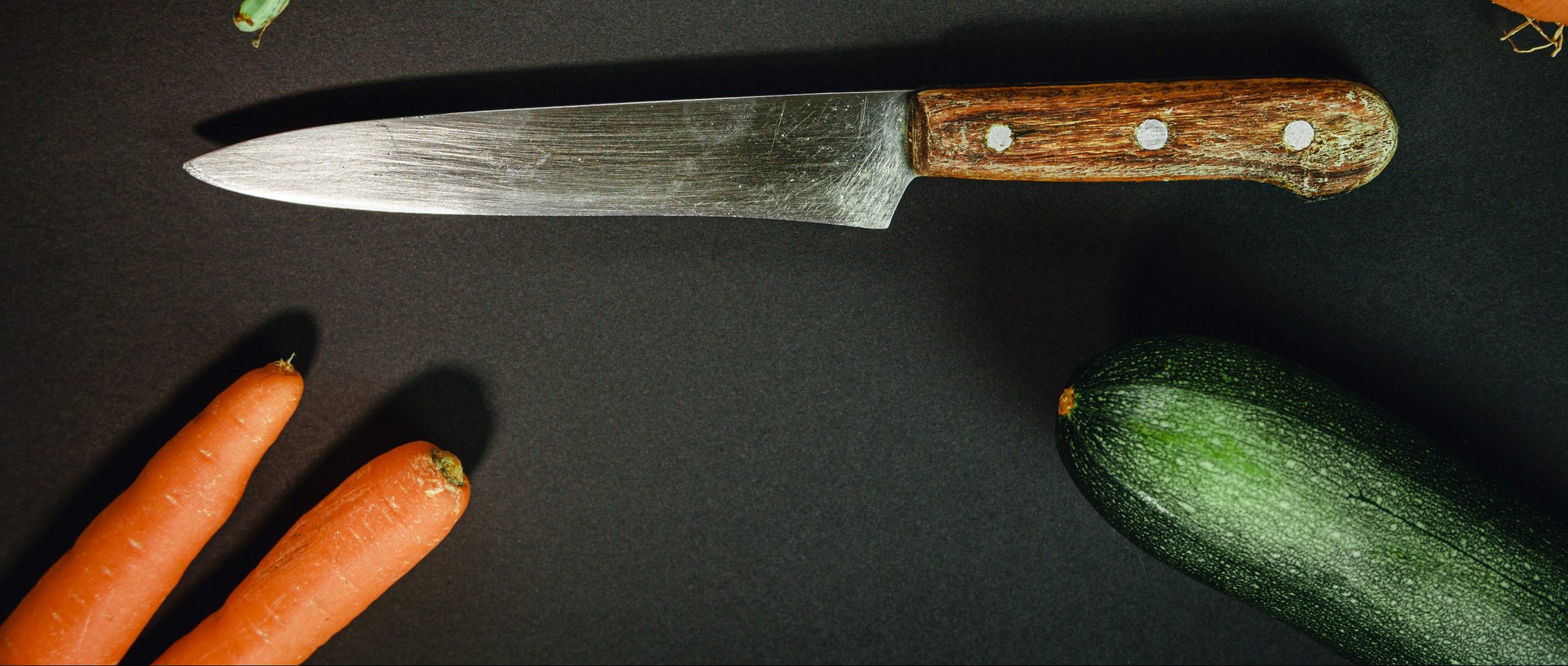
A straight edge dive knife is characterized by its smooth, unbroken cutting edge. It’s a classic design, offering precision and control.
Advantages of a Straight Edge:
- Precision Cutting: Straight edge knives excel at clean, controlled cuts. This makes them ideal for tasks where accuracy is paramount.
- Sharpening: Sharpening a straight edge blade is relatively straightforward. With a honing steel or a sharpening stone, you can easily restore a razor-sharp edge. This ease of maintenance ensures your knife is always ready for action.
- Versatility: A straight edge knife is a good all-around tool, suitable for a variety of general cutting tasks.
Disadvantages of a Straight Edge:
- Less Effective on Rope and Fibrous Materials: Compared to serrated edges, straight edges can struggle with rope, netting, and other tough, fibrous materials. They may require more force and multiple passes to achieve a clean cut.
- May Require More Force: Cutting through particularly tough materials can demand significant force, potentially making the task more difficult underwater.
Ideal Uses:
- General Utility Tasks: Opening packages, cutting bait, or other everyday tasks on a dive boat.
- Cutting Monofilament Fishing Line (with practice): With a sharp edge and a steady hand, a straight edge can effectively cut through monofilament. Practice is key to mastering this skill.
- Delicate Cutting Needs: Tasks that require precision and control, such as carefully removing a small piece of debris from equipment.
Image Caption: A Cressi Orca Dive Knife showing a sharp, straight edge blade.
Exploring the Serrated Edge Dive Knife
A serrated edge dive knife features a series of teeth along its blade, designed for aggressive cutting and sawing.
Advantages of a Serrated Edge:
- Aggressive Cutting: Serrated edges are excellent for sawing through rope, netting, and other tough materials. The teeth grip and tear through fibers, making quick work of challenging cutting tasks.
- Maintains Cutting Ability Even When Slightly Dull: Unlike straight edges, serrated edges retain some cutting ability even when slightly dull. The teeth continue to grip and tear, providing a degree of effectiveness even without constant sharpening.
- Requires Less Force to Initiate a Cut on Fibrous Materials: The teeth of a serrated edge concentrate force, making it easier to initiate a cut on tough, fibrous materials.
Disadvantages of a Serrated Edge:
- Difficult to Sharpen Properly: Sharpening a serrated edge requires specialized tools and techniques. Maintaining the sharpness of each individual tooth can be a time-consuming and challenging process.
- Can Tear Materials Instead of Making Clean Cuts: The aggressive nature of a serrated edge can sometimes lead to tearing rather than clean cuts, particularly on delicate materials.
- May Snag on Delicate Items: The teeth can easily snag on clothing, equipment, or even marine life if not handled with care.
Ideal Uses:
- Cutting Through Thick Ropes and Nets: Serrated edges are the go-to choice for quickly and efficiently cutting through thick ropes and nets.
- Emergency Situations Where Speed and Power Are Essential: In emergencies, the speed and power of a serrated edge can be critical.
- Cutting Through Vegetation: Clearing a path through dense underwater vegetation.
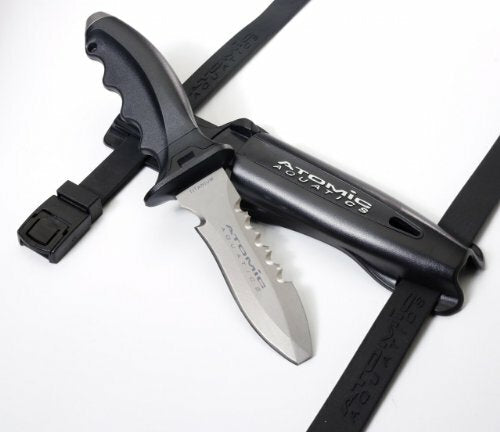
Image Caption: The Atomic Aquatics B2 Dive Knife, known for its aggressive serrated edge.
Side-by-Side Comparison: Serrated vs. Straight Edge
| Feature | Serrated Edge | Straight Edge |
|---|---|---|
| Cutting Power (Rope/Netting) | Excellent | Fair |
| Cutting Power (Monofilament) | Good (but can be messy) | Good (requires sharpness and practice) |
| Sharpening Ease | Difficult | Easy |
| Precision Cutting | Poor | Excellent |
| Durability | High | High |
| Versatility | Limited | Good |
Cutting Power (Rope/Netting): A serrated edge excels here. Imagine being entangled in a thick fishing net. A serrated knife will saw through the thick fibers with ease, while a straight edge might struggle, requiring more force and time.
Cutting Power (Monofilament): Both can cut monofilament, but a straight edge requires a very sharp edge and a precise cutting motion. A serrated edge can be more forgiving, but may leave a frayed edge.
Sharpening Ease: This is where the straight edge shines. With basic sharpening skills and a few simple tools, you can easily maintain a razor-sharp straight edge. Sharpening a serrated edge, on the other hand, is a more complex process that often requires specialized tools.
Precision Cutting: A straight edge offers superior precision. Think of carefully removing a small piece of fishing line from delicate coral. A straight edge allows for controlled, accurate cuts, minimizing the risk of damage.
Durability: Both blade types can be highly durable, depending on the quality of the steel and the overall construction of the knife.
Versatility: A straight edge is generally more versatile, suitable for a wider range of tasks. While a serrated edge excels at cutting tough materials, it's less useful for delicate or precise work.
Beyond the Blade: Other Important Knife Features
The blade type is just one factor to consider when choosing a dive knife. Several other features contribute to its overall performance and suitability for your needs.
Blade Material:
- Stainless Steel: A common and affordable option, stainless steel offers good corrosion resistance. However, it can still rust if not properly maintained.
- Titanium: Titanium is highly resistant to corrosion, making it an excellent choice for saltwater diving. It's also lightweight and strong, but typically more expensive than stainless steel.
Handle Material:
The handle should provide a comfortable and secure grip, even when wet. Look for materials like rubber, Kraton, or textured plastic. Ergonomics are key – the handle should fit comfortably in your hand and allow for easy manipulation.
Sheath Design:
The sheath is crucial for safely securing your knife and ensuring quick access. Look for a sheath with a secure locking mechanism to prevent accidental dislodgement. Consider the mounting options – leg straps or BCD attachments are common choices.
Tip Design:
- Pointed Tip: Pointed tips are better for piercing and can be useful for certain tasks, but they also pose a higher risk of accidental injury.
- Blunt Tip: Blunt tips are safer and less likely to cause accidental punctures. They may not be as effective for piercing, but are a safer option for many divers.
Size and Weight:
The size and weight of your dive knife should strike a balance between effectiveness and portability. A large, heavy knife can be cumbersome to carry, while a small, lightweight knife may lack the cutting power you need in an emergency.
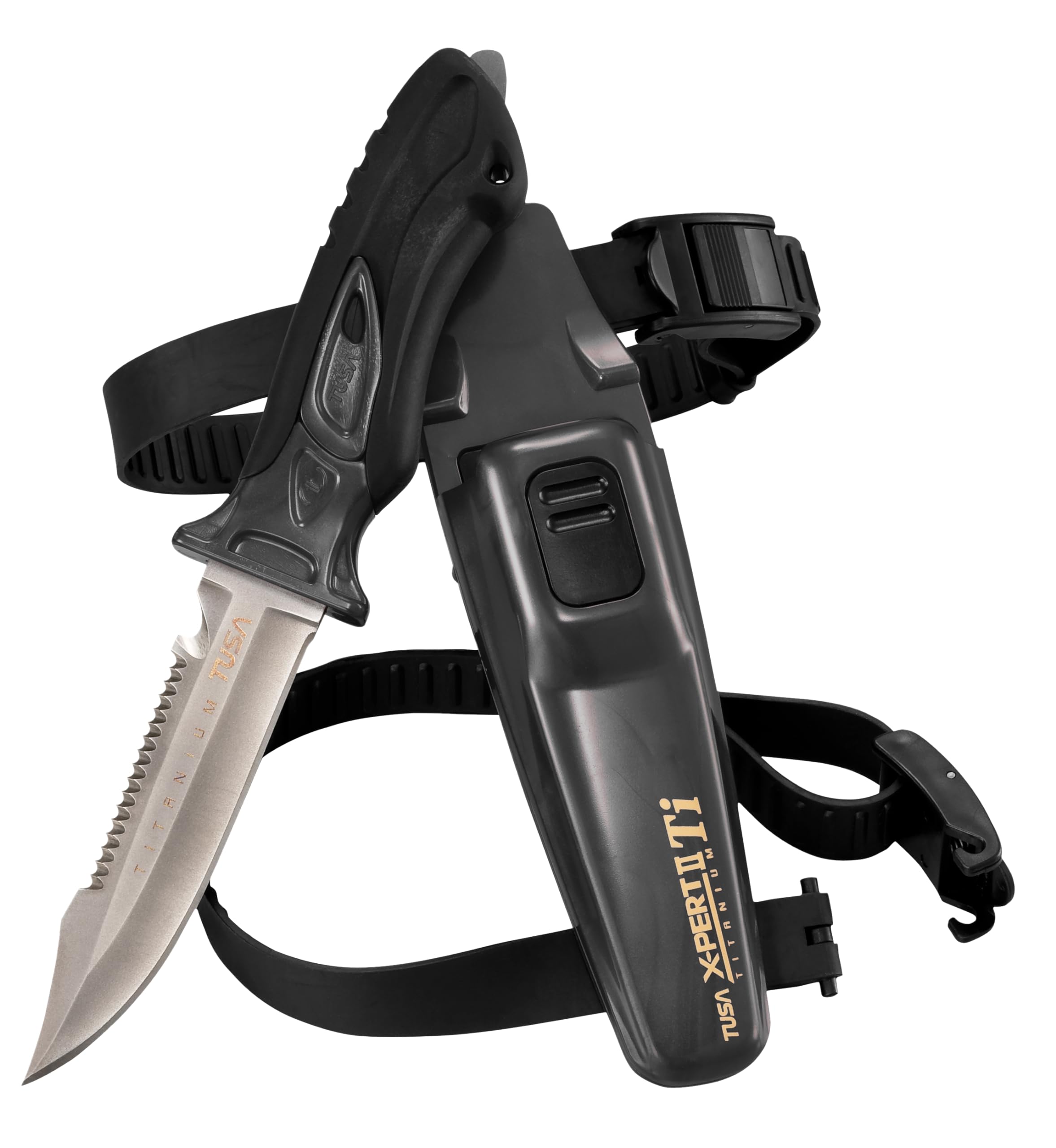
Image Caption: The TUSA FK-10 dive knife, featuring a corrosion-resistant titanium blade.

Image Caption: The Underwater Kinetics Blue Tang Hydralloy Knife and its secure locking mechanism.
Maintenance and Care: Keeping Your Dive Knife Sharp and Ready
Proper maintenance is essential for extending the life of your dive knife and ensuring it's always ready for use.
- Rinsing with Fresh Water: After every dive, thoroughly rinse your knife with fresh water to remove salt, sand, and other debris.
- Drying Thoroughly: After rinsing, dry the knife completely with a clean cloth. Pay particular attention to the blade, handle, and sheath.
- Lubricating the Blade and Moving Parts: Apply a thin coat of silicone grease to the blade and any moving parts to prevent rust and corrosion.
- Sharpening Techniques: Sharpen straight edge blades regularly with a honing steel or sharpening stone. Serrated edges are more difficult to sharpen and may require specialized tools or professional sharpening services.
- Proper Storage: Store your knife in a dry, safe place to prevent damage. Keep it away from extreme temperatures and direct sunlight.
- Inspecting Regularly: Regularly inspect your knife for signs of wear and tear, such as rust, corrosion, or damage to the blade or handle.
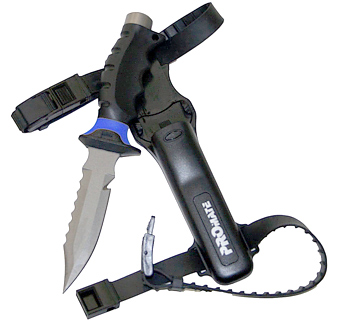
Image Caption: Proper maintenance is key to extending the life of your dive knife.
Real-World Scenarios: When Each Blade Type Shines
Understanding how each blade type performs in real-world scenarios can help you make the right choice.
- Scenario 1: Entanglement in Thick Fishing Net: A serrated edge excels in this situation. The aggressive teeth will quickly saw through the thick fibers of the net, allowing you to free yourself.
- Scenario 2: Cutting a Small Piece of Monofilament Line: A straight edge, with practice, is preferred for this task. The sharp edge allows for a clean, precise cut, minimizing the risk of accidentally cutting yourself or damaging equipment.
- Scenario 3: Freeing a Trapped Marine Animal: A serrated edge can be used to quickly cut through thick lines, but caution is needed to avoid injuring the animal. A blunt tip knife is preferable in this scenario to minimize the risk of injury.
- Scenario 4: General Utility Tasks on a Dive Boat: A straight edge is more versatile for general utility tasks, such as opening packages or cutting bait.
Important: Practice using your dive knife in a safe environment before using it underwater. Familiarize yourself with its handling and cutting capabilities.
Top Dive Knife Recommendations: Our Picks for Every Diver
Here are some of our top dive knife recommendations, categorized by price range and features:
- Budget-Friendly Option: Promate Barracuda Dive Knife: The Promate Barracuda is a reliable and affordable option for divers on a budget. It features a stainless steel blade with both a straight and serrated edge, as well as a blunt tip for added safety. It's a great all-around knife for general diving tasks.
Image Caption: The Promate Barracuda Dive Knife: A reliable choice for divers on a budget.
- Mid-Range Option: Mares Argo Titanium Dive Knife: The Mares Argo offers a great balance of performance and durability. Its titanium blade provides excellent corrosion resistance, making it ideal for saltwater diving. It also features a comfortable ergonomic handle and a secure locking sheath.

Image Caption: The Mares Argo Titanium Dive Knife: Offers a great balance of performance and durability.
- High-End Option: Benchmade 112 H2O Dive Knife: The Benchmade 112 H2O is a high-end dive knife built for the toughest conditions. Its premium stainless steel blade is incredibly durable and holds an edge exceptionally well. The handle is made from a rugged, non-slip material, and the sheath provides a secure and reliable locking mechanism.

Image Caption: The Benchmade 112 H2O Dive Knife: A high-end dive knife built for the toughest conditions.
Our selection criteria included durability, performance, value, and user reviews. We prioritized knives that offer a combination of these factors.
Conclusion: Choosing the Right Knife for YOUR Dives
Choosing the right dive knife is a personal decision that depends on your individual needs and preferences. Remember the key differences: serrated edges excel at cutting tough materials like rope and netting, while straight edges offer precision and versatility for general utility tasks.
Consider your diving environment, the types of entanglements you're most likely to encounter, and your personal comfort level with sharpening and maintenance. Prioritize safety and practice using your chosen knife in a safe environment before taking it underwater.
Now, we want to hear from you! What dive knives have you used, and what are your experiences with different blade types? Share your thoughts and recommendations in the comments section below.
A well-chosen and well-maintained dive knife is an investment in your safety and enjoyment of the underwater world. Dive safe, and happy exploring!