Dive In Without Breaking the Bank: 5 Affordable Essential Gear Picks

Dive In Without Breaking the Bank: 5 Affordable Essential Gear Picks
Introduction: Diving Dreams on a Budget
The underwater world beckons with its vibrant coral reefs, fascinating marine life, and the sense of weightless freedom. Scuba diving opens the door to this incredible realm, but the initial cost of equipment can be daunting for new divers. Seeing the price tags on BCDs, regulators, and dive computers can sometimes feel like a barrier to entry.
The reality is, you don't need to buy everything at once, nor do you need the most expensive gear to start enjoying the sport safely. Many new divers are overwhelmed by the sheer number of options and price points.
The key is to focus on essential gear that offers good value and reliable performance. You can build your kit gradually as you gain experience and discover your preferences.
This post highlights 5 affordable essential dive gear items and where to find them, enabling beginners to dive safely and comfortably without breaking the bank. We'll cover:
- Dive Mask: Ensuring clear vision and a comfortable fit.
- Snorkel: Conserving air and providing a surface breathing option.
- Fins: Providing efficient propulsion underwater.
- Dive Boots: Protecting your feet and adding warmth.
- Dive Gloves: Shielding your hands from the elements and marine life.
1. Dive Mask: Your Window to the Underwater World
A well-fitting dive mask is arguably the most crucial piece of gear. It's your literal window to the underwater world, and a leaky or uncomfortable mask can ruin a dive.
Features to look for include:
- Low volume: Masks with less internal air space are easier to clear.
- Comfortable skirt: A soft, silicone skirt that seals well against your face is essential.
- Tempered glass lens: For safety and durability.
Tip: When trying on a mask, gently press it to your face (without the strap) and inhale slightly through your nose. It should stay in place, creating a seal. If it falls off, it's likely not a good fit.
We recommend the Cressi Palau Mask. This mask offers a comfortable silicone skirt, a low-volume design, and easy-to-adjust buckles. The single lens provides a wide field of vision.
You can find the Cressi Palau Mask at these retailers:
2. Snorkel: Surface Comfort and Safety
While you'll be breathing from your tank underwater, a snorkel is essential for conserving air while on the surface, whether you're waiting for the boat, swimming to the dive site, or simply relaxing between dives. It also serves as a backup breathing device if you were to surface and run out of air.
Key features to consider:
- Purge valve: Allows you to easily clear water from the snorkel with a sharp exhale.
- Comfortable mouthpiece: A mouthpiece that fits comfortably in your mouth is crucial.
- Splash guard (optional): Helps prevent water from entering the snorkel in choppy conditions.
Our affordable recommendation is the Mares Ergo Dry Snorkel. It features an easy-to-use purge valve, a comfortable silicone mouthpiece, and a dry top design to minimize water entry.

You can purchase the Mares Ergo Dry Snorkel from:
3. Fins: Propulsion and Efficiency
Fins are essential for efficient underwater movement. They allow you to propel yourself through the water with minimal effort, conserving energy and air.
There are two main types of fins:
- Paddle fins: Traditional fins that provide good power and are generally more affordable.
- Split fins: Designed to channel water, potentially reducing drag and effort.
For beginners, paddle fins are often a good choice due to their affordability and ease of use.
Factors to consider when choosing fins include:
- Fit: Fins should fit snugly but comfortably with your dive boots.
- Stiffness: Stiffer fins provide more power but require more effort.
- Ease of use: Look for fins that are easy to put on and take off, especially in the water.
We recommend the Cressi Palau Long Fins. These fins are adjustable, providing a comfortable fit for a range of foot sizes. They offer good propulsion for beginners and are durable enough to withstand regular use.

You can find the Cressi Palau Long Fins at:
4. Dive Boots: Comfort and Protection
Dive boots are essential for protecting your feet from blisters and chafing inside your fins. They also provide warmth in cooler waters.
When selecting dive boots, consider the following:
- Sole thickness: A thicker sole provides more protection when walking on rocky surfaces.
- Zipper (optional): Zippers make it easier to put on and take off the boots.
- Ankle support: Higher boots offer more ankle support.
Material: Neoprene thickness is crucial. Thicker neoprene provides more warmth but can reduce flexibility. Common thicknesses range from 3mm to 7mm.
Our affordable recommendation is the NeoSport Premium 5mm Zipper Boots. These boots feature a durable sole, a convenient zipper for easy entry and exit, and comfortable 5mm neoprene for warmth.
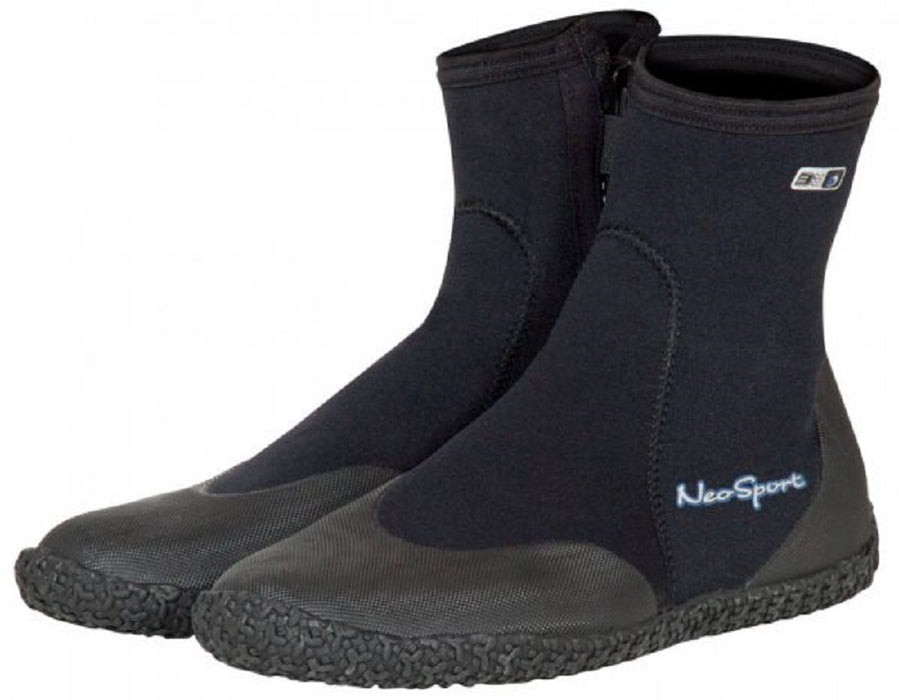
You can purchase the NeoSport Premium 5mm Zipper Boots from:
5. Dive Gloves: Hand Protection and Warmth
Dive gloves are essential for protecting your hands from cuts, scrapes, and stings from marine life. They also provide warmth in cooler waters.
When choosing dive gloves, consider the following:
- Neoprene thickness: Thicker neoprene provides more warmth but can reduce dexterity. Consider the water temperatures you'll be diving in.
- Reinforced palms: Provide better grip and durability.
- Adjustable wrist closures: Help to seal out water and provide a secure fit.
Warning: Avoid touching marine life, even with gloves. Many corals and other organisms are delicate and can be damaged by human contact.
Our affordable recommendation is the Seavenger Sea Snapper Gloves. These gloves are made from durable material and feature reinforced palms for a good grip. They also have adjustable wrist closures for a secure and comfortable fit.

You can find the Seavenger Sea Snapper Gloves at:
Beyond the Basics: What Comes Next?
Once you have your essential gear, you'll eventually need to consider other important items such as a BCD (Buoyancy Control Device), a regulator, and a dive computer. These are more significant investments, so it's wise to research thoroughly and try out different models before committing to a purchase.
- BCD: Controls buoyancy underwater.
- Regulator: Delivers air from your tank.
- Dive Computer: Tracks depth, time, and other vital dive information.
Important: Proper training and certification are essential before diving with any scuba equipment. Never dive without proper instruction and supervision.
It's also a good idea to rent higher-end equipment initially to determine your preferences before purchasing. This allows you to experiment with different brands and styles without a large upfront investment.
Consult with experienced dive professionals at your local dive shop for personalized recommendations and advice. They can help you choose the right gear based on your diving style, experience level, and budget.
Conclusion: Dive in with Confidence!
We've covered 5 affordable essential dive gear items that will allow you to start your scuba diving journey without breaking the bank:
- Cressi Palau Mask
- Mares Ergo Dry Snorkel
- Cressi Palau Long Fins
- NeoSport Premium 5mm Zipper Boots
- Seavenger Sea Snapper Gloves
Starting with quality basics is a smart way to enter the sport. As you gain experience, you can upgrade your gear as needed.
Don't let the cost of equipment hold you back from pursuing your diving dreams. With careful planning and smart choices, you can dive safely and enjoyably without emptying your wallet.
Now it's your turn! Share your own affordable gear recommendations and tips for saving money on scuba equipment in the comments below.