Decoding Dive Mask Features: A Beginner's Guide to Finding the Perfect Fit

Introduction: Why Your Dive Mask Matters
A well-fitting dive mask is arguably the most crucial piece of equipment for a comfortable, safe, and enjoyable underwater experience. It provides clear vision, protects your eyes and nose, and allows you to equalize pressure. Without a properly fitted mask, you risk a host of problems that can quickly ruin a dive.
What happens with a mask that doesn't fit? Leaks are a common issue, leading to constant water intrusion that obstructs your view and forces you to frequently clear the mask. Fogging is another frequent annoyance, especially in warmer waters, further impairing visibility. Beyond these nuisances, a poorly fitted mask can cause discomfort and even pain, leading to headaches and a distracted dive.
This guide is designed to help beginner divers navigate the world of dive mask features and confidently choose the right mask for their face shape and diving style. We'll break down the key components, explain essential features, and provide a step-by-step guide to finding the perfect fit.
Understanding the Key Components of a Dive Mask
A dive mask might seem simple, but it's a carefully engineered piece of equipment. Understanding its components is the first step to selecting the right one.
Lens
The lens is your window to the underwater world. Dive mask lenses are made from either tempered glass or plastic. Tempered glass is the industry standard for safety. If shattered, it breaks into small, dull pieces, significantly reducing the risk of serious injury. Plastic lenses, while lighter and less prone to fogging, are more susceptible to scratching and can shatter into sharp fragments. Always look for the "tempered glass" marking on the lens before purchasing a mask.
Skirt
The skirt is the soft, flexible material that creates the watertight seal against your face. It's typically made of either silicone or rubber. Silicone is the preferred material due to its superior softness, flexibility, and durability. It also resists degradation from sunlight and saltwater better than rubber. Rubber skirts, while generally less expensive, can be less comfortable and may degrade over time. The shape of the skirt is also crucial; different shapes fit different face contours better.

Frame
The frame provides structural support, holding the lens and skirt together. It also allows for the attachment of the buckles and strap. Frames are typically made of plastic, but some high-end masks feature metal frames for increased durability. The frame design influences the mask's overall profile and field of vision.
Buckles and Strap
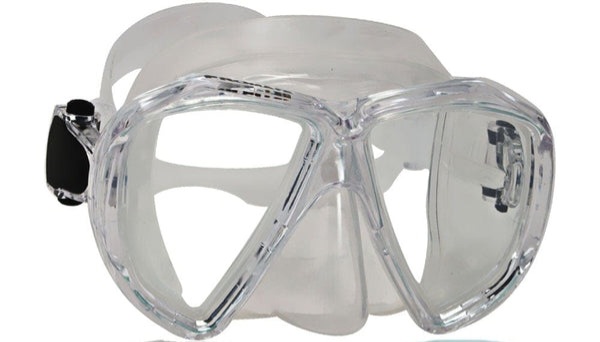
The buckles and strap are essential for securing the mask to your face and achieving a proper fit. Look for buckles that are easy to adjust, even with gloves on. Swivel buckles allow the strap to rotate, conforming to the shape of your head and preventing pressure points. Push-button buckles offer quick and easy strap adjustments. The strap itself should be wide and comfortable, distributing pressure evenly.
Essential Dive Mask Features Explained
Beyond the basic components, several features can significantly impact your diving experience.
Low Volume vs. High Volume
Volume refers to the amount of air space inside the mask. Low-volume masks sit closer to the face, requiring less air to equalize pressure. They offer a wider field of vision and are preferred for freediving and spearfishing. High-volume masks have a larger air space, providing a more open feel. They are often preferred for scuba diving, especially for divers who wear corrective lenses.
| Feature | Low Volume | High Volume |
|---|---|---|
| Air Space | Smaller | Larger |
| Equalization | Easier | More air required |
| Field of Vision | Generally wider | Can be slightly narrower |
| Best for | Freediving, spearfishing | Scuba diving |

Single Lens vs. Multi-Lens
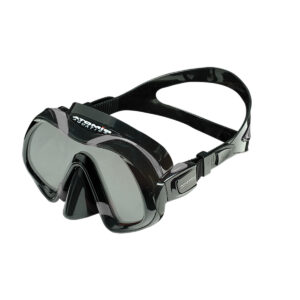
Single-lens masks offer an unobstructed view across the entire field of vision. They are popular for their simplicity and wide peripheral vision. Multi-lens masks (typically two or more lenses) allow for the easy installation of corrective lenses. They can also offer a more customized fit for some face shapes.
| Feature | Single Lens | Multi-Lens |
|---|---|---|
| Field of Vision | Unobstructed, wide | Can be slightly segmented |
| Corrective Lenses | Not easily added | Easy to add |
| Simplicity | Simpler design | More complex design |
Purge Valve
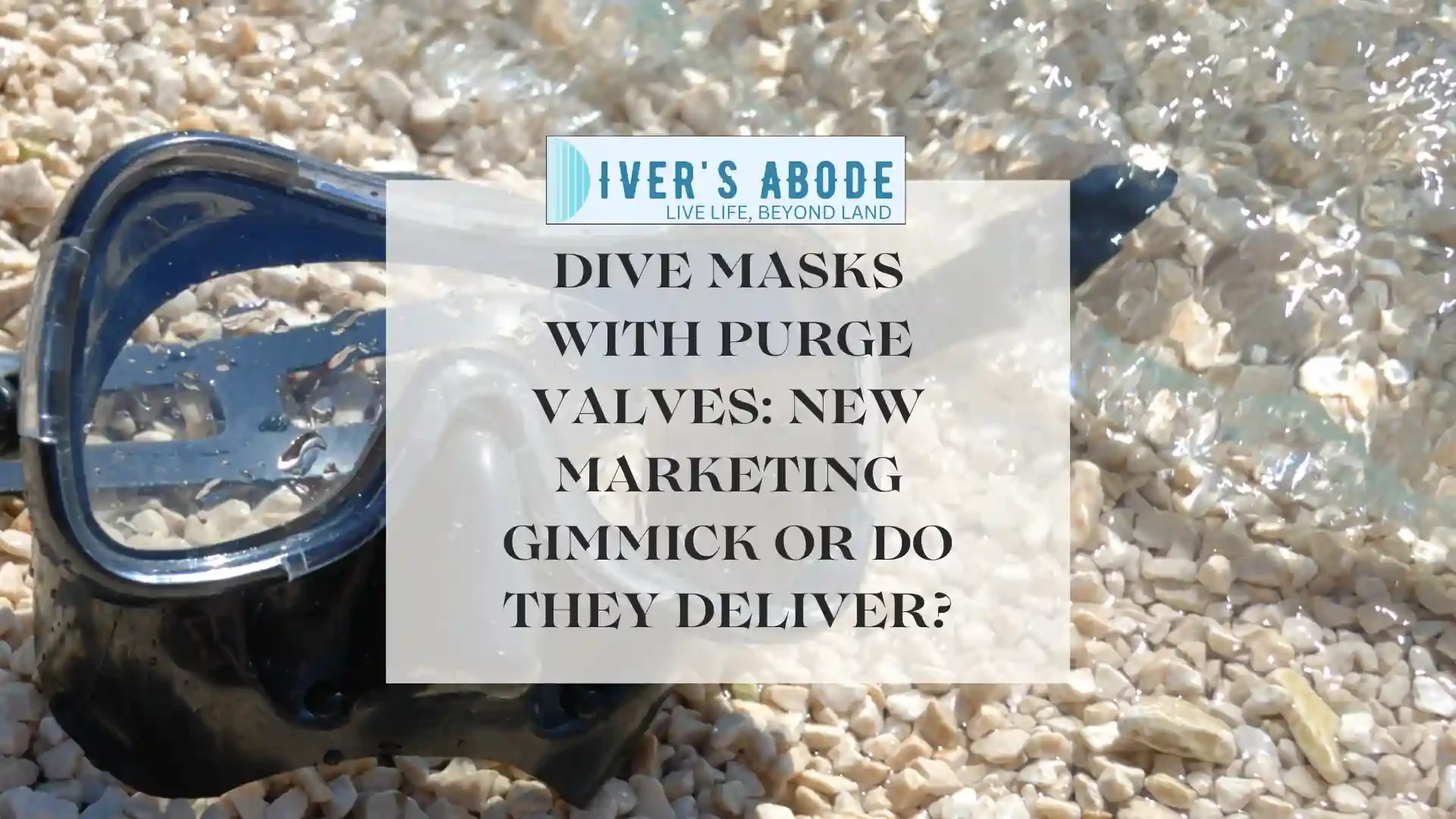
A purge valve is a one-way valve located at the bottom of the mask that allows you to easily clear water by exhaling through your nose. While some divers find purge valves helpful, they are not essential for beginners. Learning to clear a mask without a purge valve is a fundamental diving skill. A purge valve can also be a point of failure, potentially leaking if not properly maintained.
Color
The color of the mask skirt and frame is largely a matter of personal preference. However, lens tint can impact underwater visibility.
- Clear lenses: Offer the most natural color perception and are ideal for low-light conditions.
- Amber/Yellow lenses: Enhance contrast and improve visibility in murky water.
- Grey lenses: Reduce glare and are suitable for bright, sunny conditions.
- Blue lenses: Filter out yellow light and can enhance color perception in blue waters.

Finding the Perfect Fit: A Step-by-Step Guide
Finding the right fit is paramount. Here's a step-by-step guide to help you find your perfect mask.
The 'Sniff Test'
The 'sniff test' is a simple yet effective way to assess the initial seal of a mask.
- Place the mask on your face without using the strap.
- Gently inhale through your nose.
- The mask should create a suction seal against your face, staying in place without being held.
- If the mask falls off or leaks air, it's not a good fit.
The suction is created when the air is drawn out from inside the mask, creating a lower pressure than the surrounding water pressure, thus holding the mask in place. Check all around the skirt for gaps.

Strap Adjustment
Once you've found a mask that passes the sniff test, it's time to adjust the strap.
- Place the mask on your face.
- Position the strap comfortably around the back of your head.
- Tighten the strap until the mask feels secure but not too tight.
- The strap should sit slightly above your ears.
- Avoid overtightening the strap, as this can cause discomfort and even break the seal.

Checking for Leaks
Even with a properly adjusted strap, leaks can still occur.
- Submerge your face in water (a pool or bathtub works well).
- Look for bubbles escaping from around the skirt.
- If you detect leaks, try adjusting the strap or repositioning the mask.
- If the leaks persist, the mask may not be the right shape for your face.
Trying Different Masks
The best way to find the perfect fit is to try on multiple masks. Visit a local dive shop and ask for assistance from experienced staff. Don't be afraid to try on different styles and sizes until you find one that feels comfortable and secure. Remember, a good fit is essential for a safe and enjoyable diving experience.
Dive Mask Maintenance: Keeping Your Mask in Top Condition
Proper maintenance will extend the life of your dive mask and ensure optimal performance.
Pre-Dive Preparation
Fogging is a common problem that can significantly impair visibility. Before each dive, clean the lens to prevent fogging.
- Commercial defogging solutions: Apply a small amount to the inside of the lens, rub it in, and rinse thoroughly.
- Natural alternatives: Saliva is a surprisingly effective defogger. Apply a thin layer to the lens, rub it in, and rinse thoroughly. Baby shampoo diluted with water is another popular option.
Post-Dive Care
After each dive, rinse your mask thoroughly with fresh water to remove salt, sand, and other debris. Pay particular attention to the skirt and buckles.
Replacing the Strap
Mask straps can degrade over time, especially with exposure to sunlight and saltwater. If your strap becomes cracked, brittle, or loses its elasticity, it's time to replace it. Replacement straps are readily available at dive shops.

Proper Storage
Store your mask in a cool, dry place away from direct sunlight. Avoid storing it in a hot car or direct sunlight, as this can damage the skirt and frame. A mask case can help protect it from scratches and other damage.
Top Dive Mask Recommendations for Beginners (with Images)
These are general recommendations, and individual fit is paramount. Always try on masks before purchasing.
Entry-Level Mask 1: Cressi Palau
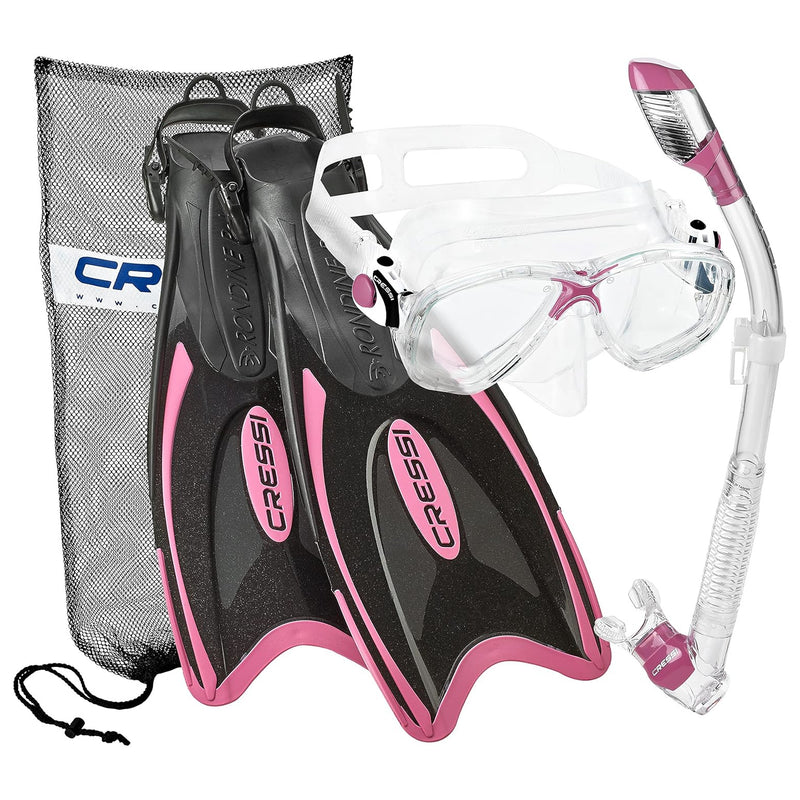
The Cressi Palau is a popular choice for beginners due to its comfortable fit and wide field of vision. It features a soft silicone skirt and easy-to-adjust buckles.
- Pros: Comfortable, wide field of vision, durable.
- Cons: Can be slightly bulky for smaller faces.
- Target User: Beginner divers looking for a reliable and comfortable mask.
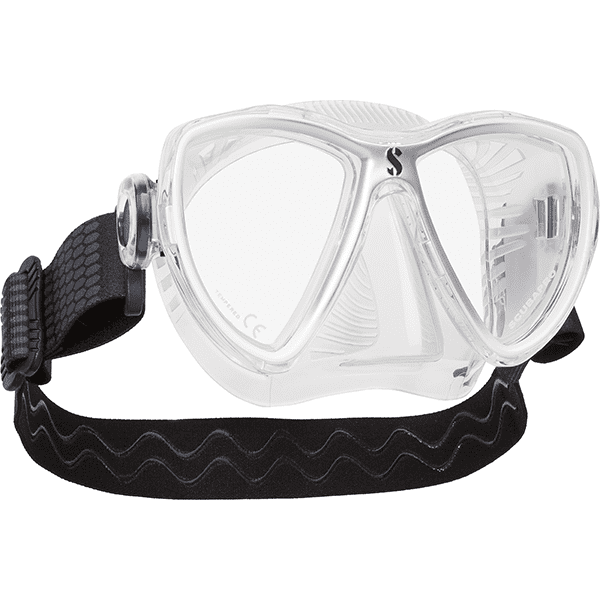
Entry-Level Mask 2: Scubapro Synergy Mini
The Scubapro Synergy Mini is designed specifically for smaller faces. It features a dual-seal skirt for a superior fit and minimal leakage.
- Pros: Excellent fit for smaller faces, minimal leakage, comfortable.
- Cons: May be too small for larger faces.
- Target User: Divers with smaller faces who struggle to find a well-fitting mask.
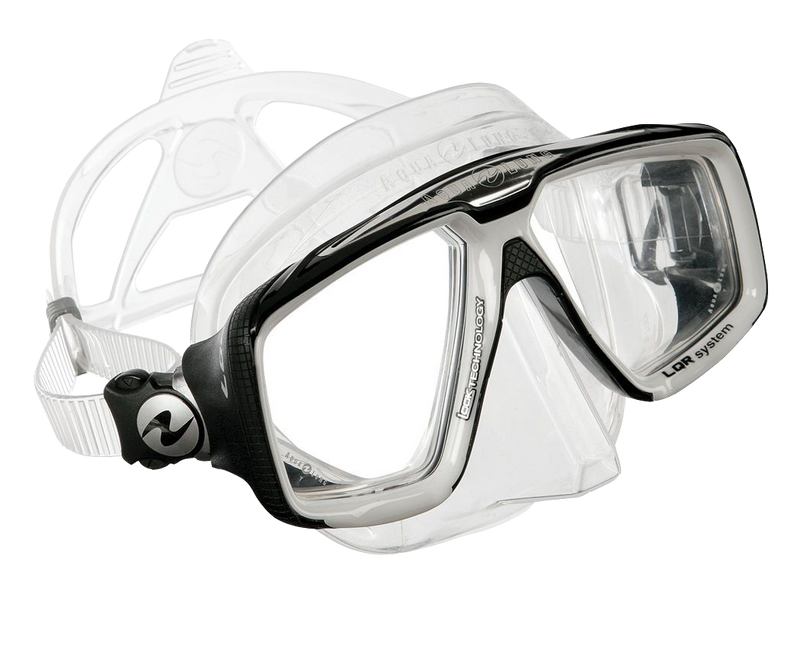
Entry-Level Mask 3: Aqua Lung Look HD
The Aqua Lung Look HD is a versatile mask with a wide range of features. It features a durable frame, easy-to-adjust buckles, and the option to add corrective lenses.
- Pros: Versatile, durable, option for corrective lenses.
- Cons: Can be slightly more expensive than other entry-level masks.
- Target User: Divers who may need corrective lenses or are looking for a more durable mask.
Disclaimer: These recommendations are based on general suitability for beginners. Individual fit is paramount. Always try on multiple masks to find the best fit for your face shape.
Conclusion: Investing in Your Underwater Experience
Choosing the right dive mask is an investment in your underwater experience. A well-fitting mask will provide comfort, safety, and clear vision, allowing you to fully enjoy the wonders of the underwater world. Prioritize fit and comfort over price. A slightly more expensive mask that fits perfectly is a far better investment than a cheaper mask that leaks or causes discomfort. Remember to properly maintain your mask to ensure its longevity and optimal performance. Happy diving!