Clear vs. Black Silicone Scuba Masks: A Beginner’s Guide to Choosing Your View

Introduction: Why the Mask Skirt Matters
When you first step into a dive shop, your eyes are naturally drawn to the glass lenses of the masks on display. However, the most critical component for your comfort and visual experience isn't the glass—it’s the mask skirt. The skirt is the flexible flange, typically made of silicone, that creates a watertight seal against your face. While its primary functions are to ensure a dry dive and provide a comfortable fit, the color of that silicone plays a massive role in how you perceive the underwater world.
For a beginner, the "view" isn't just about what is directly in front of you. It is a psychological experience. Underwater, your senses are dampened, and your field of vision is naturally restricted by the mask frame. Choosing between a clear or black silicone skirt can mean the difference between feeling like you are part of the ocean or feeling like you are looking through a narrow tube. This choice often sparks a passionate debate among divers, but for a "Pro Dive Vibes" beginner, the decision should be based on your specific comfort levels and where you plan to spend your time underwater.
Clear Silicone Masks: Maximizing Light and Openness
Clear silicone masks are the traditional choice for entry-level divers, and for good reason. The translucent nature of the material allows ambient light to penetrate the skirt from the sides, top, and bottom. This creates a much brighter internal environment, which can significantly improve a new diver's mood and comfort level.
The Benefit of Peripheral Awareness
While you cannot see clearly through the silicone skirt (the image will be blurred), clear silicone allows you to detect movement and light changes in your periphery. This is vital for situational awareness. As a beginner, being able to sense the shadow of your dive buddy next to you or the flash of a school of fish moving past your shoulder helps you feel more connected to your surroundings.
Reducing the 'Claustrophobic' Feeling
Many new divers struggle with a sense of confinement when they first submerge. The sensation of breathing through a regulator combined with a restricted field of view can trigger anxiety.
Expert Tip: If you have ever felt "boxed in" while wearing goggles or a helmet, a clear silicone mask is your best ally. It creates an illusion of space that can prevent the onset of claustrophobia during those first few critical breaths at depth.
The Drawbacks of Clear Silicone
Despite the benefits of light and openness, clear silicone is not without its technical flaws. As you progress in your diving career, you might start to notice the subtle ways clear material can interfere with your vision.
- Light Refraction and Internal Reflections: Because light enters from all angles, it can bounce off the inside of the glass lens. This often results in distracting "ghost images" or glare that can make it harder to focus on small macro life or your dive computer.
- Visual Clutter: In very shallow, sun-drenched water, the amount of light entering the skirt can be overwhelming, leading to a "washed out" visual experience.
- The 'Yellowing' Factor: This is the most common complaint regarding clear silicone. Over time, exposure to
UV radiation, body oils, and even the minerals in the water will cause the silicone to turn a dingy yellow or brown.
Clear masks stay crystal clear forever — in reality, even the highest quality surgical-grade silicone will eventually discolor, making the mask look older and less maintained than it actually is.
Black Silicone Masks: Focus and Professionalism
Black silicone masks are often seen as the "pro" choice, favored by technical divers, underwater photographers, and spearfishers. By using an opaque material, these masks eliminate the entry of side light entirely.
The 'Tunnel Vision' Effect
While "tunnel vision" sounds negative, in the context of diving, it creates a high-contrast, focused environment. By blocking out peripheral light, your pupils can dilate more consistently, allowing you to see the colors and details directly in front of you with much greater clarity. This is the same reason why high-end cameras have rubber eyecups; you want to see the subject, not the sun hitting your eye from the side.
Why Photographers Prefer Black
If you plan on taking a camera underwater, black silicone is almost mandatory.
- It eliminates lens flare inside the mask.
- It prevents reflections of your own face from appearing on the inside of the glass.
- It allows you to see the LCD screen on the back of your camera without competing with ambient sunlight.
Durability and Aesthetics
Black silicone is much more resilient to the elements. It does not show yellowing, it hides salt deposits better, and it generally maintains a "like-new" aesthetic for years.
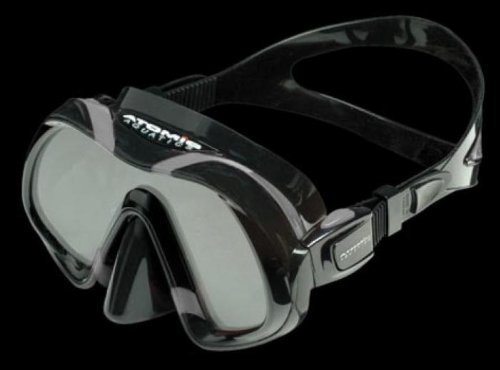
Technical Comparison: Light Transmission and Eye Fatigue
The difference between these two styles isn't just about "feel"—there is physics involved. When light enters a clear skirt, it creates a high-glare environment. Your eyes have to work harder to filter out the "noise" coming from the periphery to focus on the "signal" coming through the lens.
| Feature | Clear Silicone | Black Silicone |
|---|---|---|
| Light Entry | Maximum (Ambient) | Minimum (Direct) |
| Glare Level | High | Low to None |
| Peripheral Awareness | High (Shadows/Light) | Low (None) |
| Internal Reflection | Possible | Eliminated |
| Maintenance | High (Yellows) | Low (Stays Black) |
| Eye Fatigue | Higher in bright light | Lower in bright light |
Consistent light levels inside the mask reduce eye strain. When you move from a bright reef into a shaded overhang, a black mask keeps the light levels stable, whereas a clear mask might cause your pupils to rapidly adjust to the shifting light leaking through the skirt.
Choosing Based on Your Diving Environment
Your choice should be influenced by where you intend to dive most often. Different environments interact with silicone types in unique ways.
Tropical Diving
In the tropics, the sun is intense and the sand is often white and reflective. A clear silicone mask can become uncomfortably bright in these conditions. Black silicone acts like a pair of sunglasses for your face, cutting down the harsh glare and allowing you to see the vibrant colors of the coral without squinting.
Temperate and Low-Visibility Diving
In darker, green-water environments (like the UK, Pacific Northwest, or lakes), light is at a premium. Here, a clear silicone mask is a major advantage. It helps you make the most of the limited lux available, making the dive feel less "gloomy."
Night Diving
During a night dive, your primary light source is your torch.
- Clear Silicone: Can be distracting as your own torch light (or your buddy's) hits the skirt and causes the entire mask to glow.
- Black Silicone: Keeps the world dark except for exactly where you point your beam, which is often preferred for spotting nocturnal life.
Practical Tips for the First-Time Buyer
Before you click "buy" on that stylish black mask, remember the golden rule of scuba gear: Fit is everything. A mask that doesn't leak is a hundred times better than a mask that looks cool but fills with water every five minutes.
The 'Fit First' Rule
- Tilt your head back and place the mask on your face (without the strap).
- Inhale slightly through your nose.
- The mask should suction to your face and stay there even when you look forward. If it falls off, the seal is broken—likely by your hairline or face shape.
Testing for Claustrophobia
If you are unsure which to choose, try this dry-land test:
- Put on a clear mask and walk around the shop. Note how much of the room you can "sense."
- Put on a black mask. If you immediately feel the urge to pull it off, stick with clear for your first 20-30 dives.
- Check for "Opaque" colors. Some brands offer blue, white, or yellow silicone. These offer a middle ground: they