Beyond the Mask: See Clearly Underwater - Choosing the Right Dive Lens
Beyond the Mask: See Clearly Underwater - Choosing the Right Dive Lens
More Than Meets the Eye (Piece of Glass)
When we think about scuba diving gear, our minds often jump to regulators, BCDs, and maybe even those sleek dive computers. But there's one piece of equipment that's often underestimated, yet utterly crucial for both safety and enjoyment: your dive mask. A good mask isn't just about keeping water out; it's about providing a crystal-clear window to the underwater world. And that window is your lens.
Different dive conditions demand different lens types. A murky wreck dive calls for something different than a sun-drenched reef exploration. Choosing the right lens can dramatically enhance your underwater experience, revealing details you might otherwise miss and keeping you safe by maximizing visibility.
I remember one dive in particular, off the coast of California. The water was surprisingly green and murky that day. I was struggling to see more than a few feet ahead, the kelp forest looking like a blurry, indistinct mass. My buddy, however, was having a blast. Later, back on the boat, he told me he’d switched to a yellow-tinted lens that morning, knowing the conditions. He’d been able to see the vibrant orange Garibaldi fish darting through the kelp, details I completely missed. That's when I truly understood the power of a well-chosen dive mask lens.
In this blog post, we'll dive deep (pun intended!) into the world of dive mask lenses. We’ll explore the science behind underwater vision, the different types of lenses available, and how to choose the perfect lens for your next dive adventure. Get ready to see the underwater world in a whole new light!
Understanding the Underwater Light Spectrum
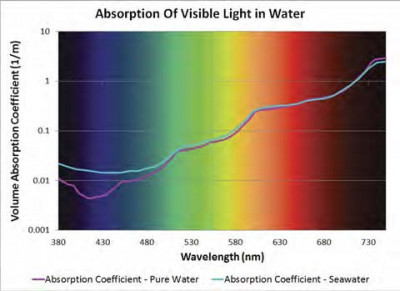
One of the biggest challenges to underwater vision is the way water affects light. Water absorbs light, and it does so unevenly. Specifically, it absorbs longer wavelengths of light – reds, oranges, and yellows – much faster than shorter wavelengths like blues and greens.
This selective absorption is why everything underwater tends to look bluish or greenish, especially at depth. The red hues that make a coral reef so vibrant on land are muted or completely absent underwater, unless you bring your own light source.
The concept of light transmission is crucial here. Light transmission refers to the percentage of light that passes through a lens. A lens with high light transmission will allow more light to reach your eyes, making it easier to see in low-light conditions. Conversely, a lens with low light transmission will block more light, which can be beneficial in very bright conditions. Different lens tints and coatings affect light transmission, and understanding this is key to choosing the right lens for your needs.
The Foundation: Tempered Glass - Safety First!
Before we delve into the various lens types, let's talk about the foundation: tempered glass. Tempered glass is the only acceptable material for dive mask lenses, and for good reason: safety.
Tempered glass is significantly stronger than regular glass. It undergoes a special heat treatment that makes it much more resistant to shattering. But even more importantly, when tempered glass does break, it shatters into small, relatively harmless pieces instead of sharp, jagged shards. This dramatically reduces the risk of serious injury to your eyes and face in the event of an impact.
Never, ever use a dive mask with anything other than tempered glass lenses. Always check the mask's specifications to confirm that the lenses are indeed tempered. This is non-negotiable when it comes to your safety.

Clear Lenses: The All-Arounder
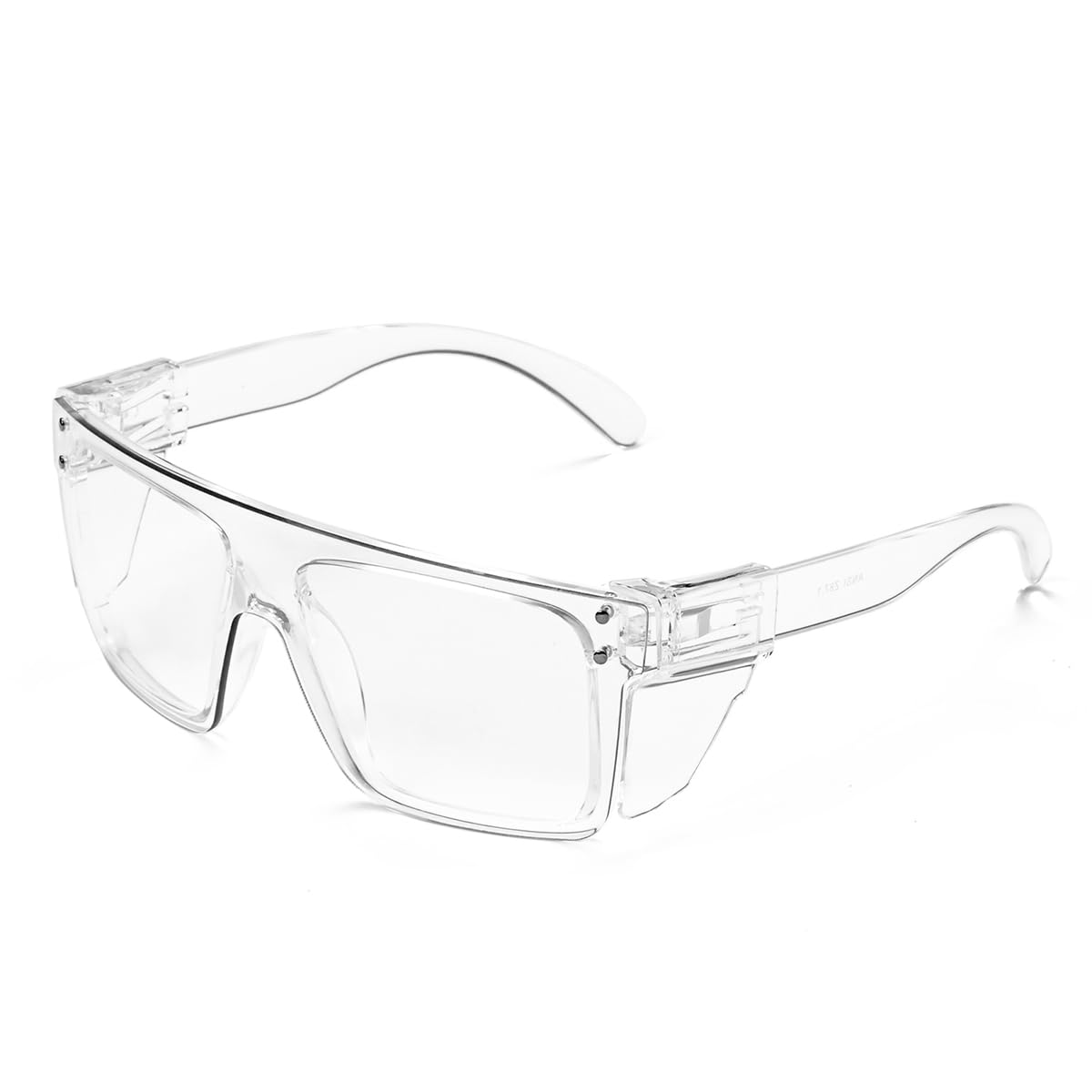
Clear lenses are the standard and most versatile option for dive masks. They offer the most natural color perception and allow the maximum amount of light to pass through, making them ideal for a wide range of diving conditions.
Ideal conditions:
- Good visibility
- Shallow dives
- Bright, sunny days
Advantages:
- Natural color perception: Clear lenses don't distort colors, allowing you to see the underwater world as it truly is (or as close as possible, given the water's natural light absorption).
- High light transmission: They let in the most light, making them suitable for dives where light levels are good.
Disadvantages:
- Glare: In very bright conditions, clear lenses can cause glare, which can be uncomfortable and reduce visibility.
- Less contrast in low light: They don't enhance contrast, so they may not be the best choice for murky water or deep dives where light is limited.
Tinted Lenses: Enhancing Contrast and Reducing Glare
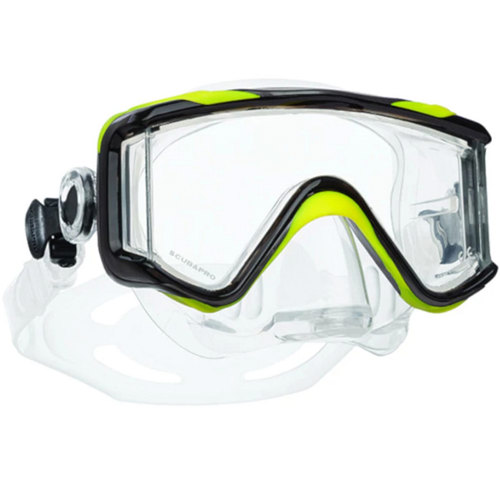
Tinted lenses are designed to improve contrast and reduce glare by filtering out specific wavelengths of light. Different tints offer different benefits, so it's important to choose the right one for the specific diving conditions you expect to encounter.
Here's a breakdown of some common tint colors:
- Yellow/Amber: These lenses are best for low light, murky water, and increasing contrast. They enhance reds and oranges, making them particularly useful for wreck diving in silty conditions where those colors might otherwise be lost.

- Grey: Grey lenses reduce overall brightness without significantly altering color perception. They're a good choice for bright, sunny days when you want to cut down on glare without sacrificing color accuracy.
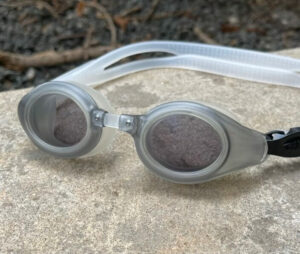
- Blue/Purple: These lenses filter out yellow light, which can increase contrast and color saturation in blue waters. They're often used for open ocean diving where the water is clear and blue.
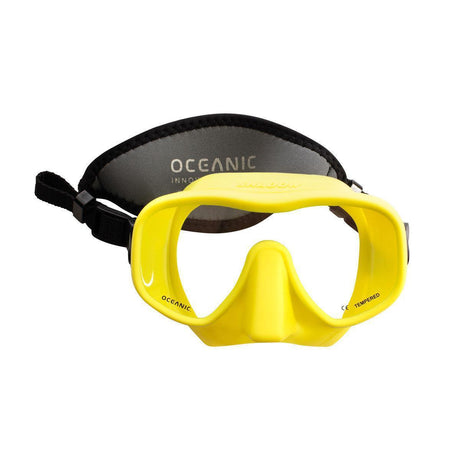
Important Note: Avoid overly dark tints, as they can significantly reduce visibility in already low-light conditions. It's always better to err on the side of too much light than not enough.
Mirrored Lenses: The Stylish Glare Reducer
Mirrored lenses work by reflecting light away from your eyes, providing significant glare reduction. They're particularly popular among freedivers and spearfishers who spend a lot of time on the surface in bright sunlight.
Ideal conditions:
- Very bright, sunny days
- Surface activities
Advantages:
- Significant glare reduction: Mirrored lenses are highly effective at blocking out bright sunlight, making them more comfortable for diving in sunny conditions.
- Stylish appearance: Let's be honest, mirrored lenses look cool!
Disadvantages:
- Can scratch easily: The mirrored coating is delicate and can be scratched easily, so it's important to handle them with care.
- May affect color perception: The mirrored coating can slightly alter color perception.
- Not ideal for low light: They block a significant amount of light, making them unsuitable for low-light conditions.

Corrective Lenses: Seeing Clearly with Imperfect Vision
If you wear glasses or contacts on land, you'll likely need corrective lenses in your dive mask to see clearly underwater. Fortunately, there are several options available:
- Pre-made diopters: These are readily available, inexpensive lenses that come in standard prescriptions. They're a good option if your prescription is relatively simple and you don't want to spend a lot of money.
- Custom-ground lenses: These are lenses that are specifically made to match your exact prescription. They offer the best possible vision correction but are more expensive than pre-made diopters.
It's crucial to consult with an eye doctor to determine the correct prescription for your dive mask lenses. Underwater vision can be slightly different than vision on land, so it's important to get an accurate assessment.

Anti-Reflective (AR) Coatings: Minimizing Internal Reflections
Anti-Reflective (AR) coatings are thin layers of material applied to the surface of a lens to reduce reflections. These coatings work by causing reflected light waves to interfere with each other, effectively canceling them out.
Benefits of AR Coatings:
- Reduced internal reflections: AR coatings minimize internal reflections, which can be distracting and reduce clarity, especially in low-light conditions.
- Improved clarity: By reducing reflections, AR coatings allow more light to pass through the lens, resulting in a clearer, brighter image.
- Enhanced underwater photos/videos: AR coatings can significantly improve the quality of underwater photos and videos by reducing glare and reflections.

Photochromic Lenses: Adapting to Changing Light
Photochromic lenses, also known as transition lenses, automatically adjust their tint based on the amount of ultraviolet (UV) light they're exposed to. In bright sunlight, they darken to reduce glare, and in low light, they lighten to maximize light transmission.
Ideal conditions:
- Variable light conditions
- Dives that transition from bright to dark areas (e.g., entering caves or wrecks)
Advantages:
- Versatility: Photochromic lenses are a good choice for divers who encounter a variety of light conditions on a single dive.
- Convenience: You don't have to switch lenses as the light changes.
Disadvantages:
- Can be slower to react: Photochromic lenses can take a few minutes to fully adjust to changing light levels.
- May not get dark enough: In extremely bright conditions, they may not get dark enough to provide adequate glare reduction.
Choosing the Right Lens: A Quick Guide
Here's a quick reference guide to help you choose the right lens for your diving needs:
- Clear: Good all-around, bright conditions.
- Yellow/Amber: Low light, murky water.
- Grey: Bright, sunny conditions.
- Blue/Purple: Open ocean.
- Mirrored: Very bright, sunny conditions (surface focus).
- Photochromic: Variable light conditions.
Ultimately, the best lens for you will depend on your personal preferences and the types of diving you do most often.
Maintenance and Care: Keeping Your Lenses Clear
Proper maintenance and care are essential for keeping your dive mask lenses clear and extending their lifespan.
- Cleaning: Rinse your mask with fresh water after every dive. Use mild soap and water or a specialized dive mask cleaner to remove salt, sunscreen, and other debris.
- Avoid abrasive cleaners: Never use abrasive cleaners or cloths, as they can scratch the lenses.
- Preventing fogging: Apply an anti-fog solution to the inside of your lenses before each dive. Alternatively, you can use the old-fashioned method of rubbing saliva on the lenses and rinsing them thoroughly.

Conclusion: See the Underwater World in a New Light
Choosing the right dive mask lens is a critical step in ensuring optimal underwater vision and maximizing your enjoyment of the diving experience. By understanding the different types of lenses available and their specific benefits, you can select the perfect lens for your diving needs.
Don't be afraid to experiment with different lens types to find what works best for you. Talk to other divers, ask for recommendations at your local dive shop, and try out different lenses in different conditions.
Visit Pro Dive Vibes for more diving tips, gear reviews, and inspiration for your next underwater adventure!
What's your favorite dive mask lens and why? Share your thoughts in the comments below!