5 Essential Gear Upgrades for Beginner Scuba Divers: Comfort & Safety
Introduction: Leveling Up Your Dive Experience
Welcome to Pro Dive Vibes, your go-to resource for all things scuba diving! Our mission is to empower divers of all levels with the knowledge and inspiration they need to explore the underwater world safely and confidently.
Investing in quality gear is crucial for beginner divers. While basic equipment gets you started, upgrading certain items can significantly enhance your comfort, safety, and overall enjoyment. This post focuses on gear upgrades, assuming you already have the essential scuba diving equipment like a BCD, regulator, and dive computer.
These upgrades are designed to address common issues and limitations faced by beginner divers, leading to a more comfortable, safer, and more enjoyable experience.
Here are the 5 essential gear upgrades we'll be covering:
- Upgraded Dive Mask
- High-Performance Fins
- Dive Computer
- Wetsuit Upgrade
- Weight System Upgrade
1. Upgraded Dive Mask: A Clear View is a Safe Dive
A clear view underwater is paramount for safety and enjoyment. A well-fitting, high-quality mask is an investment in your diving experience.
Common mask problems include:
- Leaks: Constant water intrusion disrupts your dive and can be distracting.
- Fogging: Obstructed vision due to fog can be dangerous, especially in low-visibility conditions.
- Poor Visibility: Masks with a narrow field of view limit your ability to observe your surroundings.
An upgraded mask offers several benefits:
- Better Seal: Higher-quality silicone skirts create a more reliable seal, preventing leaks.
- Wider Field of View: Improved lens designs provide a broader view of the underwater world.
- Anti-Fog Coating: Some masks feature built-in anti-fog coatings, minimizing fogging issues.
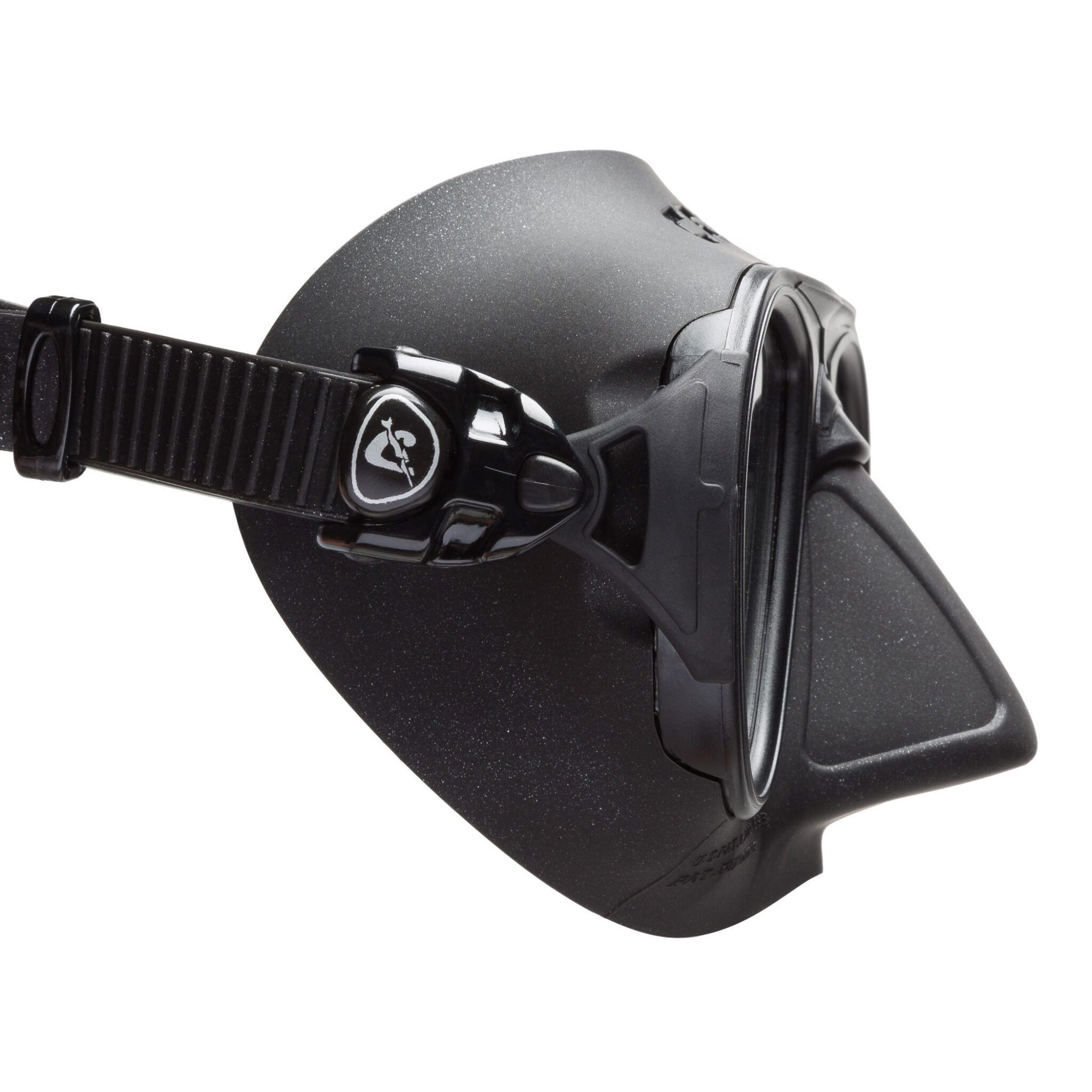
Product Example: Cressi Calibro Mask
The Cressi Calibro mask is a popular choice for divers seeking an upgrade due to its innovative features:
- Skirt Design: Uses Cressi's patented IDF Integrated Dual Frame Technology which offers an exceptional field of view.
- Anti-Fog System: Equipped with an internal membrane that redirects exhaled air, preventing fogging.
- Lens Quality: High-quality tempered glass lens for clear and distortion-free vision.
Tip: Always clean a new mask thoroughly with a mild abrasive (like toothpaste) to remove manufacturing residue that can cause fogging.
When choosing the right mask, consider these factors:
- Proper Fit: The mask should seal comfortably against your face without any gaps. Perform the "suction test" by pressing the mask against your face (without the strap) and inhaling slightly. It should stay in place.
- Lens Type: Clear lenses are suitable for most conditions, while tinted lenses can reduce glare in bright sunlight.
- Skirt Material: Silicone skirts are generally more comfortable and durable than rubber skirts.
2. High-Performance Fins: Efficiency and Propulsion
Fins are essential for propulsion and maneuverability underwater. They allow you to move efficiently and conserve energy.
Basic, entry-level fins often have limitations:
- Limited Power: They may not provide enough power for strong currents or long distances.
- Increased Leg Fatigue: Inefficient designs can lead to leg cramps and fatigue.
- Poor Control: They may lack the responsiveness needed for precise maneuvering.
Upgraded fins offer several advantages:
- Increased Power: More efficient designs translate to greater propulsion with less effort.
- Reduced Leg Fatigue: Improved blade angles and materials minimize strain on your legs.
- Better Control: Enhanced responsiveness allows for precise maneuvering and stability.
Product Example: Scubapro Seawing Nova Fins
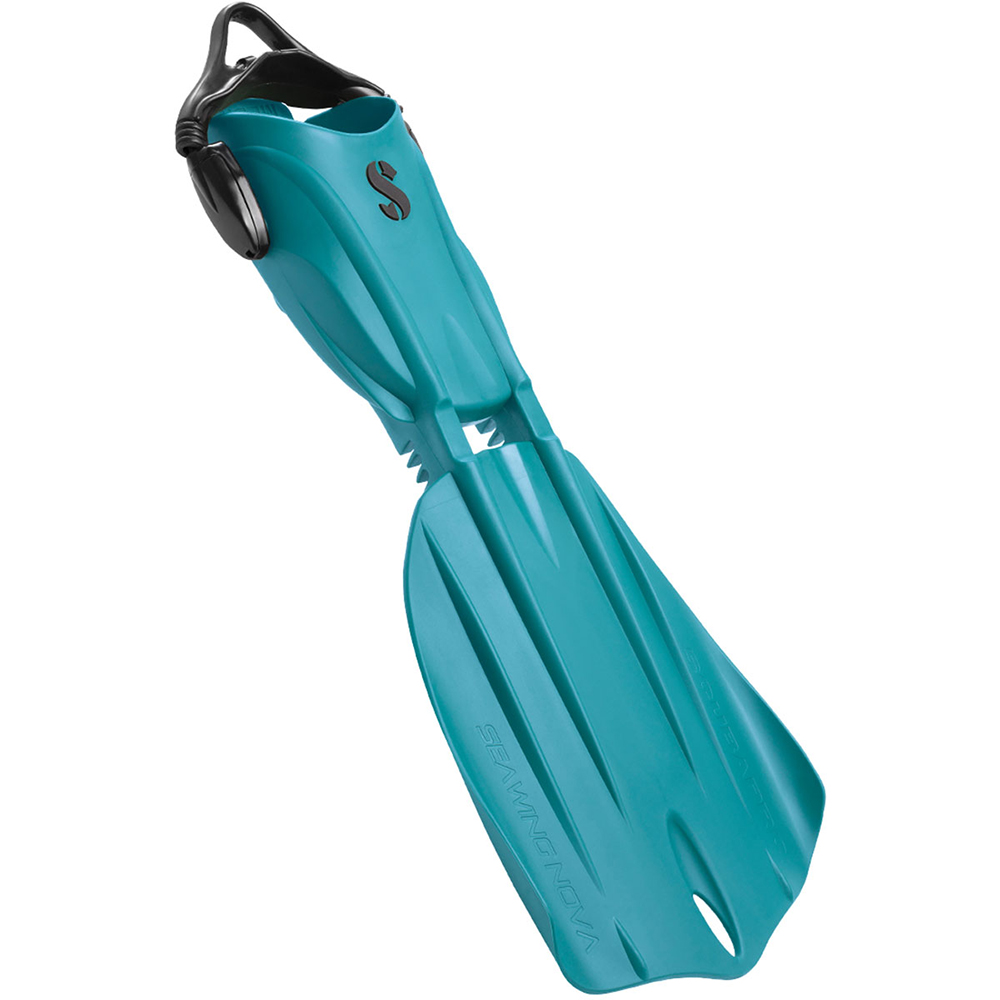
The Scubapro Seawing Nova fins are a popular choice for their innovative design and performance:
- Hinge Technology: Articulating joint that allows the entire blade to pivot and generate thrust.
- Blade Design: Hydrodynamic blade shape optimizes water flow for maximum efficiency.
- Comfortable Foot Pocket: Ergonomic foot pocket design ensures a comfortable and secure fit.
There are different types of fins:
- Split Fins: Claimed to reduce drag and fatigue, but can be less powerful in strong currents.
- Paddle Fins: More traditional design, offering good power and control.
Warning: Be aware that split fins are not universally liked. Some divers find them less effective than paddle fins, especially in certain conditions.
| Feature | Split Fins | Paddle Fins |
|---|---|---|
| Propulsion | Efficient, less power | Powerful |
| Fatigue | Reduced | Can be higher |
| Maneuverability | Good | Excellent |
| Current | Less effective | More effective |
When choosing the right fins, consider these factors:
- Fit: The foot pocket should fit snugly but not too tightly.
- Stiffness: Stiffer fins provide more power but require more effort.
- Blade Size: Longer blades generate more thrust but can be more tiring.
3. Dive Computer: Your Underwater Dashboard
A dive computer is an essential tool for tracking depth, time, and nitrogen loading, providing crucial information for safe diving.
Relying solely on dive tables has limitations:
- Less Precise: Dive tables provide estimated values based on square profiles, while a dive computer tracks your actual depth and time.
- Less Flexible: Dive tables don't account for multi-level dives.
- More Work: Manual calculations can be cumbersome and prone to error.
A dive computer offers significant benefits:
- Increased Safety: Real-time monitoring of depth, time, and nitrogen levels reduces the risk of decompression sickness.
- Real-Time Information: Displays critical data such as no-decompression limits, ascent rates, and safety stop requirements.
- Dive Logging: Automatically records dive profiles for later analysis and record-keeping.
Product Example: Shearwater Peregrine Dive Computer
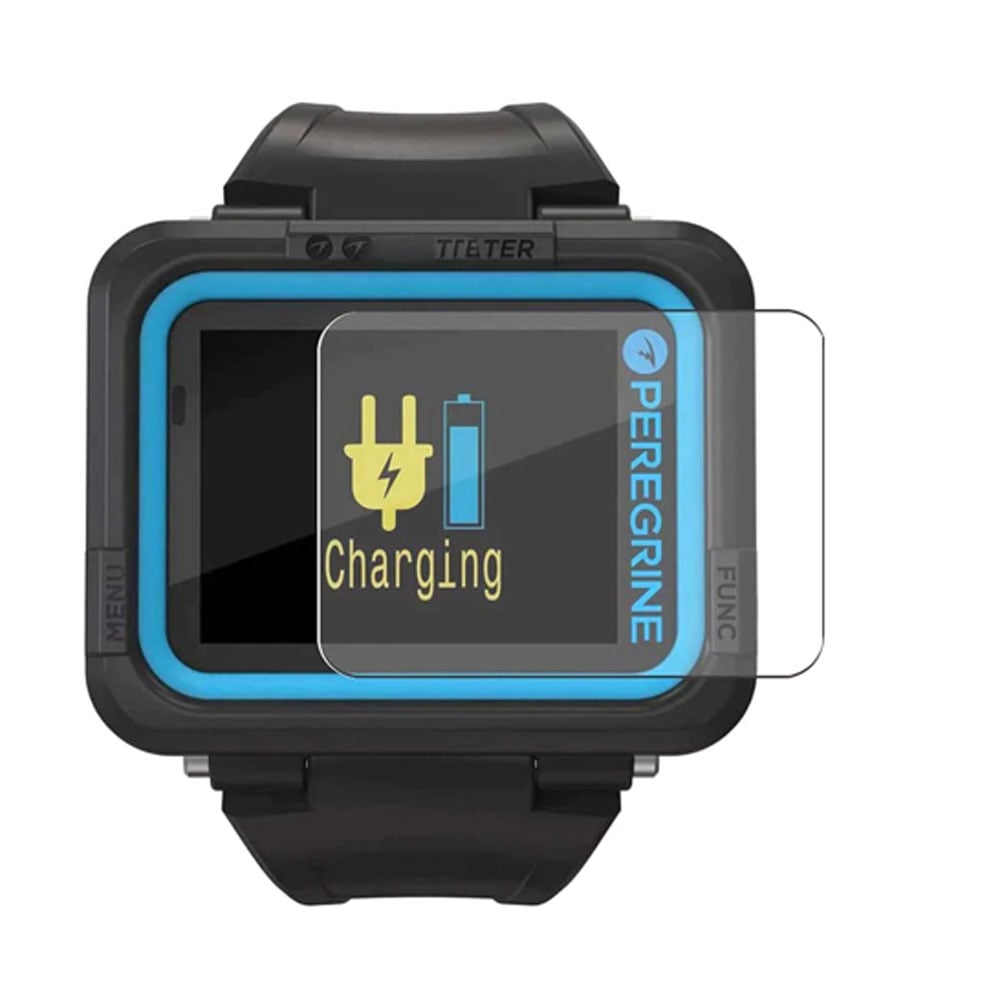
The Shearwater Peregrine is a popular choice for its user-friendly interface and advanced features:
- Easy-to-Read Display: Bright, color display provides excellent visibility in all conditions.
- Multiple Dive Modes: Supports air, nitrox, and gauge modes.
- User-Friendly Interface: Intuitive menu system makes it easy to navigate and customize settings.
Basic functions and information displayed on a dive computer include:
- Depth: Current depth in feet or meters.
- Dive Time: Elapsed time since entering the water.
- No-Decompression Limit (NDL): Remaining time at the current depth before requiring a decompression stop.
- Ascent Rate: Speed at which you are ascending.
- Safety Stop: Required depth and duration for a safety stop.
Expert Advice: Always ascend slowly and perform a safety stop at 15 feet (5 meters) for 3 minutes, even if your dive computer doesn't require it.
It's crucial to understand and interpret the data displayed on your dive computer. Take a dive computer course to learn how to use it properly and make informed decisions underwater.
4. Wetsuit Upgrade: Comfort and Thermal Protection
Proper thermal protection is essential for comfortable and safe diving. A wetsuit provides insulation to maintain your body temperature in the water.
Ill-fitting or worn-out wetsuits have limitations:
- Poor Insulation: Gaps and thin spots allow cold water to enter, leading to rapid heat loss.
- Reduced Flexibility: Stiff or restrictive materials can limit your range of motion.
- Discomfort: Chafing, rubbing, and pressure points can make diving unpleasant.
An upgraded wetsuit offers several benefits:
- Better Fit: A properly fitted wetsuit minimizes water entry and maximizes insulation.
- Improved Insulation: Higher-quality neoprene and construction techniques provide superior thermal protection.
- Increased Flexibility: More flexible materials allow for greater freedom of movement.
Product Example: Aqua Lung AquaFlex Wetsuit (7mm)
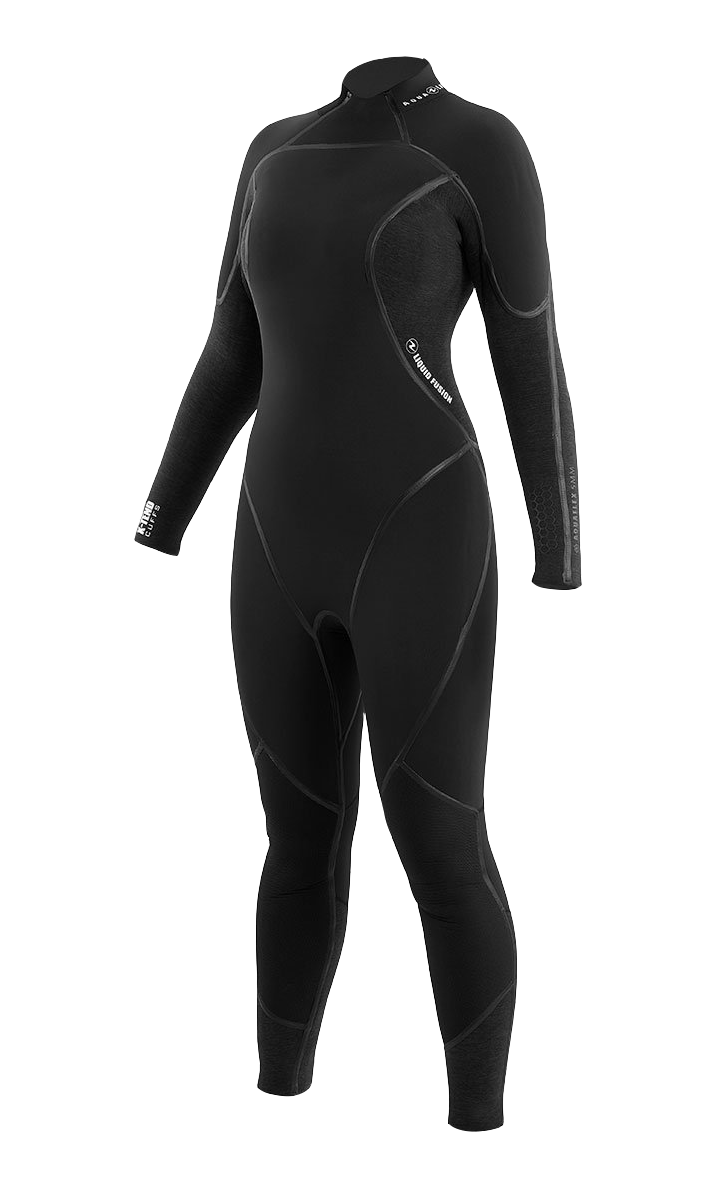
The Aqua Lung AquaFlex wetsuit is a popular choice for its comfort and thermal performance:
- Neoprene Quality: Constructed from high-stretch neoprene for maximum flexibility and comfort.
- Seam Construction: Glued and blind-stitched seams minimize water entry and enhance durability.
- Comfortable Design: Anatomically shaped panels provide a comfortable and streamlined fit.
Different types of wetsuits are available:
- Thickness: Ranging from 3mm to 7mm, depending on water temperature.
- Style: Full suits, shorties, and hooded vests offer varying degrees of coverage.
| Wetsuit Thickness | Water Temperature (°F) | Water Temperature (°C) |
|---|---|---|
| 3mm | 75-85 | 24-29 |
| 5mm | 65-75 | 18-24 |
| 7mm | 55-65 | 13-18 |
When choosing the right wetsuit, consider these factors:
- Fit: The wetsuit should fit snugly but not too tightly, allowing for a full range of motion.
- Thickness: Choose a thickness appropriate for the water temperatures you'll be diving in.
- Features: Look for features like zippers, seals, and reinforced knees for added comfort and durability.
5. Weight System Upgrade: Integrated and Comfortable
Proper weighting is essential for buoyancy control, allowing you to maintain neutral buoyancy and conserve energy.
Traditional weight belts have limitations:
- Discomfort: Can be uncomfortable, especially during long dives.
- Shifting: Weights can shift around, affecting your balance and trim.
- Difficult Ditching: Can be difficult to ditch in an emergency.
An integrated weight system offers several benefits:
- Improved Comfort: Distributes weight more evenly, reducing pressure points.
- Better Weight Distribution: Keeps weight stable and prevents shifting.
- Easier Ditching: Allows for quick and easy weight release in an emergency.
Product Example: Zeagle Ranger BCD with Ripcord Weight System

The Zeagle Ranger BCD is a popular choice for its integrated weight system and durability:
- Weight Capacity: Holds a significant amount of weight, depending on the size.
- Placement: Weight pockets are strategically placed for optimal weight distribution.
- Ease of Release: Ripcord system allows for quick and easy weight release with a single pull.
Alternatives to integrated weight systems include:
- Weight Harnesses: Distribute weight across your shoulders and back.
- Ankle Weights: Help to correct trim and keep your feet from floating up.
Tip: Always perform a proper weight check before each dive to ensure you are correctly weighted.
To perform a weight check:
- Enter water with all your gear.
- Deflate your BCD completely.
- Hold a normal breath. You should float at eye level.
- Exhale fully. You should sink slowly.
Conclusion: Investing in Your Diving Future
Investing in these 5 essential gear upgrades can significantly enhance your comfort, safety, and enjoyment as a beginner scuba diver: a high-quality mask, efficient fins, a dive computer, a properly fitted wetsuit, and an integrated weight system.
Remember, comfort and safety are paramount for a positive diving experience. By upgrading your gear, you're investing in your diving future and opening up a world of underwater adventures.
Visit Pro Dive Vibes for more diving tips and gear reviews! We also offer gear-focused courses and consultations to help you choose the right equipment for your needs.
What are your favorite gear upgrades? Share them in the comments below!