5 Best Dive Masks for Beginners (and How to Choose the Right One)

Introduction: Why Your Dive Mask Matters
A good dive mask is arguably the most essential piece of equipment for any scuba diver. It's your window to the underwater world, providing comfort, safety, and clear visibility. Without a well-fitting mask, you'll be constantly battling leaks, struggling with fogging, and ultimately, missing out on the incredible sights that scuba diving offers.
Many beginners encounter common issues with their masks. These include:
- Leaks: Water seeping into the mask, obstructing vision.
- Fogging: Condensation forming on the lens, blurring the view.
- Poor Fit: Discomfort and pressure on the face, leading to headaches.
This article aims to guide you through the process of choosing the right dive mask, ensuring a comfortable and enjoyable underwater experience. We'll review five excellent masks suitable for beginners, highlighting their key features and benefits.
Here are the 5 featured masks:
- Cressi Palau Mask
- Seavenger Adult Diving Mask
- Aqua Lung Favola Mask
- Scubapro Spectra Mask
- TUSA Freedom Ceos Mask
Key Features to Consider When Choosing a Dive Mask
Selecting the right dive mask involves considering several crucial factors. Let's break down each element to help you make an informed decision.
Fit
The fit of your dive mask is paramount. A proper seal is essential to prevent water from entering the mask and obstructing your vision.
- How to test the fit: Place the mask on your face without the strap. Inhale gently through your nose. The mask should stay in place, creating a seal. If it falls off, it's not the right fit.
- Different face shapes: Masks come in various shapes and sizes to accommodate different facial structures. Some masks are better suited for wider faces, while others are designed for narrower faces. Try on several models to find the one that conforms best to your unique features.
Skirt Material
The mask skirt, the part that seals against your face, is typically made of either silicone or rubber.
- Silicone:
- Pros: More comfortable, durable, and hypoallergenic than rubber. Less likely to cause skin irritation.
- Cons: Generally more expensive than rubber.
- Rubber:
- Pros: More affordable than silicone.
- Cons: Can be less comfortable, less durable, and may cause skin irritation in some individuals.
Expert Tip: Choose a mask with a double-skirt seal for enhanced leak protection. This design features two layers of silicone for a more secure fit.
Lens Type
Dive masks come in single-lens or multi-lens designs.
- Single-lens: Offers a wider, unobstructed field of vision.
- Multi-lens: May provide a slightly narrower field of view but can allow for prescription lenses.
Regardless of the lens type, ensure that the lens is made of tempered glass. Tempered glass is much stronger and shatter-resistant than regular glass, providing crucial safety in the event of impact.
Volume
Mask volume refers to the amount of air space inside the mask.
- Low-volume masks: Sit closer to the face, requiring less air to equalize pressure and clear water.
- Benefits for beginners: Easier to clear if flooded, less buoyancy effect.
- High-volume masks: Offer a wider field of vision but require more air to equalize and clear.
Beginner Tip: Start with a low-volume mask. It will simplify the clearing process and improve your overall comfort.
Strap and Buckles
The mask strap and buckles are essential for securing the mask to your face.
- Ease of adjustment: Look for buckles that are easy to adjust, even while wearing gloves.
- Durability: Choose a strap made of a durable material that won't easily break or stretch.
- Types of buckles: Swivel buckles allow for greater flexibility and comfort.
Color
The color of your mask skirt can affect visibility.
- Clear skirts: Allow more ambient light to enter the mask, providing a brighter view.
- Dark skirts (black, blue): Reduce glare and improve contrast, enhancing visibility in bright conditions.
The 5 Best Dive Masks for Beginners: Reviews & Recommendations
Here are five excellent dive masks suitable for beginners, along with their key features, pros, cons, and recommended uses.
Mask 1: Cressi Palau Mask
- Key features: Easy-adjust buckles, soft silicone skirt, wide field of view.
- Pros: Comfortable fit, good value, durable.
- Cons: May not fit all face shapes perfectly.
- Best for: General recreational diving.
| Feature | Description |
|---|---|
| Skirt Material | Silicone |
| Lens Type | Single Lens |
| Volume | Medium |
| Buckle Adjustment | Easy-adjust |
Mask 2: Seavenger Adult Diving Mask

- Key features: Panoramic view, low volume, soft silicone skirt.
- Pros: Wide field of vision, easy to clear, comfortable.
- Cons: Can be slightly bulky.
- Best for: Divers who want a wide field of view.
| Feature | Description |
|---|---|
| Skirt Material | Silicone |
| Lens Type | Single Lens |
| Volume | Low |
| Field of View | Panoramic |
Mask 3: Aqua Lung Favola Mask
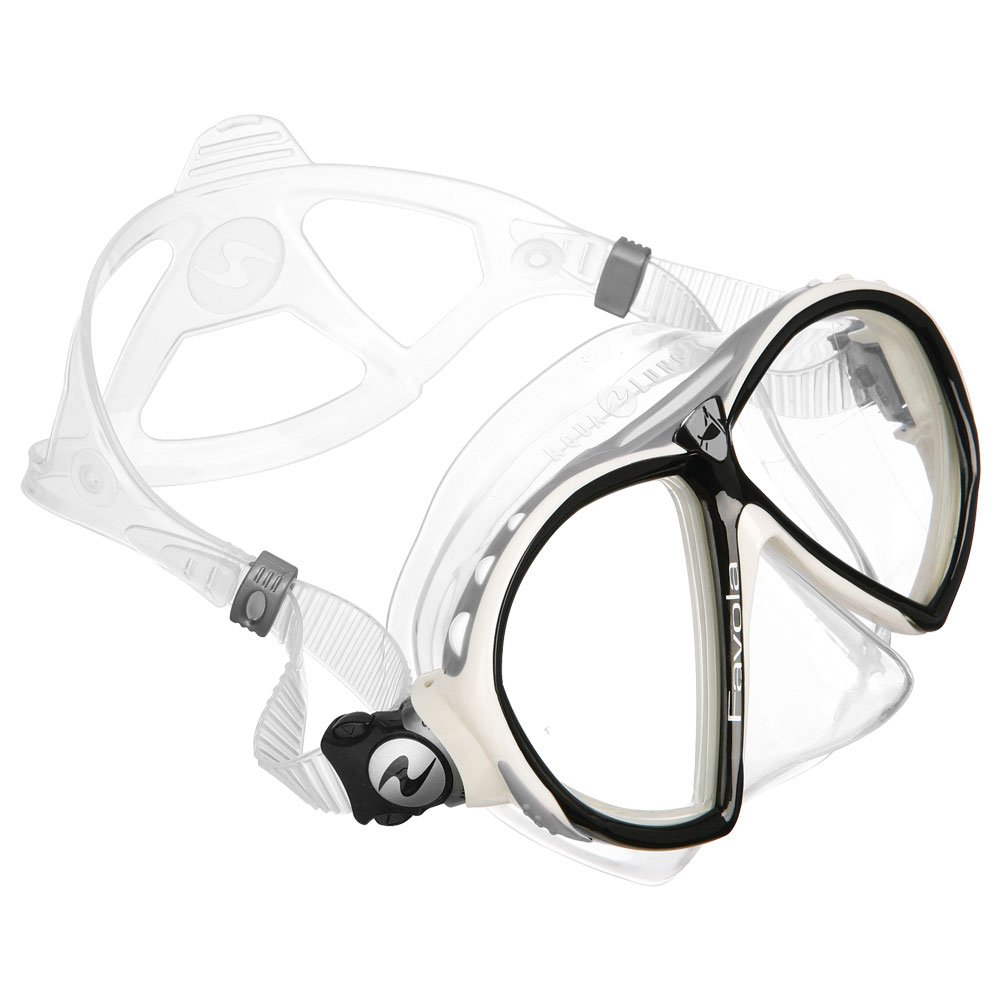
- Key features: Advanced fit technology, lightweight, soft silicone skirt.
- Pros: Excellent fit, comfortable for extended use, good visibility.
- Cons: Can be pricier than other options.
- Best for: Divers prioritizing comfort and fit.
| Feature | Description |
|---|---|
| Skirt Material | Silicone |
| Lens Type | Single Lens |
| Volume | Low |
| Fit | Advanced Fit Technology |
Mask 4: Scubapro Spectra Mask
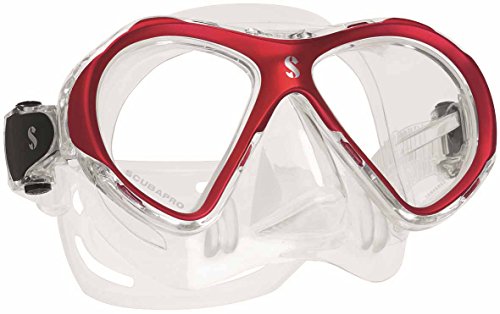
- Key features: Interchangeable lens system, stylish design, soft silicone skirt.
- Pros: Durable, customizable, comfortable.
- Cons: Lens changes can be tricky, slightly higher price point.
- Best for: Divers who want a mask that can adapt to different conditions.
| Feature | Description |
|---|---|
| Skirt Material | Silicone |
| Lens Type | Dual Lens, Interchangeable |
| Volume | Medium |
| Customization | Interchangeable lenses for different conditions |
Mask 5: TUSA Freedom Ceos Mask
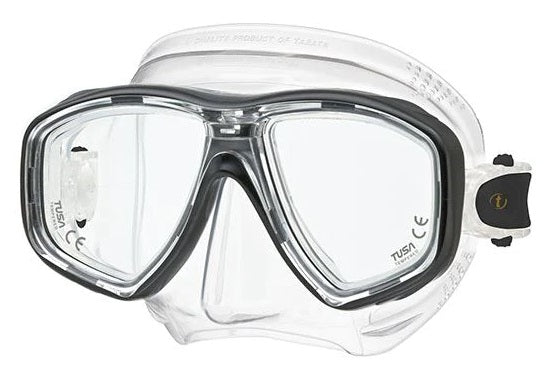
- Key features: Freedom Technology fit, enhanced field of view, soft silicone skirt.
- Pros: Comfortable, great seal, wide field of view.
- Cons: Can be a little large for smaller faces.
- Best for: Divers looking for superior comfort and fit.
| Feature | Description |
|---|---|
| Skirt Material | Silicone |
| Lens Type | Single Lens |
| Volume | Medium |
| Fit | Freedom Technology |
| Field of View | Enhanced |
Tips for Preventing Mask Leaks and Fogging
Even the best mask can leak or fog if not properly prepared and used. Here are some essential tips:
Mask Preparation
New masks often have a thin film of manufacturing residue on the lens, which can cause fogging.
- Burning the lens (cautiously): Use a lighter to gently burn the inside of the lens. This removes the residue, but be extremely careful not to overheat the glass or damage the skirt. (Do this at your own risk!)
- Using toothpaste or mask cleaner: Apply a non-gel toothpaste or commercial mask cleaner to the inside of the lens. Rub gently and thoroughly, then rinse with warm water. Repeat several times.
Defogging Techniques
- Using commercial defoggers: Apply a small amount of commercial defogger to the inside of the lens before each dive.
- Saliva as a natural defogger: Spit into the mask, rub the saliva around the lens, and rinse thoroughly with water.
- Proper application and rinsing: Whether using commercial defogger or saliva, ensure you rinse the lens thoroughly after application to avoid eye irritation.
Proper Mask Placement
- Avoiding hair: Ensure no hair is caught under the mask skirt, as this will break the seal and cause leaks.
- Adjusting the strap: Adjust the strap so that it's snug but not overly tight. The mask should be held securely in place without causing excessive pressure on your face.
Clearing Water from Your Mask
- Press the top of the mask against your forehead.
- Tilt your head back slightly.
- Exhale through your nose. The pressure from your exhaled air will force the water out of the mask.
- If necessary, repeat the process until the mask is clear.
Caring for Your Dive Mask
Proper care will extend the life of your dive mask and ensure optimal performance.
- Rinsing: Rinse your mask with fresh water after each dive to remove salt, sand, and other debris.
- Storage: Store your mask in a cool, dry place away from direct sunlight. UV rays can damage the silicone skirt and lens.
- Inspection: Regularly inspect your mask for damage, such as cracks, tears, or loose buckles.
- Lens Protection: Use a mask case or protector to prevent scratches on the lens.
Conclusion: Choosing the Right Mask for Your Needs
Choosing the right dive mask is a crucial step towards enjoying your scuba diving adventures. A well-fitting and functional mask will provide comfort, safety, and clear visibility, allowing you to fully appreciate the beauty of the underwater world.
Before making a purchase, take the time to try on different masks and assess their fit. Consider the key features discussed in this article, such as skirt material, lens type, volume, and strap adjustability.
Visit a local dive shop or browse online retailers to find the perfect mask for your needs. Happy diving!