Subtropical Wonders: My Review of Diving Jacques Cousteau’s Favorite Poor Knights Islands
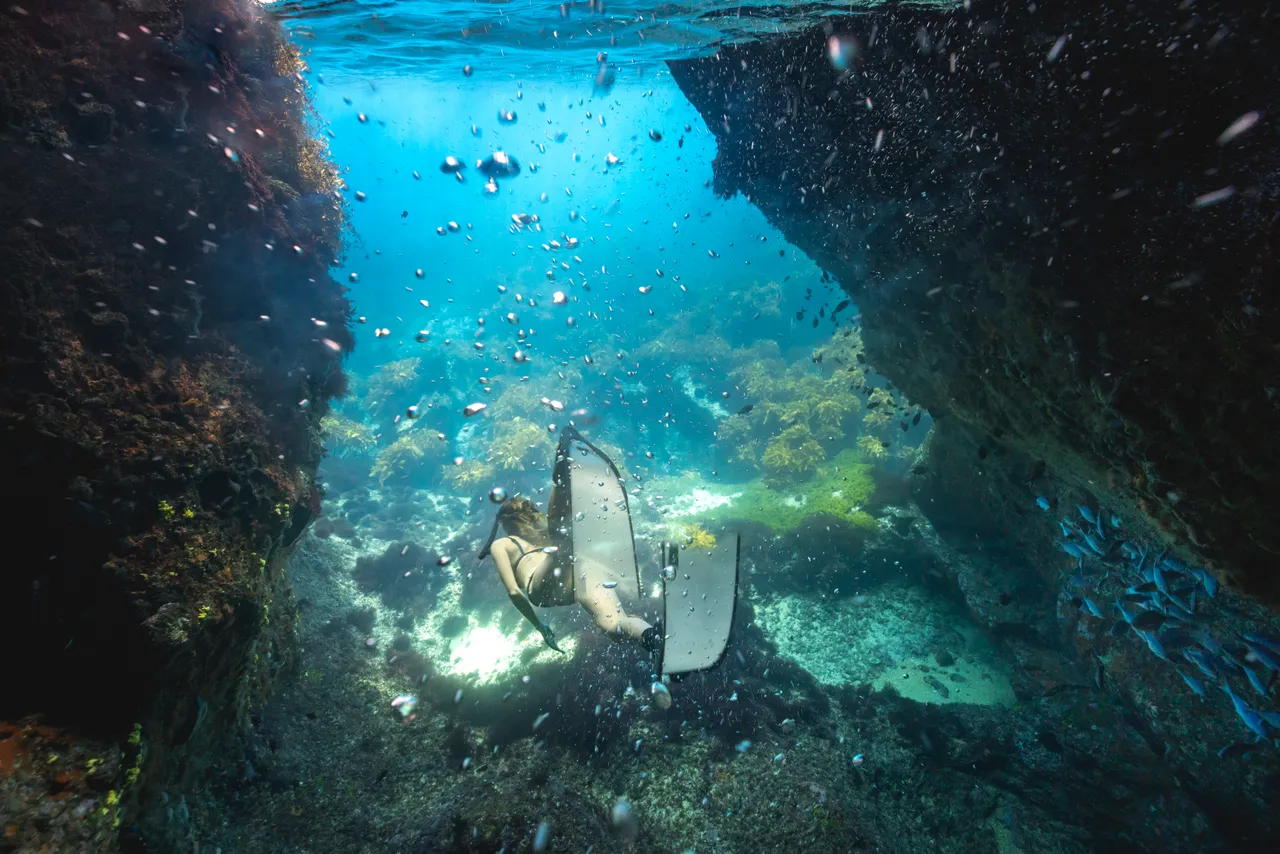
When legendary oceanographer Jacques Cousteau declared the Poor Knights Islands to be one of his top ten dive sites in the world, he wasn't just handing out casual praise. The French pioneer of modern diving had explored the most remote, biodiverse corners of our blue planet, yet this small group of volcanic islands off the coast of Tutukaka, New Zealand, captured his imagination. Today, the Poor Knights Islands Marine Reserve stands as an ecological triumph—a fully protected, no-take marine sanctuary where temperate and subtropical worlds collide in spectacular fashion.
Welcome to Pro Dive Vibes, your go-to scuba diving and underwater adventure website. In this comprehensive guide, I am sharing my personal, in-depth look at Subtropical Wonders: My Review of Diving Jacques Cousteau’s Favorite Poor Knights Islands. Whether you are an experienced cold-water explorer or a tropical reef enthusiast looking to expand your horizons, this unique marine reserve deserves a prominent spot on your underwater bucket list.
The Subtropical Magic: Where Warm Currents Meet Temperate Waters
What makes the Poor Knights Islands so incredibly unique? The secret lies in a powerful oceanic highway: the East Auckland Current. This warm, clear current sweeps down from the Coral Sea, bypassing the colder coastal waters of New Zealand's mainland and wrapping the Poor Knights in a subtropical embrace.
This current creates a fascinating ecological crossover. Here, tropical and subtropical fish species—which have drifted south as larvae—coexist side-by-side with dense, towering temperate kelp forests. It is an underwater landscape quite unlike any other on Earth.
As you descend, you will glide through magnificent canopies of Ecklonia radiata (common kelp) that sway gently in the surge, filtering the sunlight like stained-glass windows in a cathedral. This environment beautifully mirrors our previous exploration of Kelp Forest Ecology, highlighting how these underwater canopies support a highly diverse array of marine life. Yet, while traditional temperate reefs can sometimes feel quiet, the Poor Knights is alive with an almost overwhelming hum of activity.

Subtropical Wonders: My Review of Diving Jacques Cousteau’s Favorite Poor Knights Islands
To truly appreciate why this destination is so highly revered among global dive-spots, you have to explore its dramatic volcanic topography. Formed by ancient volcanic activity, the islands are riddled with sheer drop-offs, underwater arches, deep fissures, and some of the largest sea caves on the planet.
Here is my breakdown of the absolute best dive sites that you cannot afford to miss:
Riko Riko Cave
As the world’s largest sea cave, Riko Riko is a site of mythic proportions. Above water, the cave’s opening is massive enough to accommodate large charter boats. Below the surface, the cave drops to a sandy bottom at around 26 meters (85 feet). Because the cave blocks out direct sunlight, the walls are covered in colorful, shade-loving organisms: vibrant sponges, soft corals, ascidians, and anemones.
Diving inside Riko Riko is an eerie, atmospheric experience. The acoustics are legendary; if you remove your regulator for a brief second to hum, the sound resonates deeply through the dark water. Keep your dive light handy to spot hidden carpet sharks (wobbegongs) resting on the rocky ledges.
Blue Maomao Arch
If there is one image that defines diving at the Poor Knights, it is the mesmerizing sight of thousands of blue maomao schooling inside a natural volcanic archway. Blue Maomao Arch is a shallow, beginner-friendly site with a maximum depth of about 15 meters (50 feet).
The arch acts as a natural funnel for nutrients, drawing in massive schools of fish. When the sun is high, light beams pierce through the cracks in the ceiling, illuminating the brilliant, iridescent blue of the maomao as they move in perfect unison. It is a sensory overload that will leave even the most seasoned divers completely spellbound.
Northern Arch
For those who love dramatic drop-offs and big topography, Northern Arch is the crown jewel. This massive underwater structure plunges down to depths exceeding 40 meters (130 feet). The sheer vertical walls are encrusted with a dense carpet of jewel anemones