Loading...
marine-life#shark sanctuaries#shark conservation#marine conservation
Shark Sanctuaries: Dive Into Protected Waters & the Urgent Need for Conservation
Pro Dive Vibes
February 21, 202611 min read

Introduction: Sharks - More Than Just Jaws
Picture this: I'm suspended in the turquoise waters of the Bahamas, surrounded by vibrant coral. Suddenly, a sleek, silver form emerges from the blue – a Caribbean reef shark, gliding effortlessly past. Its eyes, far from being menacing, are curious and intelligent. Encounters like these are a powerful reminder that sharks are not the monsters Hollywood has portrayed them to be.
For too long, sharks have been victims of misinformation and fear. The image of the "mindless killer," perpetuated by movies like Jaws, couldn't be further from the truth. In reality, sharks are complex, fascinating creatures that play a vital role in maintaining the health of our oceans. As apex predators, they regulate populations of other marine species, preventing any one species from dominating and ensuring a balanced ecosystem. Without sharks, our oceans would suffer, leading to cascading effects that could impact the entire planet.
That's where shark sanctuaries come in. These protected areas offer a lifeline for sharks, providing safe havens where they can thrive. This blog post will dive into the world of shark sanctuaries, exploring why they are essential, highlighting some of the most remarkable sanctuaries around the globe, and outlining how you, as a diver, can contribute to shark conservation efforts. Get ready to explore the vital need for protecting these magnificent creatures!
Why Sharks Need Sanctuaries: Understanding the Threats
Sharks face a multitude of threats, many of which are directly caused by human activities. Understanding these threats is the first step towards effective conservation.
- Overfishing: Sharks are often targeted for their meat, cartilage, and liver oil. Many species are also caught as bycatch in fisheries targeting other species, such as tuna and swordfish. This indiscriminate fishing has decimated shark populations worldwide.
- Habitat Destruction: Coastal development, pollution, and destructive fishing practices like bottom trawling destroy critical shark habitats, including breeding grounds and nursery areas. Climate change is also contributing to habitat loss through coral bleaching and ocean acidification.
- Finning: The cruel practice of shark finning, where sharks are caught, their fins are sliced off, and their bodies are dumped back into the ocean, is a major driver of shark population decline. The fins are used to make shark fin soup, a delicacy in some cultures. The shark, unable to swim, either bleeds to death or drowns.
- Slow Reproduction Rates: Sharks are particularly vulnerable to overfishing because they are slow-growing, late-maturing, and produce relatively few offspring. This means that their populations cannot recover quickly from declines.
The Great Hammerhead (Sphyrna mokarran) is listed as Critically Endangered by the IUCN, primarily due to overfishing and finning.
The Scalloped Hammerhead (Sphyrna lewini) is also facing severe threats and is listed as Endangered.
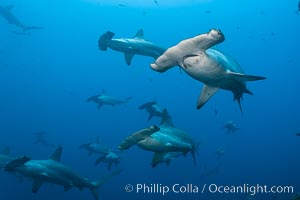
Even the gentle giant, the Whale Shark (Rhincodon typus), is listed as Endangered due to a combination of fishing, bycatch, and vessel strikes.

Globally, shark populations have declined dramatically in recent decades. A 2021 study published in Nature estimated that oceanic shark and ray populations have declined by 71% since 1970. This alarming statistic underscores the urgent need for effective conservation measures, including the establishment and enforcement of shark sanctuaries.
What is a Shark Sanctuary? Defining Protected Waters
A shark sanctuary is a designated area where shark fishing is prohibited or strictly regulated. These sanctuaries provide a safe haven for sharks, allowing them to thrive and reproduce without the threat of being caught.
Key Features
Effective shark sanctuaries share several key characteristics:
- Size: Sanctuaries need to be large enough to encompass critical shark habitats, such as breeding grounds, nursery areas, and feeding grounds.
- Enforcement: Strong enforcement is crucial to ensure that fishing regulations are followed and that illegal activities are prevented.
- Community Involvement: Engaging local communities in the management and conservation of shark sanctuaries is essential for long-term success.
- Scientific Monitoring: Ongoing scientific monitoring is needed to assess the effectiveness of the sanctuary and to adapt management strategies as needed.
Different Types of Protection
Shark sanctuaries can offer different levels of protection, ranging from complete no-take zones to areas with gear restrictions:
- No-take zones: All fishing is prohibited within these areas, providing the highest level of protection for sharks.
- Gear restrictions: Certain types of fishing gear, such as longlines and gillnets, may be prohibited or restricted to minimize bycatch.
- Seasonal closures: Fishing may be prohibited during certain times of the year, such as during shark breeding seasons.
The Role of Governments and NGOs
The establishment and management of shark sanctuaries require collaborative efforts from governments and non-governmental organizations (NGOs). Governments are responsible for enacting legislation and enforcing regulations, while NGOs provide scientific expertise, funding, and public outreach support.
International cooperation is also essential for protecting migratory shark species that travel across national boundaries. Agreements and treaties between countries can help to ensure that these species are protected throughout their range.
Exploring Notable Shark Sanctuaries Around the World
Here are some examples of successful shark sanctuaries around the world:
The Bahamas Shark Sanctuary
The Bahamas declared its waters a shark sanctuary in 2011, banning all commercial shark fishing. This landmark decision has made the Bahamas a haven for sharks, attracting divers and tourists from around the world. Key shark species found here include the Caribbean reef shark (Carcharhinus perezi) and the tiger shark (Galeocerdo cuvier). Diving opportunities abound, offering the chance to witness these magnificent creatures in their natural habitat.

French Polynesia Shark Sanctuary
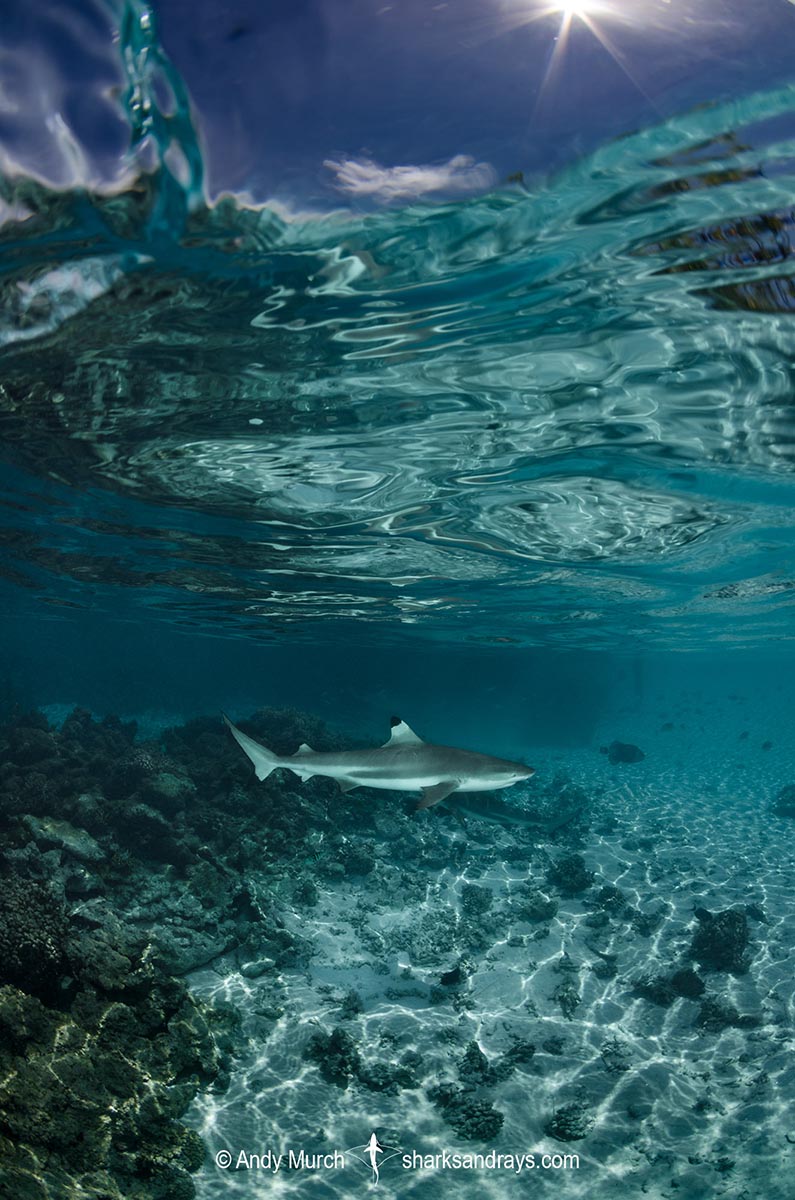
French Polynesia established its shark sanctuary in 2012, encompassing an area of over 4.7 million square kilometers. This vast sanctuary protects a wide variety of shark species, including the blacktip reef shark (Carcharhinus melanopterus), the lemon shark (Negaprion brevirostris), and the great hammerhead (Sphyrna mokarran). Divers can explore the pristine waters of French Polynesia and encounter these amazing animals in their natural environment.
Maldives Shark Sanctuary
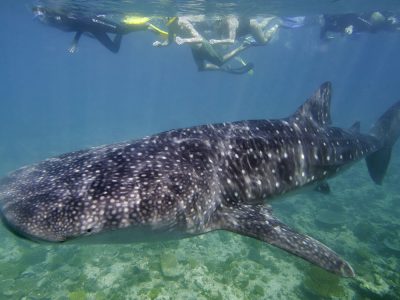
The Maldives declared its waters a shark sanctuary in 2010, banning all shark fishing and the trade of shark products. This decision has helped to protect the Maldives' diverse shark populations, including the whale shark (Rhincodon typus), the hammerhead shark (Sphyrna spp.), and the tiger shark (Galeocerdo cuvier). The Maldives is a popular destination for divers seeking to encounter whale sharks and other shark species.
Palau Shark Sanctuary
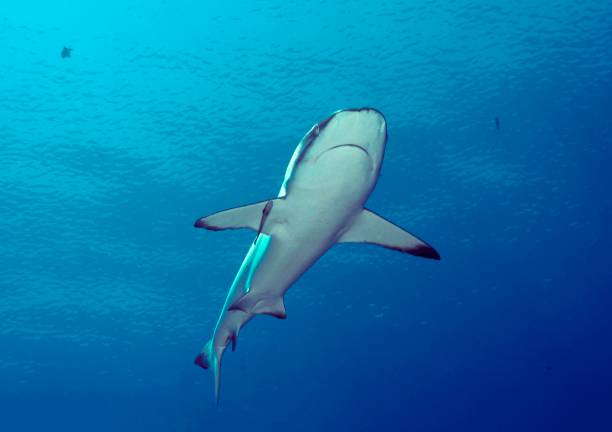
Palau was one of the first countries to establish a shark sanctuary, declaring its waters a protected area in 2009. This pioneering effort has helped to raise awareness about the importance of shark conservation and has inspired other countries to follow suit. Key shark species found in Palau include the grey reef shark (Carcharhinus amblyrhynchos) and the whitetip reef shark (Triaenodon obesus). Diving in Palau offers the chance to see these sharks in a healthy and vibrant ecosystem.
Raja Ampat Shark and Ray Sanctuary, Indonesia
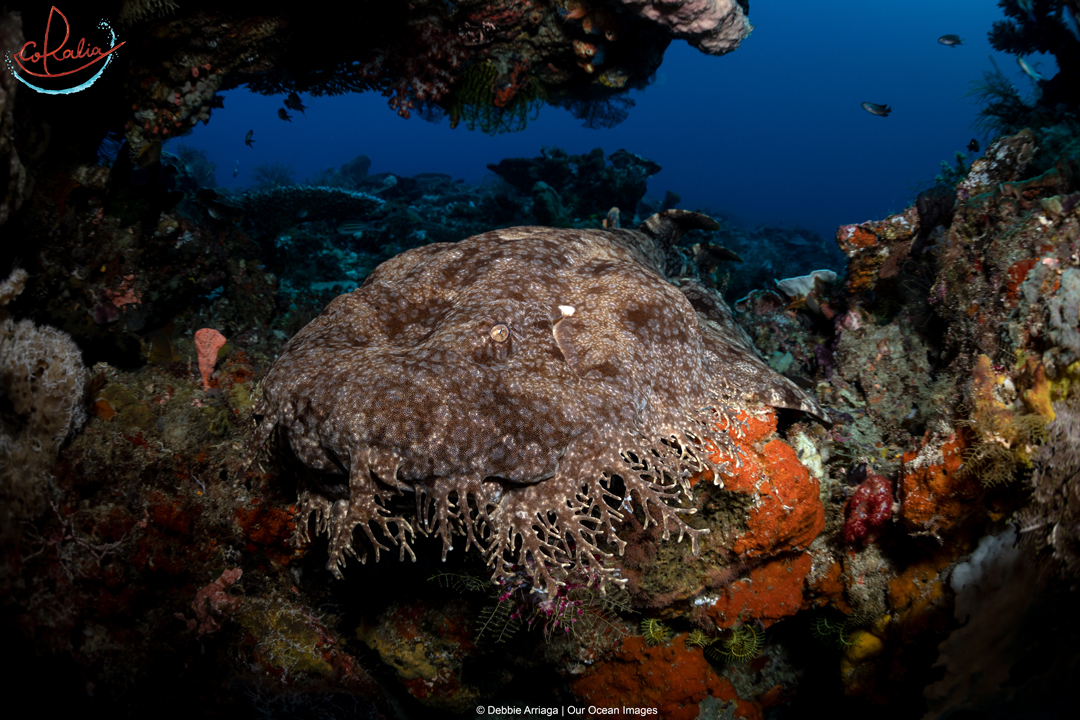
Raja Ampat, located in Indonesia, is a biodiversity hotspot and home to a diverse array of marine life, including numerous shark and ray species. The Raja Ampat Shark and Ray Sanctuary protects this incredible biodiversity, ensuring that sharks and rays can thrive in these waters. Key shark species include the wobbegong shark (Orectolobus spp.), the epaulette shark (Hemiscyllium freycineti), and the blacktip reef shark (Carcharhinus melanopterus). Diving in Raja Ampat is an unforgettable experience, offering the chance to witness the incredible diversity of marine life in this region.
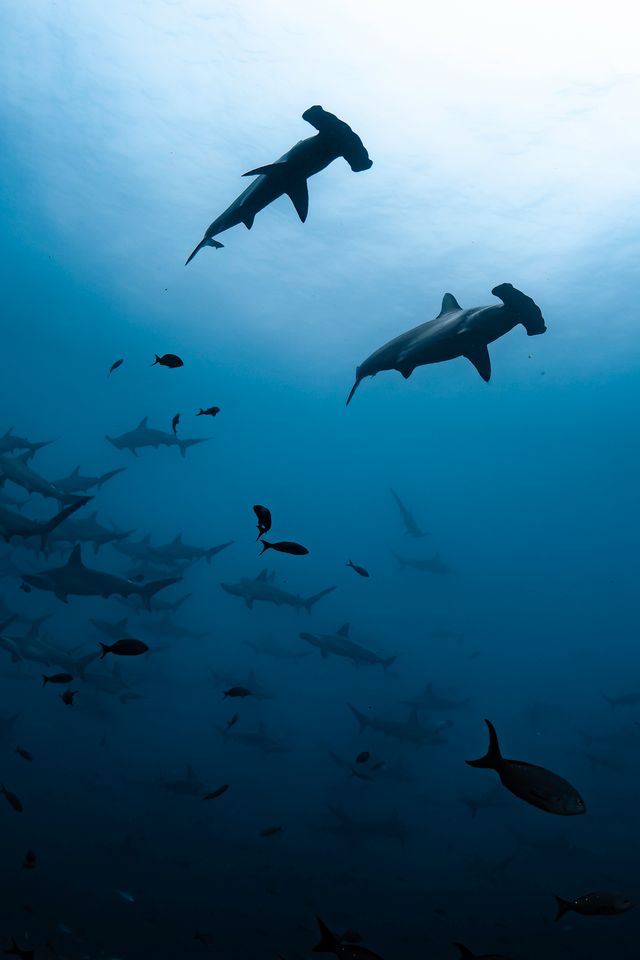
Galapagos Marine Reserve, Ecuador (Highlighting shark conservation efforts)
The Galapagos Marine Reserve is a UNESCO World Heritage Site and a critical area for shark conservation. While not solely a shark sanctuary, the reserve's strict regulations and enforcement efforts provide significant protection for shark populations. Key shark species found in the Galapagos include the Galapagos shark (Carcharhinus galapagensis) and the scalloped hammerhead (Sphyrna lewini). Diving in the Galapagos offers unique opportunities to encounter these sharks in their natural habitat, including the famous hammerhead shark schools.
The Positive Impacts of Shark Sanctuaries: A Thriving Ecosystem
Shark sanctuaries have a wide range of positive impacts on marine ecosystems and local economies:
- Increased Shark Populations: Sanctuaries provide a safe haven for sharks, allowing their populations to recover and thrive.
- Ecosystem Restoration: Healthy shark populations help to maintain the balance of marine ecosystems, leading to healthier coral reefs and thriving fish populations.
- Economic Benefits: Shark sanctuaries can generate significant economic benefits through ecotourism, attracting divers and snorkelers from around the world.
- Scientific Research Opportunities: Sanctuaries provide valuable opportunities for scientific research on shark behavior, ecology, and conservation.
There are numerous case studies demonstrating the positive effects of shark sanctuaries. For example, after the establishment of the Bahamas Shark Sanctuary, shark populations in the area rebounded, leading to increased tourism revenue and a healthier marine ecosystem.
How Divers Can Contribute to Shark Conservation: Be a Voice for the Ocean
As divers, we have a unique opportunity to witness the beauty and fragility of the underwater world. We can also play a vital role in shark conservation efforts.
- Support Shark Sanctuaries: Visit and support shark sanctuaries through responsible tourism. Choose dive operators that are committed to sustainable practices and that contribute to local conservation efforts.
- Practice Responsible Diving: Follow responsible diving practices to minimize disturbance to sharks and their habitats. Avoid touching sharks, maintain a safe distance, and do not feed them.
Expert Tip: Always maintain neutral buoyancy to avoid damaging coral reefs and disturbing marine life.
- Choose Sustainable Seafood: Educate yourself about the impact of seafood choices on shark populations and choose sustainable options. Avoid consuming shark fin soup or other shark products.
- Report Illegal Activities: If you witness any illegal fishing or other activities that threaten sharks, report them to the appropriate authorities.
- Support Conservation Organizations: Donate to or volunteer with reputable shark conservation organizations.
Here are a few to consider:
- Shark Stewards
- WildAid
- Sea Shepherd Conservation Society
- Educate Others: Share your knowledge and passion for sharks with others to raise awareness about conservation efforts.
- Participate in Citizen Science: Participate in citizen science projects related to shark monitoring and research. Many organizations offer opportunities for divers to collect data on shark sightings, behavior, and abundance.
The Future of Shark Sanctuaries: Challenges and Opportunities
While shark sanctuaries have proven to be effective conservation tools, they also face several challenges:
- Enforcement Challenges: Enforcing regulations within shark sanctuaries can be difficult, particularly in remote areas with limited resources.
- Climate Change Impacts: Climate change is already impacting shark habitats and populations, and these impacts are expected to worsen in the future.
- Expanding Sanctuary Networks: There is a need to expand the network of shark sanctuaries globally, particularly in areas where shark populations are most threatened.
- Community Engagement: Greater community involvement is needed in the management and conservation of shark sanctuaries to ensure their long-term success.
- Technological Advancements: Technology can play a crucial role in improving shark monitoring and enforcement. Drones, satellite tracking, and other technologies can be used to track shark movements, detect illegal fishing activities, and assess the effectiveness of sanctuaries.
Warning: Climate change is a real and present threat to shark populations. We must take action to reduce our carbon footprint and protect our oceans.
Despite these challenges, there is reason for optimism. Growing awareness of the importance of shark conservation has led to increased support for shark sanctuaries and other conservation efforts. With continued collaboration and innovation, we can ensure that sharks continue to thrive in our oceans for generations to come.
Conclusion: Protecting Sharks, Protecting Our Oceans
Shark sanctuaries are essential for protecting sharks and preserving the health of our marine ecosystems. By providing safe havens for these vital predators, sanctuaries contribute to the recovery of shark populations, the restoration of marine ecosystems, and the generation of economic benefits through ecotourism.
We've explored the threats that sharks face, defined what constitutes a shark sanctuary, highlighted some of the most remarkable sanctuaries around the globe, and outlined how you, as a diver, can contribute to shark conservation efforts.
Now, it's time to take action. Support shark sanctuaries, practice responsible diving, choose sustainable seafood, and educate others about the importance of shark conservation.
Remember, sharks are an integral part of the ocean's web of life. By protecting them, we are protecting our oceans and ensuring a healthy planet for future generations.