Loading...
marine-life#Vancouver Island diving#scuba diving BC#marine life Vancouver Island
Dive into Wonder: 10 Amazing Creatures Around Vancouver Island & Where to Find Them
Pro Dive Vibes
February 19, 20265 min read
Dive into Wonder: 10 Amazing Creatures Around Vancouver Island & Where to Find Them
Vancouver Island is a world-class diving destination, boasting an incredibly diverse and unique marine ecosystem. Situated on the edge of the Pacific Ocean, the island is influenced by strong currents that bring nutrient-rich waters, supporting a vibrant array of marine life. From playful seals to giant octopuses, the underwater world around Vancouver Island is teeming with wonders. This blog post will showcase 10 amazing creatures you can encounter while diving here and where you're most likely to find them.
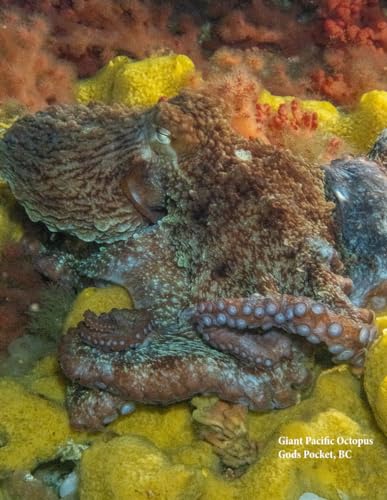
1. Giant Pacific Octopus (Enteroctopus dofleini)
The Giant Pacific Octopus is a true marvel of the deep. These intelligent creatures can grow to impressive sizes, with some individuals reaching over 30 feet in arm span. They are known for their problem-solving abilities and relatively short lifespan of 3-5 years.
Best dive sites: Race Rocks, Ogden Point Breakwater, and even Whytecliff Park (just north of Vancouver on the mainland) are known octopus hotspots.
Diving tips: Look for their dens – often small caves or crevices marked by a pile of shells. Be patient and observant. Avoid disturbing them; admire them from a respectful distance.
Learn more: Curious about octopus behavior? Explore resources from marine biology institutions to understand these fascinating cephalopods.
2. Rockfish (Sebastes spp.)
Rockfish are a diverse group of fish, with many different species found around Vancouver Island. They are known for their longevity, with some species living for over 100 years. Unfortunately, many rockfish populations are facing conservation concerns due to overfishing.
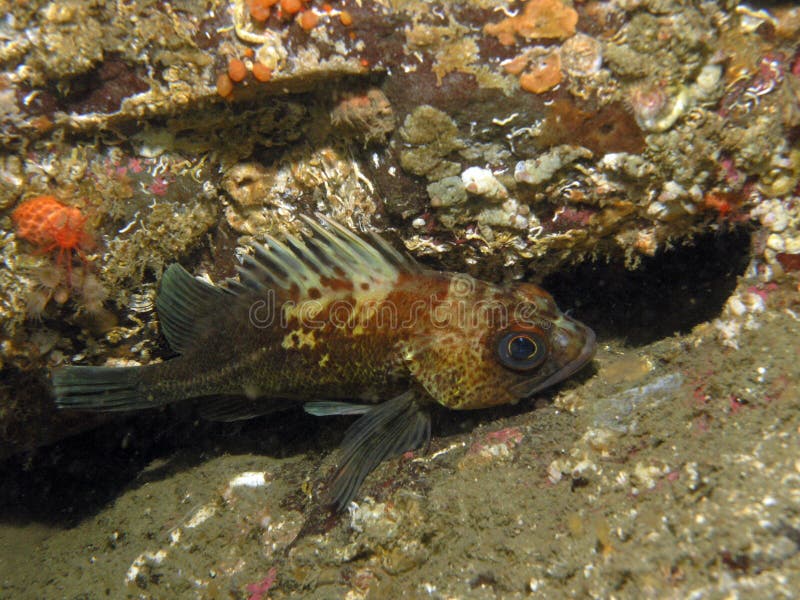
Best dive sites: Botanical Beach, with its intertidal pools leading to deeper waters, and the wreck dives near Nanaimo (e.g., HMCS Saskatchewan) are great places to spot Rockfish.
Diving tips: Look in rocky reefs, kelp forests, and around wrecks. Be aware of depth restrictions, as some species prefer deeper waters. Always respect rockfish conservation areas (RCAs).
3. Wolf Eel (Anarrhichthys ocellatus)
Despite their name, Wolf Eels are not true eels. They are fish with a distinctive wolf-like face. These curious creatures are often found in monogamous pairs and are known for their relatively docile nature.

Best dive sites: God's Pocket Provincial Park and the Browning Wall are renowned for their Wolf Eel populations.
Diving tips: Look in crevices and rocky areas. Approach slowly and respectfully. Their 'cute' appearance makes them a favorite among divers.
4. Harbour Seal (Phoca vitulina)
Harbour Seals are abundant and playful marine mammals often encountered while diving around Vancouver Island. They are curious and will often approach divers for a closer look.
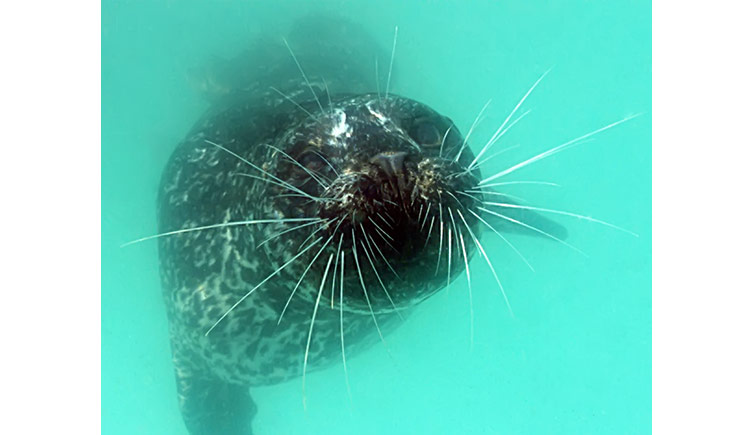
Best dive sites: Race Rocks and many shore dives offer opportunities to interact with Harbour Seals. Exercise caution when diving from shore.
Diving tips: Maintain a safe distance and avoid feeding them. Enjoy their curiosity, but remember they are wild animals. Never approach seals on land.
5. Sea Lion (Eumetopias jubatus and Zalophus californianus)
Sea Lions are large and vocal marine mammals that can be quite a spectacle to observe underwater. Both Stellar (Northern) and California Sea Lions can be found around Vancouver Island, although Stellar Sea Lions are more common.

Best dive sites: Race Rocks is a prime location for Sea Lion encounters. They may also occasionally be seen near boat launches.
Diving tips: Be aware of their size and power. Avoid aggressive behavior, such as chasing or cornering them. Enjoy the spectacle from a safe distance.
6. Sunflower Star (Pycnopodia helianthoides)
Sunflower Stars are the largest sea stars in the world, once common throughout the Pacific Northwest. Sadly, their populations have been decimated by Sea Star Wasting Syndrome.
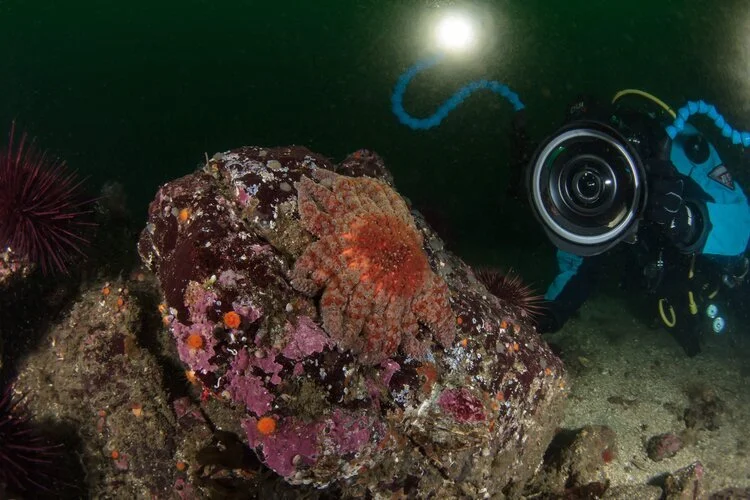
Best dive sites: Once common everywhere, they are now rarer. Try deeper sites off Ucluelet or Barkley Sound.
Diving tips: Look on sandy bottoms and rocky reefs. Be aware of their vulnerable status and avoid disturbing them.
7. Nudibranchs (Various species)
Nudibranchs, or sea slugs, are a diverse group of marine invertebrates known for their vibrant colors and intricate patterns. These small creatures are a delight to find and photograph.
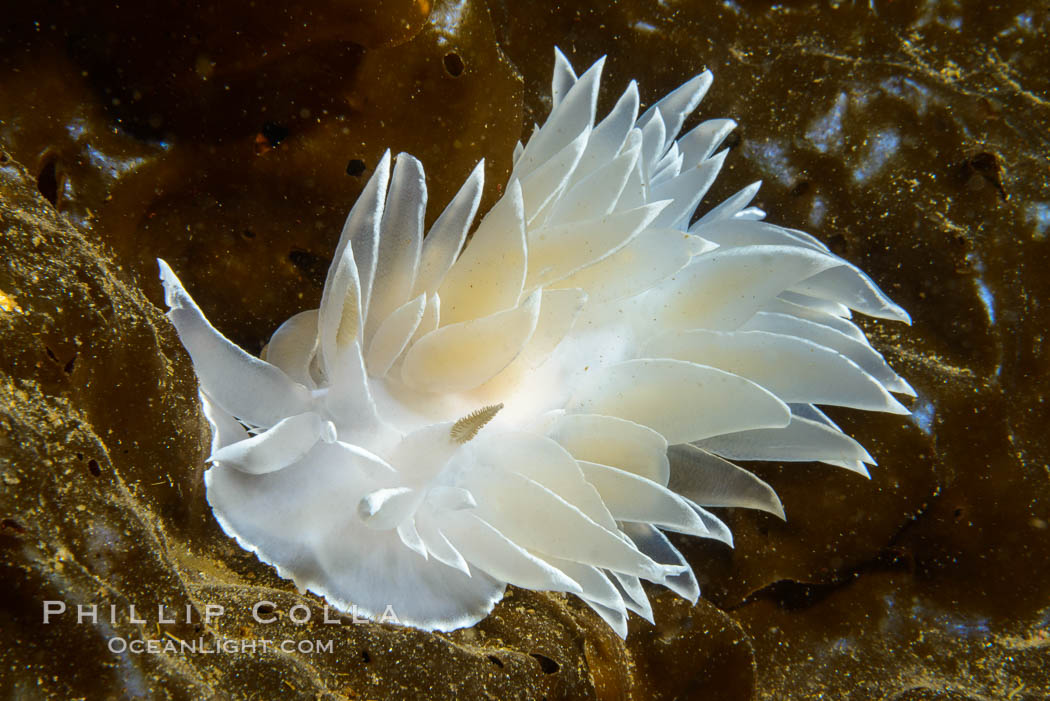
Best dive sites: Botanical Beach, Ogden Point Breakwater, and Whytecliff Park are good locations to search for Nudibranchs.
Diving tips: Look closely on kelp, rocks, and sponges. A magnifying glass can help you appreciate their intricate details. Take photos and try to identify them later using online resources.
8. Dungeness Crab (Cancer magister)
Dungeness Crabs are a commercially important species found in the waters around Vancouver Island. They are often buried in the sand, waiting to ambush their prey.

Best dive sites: Sandy bottoms near shore are the best places to find Dungeness Crabs.
Diving tips: Look for their claws sticking out of the sand. Observe but do not disturb them. Be aware of local fishing regulations.
9. Lingcod (Ophiodon elongatus)
Lingcod are large, predatory fish found in rocky reefs and kelp forests. They are known for their territorial behavior, especially during nesting season.

Best dive sites: Rocky reefs, kelp forests, and wreck dives are good places to spot Lingcod.
Diving tips: Look in crevices and under ledges. Be aware of their territoriality during nesting season (winter). Lingcod are unique in that they guard their nests until the eggs hatch.
10. Kelp Greenling (Hexagrammos decagrammus)
Kelp Greenling are a common sight in kelp forests around Vancouver Island. They are easily identifiable by their vibrant colours, which differ between males and females.

Best dive sites: Kelp forests and rocky reefs are their preferred habitat.
Diving tips: Look amongst the kelp. Observe the different color variations between males and females. They blend in well with their surroundings.
Conclusion: Respect and Conservation
Vancouver Island offers incredible opportunities to encounter diverse and fascinating marine life. By practicing responsible diving, we can help protect this unique ecosystem for future generations. Remember to maintain a safe distance from marine animals, avoid disturbing their habitat, and respect all local regulations.
Report your sightings to citizen science initiatives and support sustainable tourism and conservation efforts. Book your dive trip to Vancouver Island today and experience the wonder for yourself!