Loading...
marine-life#Vancouver Island diving#scuba diving#marine life
10 Must-See Fish While Scuba Diving Around Vancouver Island
Pro Dive Vibes
February 19, 20266 min read

10 Must-See Fish While Scuba Diving Around Vancouver Island
Introduction: Vancouver Island's Underwater Wonders
Vancouver Island is a true gem for scuba divers, boasting some of the most biodiverse and breathtaking underwater landscapes in the Pacific Northwest. The nutrient-rich waters teem with an incredible array of marine life, offering divers unparalleled opportunities to witness the beauty and complexity of the ocean ecosystem. From vibrant kelp forests to dramatic rocky reefs, the underwater topography provides a home for a diverse cast of characters. In this post, we'll explore 10 must-see fish species you're likely to encounter while diving around Vancouver Island. Whether you're exploring the calmer waters of the east coast, braving the currents of the west, or navigating the protected inlets, there's a dive site perfect for spotting these fascinating creatures.
1. Rockfish: Masters of Camouflage
Rockfish ( Sebastes spp.) are a common and captivating sight around Vancouver Island.
These fish are masters of camouflage, blending seamlessly into their rocky surroundings. They inhabit rocky reefs and kelp forests, using their diverse color patterns – ranging from bright orange and red to mottled brown and black – to disappear amongst the algae and invertebrates. Rockfish are incredibly important to the ecosystem, serving as both prey and predators. They are also known for their remarkable lifespan, with some species living for over 100 years! Keep an eye out for Copper Rockfish and Quillback Rockfish, two frequently spotted species. Remember to maintain a respectful distance, as many rockfish species are slow-growing and vulnerable to overfishing.
2. Lingcod: The Pacific's Apex Predator
The Lingcod (Ophiodon elongatus) reigns supreme as one of the Pacific's apex predators.

These imposing fish can grow to impressive sizes, exceeding five feet in length! Their mottled coloration provides excellent camouflage against rocky reefs, where they lie in wait for unsuspecting prey. Lingcod are voracious eaters, consuming a diet of other fish, invertebrates, and even smaller lingcod. They play a crucial role in maintaining the balance of the ecosystem. Be aware that Lingcod are a popular sport fish, so you may encounter them while fishing. Respect their space and avoid disturbing them during spawning season.
3. Pacific Spiny Lumpsucker: The Adorable Oddity
Prepare to be charmed by the Pacific Spiny Lumpsucker (Eumicrotremus orbis).

This tiny fish is a true oddity of the sea. Its small, round body and the suction cup on its belly give it a unique, almost comical appearance. Lumpsuckers use this suction cup to cling to rocks and kelp, allowing them to survive in strong currents. They feed on small invertebrates, scraping algae and tiny organisms from the rocks. Spotting a lumpsucker is a real treat, so keep your eyes peeled for these endearing little creatures. They are typically found in shallow, rocky areas.
4. Cabezon: The Bullhead of the Sea
The Cabezon (Scorpaenichthys marmoratus) is a fascinating fish easily recognized by its large head and mottled coloration. [[IMAGE: Cabezon fish underwater] ]These fish inhabit rocky reefs and kelp forests, often blending seamlessly with their surroundings. Fleshy cirri above their eyes further enhance their camouflage. Cabezon are opportunistic feeders, consuming crabs, mollusks, and other invertebrates. They are masters of disguise, able to change color to match their environment. Look closely – you might be surprised to find one hiding in plain sight!
5. Kelp Greenling: The Colorful Reef Dweller
Add a splash of color to your dive with the Kelp Greenling (Hexagrammos decagrammus).

These vibrant fish are easily distinguished by their distinct coloration. Males sport bright blue spots, while females display reddish-brown spots. Kelp Greenlings are active swimmers, darting amongst the kelp forests and rocky reefs in search of small invertebrates. They play an important role as mid-level predators, helping to control populations of smaller organisms.
6. Pile Perch: The Schooling Beauty
Witness the beauty of schooling fish with the Pile Perch (Rhacochilus vacca).
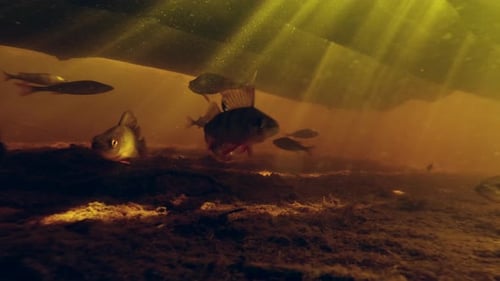
These silvery fish, adorned with dark bars, often congregate in large schools around kelp forests, rocky reefs, and even pilings. Pile Perch feed on small invertebrates, contributing to the food web and serving as a food source for larger predators. Watching a school of Pile Perch gracefully moving through the water is a truly mesmerizing experience.
7. Quillback Rockfish: The Spiky Resident
The Quillback Rockfish (Sebastes maliger) is a spiky resident of Vancouver Island's reefs.
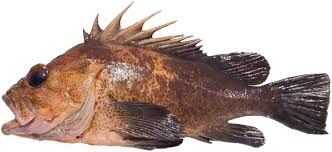
These fish are easily identified by the prominent spines on their dorsal fin. Quillback Rockfish prefer rocky reefs and crevices, where they often remain relatively sedentary. They play a vital role in the reef ecosystem, contributing to the balance of the food web. Be careful not to disturb them in their rocky homes.
8. Wolf Eel: The Misunderstood Predator
Don't be intimidated by the Wolf Eel (Anarrhichthys ocellatus)!
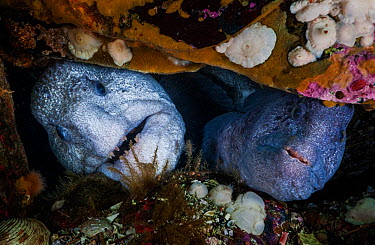
Despite their somewhat menacing appearance, these fish are generally not aggressive towards divers. Wolf Eels have elongated bodies, large jaws, and a powerful bite, which they use to crush crabs, sea urchins, and other invertebrates. They inhabit rocky dens and crevices, often forming monogamous pairs. Observe them from a respectful distance and appreciate their unique adaptations.
9. Ratfish: The Ghost of the Deep
Encounter the ethereal Ratfish (Hydrolagus colliei), also known as the Spotted Ratfish.
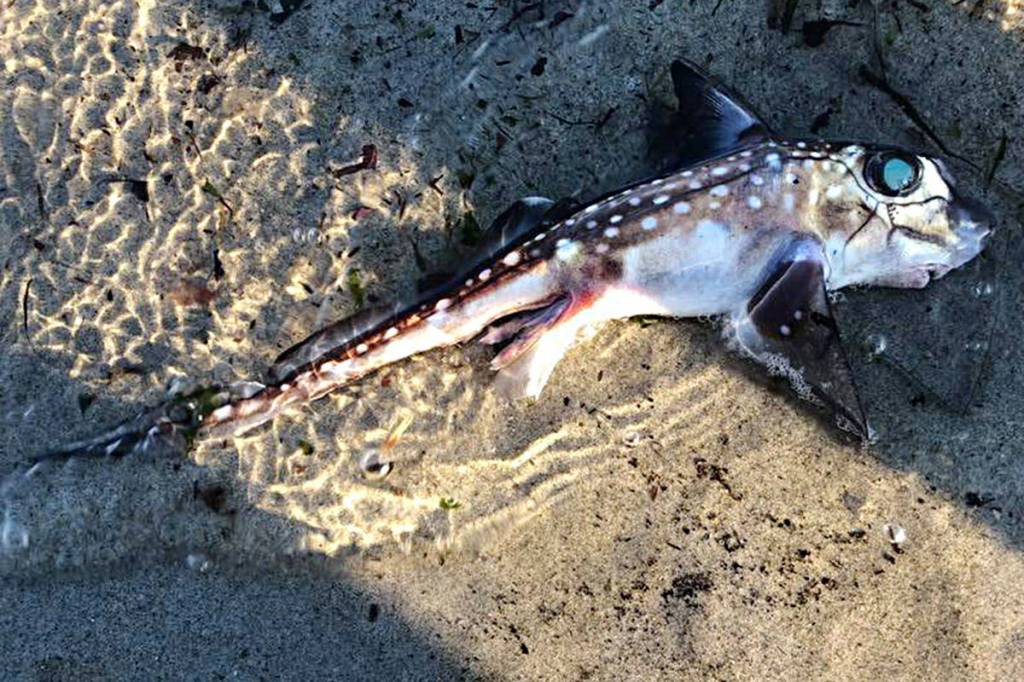
These unique creatures are often described as the "ghosts of the deep." They possess large eyes, a pointed snout, and a venomous spine on their dorsal fin. Ratfish are typically found in deeper waters, and are often seen during night dives. Their cartilaginous skeleton and evolutionary relationship to sharks make them a truly fascinating species.
10. Pacific Herring: The Foundation of the Food Web
Witness the incredible spectacle of a school of Pacific Herring (Clupea pallasii).

These small, silvery fish are the foundation of the food web in the Pacific Northwest. They school in massive numbers, providing a crucial food source for many marine animals, including seabirds, marine mammals, and larger fish. Herring spawning events are particularly important, attracting a wide range of predators and enriching the ecosystem.
Conclusion: Dive In and Discover!
Vancouver Island offers an unparalleled diving experience, teeming with diverse marine life and stunning underwater landscapes. Remember to dive responsibly, respecting the environment and the creatures that call it home. Check with local dive shops for guided tours and information about current conditions before