Loading...
marine-life#Vancouver Island diving#scuba diving Vancouver Island#marine life Vancouver Island
10 Amazing Fish to Spot While Scuba Diving Around Vancouver Island
Pro Dive Vibes
February 19, 20269 min read

Diving into Vancouver Island's Underwater Paradise
Vancouver Island, nestled off the west coast of British Columbia, Canada, is a hidden gem for cold-water scuba diving enthusiasts. Far from the tropical reefs, this region boasts a unique and thriving marine ecosystem teeming with life. From vibrant invertebrates to playful seals and, of course, a stunning array of fish species, Vancouver Island offers an underwater experience unlike any other.
The waters surrounding the island are incredibly biodiverse, fueled by nutrient-rich currents and diverse habitats ranging from rocky reefs and kelp forests to sandy bottoms and deep-water trenches. This confluence of factors creates a haven for a remarkable variety of marine life, making every dive an opportunity for discovery.
As divers, we have a responsibility to protect this fragile ecosystem. Responsible diving practices, such as maintaining proper buoyancy, avoiding contact with marine life, and minimizing our impact on the environment, are crucial for preserving the beauty and health of Vancouver Island's underwater world for future generations. Observing marine life with respect and understanding is paramount.
This article aims to be your guide to identifying some of the most common and fascinating fish species you're likely to encounter while scuba diving around Vancouver Island. Whether you're a seasoned cold-water diver or a newcomer to the sport, this guide will help you appreciate the incredible diversity beneath the waves.
Cold-water diving presents its own set of challenges, including lower water temperatures and the need for specialized equipment. However, the rewards are immense. The unparalleled visibility, the abundance of marine life, and the unique character of the cold-water ecosystem make it an unforgettable experience.
Preparing for Your Dive: Essential Tips
Diving in the waters around Vancouver Island requires careful preparation and the right equipment. Here are some essential tips to ensure a safe and enjoyable dive:
-
Gear Recommendations: Cold water demands proper thermal protection. A 7mm wetsuit with a hooded vest is a common choice, but a drysuit offers superior warmth and comfort, especially for longer dives or multiple dives in a day. Don't forget a hood and gloves (5-7mm thickness) to protect your extremities. Good quality fins and a well-fitting mask are also essential.
-
Buoyancy Control: Precise buoyancy control is crucial for navigating the underwater environment and minimizing your impact on delicate marine life. Practice your buoyancy skills in a pool or shallow water before diving in more challenging conditions. Avoid kicking up sediment or touching the reef.
-
Dive Site Selection: Vancouver Island offers a variety of dive sites, each with its own unique characteristics. Barkley Sound is known for its rich biodiversity and calm waters. Race Rocks Ecological Reserve is famous for its strong currents and abundant marine life. God's Pocket Provincial Park, located on the northern tip of Vancouver Island, offers pristine waters and exceptional visibility. Research different dive sites and choose one that suits your experience level and interests.
-
Local Guides: Consider diving with a local guide or operator. They have extensive knowledge of the dive sites, currents, and marine life, and can provide valuable insights and ensure your safety. Local guides can also help you spot elusive species and understand the local regulations.
-
Weather and Tides: Always check the weather forecast and tide charts before diving. Strong currents and changing weather conditions can significantly impact dive conditions. Be aware of slack tides and plan your dives accordingly.
1. Rockfish (Sebastes spp.) - The Colorful Residents
Rockfish are a diverse and abundant group of fish found in the waters around Vancouver Island. Belonging to the genus Sebastes, there are over 30 different species of rockfish inhabiting the Pacific Northwest, each with its own unique coloration and markings.
Rockfish are characterized by their spiny fins, which serve as a defense mechanism against predators. They come in a wide range of colors, from bright orange and red to mottled brown and black. Some common species include the Copper Rockfish (Sebastes caurinus), with its distinctive copper-colored body and yellow fins, and the Quillback Rockfish (Sebastes maliger), easily identified by its prominent spines along its dorsal fin.
Rockfish are typically found in rocky reefs and kelp forests, where they seek shelter and forage for food. They are often solitary and territorial, defending their chosen patch of reef from intruders.
Unfortunately, many rockfish species are slow-growing and long-lived, making them vulnerable to overfishing. Strict regulations are in place to protect rockfish populations, including size limits, catch quotas, and area closures. Always check the current regulations before fishing or spearfishing in the area. Responsible diving practices, such as avoiding contact with rockfish and their habitat, are also essential for their conservation.

2. Lingcod (Ophiodon elongatus) - The Master of Camouflage
The Lingcod is a large, predatory fish that is commonly found in the waters around Vancouver Island. Despite its name, it is not actually a cod, but rather a member of the greenling family.
Lingcod are easily recognizable by their large mouths, sharp teeth, and mottled coloration, which allows them to blend seamlessly with their surroundings. They can grow to impressive sizes, with some individuals reaching over 5 feet in length and weighing over 80 pounds.
Lingcod prefer rocky reefs and areas with strong currents, where they lie in wait for unsuspecting prey. They are ambush predators, feeding on a variety of fish, crustaceans, and cephalopods. Lingcod are also highly territorial, fiercely defending their chosen hunting grounds.
Lingcod play an important role in the ecosystem, helping to control populations of other fish species. They are also a popular target for recreational and commercial fisheries. Size and catch regulations are in place to ensure the sustainability of Lingcod populations.
3. Wolf Eel (Anarrhichthys ocellatus) - The Gentle Giant
The Wolf Eel is a fascinating and unique species found in the waters around Vancouver Island. Despite their intimidating appearance, with their elongated bodies, powerful jaws, and human-like teeth, Wolf Eels are generally considered to be gentle giants.
Wolf Eels are not true eels, but rather a type of fish known as a wolffish. They can grow to over 8 feet in length and are typically found in rocky dens and crevices, often in pairs.
Wolf Eels are known for their relatively docile behavior. They are often curious and will approach divers, but they are rarely aggressive. It is important to remember that they are wild animals and should be treated with respect. Never attempt to touch or feed a Wolf Eel, and avoid disturbing their dens.
4. Pacific Spiny Lumpsucker (Eumicrotremus orbis) - The Adorable Oddball
The Pacific Spiny Lumpsucker is a small, unique fish that is sure to bring a smile to your face. These adorable oddballs are characterized by their round bodies, bumpy skin, and a suction cup on their belly, which they use to cling to rocks and seaweed.
Pacific Spiny Lumpsuckers are typically found in rocky areas and kelp forests, where they blend in with their surroundings. They are relatively small, rarely exceeding 2 inches in length.
They primarily feed on small invertebrates and algae.
5. Cabezon (Scorpaenichthys marmoratus) - The Color-Changing Master
The Cabezon is a large sculpin that is commonly found in the waters around Vancouver Island. They are easily recognizable by their large heads, mottled coloration, and fleshy flaps above their eyes.
Cabezon are masters of camouflage, able to change their color to blend in with their surroundings. This allows them to ambush unsuspecting prey, such as small fish, crustaceans, and mollusks.
Cabezon are typically found in rocky reefs and kelp forests, where they lie in wait for their next meal. They can grow to over 30 inches in length and weigh over 20 pounds.
6. Kelp Greenling (Hexagrammos decagrammus) - The Male's Striking Colors
The Kelp Greenling is a common fish found in the kelp forests and rocky reefs around Vancouver Island. They exhibit sexual dimorphism, meaning that males and females have different appearances.
Both males and females have elongated bodies and multiple lateral lines. However, the males are distinguished by their bright blue spots, which are absent in females. Females are typically mottled brown or gray in color.
Kelp Greenling are territorial and active during the day. They feed on a variety of invertebrates and small fish.

7. Pile Perch (Rhacochilus vacca) - The Schooling Beauty
The Pile Perch is a schooling fish that is commonly found around pilings, docks, and rocky reefs in the waters around Vancouver Island. They are characterized by their compressed bodies and silvery coloration with dark vertical bars.
Pile Perch form large schools, which can be a spectacular sight for divers. They feed on a variety of invertebrates, such as crustaceans, mollusks, and worms.
Their schooling behavior provides protection from predators and enhances their ability to find food.
8. Quillback Rockfish (Sebastes maliger) - Spiny and Striking
The Quillback Rockfish is another common rockfish species found in the waters around Vancouver Island. It is easily identified by its brownish-orange coloration and prominent spines along its dorsal fin.
Quillback Rockfish are typically found in rocky reefs and kelp forests, where they seek shelter and forage for food. They are often solitary and territorial.
It is important to avoid contact with the spines of the Quillback Rockfish, as they can cause a painful puncture wound.
9. Buffalo Sculpin (Enophrys bison) - Armored and Alert
The Buffalo Sculpin is a unique fish characterized by its armored appearance. Its body is covered in bony plates and it has prominent spines on its head.
Buffalo Sculpin are typically found in rocky areas and tide pools, where they blend in with their surroundings. They are often stationary and well-camouflaged, making them difficult to spot.
Their armored body and spines provide protection from predators.

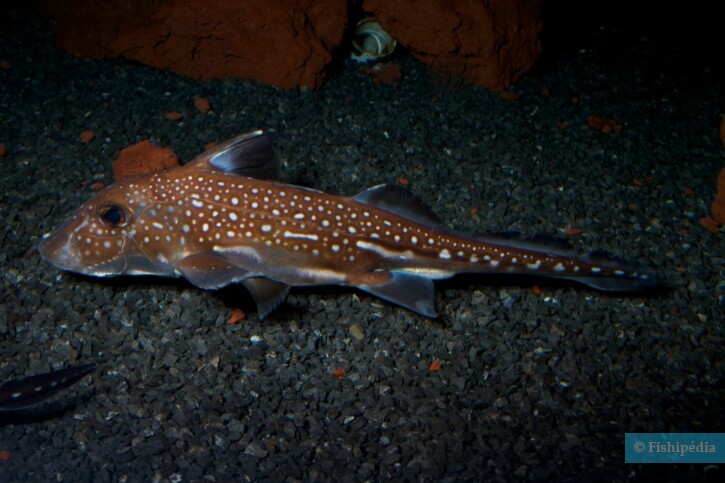
10. Ratfish (Hydrolagus colliei) - The Ghost of the Deep
The Ratfish is a cartilaginous fish related to sharks and rays. It is characterized by its large eyes, rabbit-like snout, and venomous spine located in front of its dorsal fin.
Ratfish are typically found in deep waters, but they can sometimes be seen closer to shore at night. They are nocturnal and graceful swimmers.
The venomous spine of the Ratfish can cause a painful sting. It is important to avoid contact with this fish.
Conclusion: Dive In and Explore!
Vancouver Island's underwater world is a treasure trove of biodiversity, offering divers a unique and unforgettable experience. From the colorful Rockfish to the elusive Ratfish, the fish species found in these waters are as diverse as they are fascinating.
We encourage you to explore this incredible underwater world responsibly, respecting the environment and the marine life that calls it home. Continue to learn about the different species and their habitats, and share your knowledge with others.
Share your diving experiences and photos in the comments below! What are your favorite fish to spot around Vancouver Island?