NATO Flanges and Chamber Mating: The Engineering of Emergency Transfers
NATO Flanges and Chamber Mating: The Engineering of Emergency Transfers
In the realm of advanced technical diving and commercial operations, understanding the infrastructure of hyperbaric support is as critical as the dive plan itself. This analysis examines the technical mechanisms and operational protocols that define modern recompression and life-support systems.
[[CLAIM:CL1]]Hyperbaric chambers are used for surface decompression, omitted decompression, recompression of injured divers, training, research, and pressure testing of equipment.1[[/CLAIM]]
[[CLAIM:CL2]]A standard hyperbaric chamber must be equipped with pressurization and exhaust systems, viewports, depth control gauges, a two-way communication system, and a Built-in-Breathing System (BIBS.2[[/CLAIM]]
Primary Applications of Hyperbaric Chambers in Diving Operations

Beyond immediate emergency medical intervention, hyperbaric facilities serve several strategic functions within professional diving sectors. These systems allow for controlled physiological studies and the validation of new equipment under extreme stress.
[[CLAIM:CL3]]Hyperbaric chambers are used for surface decompression, omitted decompression, recompression of injured divers, training, research, and pressure testing of equipment.1[[/CLAIM]]
Essential Equipment and Systems of a Standard Hyperbaric Chamber

To ensure safety and operational integrity, every chamber must adhere to strict engineering specifications. These components work in tandem to maintain a stable environment for both the patient and the inside tender.
[[CLAIM:CL4]]A standard hyperbaric chamber must be equipped with pressurization and exhaust systems, viewports, depth control gauges, a two-way communication system, and a Built-in-Breathing System (BIBS.2[[/CLAIM]]
The Transportable Recompression Chamber System (TRCS) and NATO Interoperability

For remote operations and military-grade search and recovery, the ability to transfer patients under pressure between different vessels or facilities is paramount. This interoperability is achieved through standardized mechanical interfaces.
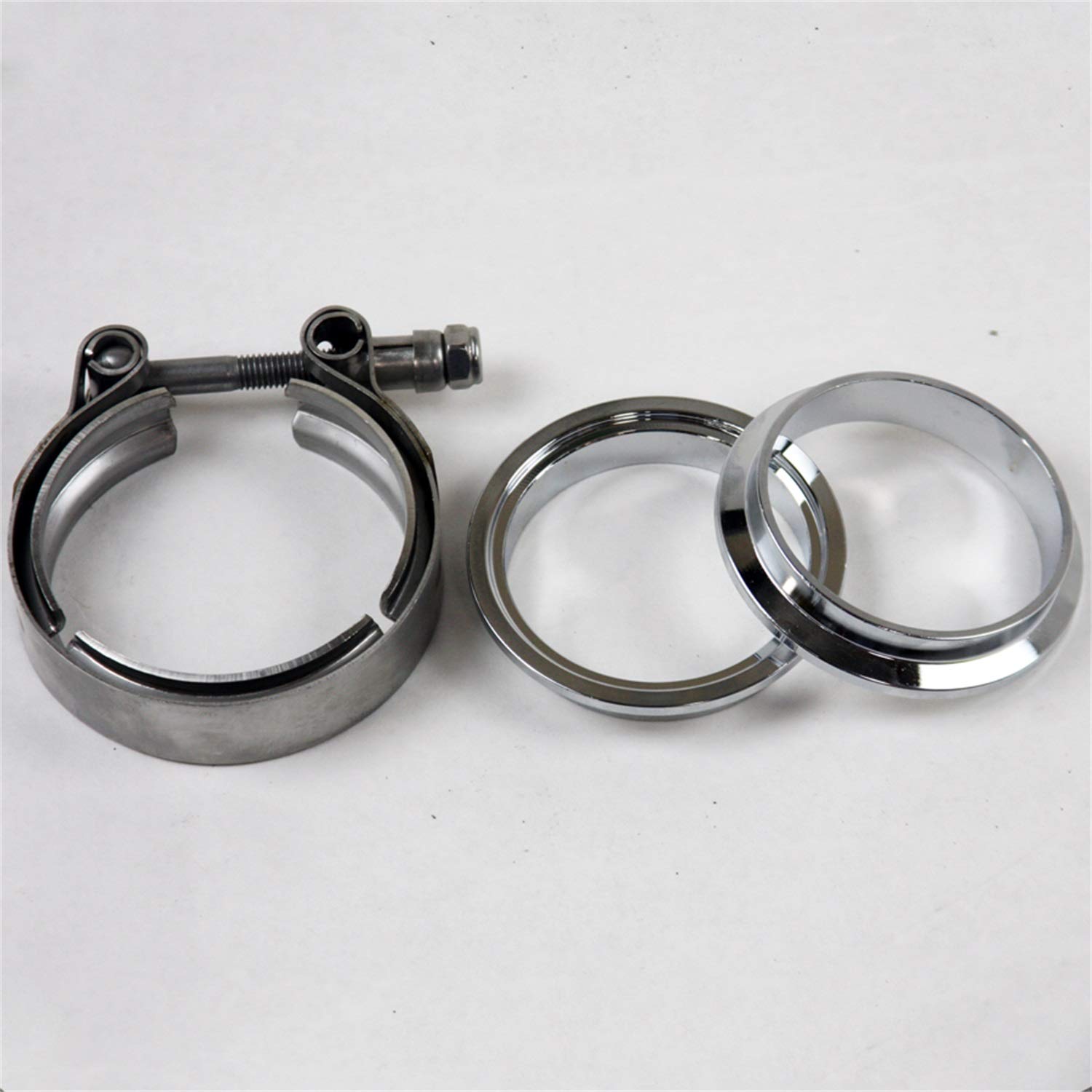
[[CLAIM:CL5]]The Transportable Recompression Chamber System (TRCS) utilizes a standard NATO flange to mate a transportable lock with another equipped chamber.3[[/CLAIM]]
Operational Roles: Responsibilities of the Outside Tender

Precision in chamber operations depends heavily on the vigilance and expertise of the topside personnel. The outside tender acts as the lifeline for those inside, managing the delicate balance of the chamber’s internal atmosphere.
[[CLAIM:CL6]]The outside tender of a hyperbaric chamber is responsible for maintaining the air supply, keeping the dive log, communicating with inside personnel, and managing chamber pressurization and ventilation.4[[/CLAIM]]
Training and Certification Standards for Chamber Operators

Operating a recompression facility requires specialized competency and a rigorous academic grounding in diving medicine and physics. Certification programs ensure that operators can handle complex patient scenarios and mechanical failures with total composure.
[[CLAIM:CL7]]The NOAA training program for chamber operators covers topics including chamber setup, plumbing, life-support procedures, recordkeeping, diving physics, decompression theory, and patient handling.5[[/CLAIM]]
Emergency Management: Protocols for Depleted Air Supply and Ascent

In the event of a critical air supply failure during a dive, technical divers must adhere to a strictly prioritized hierarchy of ascent protocols. Managing these emergencies requires a disciplined approach to mitigate the risk of decompression sickness or barotrauma.
[[CLAIM:CL8]]The recommended order for managing a depleted air supply is: normal ascent, alternate air source ascent, controlled emergency swimming ascent, buddy breathing ascent, and emergency buoyant ascent.6[[/CLAIM]]