Diving Dos Ojos Cenote: A Surreal Journey Through Mexico’s Most Famous Halocline
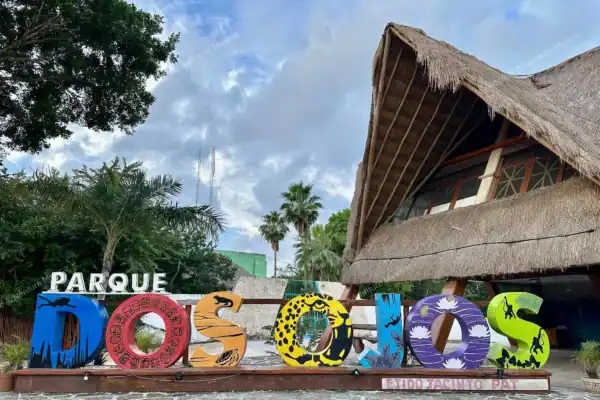
There is a specific moment when you step out of the air-conditioned van into the thick, humid air of the Quintana Roo jungle that feels like crossing a threshold. As you gear up under the canopy of swaying palms and mahogany trees, the sound of tropical birds provides a sharp contrast to the silence that awaits below. You are standing at the entrance to Dos Ojos (Two Eyes), perhaps the most iconic cenote in the world.
For the ancient Maya, these limestone sinkholes were far more than just freshwater sources; they were Xibalba, the gateway to the underworld. Descending into the "eyes"—two circular openings in the earth that lead into a vast subterranean labyrinth—it’s easy to see why. Unlike the sheer vertical drop and haunting hydrogen sulfide cloud of its deeper neighbor, which we explored in our guide to Diving The Pit Cenote, Dos Ojos is a shallow, horizontal wonderland defined by light, clarity, and geological majesty.
The Halocline: Diving Through Liquid Glass
One of the most mind-bending experiences in Dos Ojos is the halocline. This is a physical phenomenon where layers of fresh water and salt water meet but do not immediately mix due to differences in density. In Dos Ojos, the top layer is cool, crystal-clear freshwater, while the deeper layer is warmer, denser saltwater creeping in from the Caribbean Sea.
When you swim through the interface, the world suddenly looks like it’s been smeared with Vaseline. It’s an oily, shimmering effect that distorts your vision, making your dive buddy look like a flickering ghost.
Why the Blur Happens
The halocline acts as a visual "boundary layer." Because the two bodies of water have different refractive indices, light bends differently as it passes through them.
| Feature | Freshwater Layer | Saltwater Layer |
|---|---|---|
| Temperature | 24°C (75°F) |
25-26°C (77-79°F) |
| Visibility | Infinite | Shimmering/Blurry |
| Depth | Surface to ~8m | Below ~10m |
| Buoyancy | Lower | Higher |
As you pass through the halocline, you may notice a slight change in your buoyancy. This is a perfect time to practice the fine-tuned adjustments we discuss in our breakdown of Center of Gravity vs. Center of Buoyancy. Even a minor shift in water density requires a puff of air in or out of your BCD to maintain that perfect horizontal "hover."

The Barbie Line: A Masterclass in Light and Limestone
The first of the two main circuits at Dos Ojos is the Barbie Line. If you’re wondering about the name, look closely at the rocks near the end of the line—you’ll find a plastic Barbie doll perpetually trapped in the jaws of a toy crocodile, a bit of kitschy humor left by early cave explorers.
But the real draw isn't the plastic; it’s the light. On a sunny day, the "Two Eyes" act as giant spotlights. Piercing beams of blue light cut through the water, hitting the white limestone floor and illuminating the cavern with a glow that rivals the 100-meter visibility of Iceland’s Silfra Fissure.
As you navigate this line, you are weaving through ancient history. The stalactites (hanging down) and stalagmites (growing up) were formed over millennia when these caves were dry. Seeing these massive, delicate structures underwater is a reminder of the Earth's shifting climate.
Expert Tip: To capture the best photos on the Barbie Line, stay low and aim your camera upward toward the light beams. Use your buddy as a silhouette against the "Eye" for a dramatic sense of scale.
The Bat Cave: Emerging in a Hidden World
If the Barbie Line is about light, the Bat Cave Line is about atmosphere. This second circuit takes you deeper into the darker recesses of the cavern system, where the ceiling drops and the passages become more intimate.
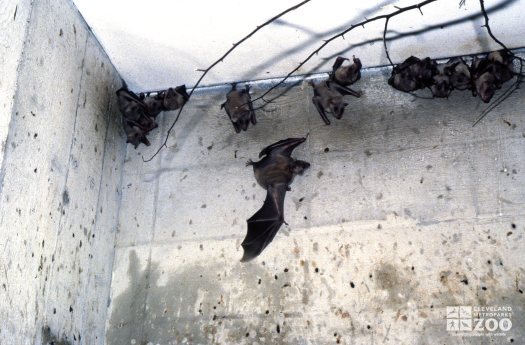
The highlight of this route is the ascent. Halfway through the dive, your guide will signal for you to surface. You aren't heading back to the jungle; instead, you emerge into a massive air pocket—a "Bat Cave" hidden from the outside world.
The sensory shift is incredible:
- The Sound: The rhythmic drip-drip-drip of mineral-rich water falling from the ceiling.
- The Sight: Hundreds of tiny fruit bats hanging from the stalactites, occasionally fluttering overhead.
- The Smell: A damp, earthy scent that feels like the very breath of the planet.
Floating on your back in the pitch black, illuminated only by your dive light, you realize that cenotes are just big swimming pools—they are living, breathing geological systems that connect the jungle floor to the deep ocean.
Precision in the Shadows: Why Buoyancy is Everything
Diving in a cavern environment is a privilege, and it comes with a responsibility to protect the environment. The limestone formations in Dos Ojos are incredibly fragile; one misplaced kick can snap a stalactite that took 10,000 years to grow.
Mastering the Frog Kick
In the cenotes, the traditional "flutter kick" is a liability. It directs water downward, which can stir up "silt" (fine sediment) from the floor. A "silt-out" can reduce visibility from 100 meters to zero in seconds, creating a dangerous situation for the whole group.
Instead, divers must use the frog kick. By keeping your knees bent and pushing the water behind you rather than below you, you maintain your horizontal trim and keep the visibility pristine.
- Check buoyancy before entering the main cavern.
- Maintain a "knees up, toes out" profile.
- Use small, controlled finger movements for minor directional changes.
- Avoid touching any surfaces—the oils from your skin can stop mineral growth.
Gear Considerations
For cenote exploration, a streamlined setup is essential. Most guides recommend a "long hose" regulator configuration (2.1 meters) to allow for single-file air sharing in tight spaces, although this is more standard for full cave diving. For cavern tours, simply ensuring that your gauges and octopus are clipped tightly to your BCD will prevent them from dragging against the delicate floor.
Logistics and Safety: Planning Your Cenote Adventure
While Dos Ojos is accessible, it is not a "standard" reef dive. You need to be prepared for the specific conditions of the Yucatan Peninsula.
Certification and Guides
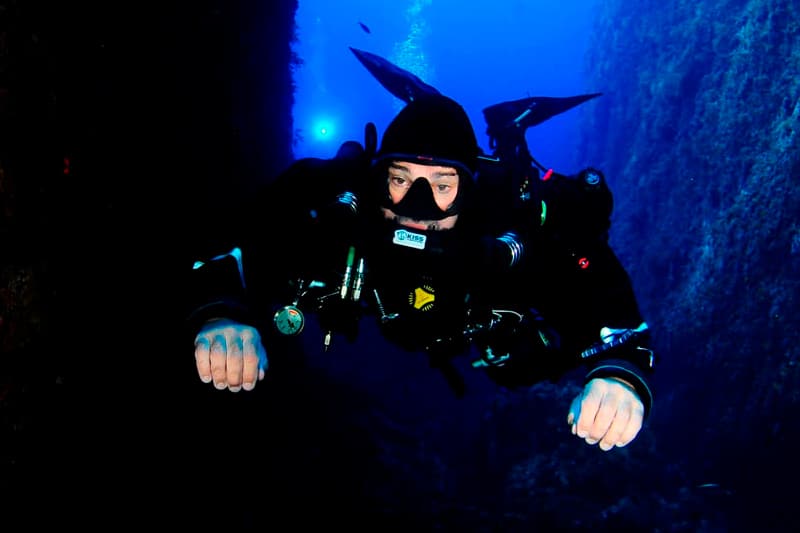
You do not need to be a certified cave diver to experience Dos Ojos. Because it is classified as a cavern dive (meaning you are always within sight of natural light and no more than 60 linear meters from the surface), Open Water divers can participate. However, you must be accompanied by a certified cavern or cave guide.
Water Temperature
The water is a consistent 24°C (75°F). While that sounds warm, the lack of sunlight and the duration of the dive can lead to a chill.
- Recommended Suit: A
5mmfull wetsuit is the gold standard here. - Hoods: Even a thin
3mmhood can significantly increase your comfort during the second dive.
Beyond the Eyes: Why Dos Ojos is Just the Beginning
Dos Ojos is part of the Sac Actun system, which was recently confirmed as the longest underwater cave system in the world, stretching over 340 kilometers. When you dive here, you are barely scratching the surface of a subterranean world that remains largely unexplored.
The "Two Eyes" remain the gold standard for cavern diving because they offer a perfect balance of safety and spectacle. It is a place where physics, history, and biology collide in a way that feels utterly alien. Whether you are watching the "liquid glass" of the halocline or surfacing among the bats, Dos Ojos changes the way you think about the planet.
If you’ve experienced the magic of the Yucatan’s underworld, we want to hear about it. Was it the light beams of the Barbie Line or the eerie silence of the Bat Cave that stayed with you? Share your most surreal cenote moments in the comments below!
