Diving Blue Corner Palau: A High-Octane Masterclass in Reef Hook Action

The boat ride from Koror to the outer reef is a sensory experience in itself. As the twin outboards hum, you weave through the Rock Islands—those iconic, mushroom-shaped limestone karsts draped in emerald jungle that look like they’ve been plucked straight from an Avatar film. But as the turquoise lagoons give way to the deep indigo of the Philippine Sea, the atmosphere shifts. You aren't just going for a swim; you are heading to the edge of the abyss.
The Adrenaline Capital of the Pacific: Why Blue Corner is a Bucket List Essential
Blue Corner isn't just a dive site; it’s a geographical phenomenon. Located at the tip of a submerged peninsula, it sits at the perfect intersection where deep-ocean currents collide with a shallow plateau. This collision creates an upwelling of nutrient-rich water that fuels an entire ecosystem, transforming a simple reef corner into a high-energy theater of marine life.
If you’ve recently come from diving Chuuk Lagoon, the transition is jarring. Where Chuuk offers the haunting, silent stillness of iron and history, Blue Corner provides a chaotic, living explosion of movement. It is the "high-octane" answer to the "meditative" wreck dive. Here, the ocean isn't whispering; it’s roaring.
Mastering the Reef Hook: The Secret to 'Flying' Underwater
The defining characteristic of Blue Corner is the current. It can be fierce, unpredictable, and downright exhausting if you try to fight it. This is where the reef hook—Palau’s greatest contribution to diving culture—comes into play.
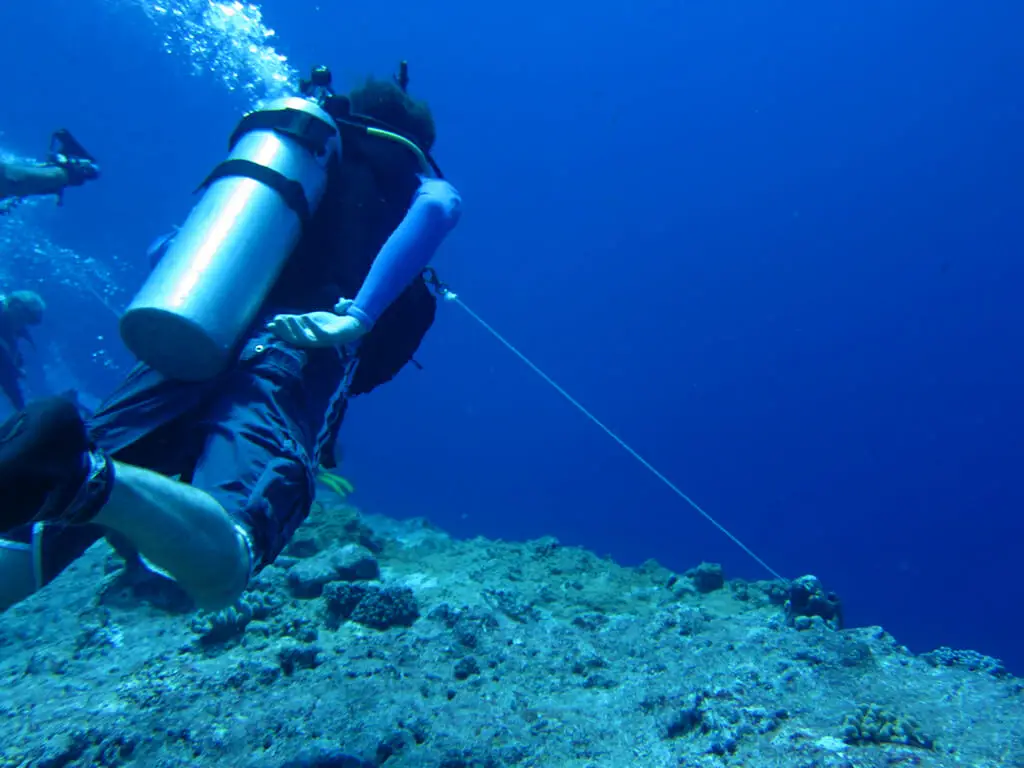
A reef hook is a simple tool: a large stainless steel hook attached to a length of high-strength cord and a carabiner. The goal is to anchor yourself to a piece of dead rock (never live coral) at the edge of the drop-off, inflate your BCD slightly, and hover.
How to Hook In Like a Pro
- Locate the Edge: Your guide will lead you to the "hook-in" point, usually a rocky area at the plateau's edge around
15 meters(50 feet). - Find Dead Rock: Look for a sturdy, non-living crevice.
- Secure and Inflate: Once the hook is set, slowly add air to your BCD. The current will lift you up and back, pulling the line taut.
- The 'Kite' Sensation: You are now floating effortlessly, hands-free, like a kite in a gale.
Pro Tip: Keep your fins still once you are hooked in. Kicking not only wastes energy but can also signal distress to the marine life you’ve come to watch.
A Wall of Gray: Meeting the Resident Sharks
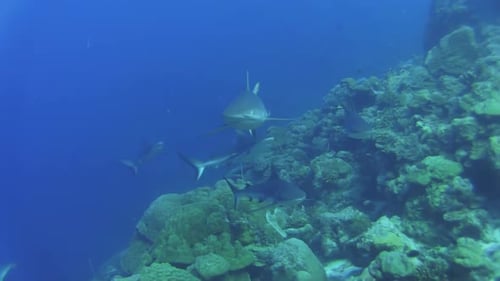
Once you are hooked in and hovering over the abyss, the show begins. The stars of the performance are the Gray Reef Sharks. Dozens of them. They don't just swim past; they patrol the edge of the current, effortlessly carving through the water while you struggle to keep your mask from vibrating.
These sharks use the current to oxygenate their gills with zero effort, often coming within arm's reach of the divers. While many new divers arrive with the misconception that sharks are mindless killing machines, you’ll quickly realize they are the ultimate masters of efficiency.
Their behavior here is a fascinating display of predatory positioning. Much like the tactics we explored in our guide to The Midnight Shift, these sharks use the "wall" of the reef to funnel prey. At Blue Corner, they aren't hunting you; they are waiting for the current to deliver a buffet of fusiliers and snappers.
| Shark Species | Common Depth | Typical Behavior at Blue Corner |
|---|---|---|
| Gray Reef | 10m - 40m | Constant patrolling in the current |
| White-tip | 5m - 30m | Resting on sandy patches or hunting in crevices |
| Black-tip | 0m - 10m | Often seen in shallower reef flats |
| Leopard Shark | 20m+ | Occasionally seen resting on the plateau |
The Tornado of Life: Beyond the Apex Predators
While the sharks grab the headlines, the biomass at Blue Corner is staggering. It is often described as "fish soup." You’ll find yourself engulfed by massive schools of Chevron Barracuda that form silver tornados, and Bigeye Trevally that block out the sun.
When comparing this to other world-class sites, it rivals the sheer volume of Cape Kri in Raja Ampat. However, where Cape Kri feels like an intricate tapestry of biodiversity, Blue Corner feels like a high-speed chase.
The Puppy of the Reef
No Blue Corner experience is complete without an encounter with the resident Napoleon Wrasse. These massive, turquoise-hued fish are famously curious. They have lived around divers for decades and often approach like friendly golden retrievers, looking for a scratch or simply staring at their own reflection in your camera lens.

Managing the Chaos: Safety and Psychology in High Currents
Diving in heavy current introduces a layer of psychological pressure. When the water is moving at 2 or 3 knots, your brain can easily become overwhelmed. We call this Cognitive Narrowing.
In the heat of the action, you might find yourself fixated on a shark, forgetting to check your air, or struggling to manage your camera while your reef hook line tangles around your strobe arms. This task loading is the primary cause of stress-induced errors in Palau.
Stay Safe in the Current:
- Buoyancy is King: If you unhook without venting your BCD, you will shoot toward the surface like a cork. Always deflate before you unhook.
- Watch the Bubbles: In a "washing machine" current (where water moves vertically), your computer might struggle to keep up. Watch your bubbles to see if you are being pulled down or pushed up.
- Trust the Guide: The currents at Blue Corner can flip
180 degreesin minutes. Your guide will read the "split" (where the current hits the reef and divides) to ensure you aren't swept into the blue.
Logistics for the Ultimate Palau Expedition
Palau is a year-round destination, but your experience will vary wildly depending on the lunar cycle.
When to Go
The best time to visit is from November to May. This is the dry season, offering the best visibility. However, the intensity of the dive is dictated by the moon.
- Full and New Moons: Expect the strongest currents. This is when the shark action is most intense, but it is also the most challenging for novice divers.
- Half Moons: Gentler currents, making it easier to explore the plateau but potentially offering fewer "big" animal encounters.
Liveaboard vs. Land-based
Palau offers two distinct ways to dive.
| Feature | Land-Based (Koror) | Liveaboard |
|---|---|---|
| Price | Lower entry cost | Premium pricing |
| Comfort | Hotels & Restaurants | Dive-eat-sleep-repeat |
| Reach | 45-60 min boat rides | Wake up on the dive site |
| Variety | Focus on local sites | Access to Peleliu and remote reefs |
Essential Gear Checklist
- High-Quality Reef Hook: Don't buy the cheap ones; look for a sturdy stainless steel hook with a
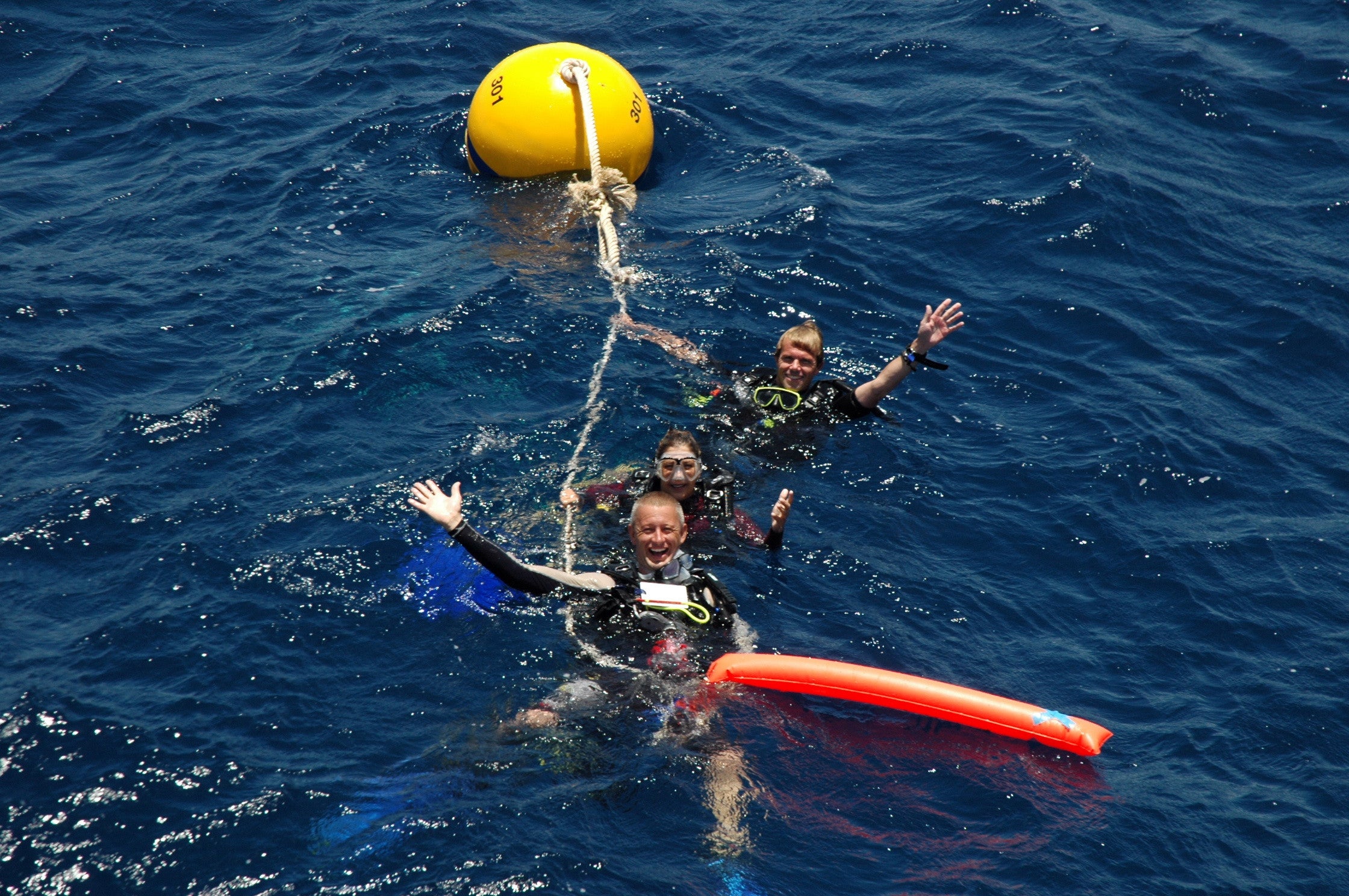
2-meterlead. - Large SMB (Surface Marker Buoy): In these currents, you will drift away from the boat at the end of the dive. A
6-footbright orange SMB is mandatory. - Dive Computer with Large Display: Easier to read when the current is vibrating your gear.
- Gloves: While generally discouraged in Palau to protect the reef, they can be useful for the initial "scramble" to the hook-in point.
Conclusion: The Blue Corner Afterglow
There is a specific kind of "high" that comes from a Blue Corner drift. It’s the feeling of being a spectator in a world that doesn't care you're there—a silent observer to the raw, unscripted power of the Pacific. While sites like the Silfra Fissure offer crystal-clear serenity, Palau offers life at its most visceral.
As you surface and wait for the dive tender to find your SMB, you’ll look down at the deep blue and realize why the Palau National Marine Sanctuary is so vital. This isn't just a playground for us; it’s one of the last great strongholds for the ocean’s apex predators.
If you crave action, if you want to feel the pulse of the ocean, and if you’re ready to fly, Blue Corner is waiting. Just remember: hook in, breathe deep, and enjoy the show.